



Antique Wooden Sign
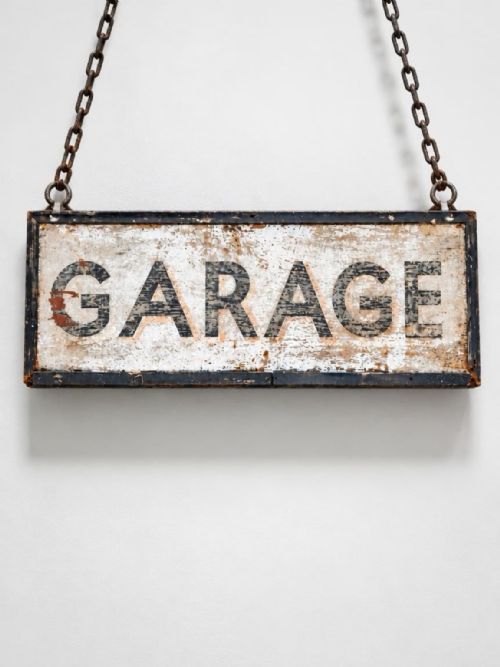
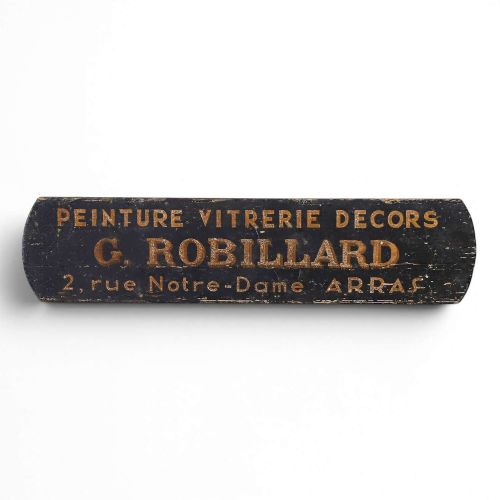
An antique wooden sign carries the painted lettering and weathered grain of past commerce, offering a direct link to old trades and public life.
Antique Wooden Sign
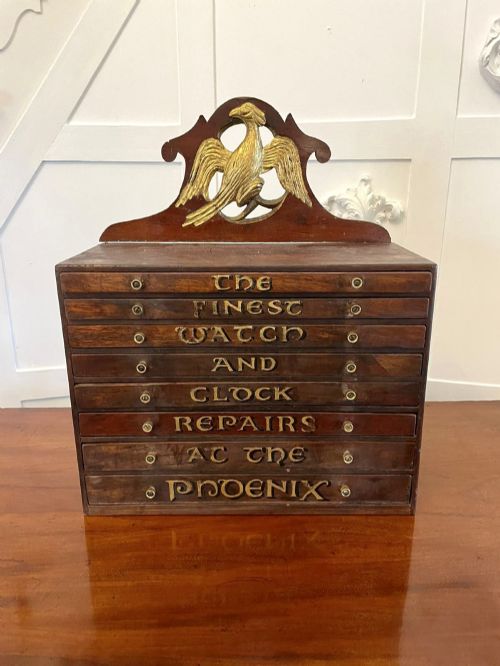
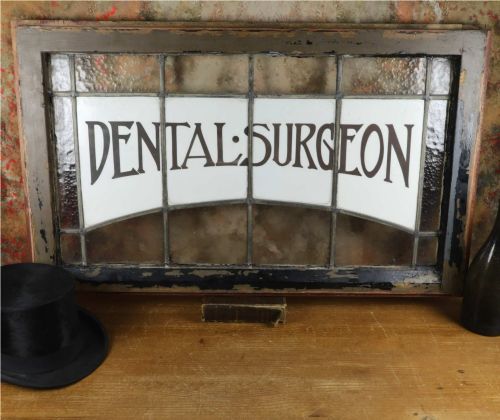
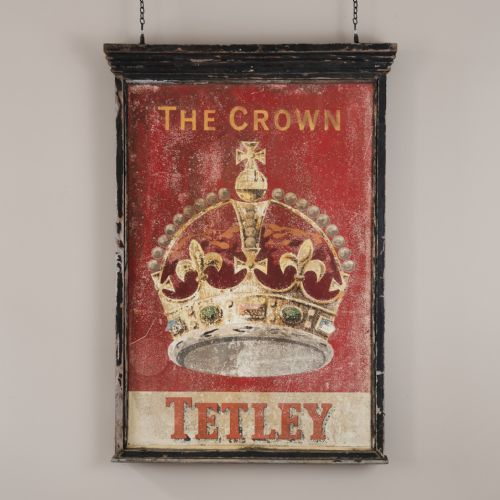
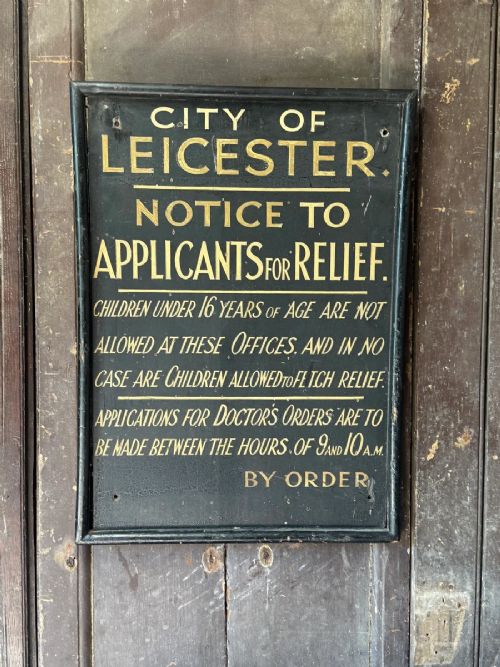
An antique wooden sign encompasses functional trade displays, shop boards, and direction markers originating from the eighteenth century through to the art deco period. Buyers encounter hand-painted pine and mahogany panels advertising butchers, drapers, and dentists alongside large double-sided pub boards.
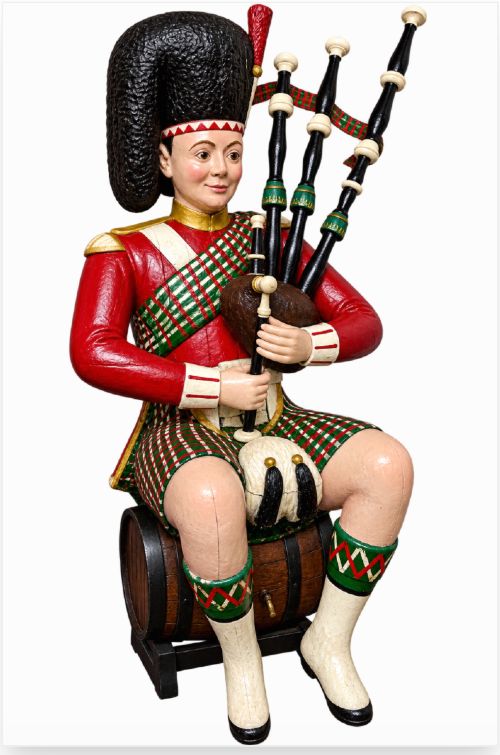
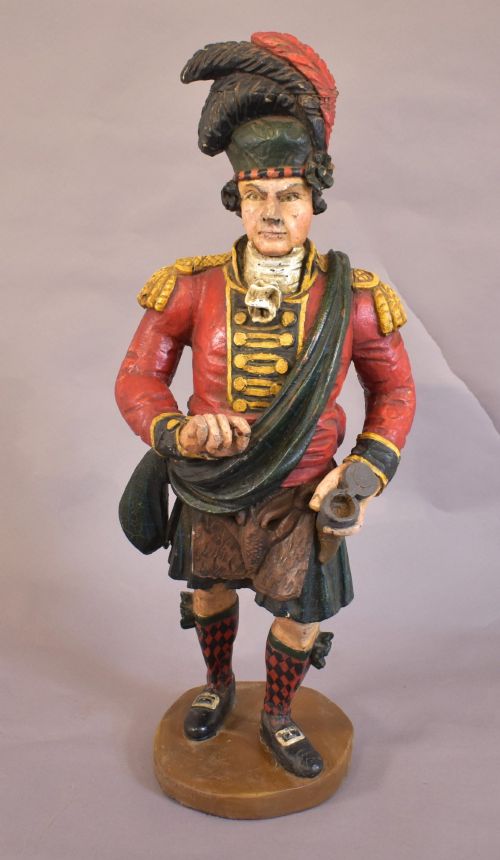
The selection ranges from architectural salvage and department store signage to specialised advertising pieces like tobacco and pipe markers. These boards reflect the commercial and municipal needs of Victorian and Edwardian high streets.
Most examples rely on painted timber surfaces, often incorporating glass, brass, or gold leaf lettering to catch the eye of passing customers. Their survival depends on the durability of the wood and the specific conditions of their original indoor or outdoor placements.
How they were made
Craftsmen utilised native timbers such as pine, oak, and mahogany as the foundational base for these boards, shaping them with hand tools before applying protective priming. Carpenters and signwriters built structures designed to withstand daily exposure in trade environments.
Lettering and decoration relied on hand-mixed oil paints, occasionally enhanced with applied gold leaf or glass panels to create durable visual contrast. Artisans painted directly onto the wood grain, sealing the surface with layers of traditional varnish or lead-based paints.
Antique Wooden Sign Retail Price Guide 2026
Typical asking prices for wooden sign among the pieces listed under this phrase on Sellingantiques today, from the lower quarter to the upper quarter. They describe what is for sale here now, not the wider market.
A painted butcher's sign featuring a cow trolley proves that Victorian commerce took its livestock transport with a generous dash of rural charm.
What varies in quality
The distinction between ordinary utility boards and superior examples lies in the execution of the signwriter's lettering and the complexity of the pictorial elements. Skilled practitioners achieved balanced proportions and crisp typography that command attention.
Original uncompromised surfaces separate surviving panels that retain their authentic historical paint layers from those subjected to later overpainting or heavy restoration. The integrity of the timber base and the clarity of the remaining pigment determine the visual impact of the piece.
Gerwin And Co Birmingham·R D Roberts·W Williams
The Antique Wooden Sign Glossary
- Trade Sign
- A board or sculptural object displayed outside a shop or business to advertise the profession or wares within. These items served as functional street furniture before modern illuminated signage took over.
- Gold Leaf
- Thin sheets of hammered gold applied to letterforms or decorative motifs to create a luminous finish. This material resisted tarnishing and caught sunlight effectively on busy streets.
- Folk Art
- Objects created by self-taught or rural artisans outside the formal academic traditions of design. These pieces prioritize direct utility and personal expression over strict proportion.
- Architectural Salvage
- Building components and attached fixtures rescued from structures slated for demolition. This category includes large exterior signs and wall plaques removed during urban renewal.
Antique Wooden Sign: Frequently Asked Questions
How do I hang a heavy antique wooden sign?
These boards require secure fixings anchored directly into wall studs or masonry to support their substantial timber weight. Professional picture hanging wire or heavy-duty steel brackets distribute the load evenly across the panel.
Avoid relying solely on small decorative loops or aged brass rings attached to the back of the sign. Check the structural condition of the wood surrounding any mounting points before installation.
Were all antique signs displayed outdoors?
Many commercial boards hung outside above shopfronts exposed to rain, wind, and sun throughout their working lives. This weathering created the distinct patinated surfaces collectors value today.
Other examples functioned exclusively inside trade premises, such as milliner display boards, railway plaques, and hymn boards. Indoor pieces generally retain brighter painted surfaces and crisper gold leaf details.
How can I tell the age of a sign?
The wood species, the composition of the paint layers, and the style of the lettering offer primary clues to a board's era. Hand-cut pine boards with lead-based paints often point to Victorian or earlier origins.
Examine the construction methods, including the presence of hand-forged iron nails, tongue-and-groove joints, or back braces. Comparing the typography against known commercial styles from the nineteenth and early twentieth centuries helps narrow down the production period.