


Antique Wooden Shelving
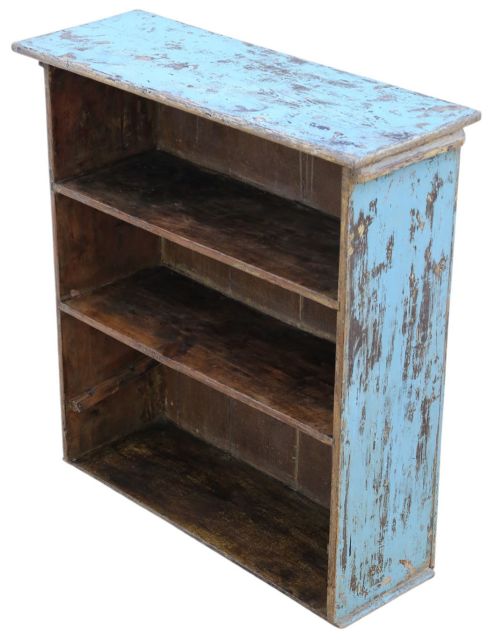
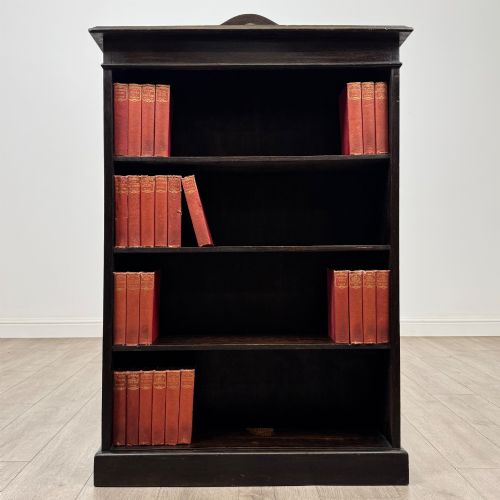
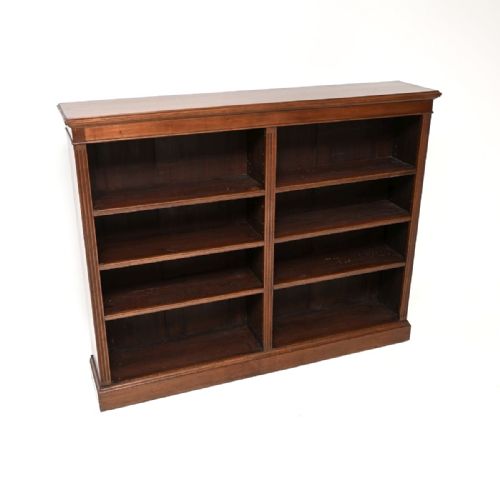
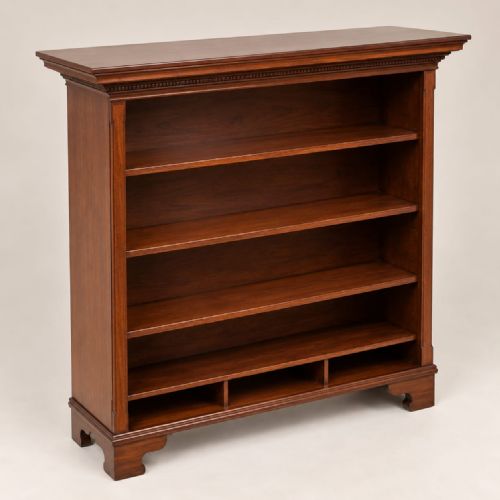
These pieces of antique wooden shelving span centuries of domestic storage, offering practical display and rich timber character for the home.
Antique Wooden Shelving
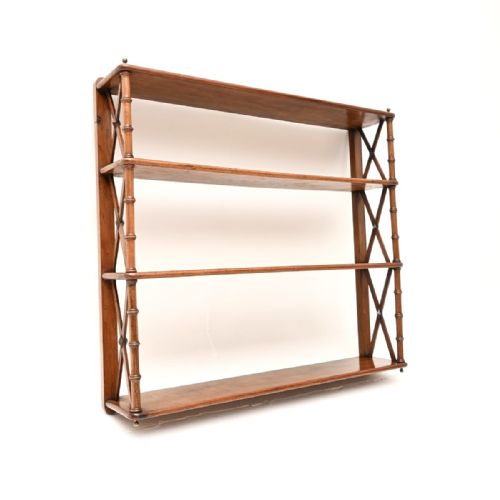
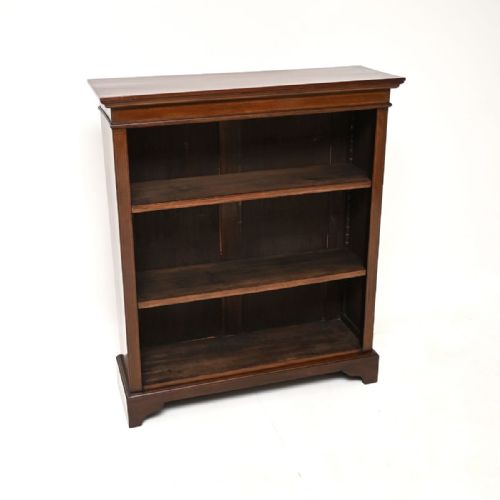
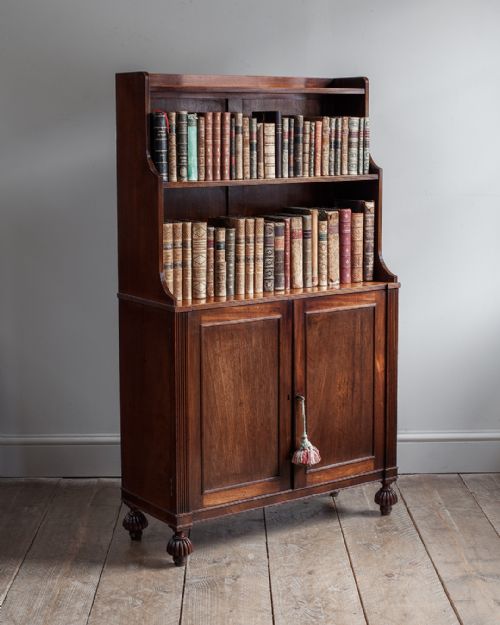
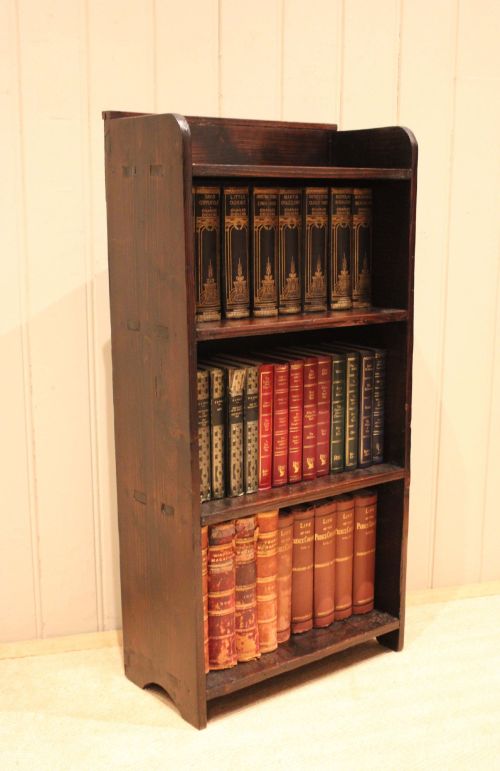
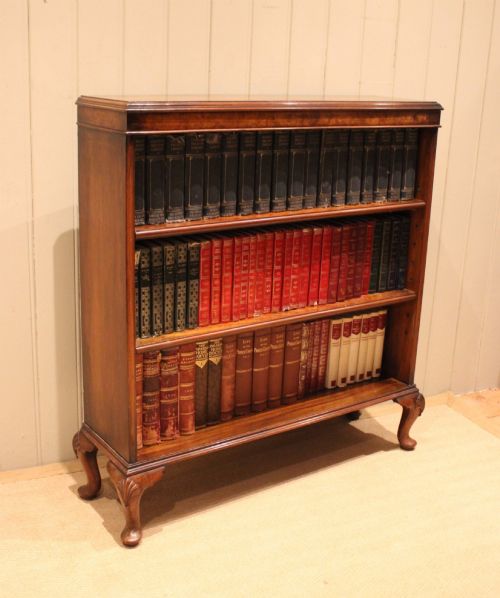
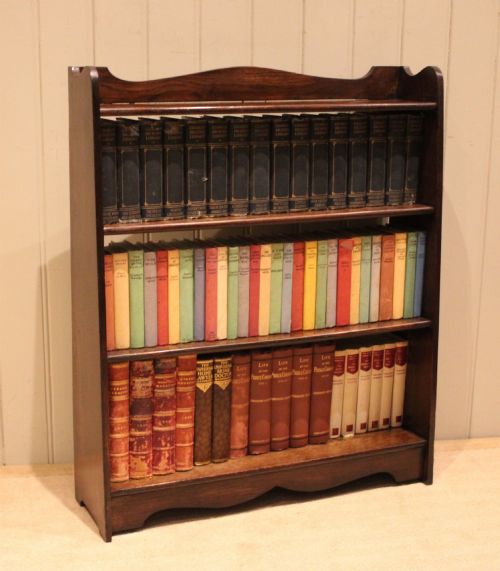
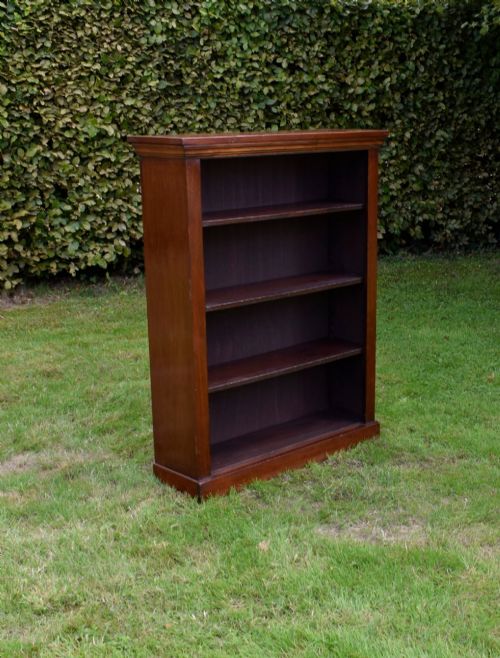
When buyers search for antique wooden shelving, they encounter a diverse array of open bookcases, wall brackets, corner whatnots, and hanging shelves spanning the Georgian, Regency, Victorian, and Edwardian eras. The selection on this page leans heavily towards open bookcases and wall-mounted units, reflecting how earlier households stored and displayed their volumes.
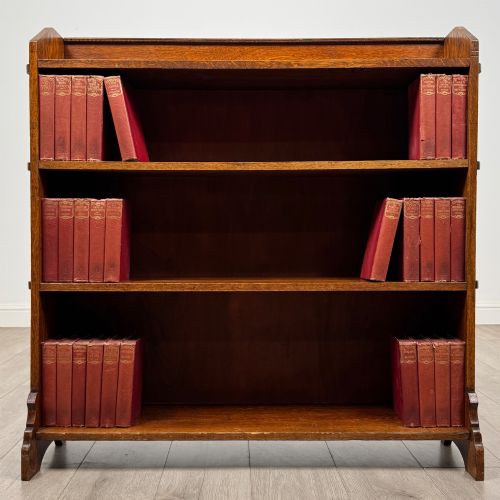
Makers and cabinetmakers produced these domestic storage solutions in various scales, from small rustic pieces to large oak library bookcases and slim burr walnut open bookshelves. Styles range from simple pine country furniture to formally carved oak and inlaid mahogany creations influenced by the Arts and Crafts movement or Regency elegance.
Timbers and construction techniques
Cabinetmakers relied primarily on hardwoods such as mahogany, oak, walnut, and burr walnut, alongside softer pine for utilitarian country pieces. Timber selection dictated the structural integrity and visual warmth of each shelf, often enhanced by brass hardware, castors, or intricate carved details.
Construction methods evolved across the periods, incorporating adjustable shelving, wall-mounting brackets, and refined joinery like dovetailing. Decorative touches such as inlay, ormolu mounts, and painted finishes appeared on finer pieces intended for principal reception rooms.
Listings feature oak, mahogany, walnut, and pine across eras from the Regency period through to Edwardian workshops.
Standards of craftsmanship and material selection
Quality in these storage pieces rests upon the choice of timber and the fidelity of the cabinetwork, where finely figured burr walnut or rich mahogany elevate a piece far above utilitarian pine or basic oak. The crispness of carved mouldings, the integration of adjustable shelf mechanisms, and the presence of original brass castors distinguish superior workshop output from standard domestic furniture.
Proportion and structural balance also dictate standard, as smaller waterfall designs or matching pairs require precise geometric harmony to succeed. Pieces retain greater character when timber patination has developed naturally over generations without aggressive modern intervention.
Johnstone and Jeanes·James Mein of Kelso
The Antique Wooden Shelving Glossary
- Whatnot
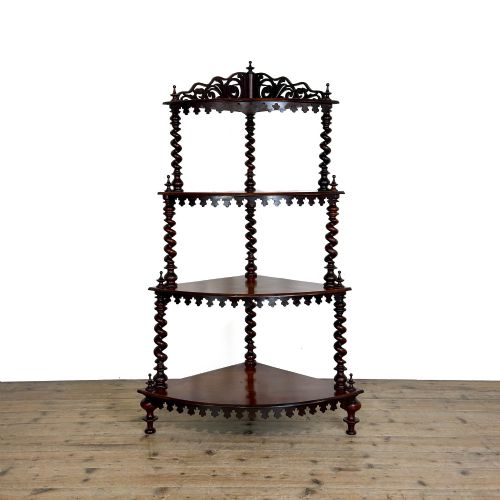
- A set of open shelves for displaying ornaments or books, typically standing in a corner or against a wall. These tiered pieces gained popularity during the Victorian period.
- Waterfall bookcase
- A stepped set of open shelves where each tier is narrower than the one below, following a cascade silhouette. They often feature delicate proportions and fine wood veneers.
- Ormolu
- Gilded bronze applied as a decorative mount to furniture, frequently paired with walnut or mahogany on high-status nineteenth-century pieces. It provides a striking metallic contrast to dark timber surfaces.
- Inlay
- A technique where pieces of contrasting wood, brass, or shell are fitted into depressions within the primary timber surface to create decorative patterns. Edwardian and Georgian examples frequently utilise this method on friezes and panels.
Antique Wooden Shelving: Frequently Asked Questions
How do I choose the right size?
Consider the available wall space and floor area in your room before selecting between a tall library bookcase and a compact wall-mounted bracket. Measure the depth of the shelves to ensure they accommodate your intended books or display objects without projecting awkwardly into traffic pathways.
Smaller corner whatnots and waterfall units suit tighter spaces, whilst grand oak or mahogany bookcases require substantial wall proportions to anchor the interior properly.
Are these shelves suitable for heavy books?
Many period bookcases feature sturdy hardwood construction in oak or mahogany, often equipped with adjustable wooden shelving to support substantial volumes. Solid timber boards handle weight effectively, though one should inspect the shelf thickness and support pegs.
Lighter pine or delicate inlaid Edwardian items serve better for lighter reading material and decorative objects rather than dense multi-volume encyclopaedias.
How do I identify the period?
Dating relies on observing timber choices, construction methods, and stylistic cues characteristic of Georgian, Regency, Victorian, or Edwardian eras. Heavy carved oak often points towards Victorian or Arts and Crafts movements, whilst clean-lined mahogany frequently suggests earlier Georgian or Regency craftsmanship.
Hardware details, such as brass castors and joinery marks beneath the shelves, provide further physical evidence for historical attribution.
Can I adjust the shelf heights?
Numerous period bookcases incorporate traditional adjustable shelf mechanisms, allowing you to alter clearances for varying book sizes. These systems utilise wooden ratchets, brass pins, or notched uprights fitted inside the cabinet interiors.
Fixed shelves remain common in simpler country pine units and certain bespoke wall brackets, so verify the internal racking configuration if flexibility is required.