


Antique Wooden Shelf Table
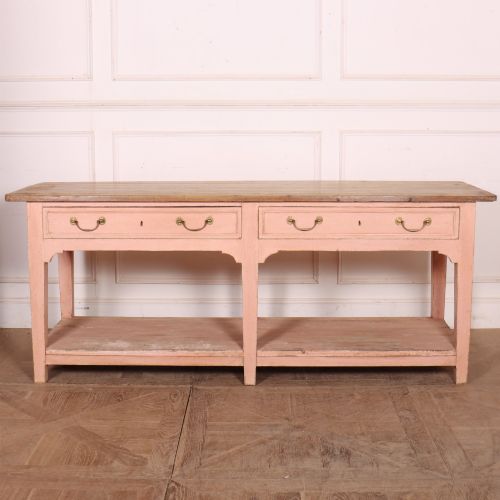
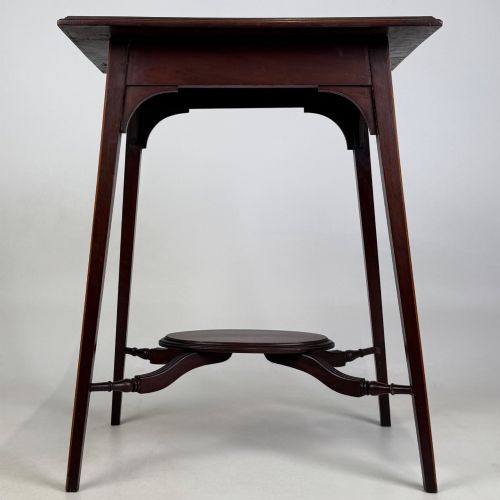
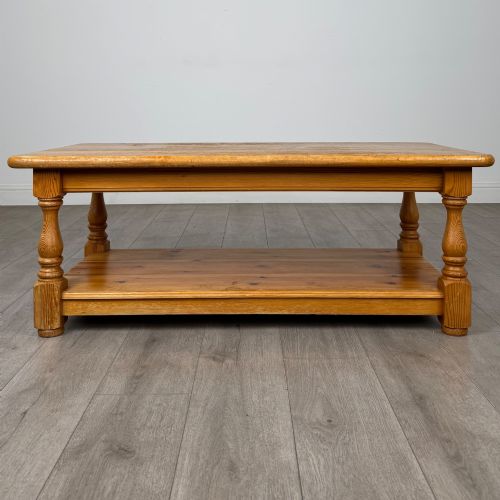
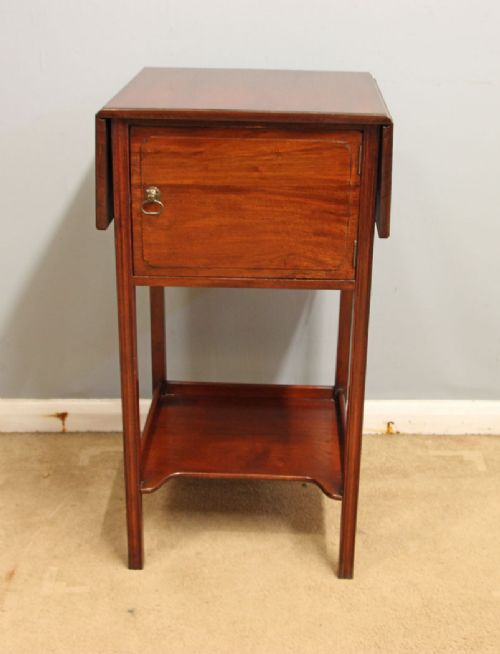
These pieces known as an antique wooden shelf table bring practical surface area and tiered storage to a room.
Antique Wooden Shelf Table
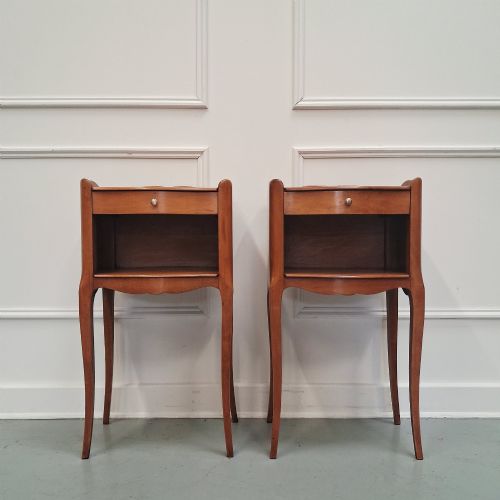
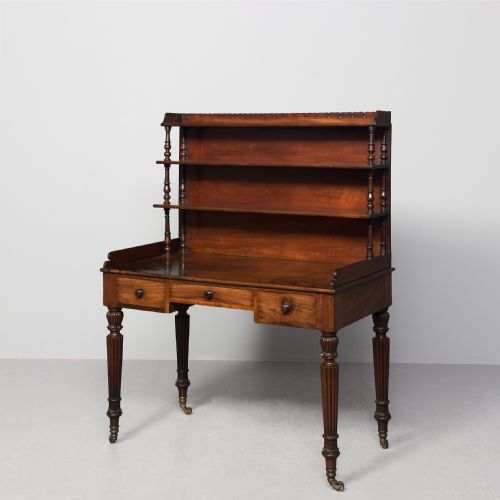
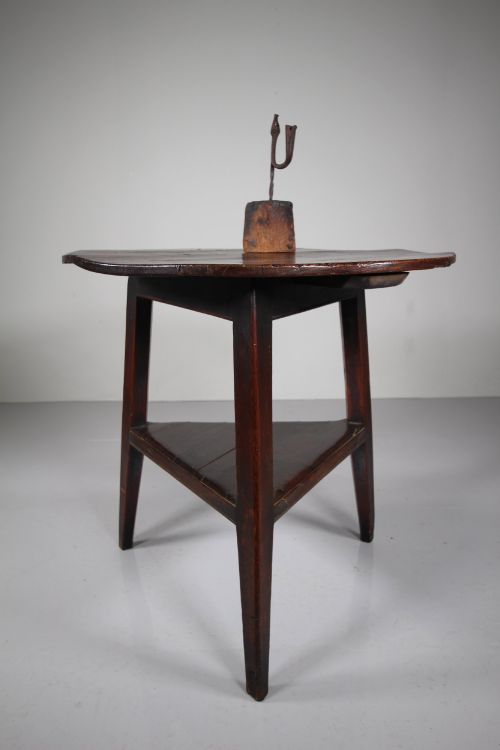
When you search for an antique wooden shelf table, you encounter a selection of occasional furniture that combines a primary surface with lower tiers or open storage. The listings encompass forms such as side tables, bedside tables, whatnots, serving tables and occasional lamp tables dating from the nineteenth and twentieth centuries.
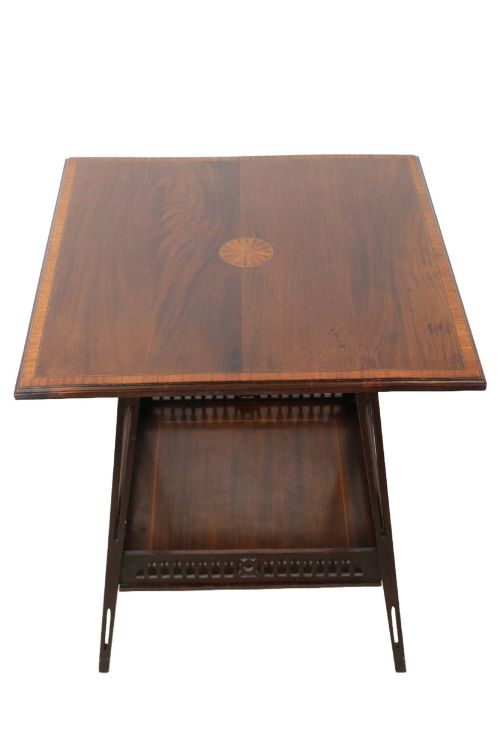
The pieces appearing on this page span several stylistic movements, including Edwardian, Victorian, Regency, Art Deco, and Arts and Crafts. Many examples incorporate supporting shelves beneath the main top, providing space for books, decorative items or lamps in domestic settings.
Makers and regional workshops produced these tables in various timbers to suit formal drawing rooms, bedrooms, and country hallways. The common thread among them is the integration of wood and shelving into a compact footprint designed for daily utility.
How they were made
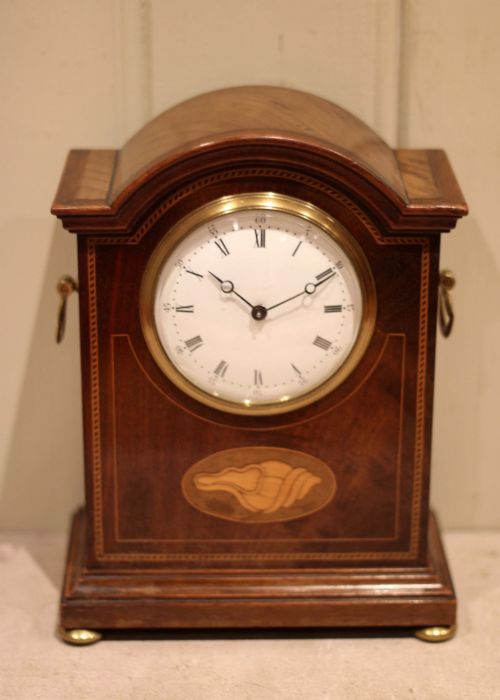
Cabinetmakers constructed these tables using a range of dense hardwoods and decorative veneers, notably mahogany, oak, walnut, satinwood, and teak. Selected pieces feature inlaid details, marquetry, or ebonised accents that highlight the grain and colour of the primary timber.
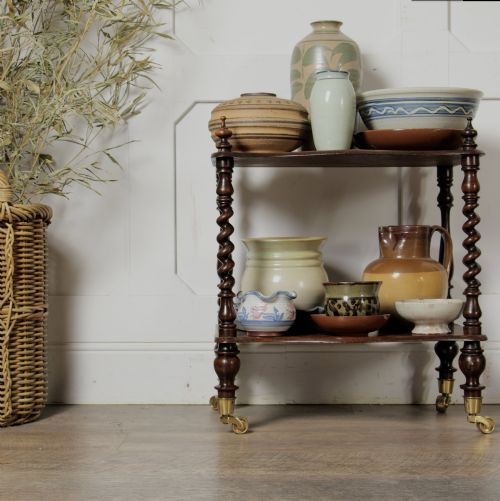
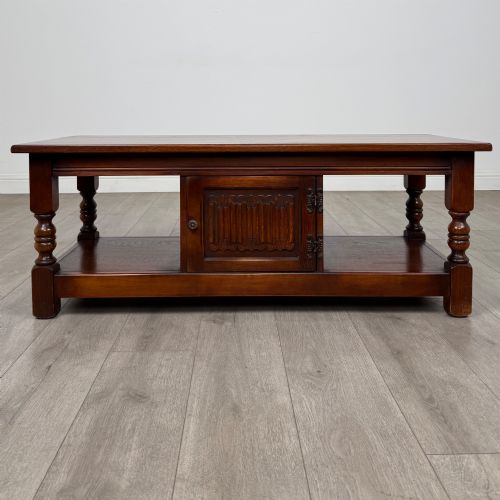
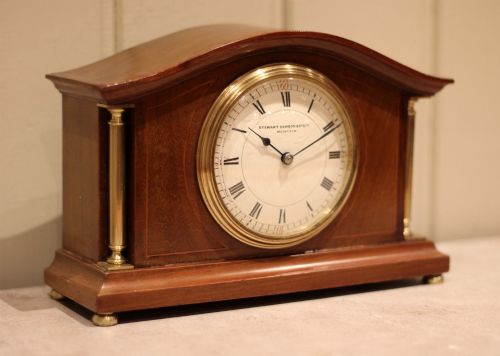
Construction techniques visible across the inventory include turned legs, barley twist supports, and fitted shelves secured by traditional joinery. Brass mounts, glass panels, and metal hardware frequently complete the hardware and structural assembly of the clocks and cabinets listed alongside the tables.
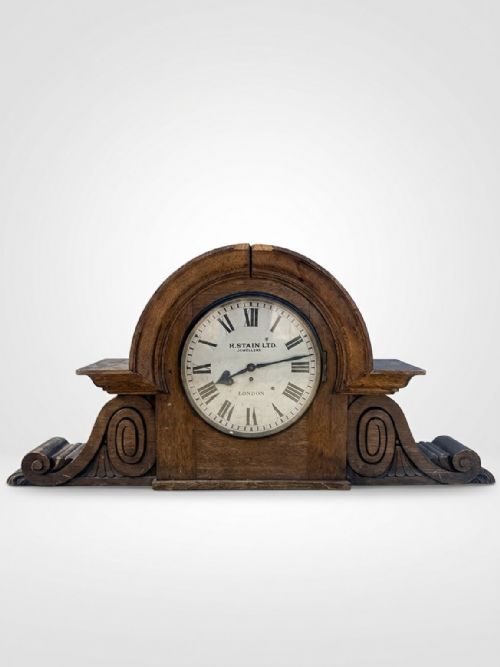
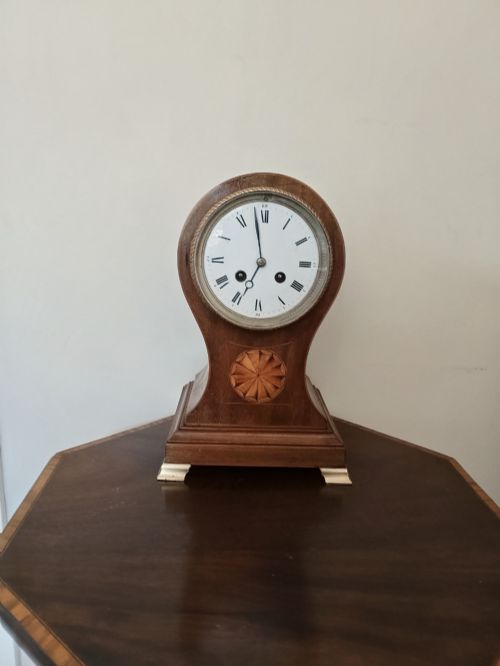
Clocks ticked alongside these tables, with German and French movements recorded keeping time across the nineteenth and twentieth centuries.
What varies in quality
The standard of a piece rests upon the selection of timber, the crispness of any carved or turned elements, and the integrity of the joinery connecting the shelves to the frame. Superior examples demonstrate thoughtful grain matching in veneers and precise inlay work that remains stable over generations.
Proportion and execution distinguish finer items from standard utility furniture. Tables with balanced tiers, sturdy vertical supports, and well-preserved original surfaces command greater appreciation among collectors than heavily altered or clumsily repaired equivalents.
Trevor Page And Co·James Mein Of Kelso·Charles Pratt London·Haller
The Antique Wooden Shelf Table Glossary
- Marquetry
- Decorative veneer work formed by small pieces of wood, shell or ivory fitted into a geometric or pictorial design. This technique adorns the surfaces of finer tables and clocks.
- Etagere
- A set of open shelves for displaying small objects, often of French origin. It provides tiered wooden platforms similar to the shelf table format.
- Barley twist
- A type of furniture turning resembling a twisted rope or spiral. It appears frequently on the legs and uprights of nineteenth-century stands and tables.
- Inlay
- A technique where contrasting timber or material is set into a recessed area of the base wood to form a pattern. Edwardian mahogany pieces often utilise this ornamentation.
Antique Wooden Shelf Table: Frequently Asked Questions
What is an antique wooden shelf table used for?
These tables provide a primary surface for lamps, clocks, or daily items alongside lower tiers for books and decorative objects. Their tiered design maximises storage space without enlarging the footprint in smaller rooms.
Historically placed in parlours, bedrooms, and hallways, they served both functional utility and display purposes. Today, they integrate easily into living spaces as bedside stands or occasional accent tables.
How do I identify the period of a shelf table?
Dating relies on observing the timber choice, construction methods, and stylistic motifs present in the piece. Victorian examples often feature dark mahogany or walnut with turned supports, while Edwardian versions frequently display lighter satinwood inlays.
Examining the underside, drawer linings, and joint types helps confirm the era of manufacture. Secondary woods and fastener styles provide further clues regarding the manufacturing date.
Are these tables suitable for modern homes?
Their compact dimensions and practical shelving make them well-suited for contemporary interiors requiring versatile storage. They fit readily beside modern seating or beds while introducing historic character.
The durable timber construction ensures they withstand everyday use. Routine maintenance involves simple dusting and occasional waxing to preserve the finish.
What woods were commonly used?
Makers utilised a variety of native and exotic hardwoods depending on regional availability and fashion. Mahogany and oak appear frequently across the nineteenth and twentieth-century listings.
Walnut, teak, and satinwood also feature in specific decorative or regional pieces. These timbers provide the structural strength required to support multiple tiers and shelves.