


Antique Wooden Shelf Stand
An antique wooden shelf stand offers practical display space in mahogany, oak, and walnut, bringing period character to any room.

Antique Wooden Shelf Stand
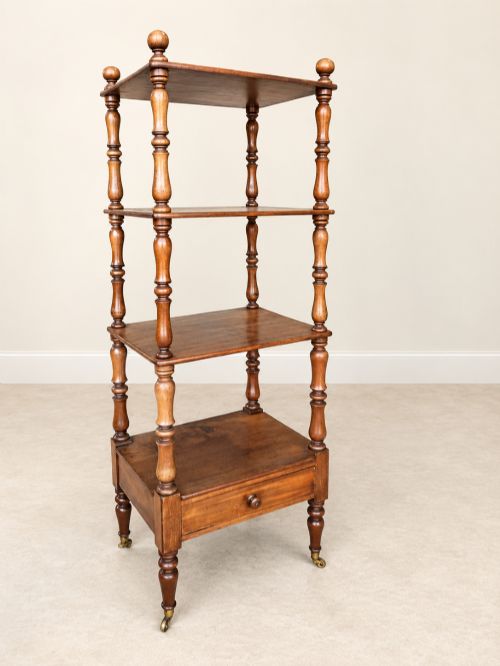
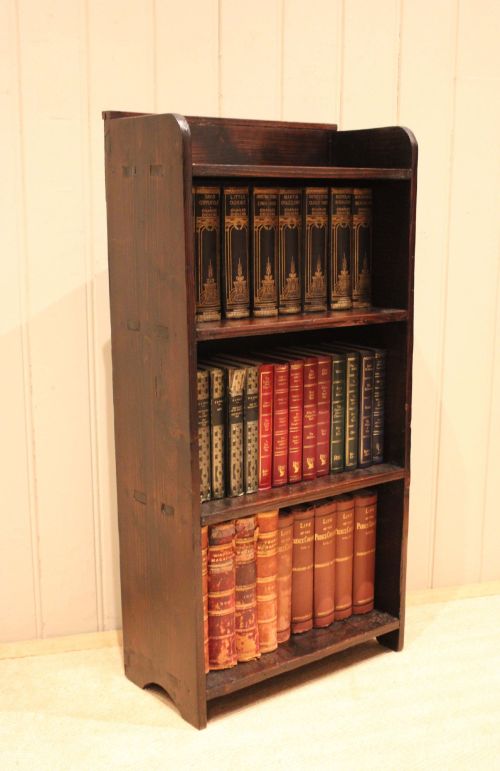
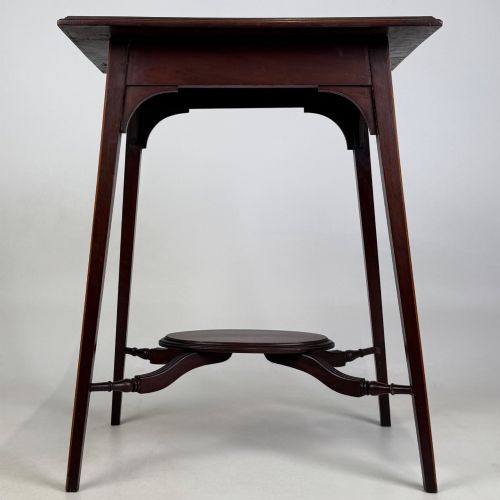
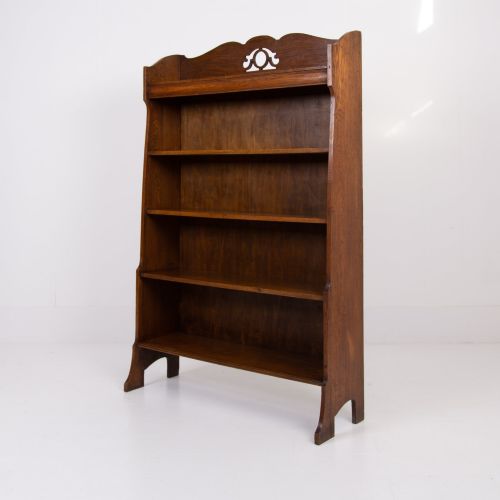
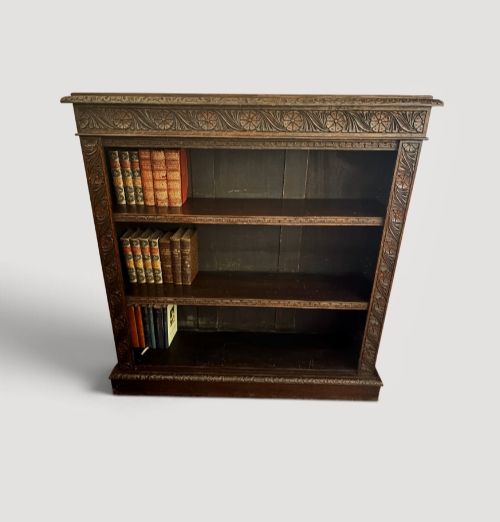
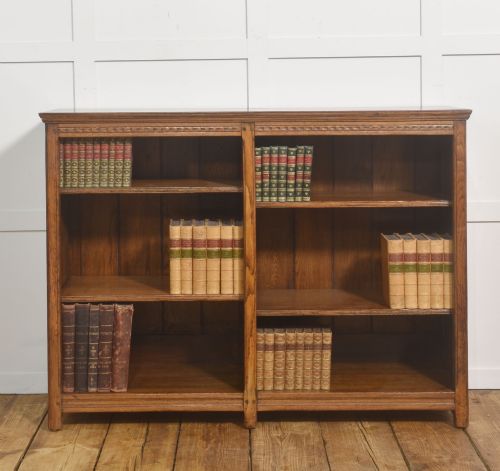
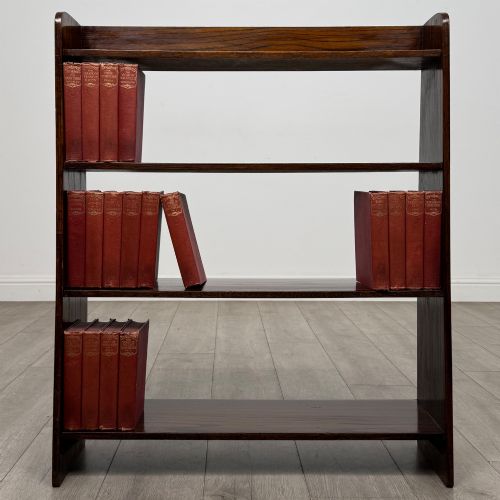
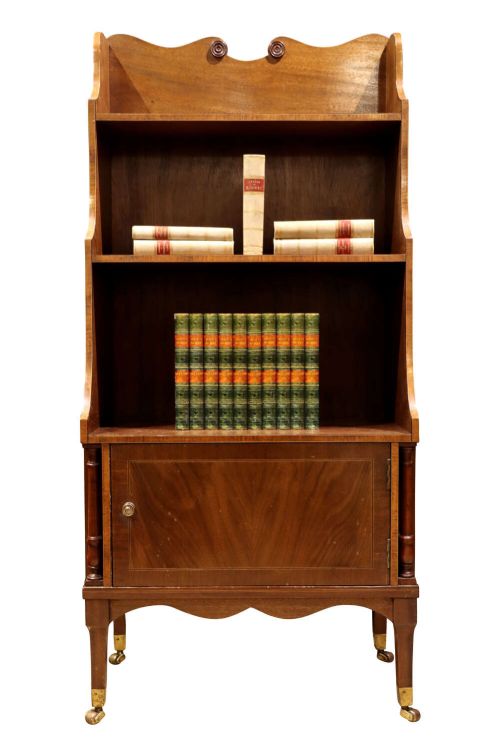
An antique wooden shelf stand comprises tiered furniture designed for holding books, ornaments, and domestic objects, frequently appearing as bookcases, whatnots, and open shelving units. The pieces on this page span the nineteenth and twentieth centuries, encompassing Victorian, Edwardian, Arts and Crafts, and Regency styles.
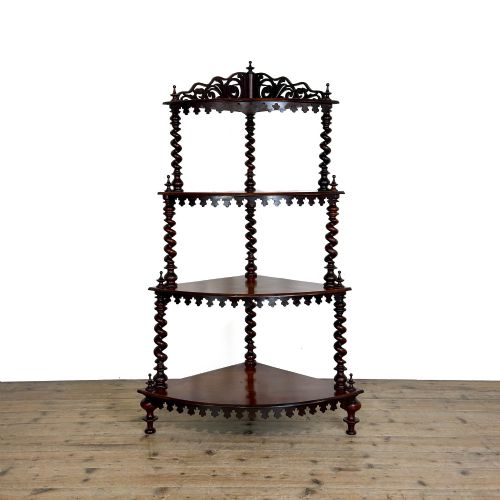
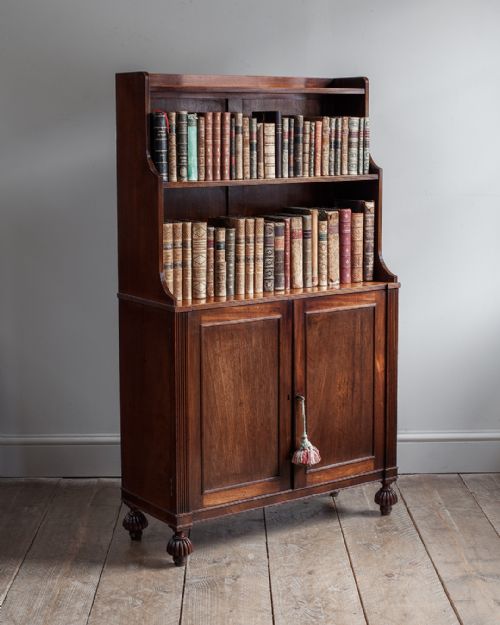
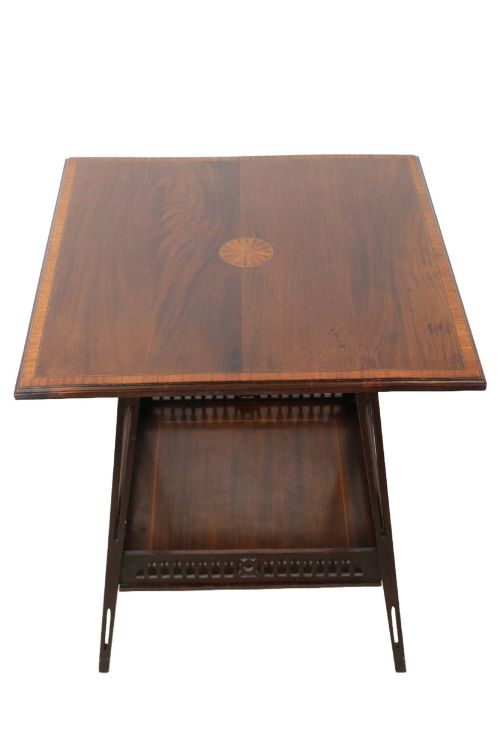
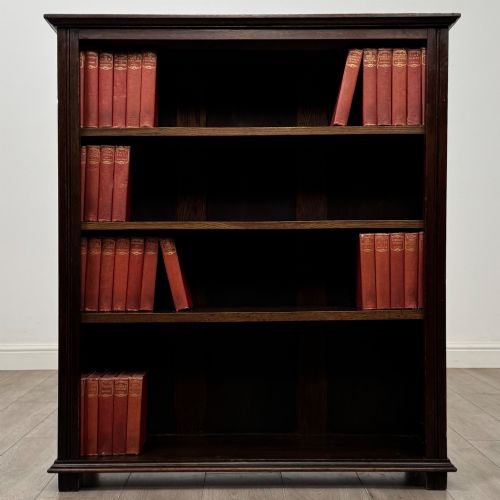
Buyers seeking an antique wooden shelf stand encounter forms ranging from corner whatnots and waterfall bookcases to small side tables and tiered stands. Oak and mahogany dominate the selection, alongside walnut, satinwood, teak, and pine, reflecting the domestic utility of these woods in past decades.
How they were made
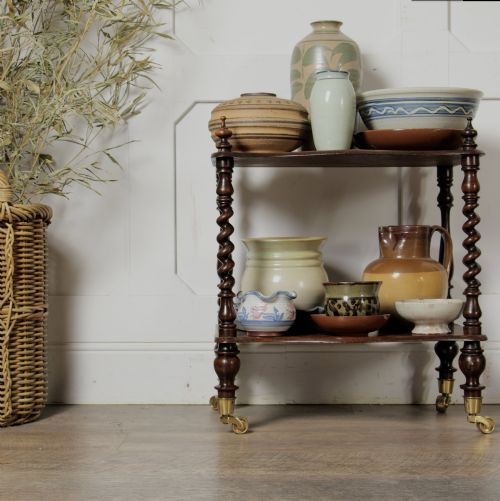
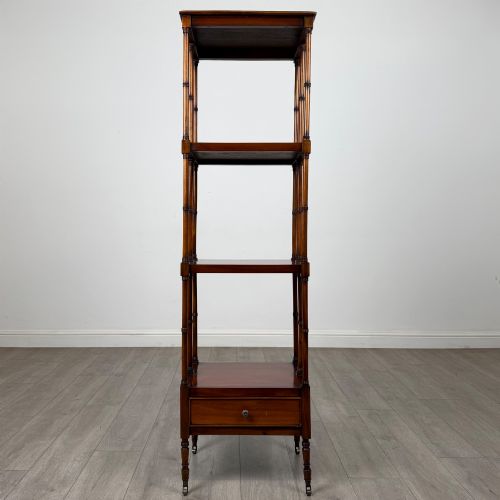
Cabinetmakers constructed these stands using solid timbers and veneers such as mahogany, oak, walnut, and teak, frequently incorporating brass details like castors or fittings. Joinery techniques varied from traditional dovetails to turned elements like barley twist supports and legs.
Surfaces often received decorative treatments including carving, inlay work, and polished finishes, while certain pieces utilised adjustable shelving mechanisms or wall-mounting hardware for practical adaptation.
Some nineteenth-century stands come equipped with tiny brass castors, built so one could hastily wheel the library out of the house at the first sign of a smoky coal fire.
What varies in quality
The standard of craftsmanship shows in the selection of timber figures, the precision of inlay work, and the structural integrity of joints and tiered platforms. Finer pieces demonstrate careful attention to turning, carving depth, and balanced proportions.
Origin and stylistic cohesion also influence distinction, with items exhibiting well-executed period details like brass castors or specific regional construction methods standing apart from plainer utilitarian examples.
Trevor Page & Co
The Antique Wooden Shelf Stand Glossary
- Whatnot
- A piece of furniture consisting of a set of open shelves for displaying small objects, popular in Victorian times. They often feature multiple tiers supported by turned columns.
- Waterfall bookcase
- A standing set of open shelves where each successive shelf is set back from the one below it, creating a stepped profile resembling cascading water.
- Barley twist
- A decorative turning technique resembling a twisted rope, commonly used on the upright supports and legs of nineteenth-century stands.
- Arts and Crafts
- A design movement valuing handcraftsmanship, simple forms, and natural materials, visible in many of the oak pieces from around nineteen hundred.
- Inlay
- A technique of ornamenting a wooden surface by inserting pieces of contrasting timber, brass, or shell into depressions to form decorative patterns.
Antique Wooden Shelf Stand: Frequently Asked Questions
What is an antique wooden shelf stand used for?
These stands serve primarily for displaying books, ornaments, and small collections within a domestic setting. Their tiered construction allows for compact vertical storage across living rooms, studies, and bedrooms.
Throughout the nineteenth and twentieth centuries, pieces like whatnots and bookcases provided accessible surface area for everyday items while adding architectural interest to empty corners or wall spaces.
What is the difference between a whatnot and a bookcase?
A whatnot is typically an open tiered stand designed specifically for ornaments and miscellaneous display, featuring several levels supported by columns or spindles. A bookcase focuses primarily on the storage of bound volumes.
While both fall under the category of open shelving, bookcases generally feature deeper shelves and sturdier partitions built to bear the weight of books.
Are these shelves suitable for modern homes?
These pieces adapt readily to contemporary interiors, offering practical vertical storage footprints that fit easily into hallways, alcoves, and studies. Their modest scale suits modern room proportions.
Materials like oak and mahogany complement diverse interior schemes, providing functional display surfaces alongside historical character.