


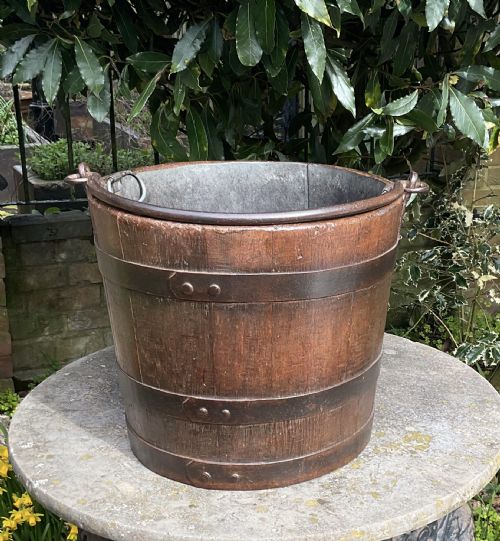


Antique Wooden Scuttle
An antique wooden scuttle brings period warmth to a fireside, offering practical fuel storage shaped by centuries of domestic craftsmanship.
Antique Wooden Scuttle
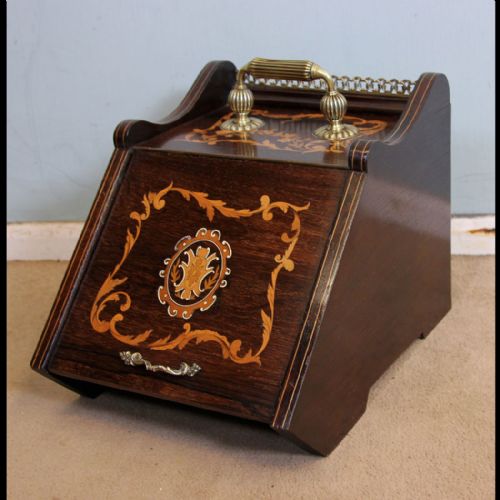
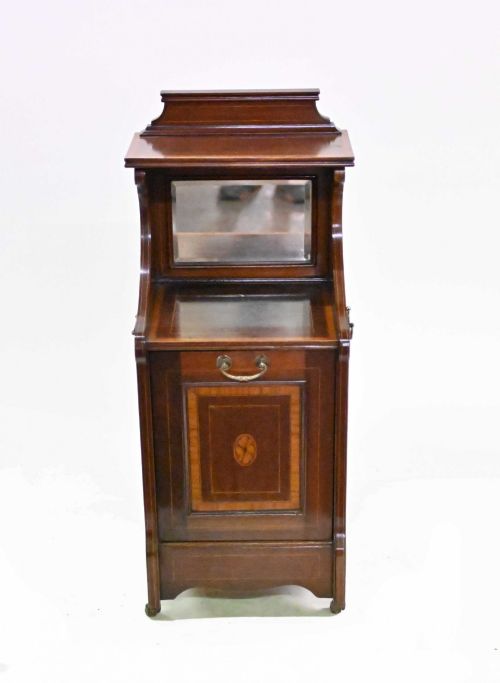
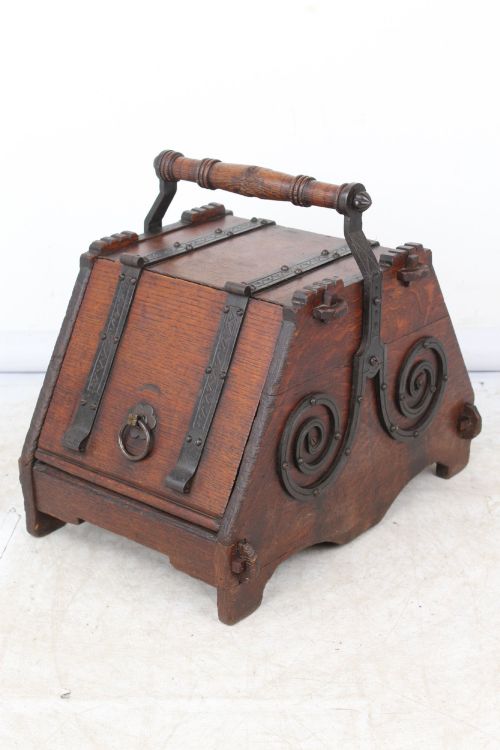
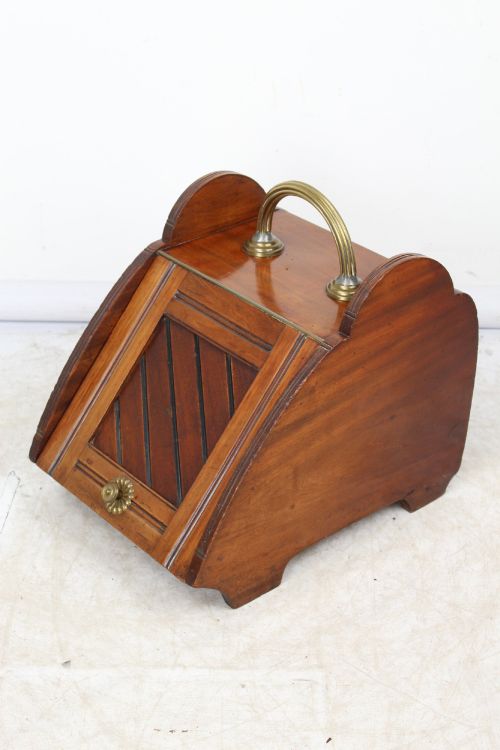
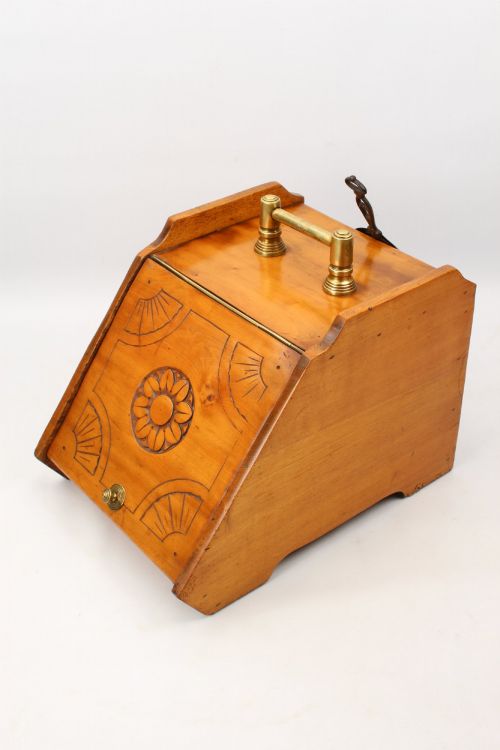
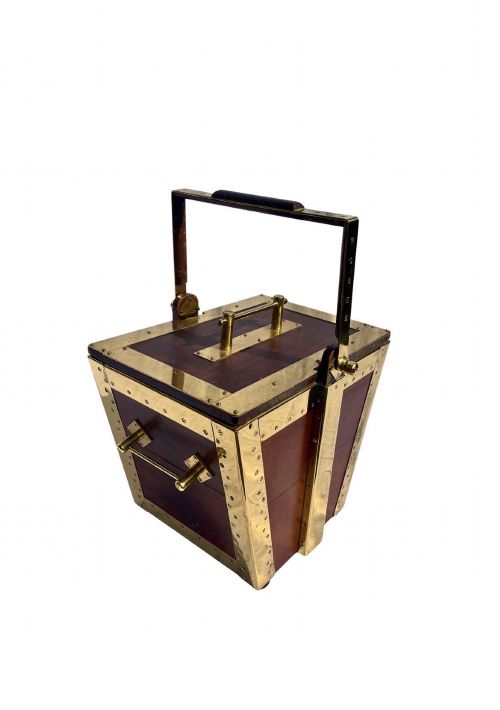
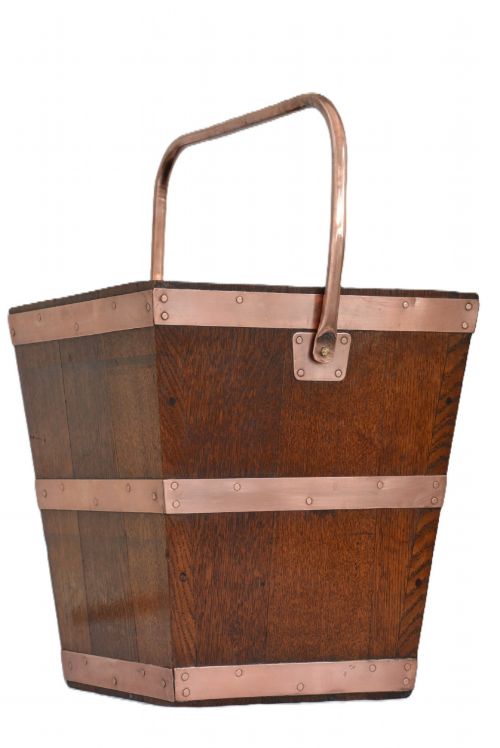
An antique wooden scuttle serves as a functional fireside accessory, appearing in forms such as open buckets, lidded boxes, and drop-front purdoniums designed to hold coal, peat, or logs near the hearth. You will most frequently encounter Victorian and Edwardian examples fashioned from oak, mahogany, or walnut, often fitted with metal liners to protect the timber from damp fuel.
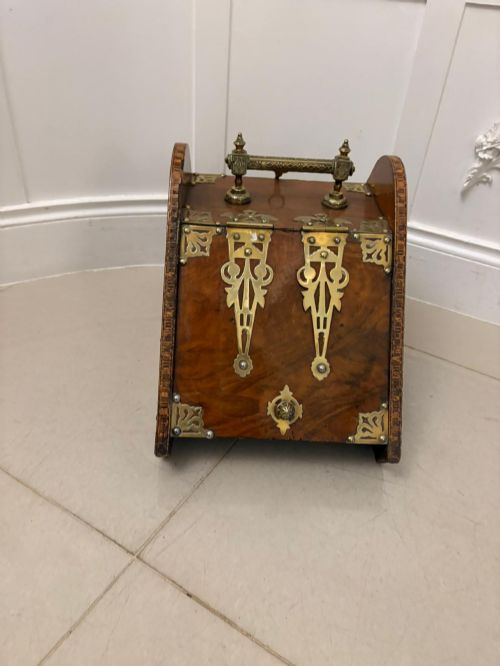
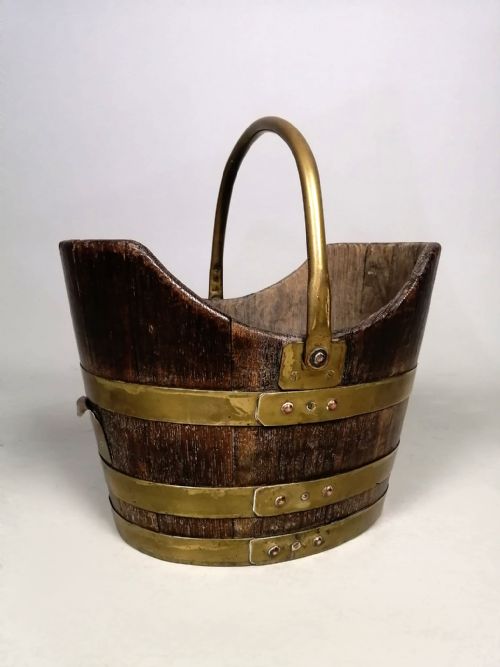
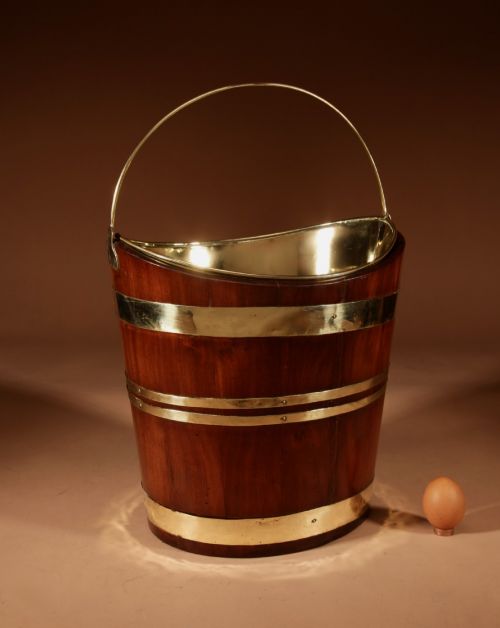
Earlier Georgian pieces showcase fine coopering and rich grain, including boat-shaped peat buckets and brass-banded buckets that reflect formal domestic interiors. Later nineteenth-century designs expand into architectural styles like Gothic Revival, alongside specialised cabinets and purdoniums equipped with matching shovels.
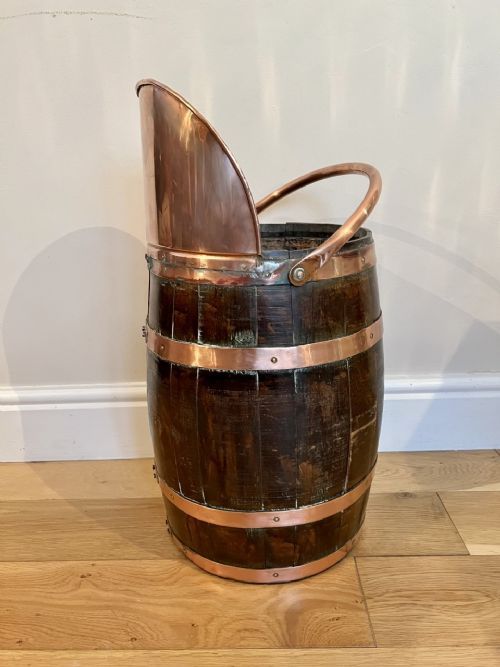
Scottish and English workshops produced these sturdy containers using traditional joinery, ranging from simple barrel-form bins to inlaid rosewood cabinets. Each variation demonstrates how utilitarian storage evolved into a decorative centrepiece for the nineteenth and early twentieth-century drawing room.
Materials and Technique
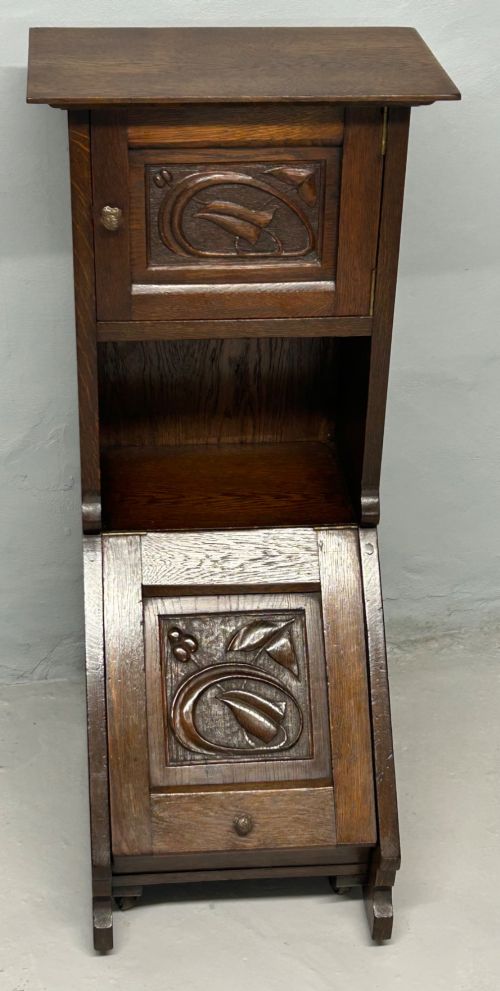
Cabinetmakers and coopers utilised dense hardwoods such as oak, mahogany, walnut, and rosewood to withstand the heavy weight of coal and peat. Coopered vessels feature tight stave construction bound by brass, copper, or iron bands, while box-form scuttles employ sturdy dovetail joinery and carved panels.
Metal components play a structural and decorative role, with brass swing handles, mounts, hinges, and internal tin or zinc liners added to manage daily wear. Finer items incorporate elaborate details including silver plating, marquetry inlay, and spindles to complement contemporary parlour aesthetics.
Antique Wooden Scuttle Retail Price Guide 2026
Typical asking prices for wooden scuttle among the pieces listed under this phrase on Sellingantiques today, from the lower quarter to the upper quarter. They describe what is for sale here now, not the wider market.
Several items double as biscuit boxes, proving that nineteenth-century Victorians were entirely comfortable storing dry snacks inside miniature coal scuttles.
Assessing the Pieces
The distinction between standard utility items and superior examples rests upon the choice of timber and the precision of the construction. Highly figured pollard oak, rich mahogany, and finely matched walnut veneers elevate a simple fuel bin into an accomplished piece of furniture.
Christopher Dresser
The Antique Wooden Scuttle Glossary
- Purdonium
- A specialised coal cabinet featuring a sloping drop-front door and an internal metal box designed to dispense fuel cleanly.
- Coopered
- Built from curved wooden staves assembled together like a barrel and secured with metal bands.
- Peat bucket
- A deep wooden vessel historically used in Scottish and Irish homes to store blocks of dried turf for the fire.
- Jardinière
- An ornamental pot or stand for plants, occasionally adapted from the same boat-shaped forms used for fireside fuel.
Antique Wooden Scuttle: Frequently Asked Questions
What is a purdonium?
A purdonium is an enclosed coal box fitted with a hinged front flap that tilts forward for easy access to the fuel. These cabinets typically house a removable metal liner to contain coal dust.
They became popular during the Victorian period as a more refined alternative to open buckets, often incorporating built-in compartments to store a matching shovel.
How do I care for the wood?
Maintain the timber by keeping the scuttle away from direct, intense heat sources that could dry out and split the grain over time. Occasional application of a suitable wax polish helps preserve the lustre of oak, mahogany, or walnut surfaces.
Ensure any internal metal liner is kept dry before placing fuel inside to prevent moisture from damaging the surrounding wood.
Were these always used for coal?
While primarily designed for coal, many earlier examples served as peat buckets or log bins depending on regional fuel sources. Scottish and country houses frequently utilised coopered oak buckets to hold dried peat blocks near the hearth.
Some boat-shaped vessels also doubled as tea stoves or indoor planters when not required for fireside duties.
How do I date a piece?
Dating relies on examining the timber species, construction techniques, and prevailing decorative styles of the period. Georgian items often display simple coopered lines with heavy brass banding, whereas Victorian and Edwardian examples introduce elaborate carvings, drop-front mechanisms, and inlaid veneers.
The presence of original hardware, dovetailing methods, and internal liners also provides clear clues to the decade of manufacture.