
Antique Wooden Paneling
Antique wooden paneling brings centuries of architectural grain and carved relief directly into rooms through oak panels, settles, and screens.
Antique Wooden Paneling
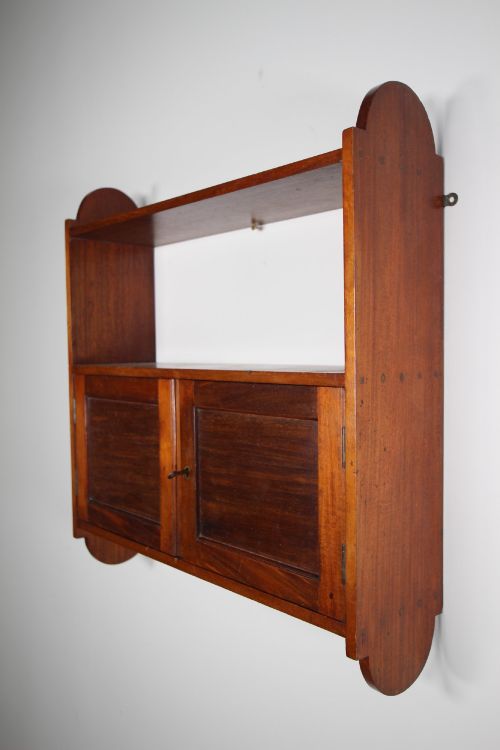
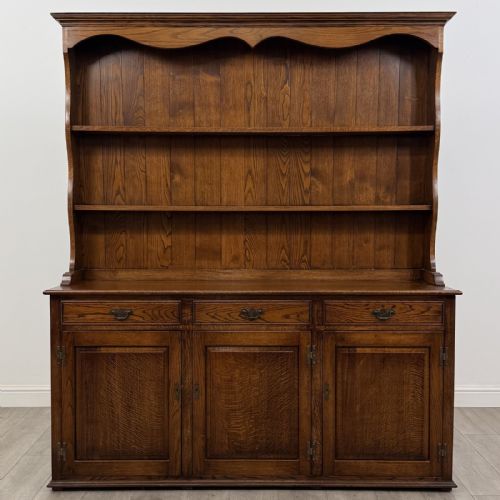
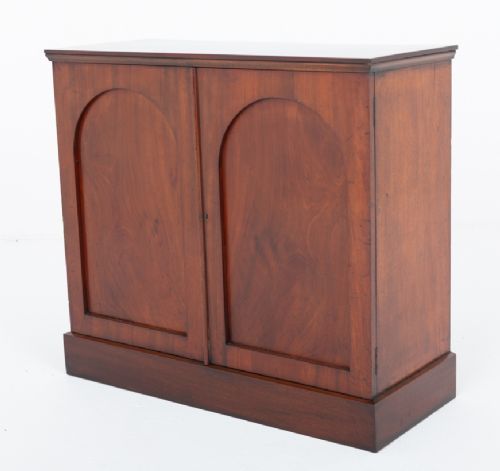
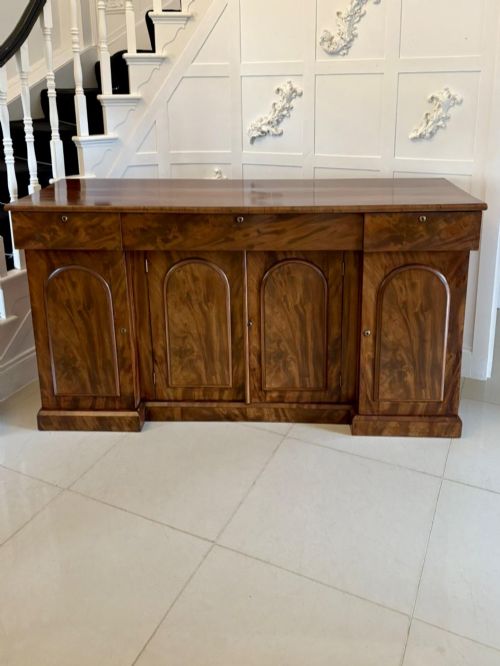
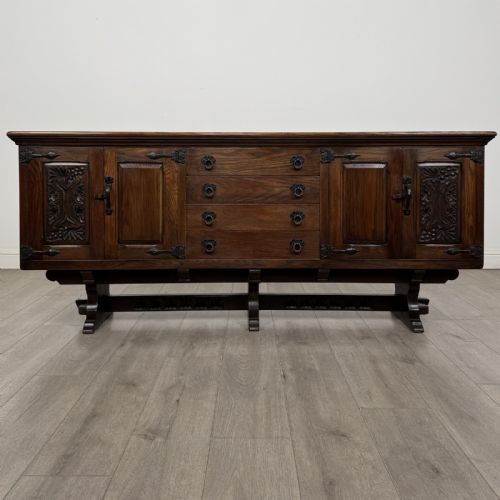
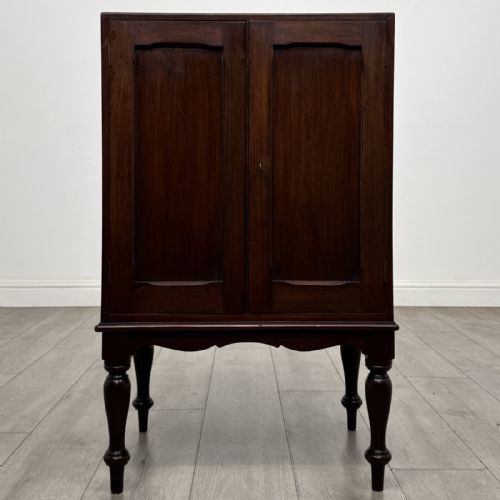
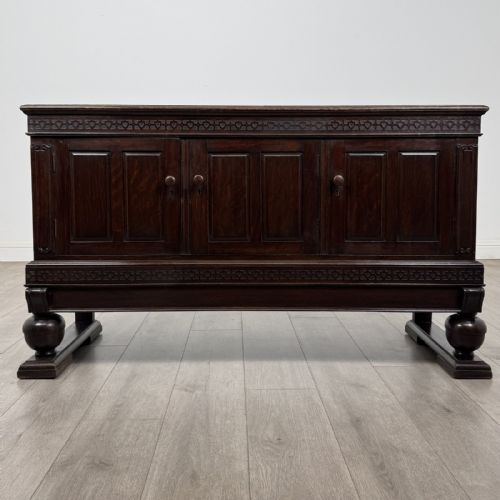
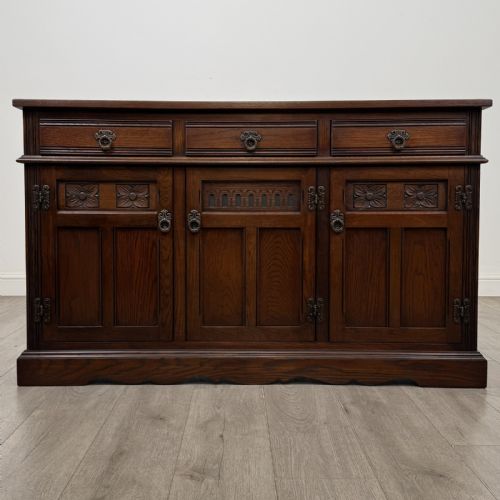
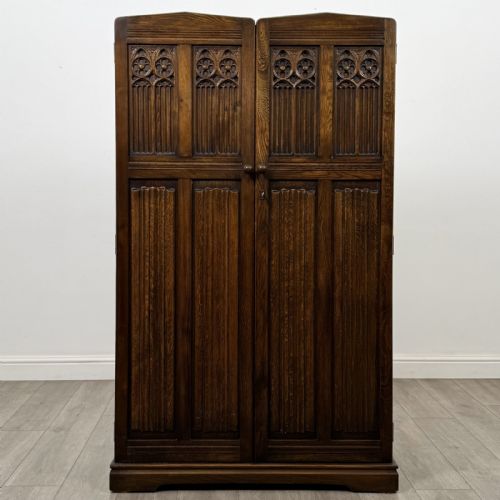
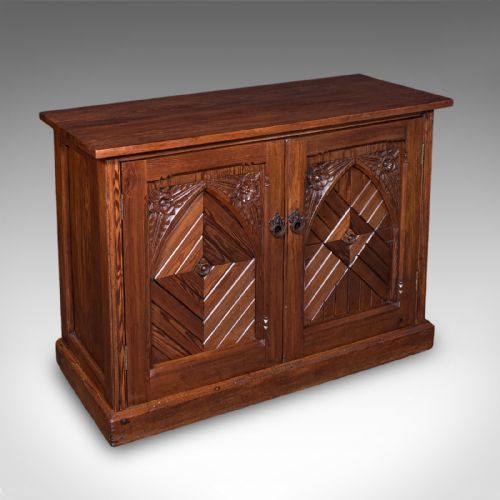
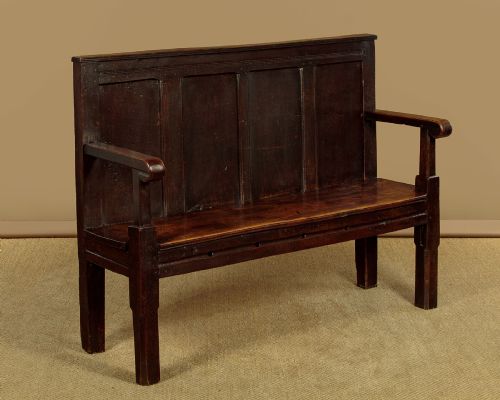
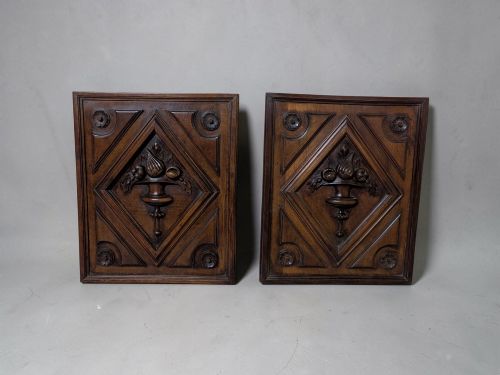
When searching for antique wooden paneling, buyers encounter architectural elements, carved wall panels, and joined furniture pieces that incorporate structural timber sections. The selection on this page centres heavily on oak and mahogany panels, architectural fragments, and related storage forms like coffers and settles spanning the seventeenth century through to the Edwardian period.
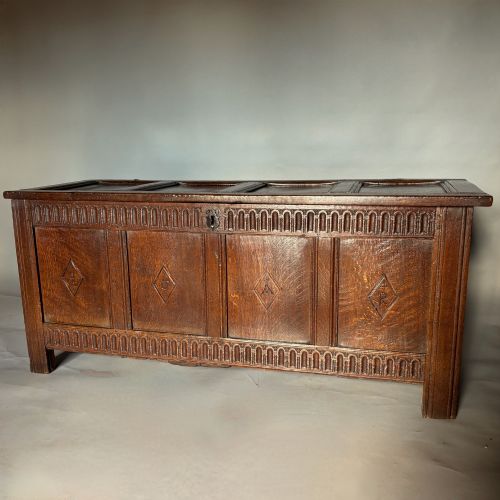
The majority of these pieces originate from British and European workshops, utilising dense native hardwoods shaped by historical joinery methods. Pieces range from single decorative wall panels and folding screens to fitted cupboards and seventeenth-century joined coffers featuring panelled construction.
Construction and materials
Makers relied primarily on solid oak, walnut, and mahogany, supplemented by brass or iron hardware and structural pine linings. Timbers were typically quarter-sawn to reveal rich medullary rays in the oak, then joined using traditional mortise and tenon joints secured with wooden pegs.
Surface decoration relies on hand-carved relief work, including Gothic tracery, linenfold motifs, and geometric pillar panels. Joiners shaped edges with hand planes and applied oil or wax finishes to nourish the timber grain.
The listings span six distinct centuries, with seventeenth-century joined oak and 1920s revival pieces appearing alongside Georgian and Victorian iterations.
Judging quality in panelwork
Quality rests in the crispness of the hand-carving and the stability of the timber selection. Superior pieces display deep, undercut relief work and tight joints that accommodate natural wood movement without splitting.
The integrity of the surface finish and the preservation of original boards determine the standing of an item. Finer examples retain their structural honesty, unblemished by heavy modern alterations or unsympathetic timber replacements.
The Antique Wooden Paneling Glossary
- Cofer
- A large wooden chest used for storage, constructed with framed panels and often featuring carved decoration on the front. These sturdy pieces served multiple household functions over centuries.
- Tracer
- Architectural ornament consisting of intersecting ribs or openwork patterns, commonly found on Gothic revival panels and screens. This stonework-inspired design translated directly into timber joinery.
- Joined construction
- A method of building furniture using pegged mortise and tenon joints rather than nails or screws. This technique allows timber to expand and contract naturally with humidity changes.
- Linenfold
- A style of wood carving representing folded linen, popular on sixteenth and seventeenth-century panels. The design creates the illusion of fabric draped across a rigid wooden surface.
- Medullary ray
- The visible radial cellular tissue in quarter-sawn oak that creates a distinctive silver-flake figure. High-end pieces frequently showcase this natural grain pattern.
Antique Wooden Paneling: Frequently Asked Questions
How do I install antique panels on a wall?
Antique panels require secure mounting battens fixed directly to the wall studs to support the weight of the timber. Traditional fixing methods avoid drilling directly through the decorative carved surfaces wherever possible.
Professional joiners usually build a concealed wooden framework behind the panels to allow for air circulation and seasonal timber movement.
Can I use these panels in a modern room?
These architectural timbers integrate well into contemporary spaces by providing tactile warmth and historical contrast against plain plastered walls. Single panels look effective mounted as wall art or incorporated into modern cabinetry.
Freestanding panelled screens also offer a practical way to divide open-plan rooms without undertaking permanent construction work.
How should I clean antique oak panels?
Dust the timber regularly with a soft, dry lint-free cloth along the direction of the grain to prevent dirt build-up in carved recesses. Avoid modern silicone-based sprays that leave chemical residues on antique wood surfaces.
Apply a microcrystalline wax sparingly once or twice a year to nourish the dry timber and maintain a soft protective sheen.
How do I tell seventeenth-century oak from later revival pieces?
Seventeenth-century items exhibit hand-tool marks, uneven board thicknesses, and pegged joints formed with hand-split trunnels. The timber shows deep oxidation and natural patination accumulated over hundreds of years of handling.
Revival pieces made during the nineteenth or twentieth centuries often display mechanical saw marks and more uniform machine-planed dimensions beneath the applied surface ageing.