
Antique Wooden Music Holder
An antique wooden music holder provides a designated space for scores and periodicals, blending practical sorting with period cabinet-making.
Antique Wooden Music Holder
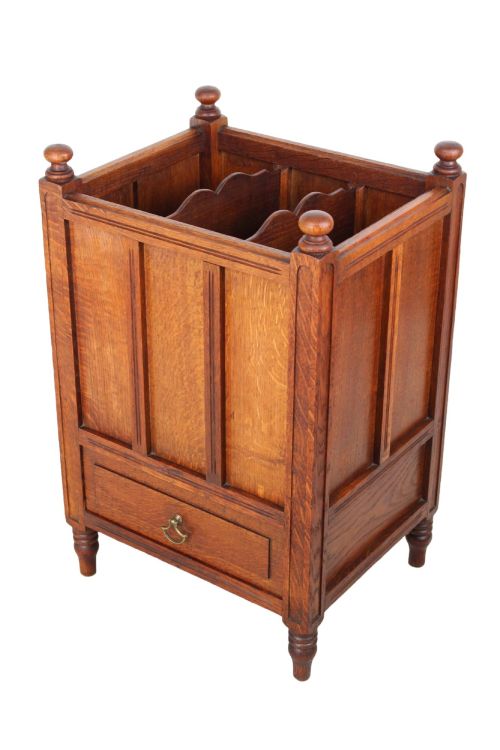
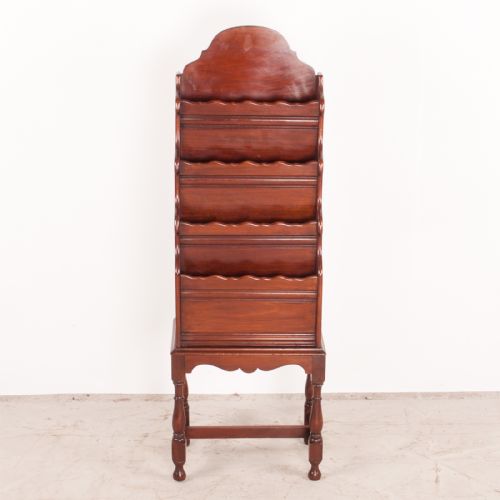
When you search for an antique wooden music holder, you encounter diverse forms designed to store sheet music, folios and periodicals in domestic rooms. The selection on this page centres on canterburys, music stands, duet stands, and magazine racks spanning the Georgian, Regency, Victorian, and Edwardian eras.
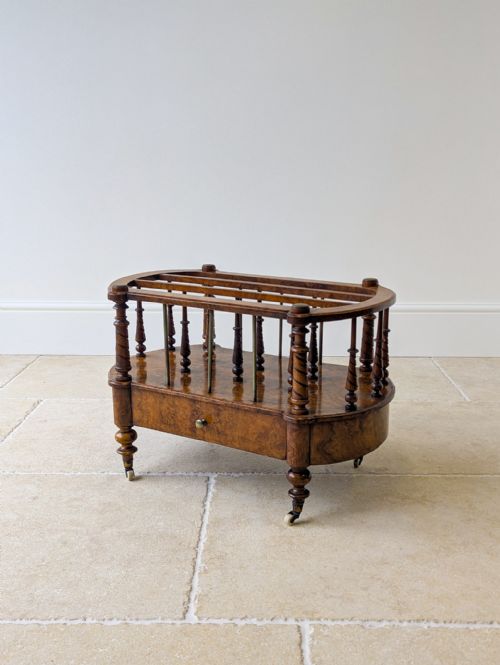
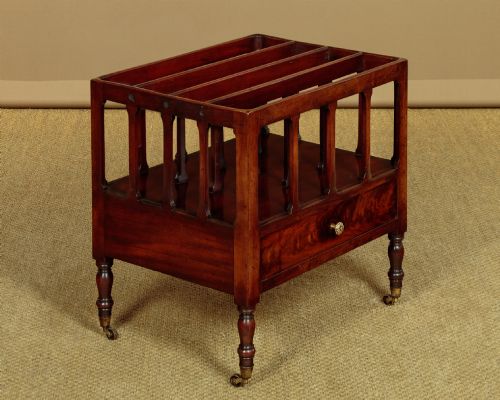
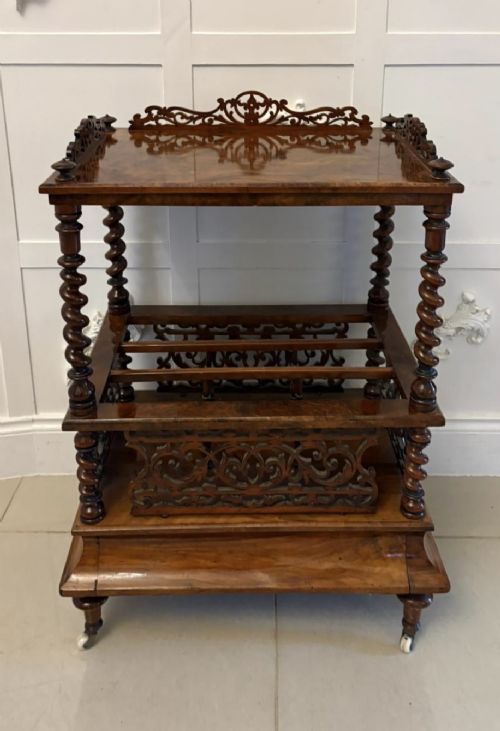
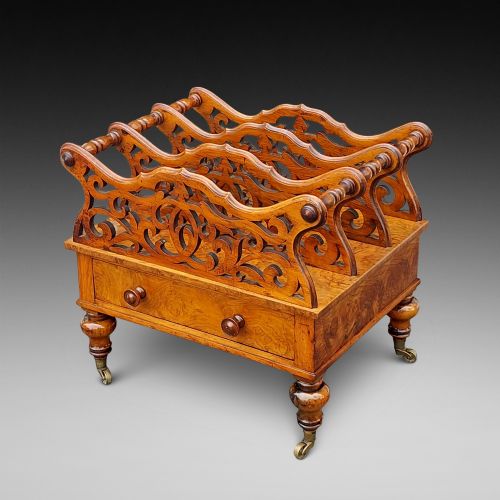
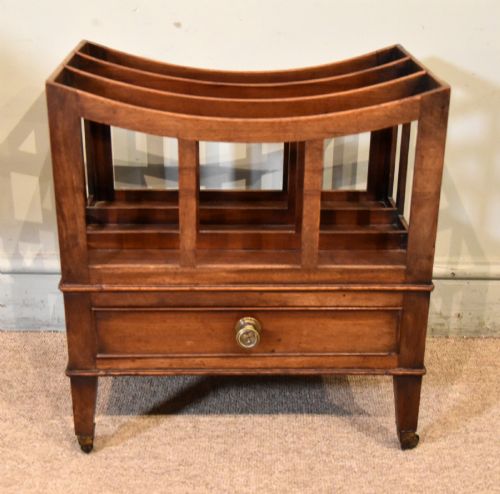
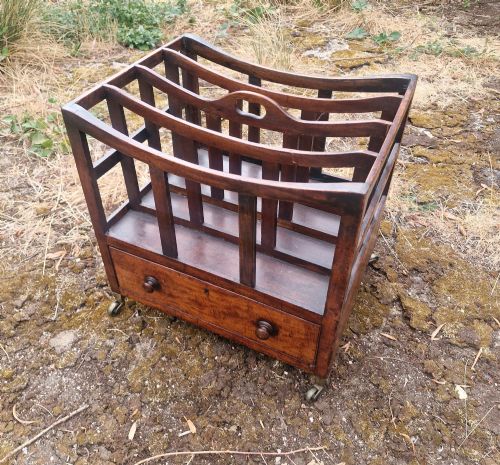
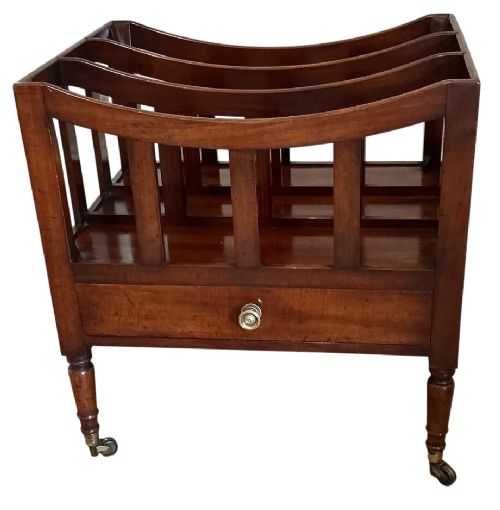
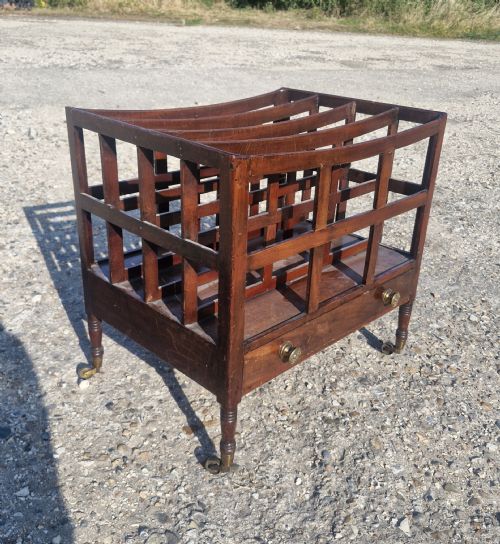
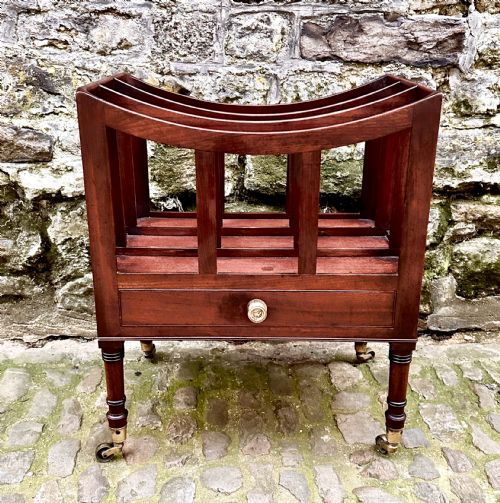
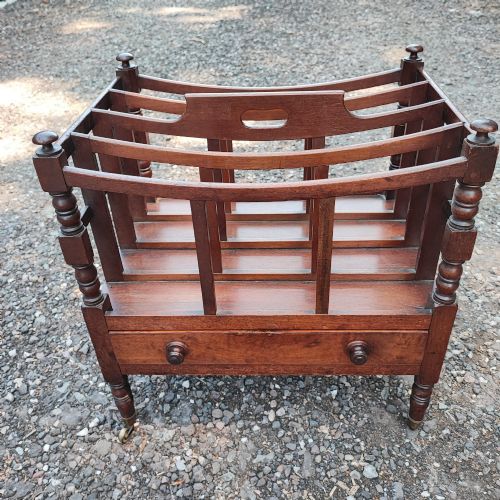
Canterburys represent the most frequent version of an antique wooden music holder, typically featuring slatted dividers above a low drawer and supported on castors. These compartmentalised pieces sit beside pianos or in sitting rooms to keep folios upright and accessible.
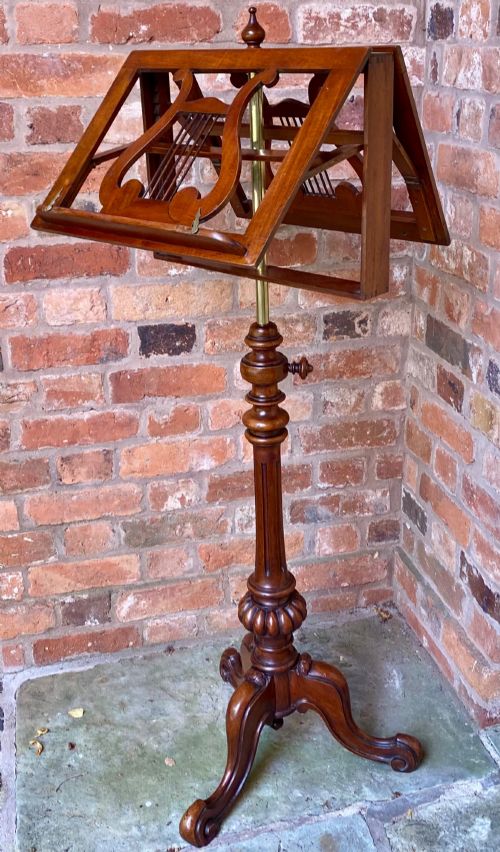
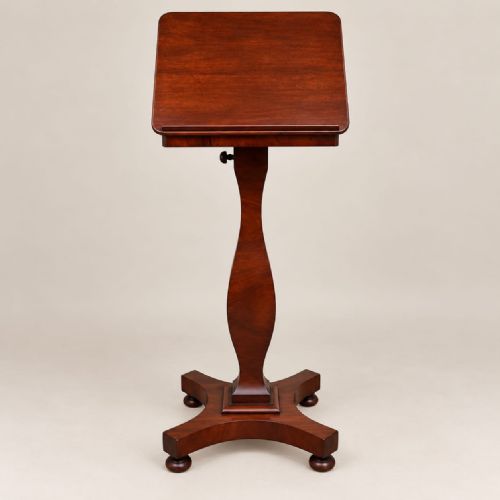
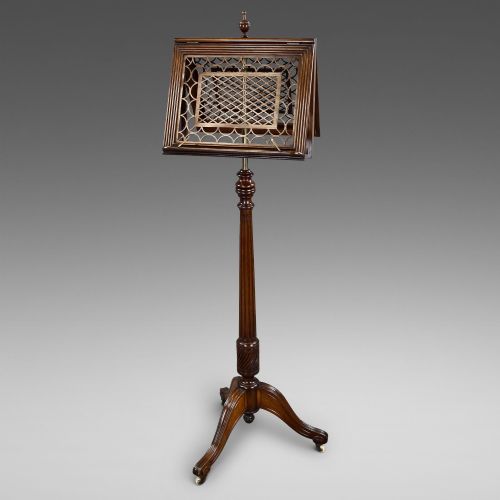
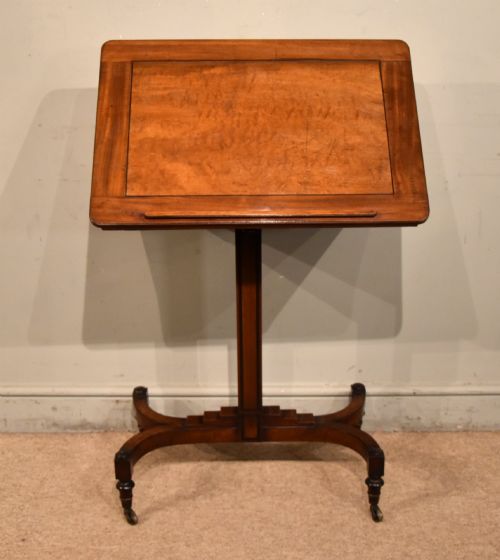
Music and reading stands offer another prominent form of an antique wooden music holder, often incorporating adjustable lecterns and tripod or pedestal bases. Cabinet versions provide enclosed storage with panelled doors and fitted interior drawers for sheet music.
Materials and construction
Cabinet-makers constructed these pieces primarily in mahogany, walnut, burr walnut, rosewood, and oak, occasionally utilising exotic timbers such as gonçalo alves. Selected grain patterns on burr walnut and figured mahogany surfaces added visual depth to the furniture.
Makers integrated brass castors, hinges, and adjustable reading brackets to enhance mobility and function. Carved details, turned legs, fretwork, and inlaid motifs distinguished the styles from the Georgian period through to the Edwardian era.
Early music stands accommodated impromptu evening duets by expanding to hold two scores at once.
Quality differences
The standard of timber selection and figuring marks the distinction between ordinary utility items and superior examples. Dense, well-figured mahogany or richly patterned burr walnut veneers demonstrate a higher grade of craftsmanship.
The refinement of joinery, from cleanly pierced fretted partitions to smoothly operating adjustable mechanisms and finely turned supports, elevates the status of the piece.
The Antique Wooden Music Holder Glossary
- Canterbury
- A low stand with vertical partitions designed for holding sheet music, folios, or newspapers, often incorporating a drawer beneath. Originating in the late eighteenth century, it became a staple of Victorian drawing rooms.
- Duet stand
- A music stand featuring a wider desk or dual ledges to accommodate two musicians reading shared notation simultaneously. These often include adjustable height mechanisms.
- Lectern
- A slanted reading stand designed to hold books or large sheets at an ergonomic angle for a standing reader. They frequently appear on pedestal or tripod bases.
- Gonçalo alves
- A dense tropical hardwood known for its striking contrasting grain, utilised in select nineteenth-century furniture. It provides remarkable durability and a distinctive patterned finish.
- Fretwork
- Openwork ornamentation carved or pierced through thin wood panels to create decorative patterns. This technique appears on the dividers and galleries of finer stands.
Antique Wooden Music Holder: Frequently Asked Questions
What is a canterbury used for?
A canterbury serves as a compartmentalised rack for organising sheet music, folios, and periodicals near a piano or seating area. The vertical slats keep bound scores upright while the lower drawer holds smaller accessories.
Historically, these pieces kept domestic music rooms tidy and allowed performers quick access to their scores during gatherings.
How do I date an antique music stand?
Dating relies on examining the timber species, secondary woods, hardware, and prevailing stylistic details such as Regency curves or Victorian carving. Comparing leg turnings, castors, and joinery methods helps narrow the decade of manufacture.
Makers adopted distinct aesthetic vocabularies across the Georgian, Victorian, and Edwardian periods which remain visible in the construction.
Are music stands adjustable?
Many period music and reading stands incorporate mechanical ratchets, screws, or sliding brass fittings to alter the height and angle of the desk. These functional elements allowed musicians to play comfortably while seated or standing.
Working adjustments indicate the intended versatility of the stand for diverse domestic tasks.
Where should I place a music holder?
These pieces suit placement beside pianos, reading chairs, or within libraries where printed media and scores gather. Their compact footprints allow them to function as occasional tables or display surfaces while keeping storage accessible.
Keeping them away from direct heat sources protects the polished wood and veneer surfaces from drying out.