


Antique Wooden Mask Carvings
Antique wooden mask carvings bring expressive craft and ritual history into a room, spanning tribal traditions, European folklore and architectural salvage.
Antique Wooden Mask Carvings
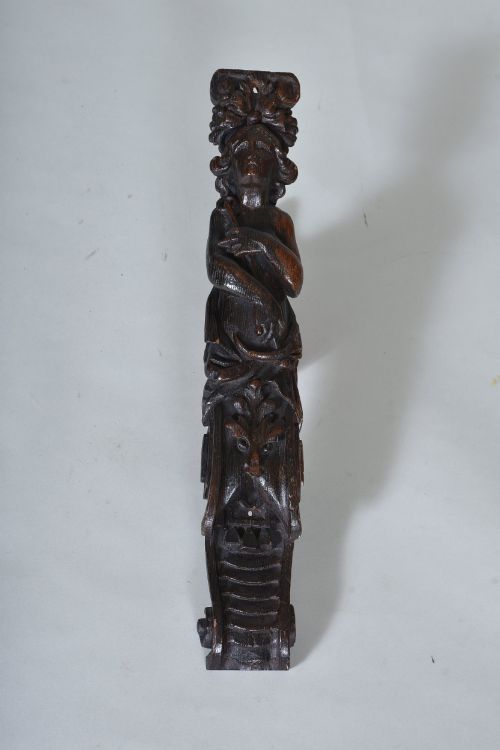
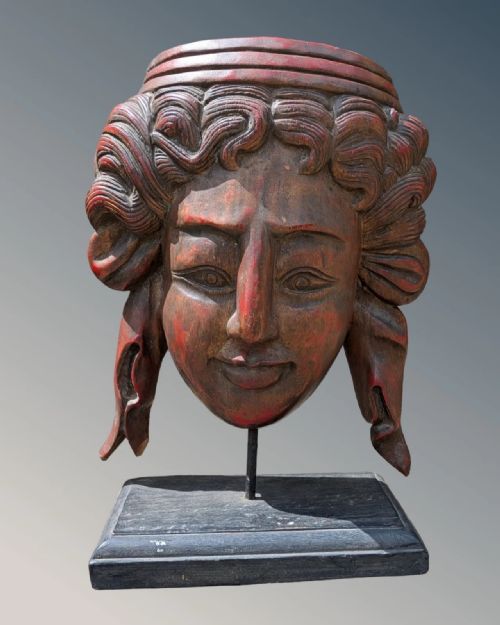
The pieces on this page lean heavily toward nineteenth-century works alongside seventeenth-century oak carvings and early twentieth-century ritual objects. You will encounter specific cultural artefacts such as Gouro Zamble masks from the Ivory Coast, Ligbi warthog masks, and Theyyam dancers headdresses from Kerala.
Forms vary significantly, encompassing human countenances, fierce lion and tiger heads, and ritual skull representations like the Tibetan Citipati. Whether sourced from West Africa, Japan, or continental Europe, each item serves primarily as wall art or a striking sculptural focal point.
How they were made
Surface treatment often involved applying paint, polychrome pigments, and giltwood highlights, particularly on Asian ritual pieces and European decorative panels. Some items incorporate natural fibre elements alongside the carved wood to complete traditional headdresses and masks.
Materials span carved wood, paint, walnut, oak, dark oak, metal, and natural fibre across various global traditions.
What varies in quality
Surface integrity and the preservation of original paint or rich patination on the timber define the upper tier of examples. Authenticity of tribal wear or architectural context adds significant depth to the piece's historical standing.
The Antique Wooden Mask Carvings Glossary
- Corbel
- A structural piece of stone or wood projecting from a wall to carry a weight, often carved into figurative or animal shapes.
- Polychrome
- The practice of decorating architectural elements, sculpture, or pottery in a variety of bright colours.
- Giltwood
- Wood that has been covered with a thin layer of gold leaf or gold paint to give a metallic sheen.
- Relief
- A sculptural technique where the sculpted elements remain attached to a solid background of the same material.
Antique Wooden Mask Carvings: Frequently Asked Questions
Are these tribal masks authentic?
Authenticity in tribal art depends on traditional forms, cultural attribution, and evidence of genuine use or ceremonial origin. Pieces from specific groups like the Gouro or Songye reflect established indigenous iconography.
Examine the carving style, wood ageing, and wear patterns to understand the historical context of the particular mask.
How do I clean carved wood?
Dust carved wooden mask carvings gently with a soft, dry brush to reach into deep recesses without damaging the surface. Avoid using liquid cleaners, polishes, or wet cloths that might harm fragile paint, giltwood, or aged patination.
Keeping the pieces away from direct sunlight and sudden humidity changes preserves the natural timber and applied pigments.
What is Black Forest carving?
Black Forest carving refers to highly detailed wooden sculptures and wall plaques, often featuring fierce animals such as lions and tigers, produced in the nineteenth century. These items typically showcase dark walnut timber and deep, realistic relief work.
Originating in Central Europe, this style focuses heavily on nature and dramatic fauna representation.
How do I date an old carving?
Dating relies on examining tool marks, timber shrinkage, style, and the natural oxidation or patination of the wood over centuries. Seventeenth-century oak panels display distinct hand-tool signatures compared to nineteenth-century walnut pieces.
Comparing construction methods and known regional motifs helps narrow down the period of manufacture.