


Antique Wooden Madonna Figure
An antique wooden madonna figure is a carved devotional representation of the Virgin Mary, sought after for its spiritual depth and historic craftsmanship.
Antique Wooden Madonna Figure
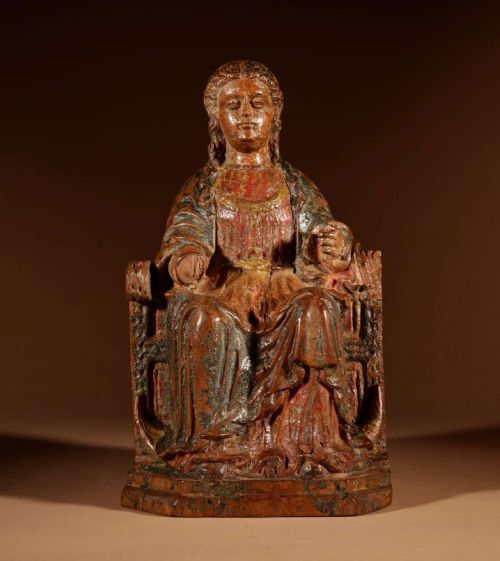
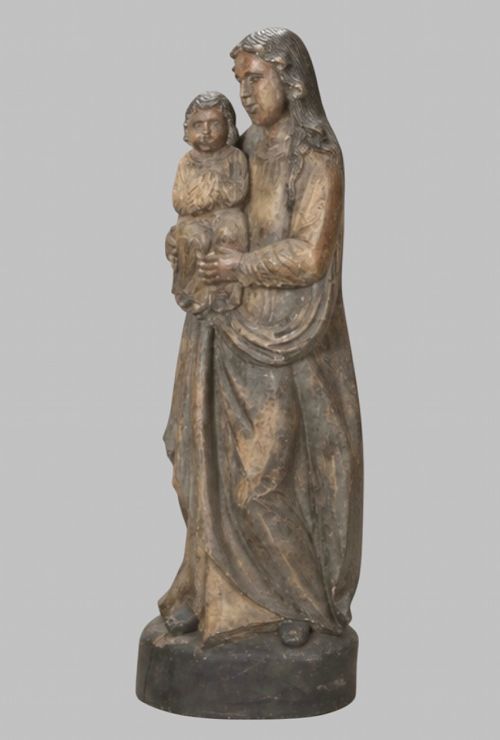
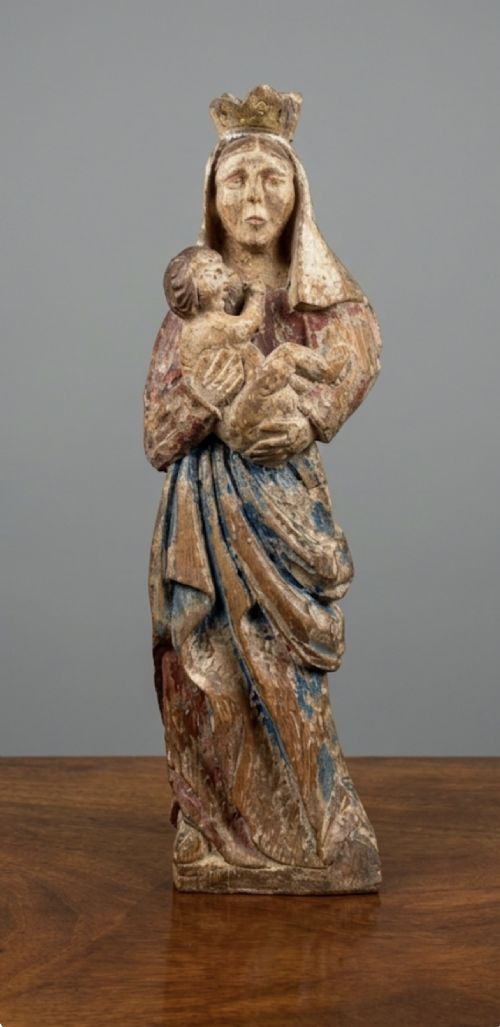
When you search for an antique wooden madonna figure, you encounter carved devotional sculptures depicting the Virgin Mary, frequently shown with the Christ child. These pieces take the form of freestanding statues, seated throne figures, wall sculptures and expressive pietas.
The selections span multiple centuries, ranging from pre-sixteenth century Gothic carvings through Renaissance, Baroque and eighteenth-century European examples, down to nineteenth-century interpretations and folk art models.
Oak and walnut appear alongside applewood and general hardwood, presenting varying postures from formal crowned queens to tender maternal groupings and sorrowful representations.
Materials and construction methods
Carvers utilised dense timbers such as oak, walnut, applewood and hardwood, shaping them with hand chisels to create three-dimensional religious sculptures and wall reliefs.
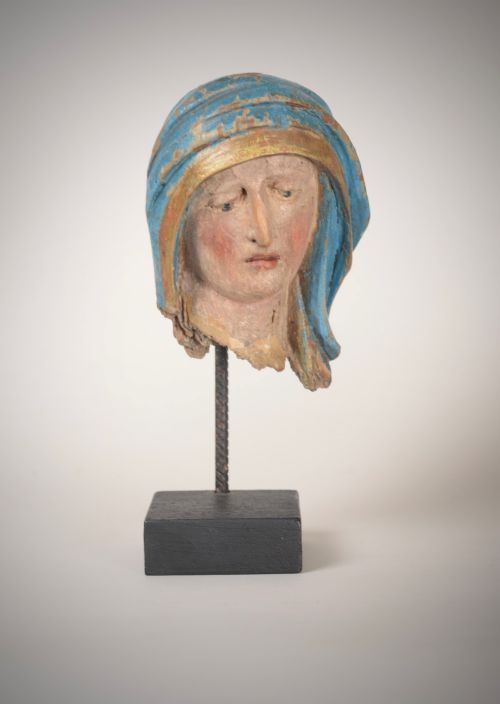
Many surfaces received layers of gesso, paint, polychrome finishes or gold leaf to enhance the visual impact of the garments and flesh.
Fragmentary survivals and complete statues alike demonstrate traditional joinery and carving techniques handed down through centuries of European and colonial workshops.
Several figures retain faint whispers of medieval paint beneath centuries of dust, reminding us they once watched over flickering chapel candles.
Distinctions in quality and execution
The level of sculptural refinement in facial expressions, drapery folds and anatomical proportions separates standard regional work from master carvers.
The preservation of original surface treatments, including traces of early polychrome paint, gesso and gilding, alters the desirability and integrity of a piece.
Age and historical depth influence the character of the carving, with medieval and early sixteenth-century examples carrying distinct theological weight compared to later nineteenth-century revivals.
The Antique Wooden Madonna Figure Glossary
- Polychrome
- Decoration applied in several colours on sculpted wood surfaces. This technique gave religious figures a lifelike appearance.
- Gesso
- A plaster mixture applied to wood as a smooth base for paint or gold leaf. It protected the timber and held fine detail.
- Pieta
- A subject depicting the Virgin Mary holding the dead Christ. It focuses on grief and maternal sorrow.
- Santos
- A carved figure of a saint or divine personage used in domestic or church devotion. These figures often originated in Spanish colonial contexts.
- Giltwood
- Wood that has been coated with thin gold leaf. This finish added luminosity to devotional church sculpture.
Antique Wooden Madonna Figure: Frequently Asked Questions
How old is my madonna figure?
Dating relies on stylistic clues, tool marks and the choice of timber. Earlier pieces often display Gothic or Renaissance drapery, while later versions adopt nineteenth-century revival or folk art characteristics.
Examining the wood preparation and any remaining gesso or polychrome layers helps confirm the historical period.
Where were these figures placed?
Original locations included church altars, monastic chapels and domestic shrines for private prayer. Wall sculptures hung in specific devotional spaces within religious buildings.
Smaller figures travelled for processional use or served travellers in portable altars.
How should I care for wooden sculptures?
Keep wooden sculptures away from direct heat sources and dramatic humidity fluctuations. Stable environmental conditions prevent the timber from splitting and protect fragile gesso.
Dust gently with a soft dry brush and avoid applying liquid polishes to historic surfaces.
What is a santos figure?
A santos figure is a carved devotional statue representing a holy person, commonly found in Spanish colonial traditions. These statues played a central role in private and public religious rituals.
They often feature articulated limbs or specialised stands for traditional vestments.