

Antique Wooden Kitchen Seats
These antique wooden kitchen seats bring domestic history to daily life, offering sturdy utility shaped by generations of rural use.
Antique Wooden Kitchen Seats
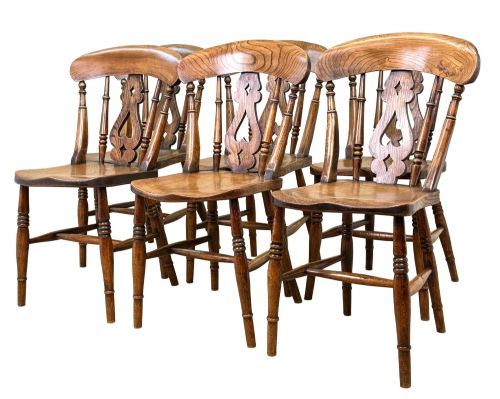
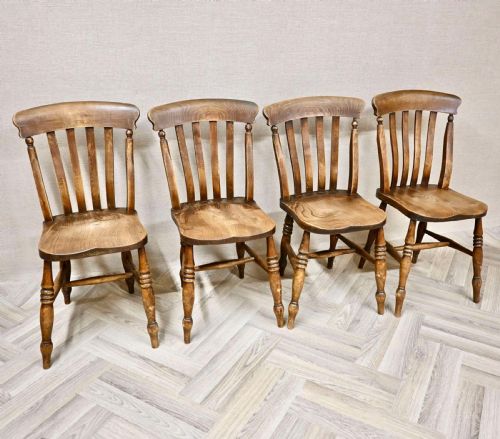
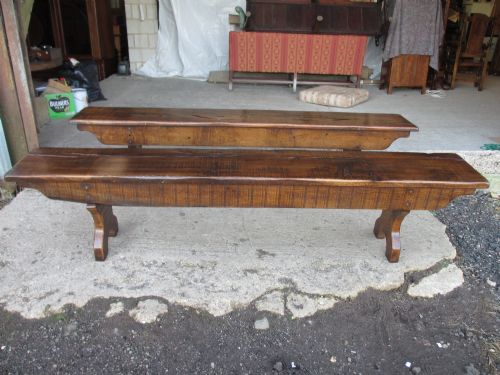
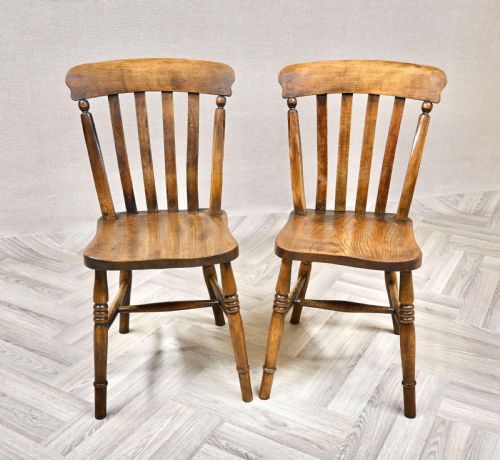
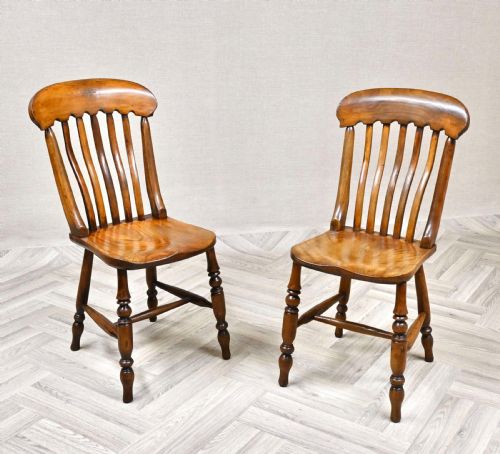
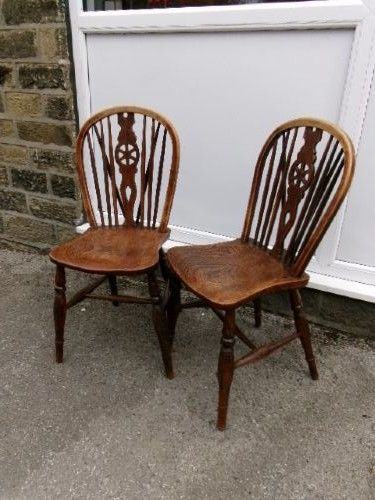
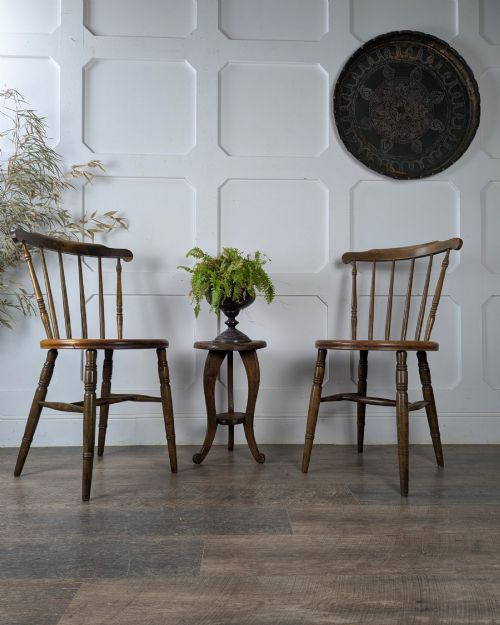
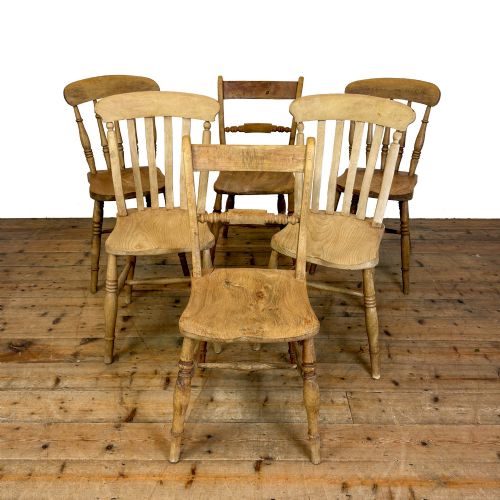
When you search for antique wooden kitchen seats, you encounter functional forms designed for practical spaces, most frequently appearing as nineteenth-century Windsor chairs, ladder backs, and sturdy benches.
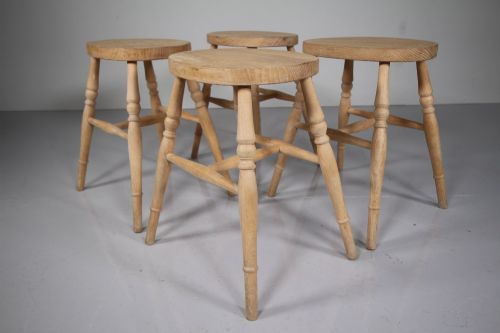
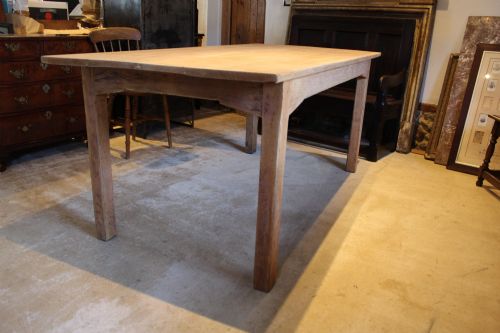
The selections span dining chairs, armchairs, high stools, and refectory tables originating from periods including Victorian, Edwardian, and the early twentieth century.
Makers utilised local timbers to supply homes, public houses, and farmhouses with robust seating suited to heavy daily service.
Materials and construction
Craftsmen combined flexible timbers like ash and beech for spindles and bent parts with dense woods such as elm for shaped seats.
Joinery relied on traditional methods including turned legs fitted directly into thick timber seats and steam-bent hoops forming sturdy backrests.
Surfaces often display traces of original paint, waxed finishes, or scrubbed pine and oak developed through decades of cleaning and use.
Current listings feature seating constructed from elm, beech, oak, ash, pine, and cherry wood across Victorian and Edwardian periods.
Factors of quality
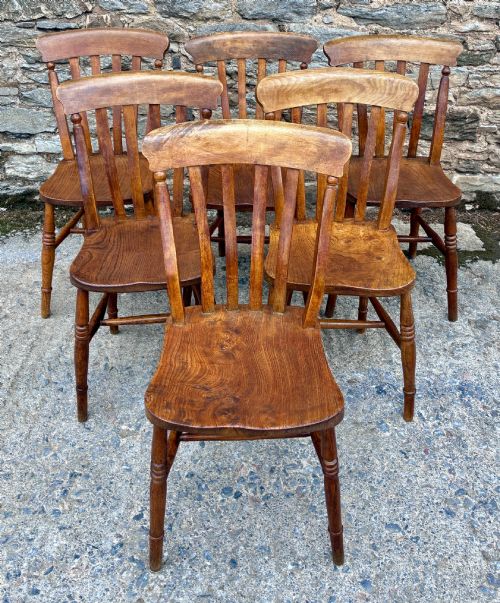
Superior examples demonstrate careful selection of timber grain, particularly in deeply sculpted elm seats and well-matched sets of Windsor or ladder back chairs.
Structural integrity depends on the tightness of traditional joints and minimal replacement of turned spindles, legs, or stretchers over time.
Worksop
The Antique Wooden Kitchen Seats Glossary
- Windsor chair
- A wooden chair built with a heavy solid seat into which the legs and back spindles are separately inserted. This construction provides exceptional strength while maintaining a light profile.
- Ladder back
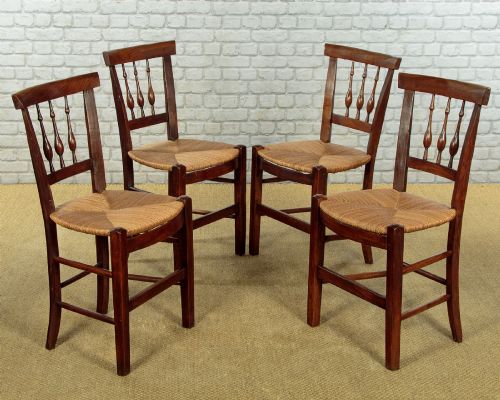
- A chair featuring horizontal slats between the rear upright posts. These traditional seats frequently incorporate rush or woven cord insertions.
- Refectory table
- A long dining table traditionally utilised in communal halls and farmhouses. They provide substantial surface area supported by heavy trestle or turned legs.
- Lathe back
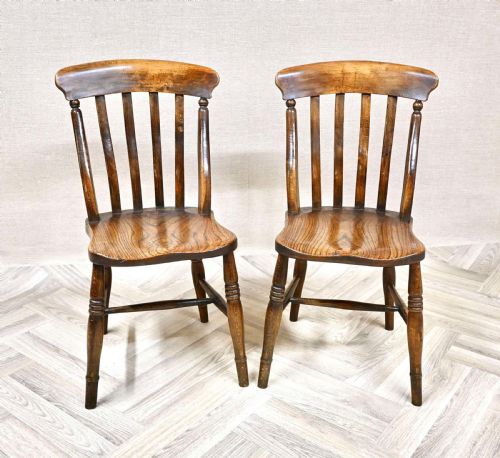
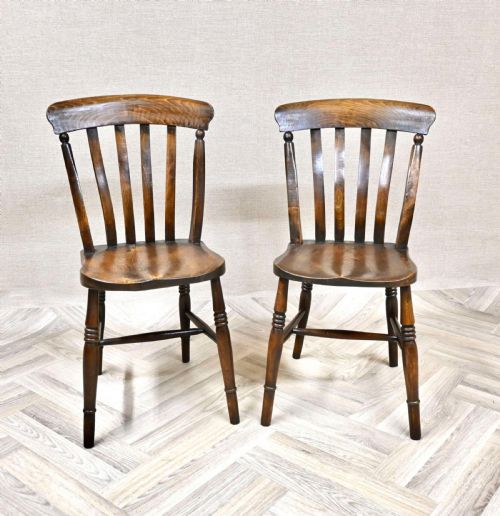
- A regional chair variant incorporating flat wooden slats in the backrest rather than turned cylindrical spindles. The slats are typically shaped for comfort.
- Harlequin set
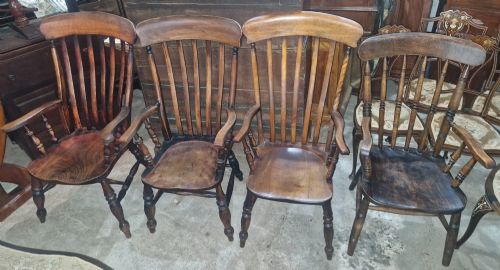
- A collection of dining chairs that match in general style and period but display subtle variations in turning, height, or timber tone.
Antique Wooden Kitchen Seats: Frequently Asked Questions
How do I care for antique wooden seats?
Maintain timber surfaces by applying a traditional beeswax polish sparingly to nourish the wood without building up heavy residue. Keep seating away from direct heat sources and dramatic humidity shifts to prevent timber splitting.
Check leg joints periodically to ensure dry household air has not caused wooden wedges or rungs to loosen.
Can I mix different styles of kitchen chairs?
Harlequin sets demonstrate that historical domestic spaces frequently combined chairs of similar periods and materials rather than strict matching suites. Mixing Windsor forms with ladder backs adds authentic character to farmhouse dining spaces.
Ensure seat heights remain reasonably uniform when grouping disparate chairs around a central table.
What woods were commonly used for kitchen seating?
Elm served as the primary choice for solid saddle seats because its interlocking grain resisted splitting under heavy use. Ash and beech provided reliable strength for turned legs, spindles, and steam-bent back bows.
Oak and pine appeared frequently in regional benches, tables, and ladder back frames.
How do I identify a nineteenth-century Windsor chair?
Examine the underside of the seat to observe the wedged tenons where leg tops penetrate completely through the elm plank. Traditional nineteenth-century examples display hand-turned components with minor individual irregularities.
Look for pegged joints and signs of deep wear patterns on the seat surface.