





Antique Wooden Jar
An antique wooden jar brings functional warmth to a room, offering tactile grain and centuries of craftsmanship.
Antique Wooden Jar
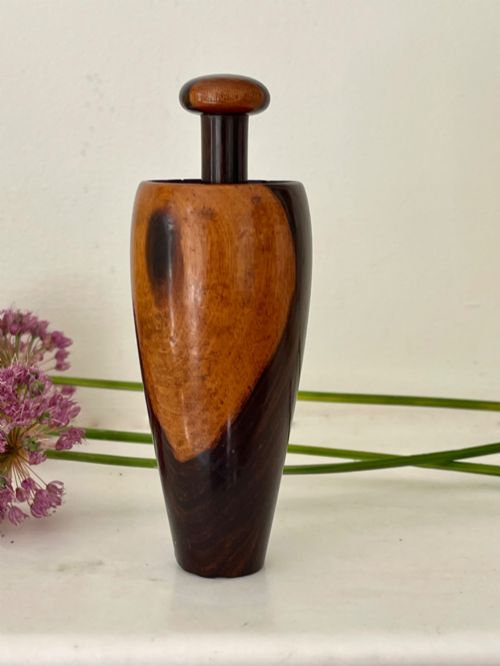
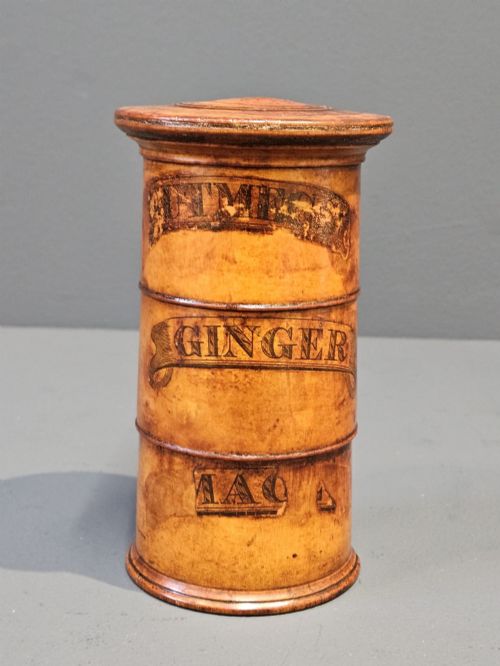
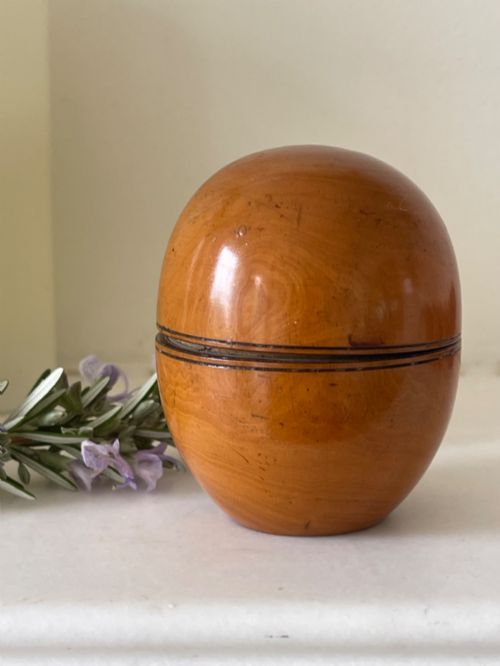
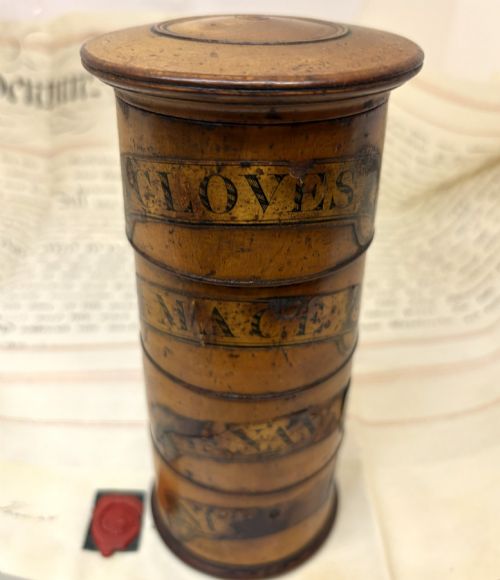
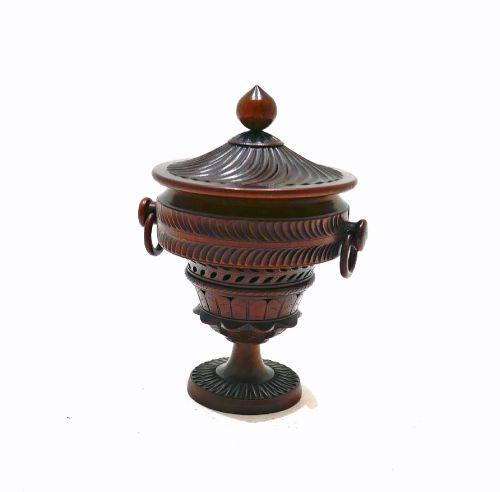
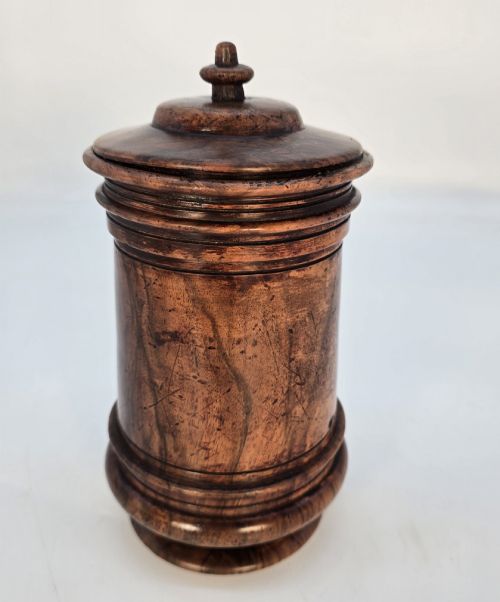
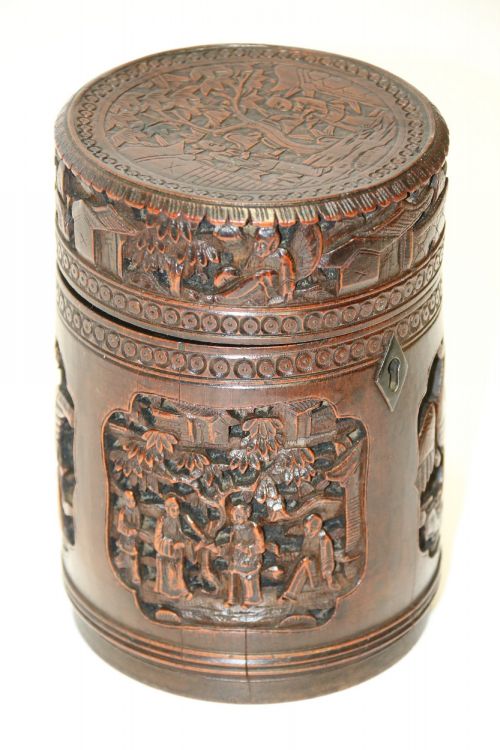
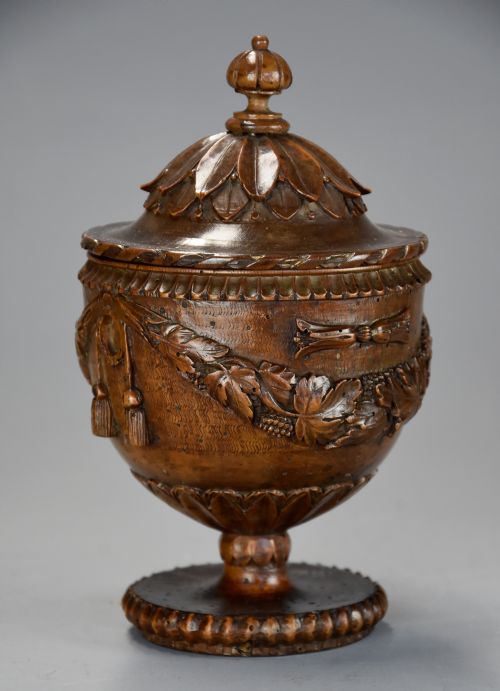
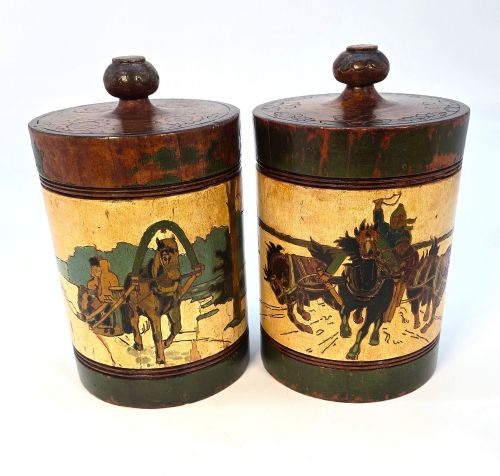
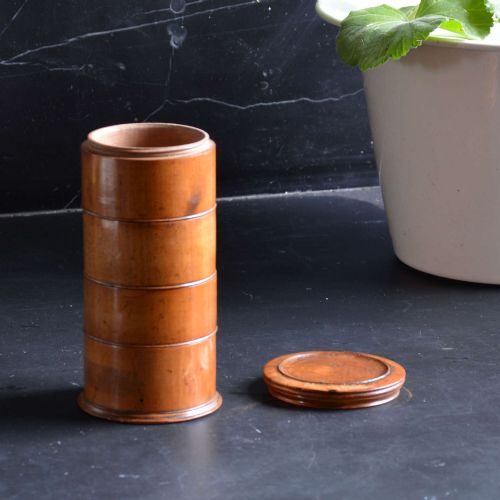
When you search for an antique wooden jar, you encounter turned vessels, lidded containers, and carved tobacco holders originating from the eighteenth, nineteenth, and early twentieth centuries. These pieces encompass utilitarian treen forms such as spice towers, lidded cups, and apothecary containers alongside more decorative figural carvings from European and Asian traditions.
The domestic interior of the Victorian and Georgian periods relied on these turned wooden containers for storing spices, tobacco, and personal items. Walnut, oak, fruitwood, and boxwood predominate among the surviving examples, often showing simple lathe turnings or elaborate hand-carved details.
Buyers meet varied iterations on this page, ranging from small treen pomanders and mortar vessels to larger coopered barrels and Black Forest bear humidor jars. Each piece reflects the practical requirements of past households combined with local woodworking traditions.
How They Were Made
Turned items rely on the lathe to shape dense hardwoods like boxwood, walnut, and sycamore into symmetrical bodies with fitted lids. Craftsmen utilised hand chisels to create stepped profiles on spice towers and smooth curves on lidded jars.
Carved pieces such as Black Forest animal tobacco containers involve detailed hand chisel work on linden wood and other native timbers to form sculptural figures. Coopered examples utilise curved staves bound with brass or metal bands to construct barrel-shaped vessels.
Antique Wooden Jar Retail Price Guide 2026
Typical asking prices for wooden jar among the pieces listed under this phrase on Sellingantiques today, from the lower quarter to the upper quarter. They describe what is for sale here now, not the wider market.
Listing records show spice towers and tobacco containers spanning Georgian through Edwardian periods.
What Varies in Quality
The definition and depth of the hand carving separate mass-produced items from masterworks, particularly in figural and foliate pieces. Crisp details on carved fur or turned mouldings indicate superior skill and better preservation.
The choice of timber and the integrity of the grain influence the character of each vessel. Dense, highly figured timbers like burr walnut or well-matched fruitwood elevate the visual presence of the container.
The Antique Wooden Jar Glossary
- Coopered
- Built from curved wooden staves held together by metal or brass bands. This technique creates barrel-shaped vessels.
- Pomander
- A small container designed to hold aromatic substances or spices. These lidded vessels often feature multi-tiered turning.
- Humidor
- A specialised box or jar designed to keep tobacco moist. Examples include carved wooden animal figures with lidded compartments.
Antique Wooden Jar: Frequently Asked Questions
What were antique wooden jars used for?
These vessels served everyday storage functions in past households, holding dry goods, spices, or tobacco leaves.
Craftsmen shaped them to protect contents from moisture while keeping frequently used items close at hand on desks or tables.
How do I care for wooden containers?
Keep wooden jars away from direct heat sources and dramatic humidity fluctuations to prevent the timber from splitting.
Occasional application of suitable wax helps maintain the natural lustre of the grain without building up heavy residues.
How can I tell the period of a wooden jar?
Examination of tool marks, timber choice, and fastening methods helps determine the approximate age of the piece.
Georgian and Victorian turnery techniques differ noticeably from later twentieth-century production methods and machine shaping.
Are these jars watertight?
Most antique wooden vessels were designed for dry storage and lack modern waterproof sealants or liners.
Using them for fresh cut flowers or liquids can damage the historic timber and the traditional interior finishes.