


Antique Wooden Icon
An antique wooden icon is a sacred carved or painted panel that brings centuries of devotional history and craftsmanship directly into a modern room.
Antique Wooden Icon
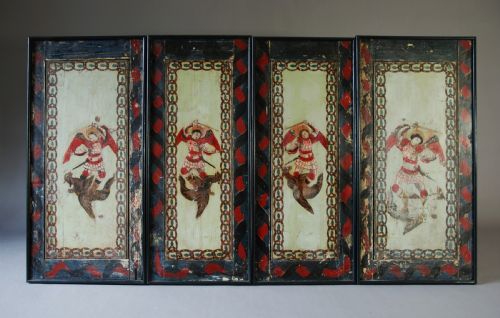
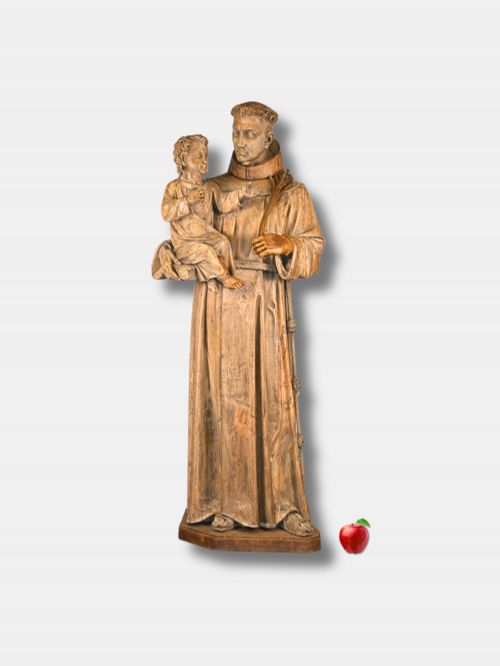
When you search for an antique wooden icon, you encounter a diverse array of sacred art spanning multiple centuries and geographic regions. The selection ranges from traditional Russian Orthodox painted panels to carved Western European statues and folk art home altars.
The pieces most frequently met on this page date from the eighteenth and nineteenth centuries, often taking the form of panel paintings or carved wooden saints. These works served as focal points for domestic prayer and communal worship in domestic or ecclesiastical settings.
Regional variations are distinct, moving between Spanish Baroque figures, French devotional carvings, and Russian Orthodox panels mounted on wood. Each type reflects the specific liturgical traditions and aesthetic preferences of its place of origin.
Materials and construction methods
The primary foundation of these works is solid timber, with pine, oak, applewood, and general carved wood providing the structural base for panels and statues. Artisans frequently applied a layer of gesso over the wood to prepare a smooth surface for subsequent decoration.
Surface ornamentation relies heavily on tempera paint, oil, and polychrome pigments, often augmented with applied gold leaf or silver elements. Master craftspeople combined carving with hand painting to create detailed depictions of religious figures, saints, and narrative scenes.
Materials recorded across the selection include brass, gold leaf, and various hard and soft woods.
Assessing quality in religious woodwork
Quality rests primarily in the precision of the carving and the preservation of the original painted or gilded surface. Finer examples display confident chisel work and subtle facial expressions on figures, whereas simpler pieces lean towards folk art naivety.
The integrity of the original gesso and tempera layers heavily influences desirability, as later repainting alters the historical authenticity of the piece. Depth of detail in the metal accents, such as silver or gilt overlays, further distinguishes standard production from exceptional artistry.
Volga Masters
The Antique Wooden Icon Glossary
- Icon
- A religious work of art, most commonly painted on a wooden panel, depicting Christ, saints, or biblical events. These items are central to Orthodox Christian prayer and devotion.
- Gesso
- A white paint mixture consisting of a binder mixed with chalk, gypsum, or pigment. It was applied to wooden panels to create a smooth, absorbent base for gilding and tempera painting.
- Tempera
- A permanent, fast-drying painting medium consisting of coloured pigments mixed with a water-soluble binder medium, such as egg yolk. It was widely used for centuries before the dominance of oil paint.
- Polychrome
- The practice of decorating architectural elements, sculpture, or pottery in a variety of colours. In religious carvings, it refers to the application of multiple paint colours to render lifelike figures.
- Corpus Christi
- Latin for the body of Christ, specifically referring to the sculpture of Jesus on the cross. These wooden figures highlight anatomical detail and emotional expression from periods such as the Spanish Baroque.
Antique Wooden Icon: Frequently Asked Questions
How were antique wooden icons used?
These sacred objects were placed in home red corners, family altars, or churches to facilitate daily prayer and contemplation. Believers lit candles and incense before them, viewing the panels as windows to the divine.
Over generations, they became cherished family heirlooms passed down through households, sustaining spiritual traditions across different regions from Russia to Spain.
How do I identify the age of a wooden icon?
Dating relies on examining the preparation layers, wood shrinkage, pigment types, and stylistic conventions associated with specific centuries. Eighteenth and nineteenth-century examples often exhibit distinct brushwork and panel construction methods.
Comparing the carving technique and tool marks against documented historical pieces helps narrow down the period of creation.
Are these pieces suitable for everyday display?
These wooden artworks integrate well into modern interiors when placed away from direct sunlight and excessive moisture. Stable indoor humidity protects the delicate gesso and tempera layers from cracking or flaking.
Wall mounting or secure shelf placement ensures the sculptures and panels remain safe while adding historical depth to a room.
What is the difference between an icon and a santos figure?
Icons are typically flat or low-relief wooden panels featuring painted or gilded religious imagery, strongly rooted in Eastern Orthodox traditions. Santos figures are three-dimensional carved wooden statues of saints, originating predominantly from Catholic cultures in Spain, France, and Latin America.
Both serve devotional functions but represent divergent artistic traditions in material form and geographic spread.