

Antique Wooden Elbow Seat
An antique wooden elbow seat brings solid timber and traditional joinery to a room, offering sturdy arms and a comfortable rest.
Antique Wooden Elbow Seat
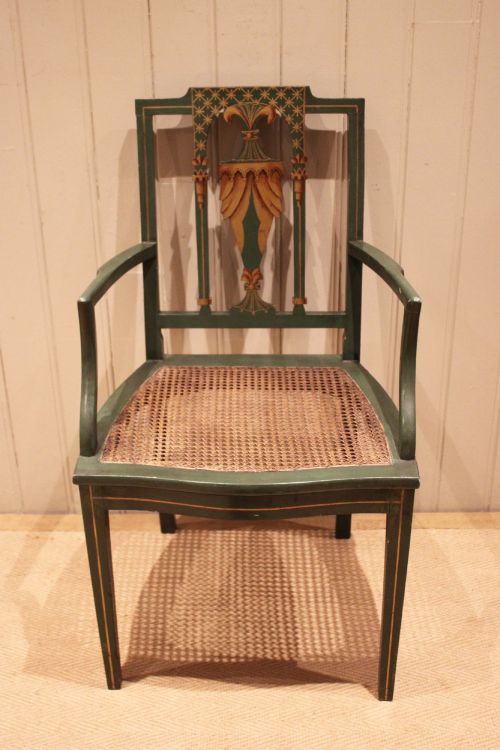
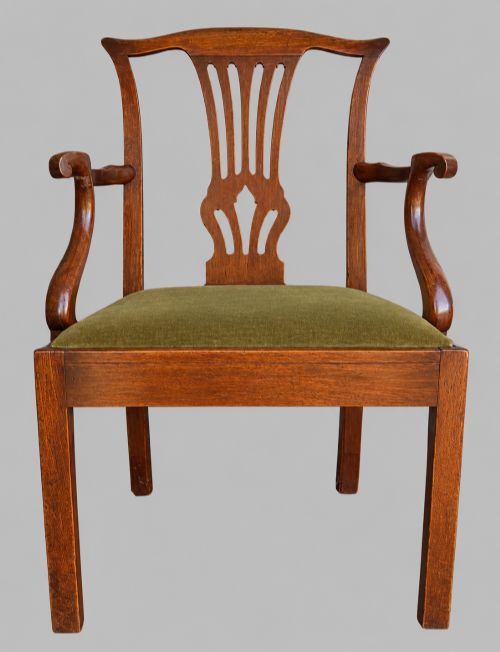
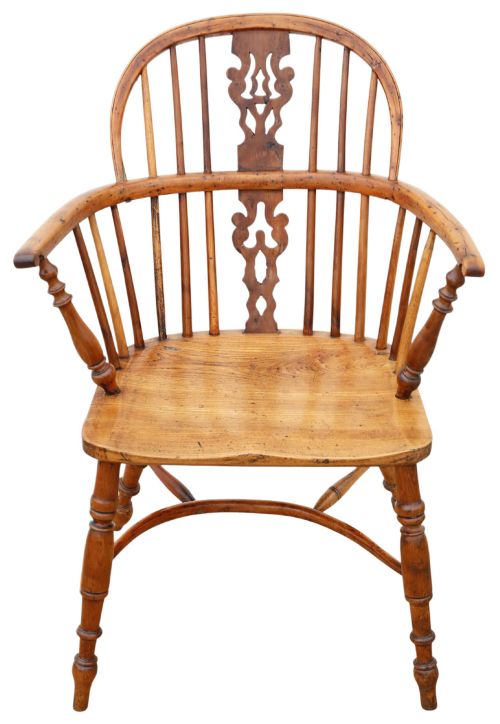
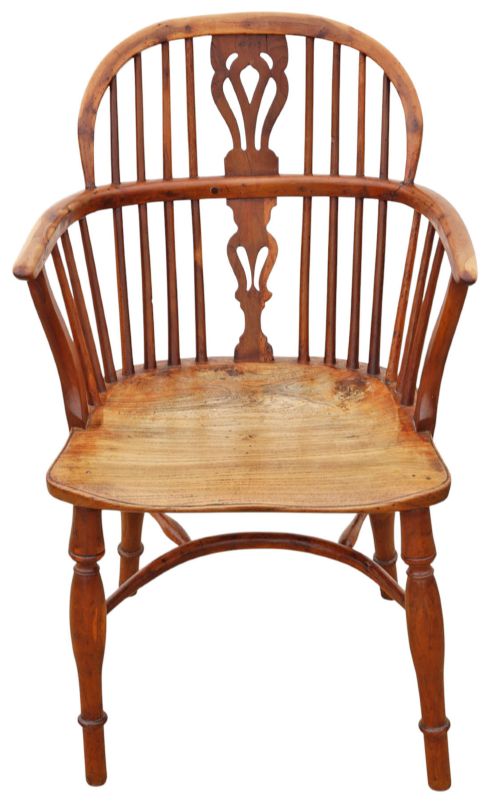
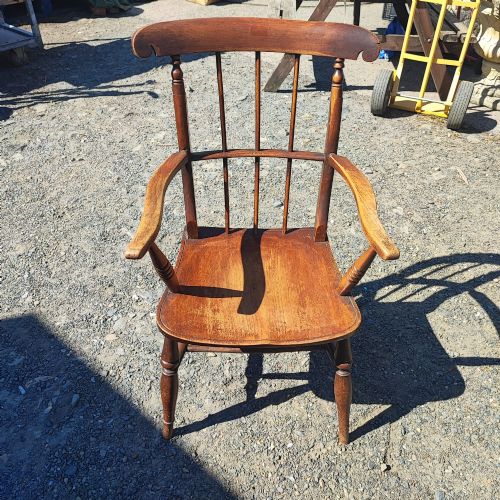
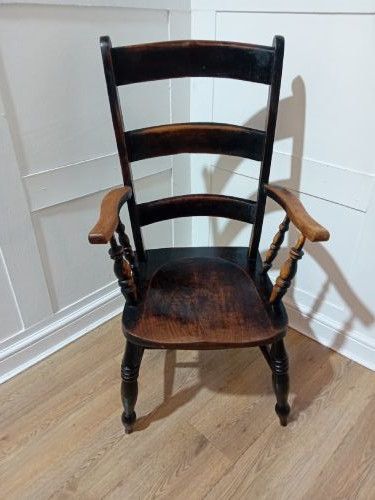
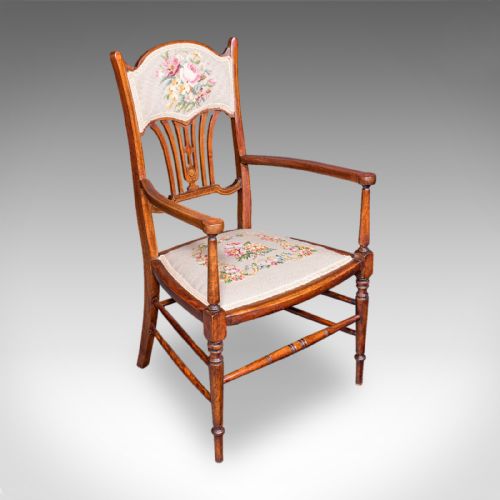
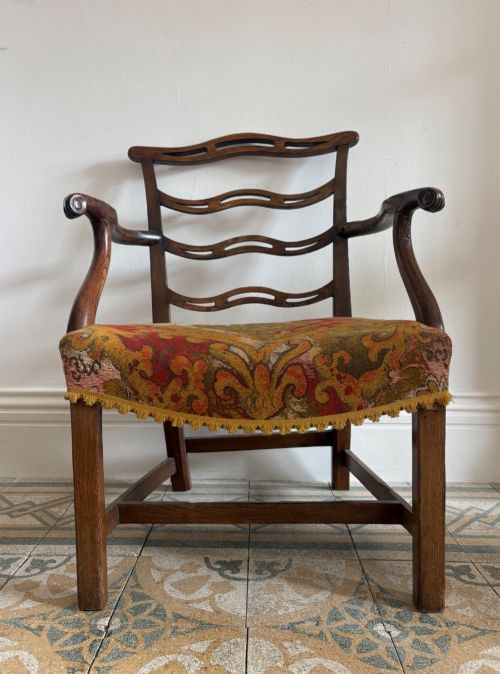
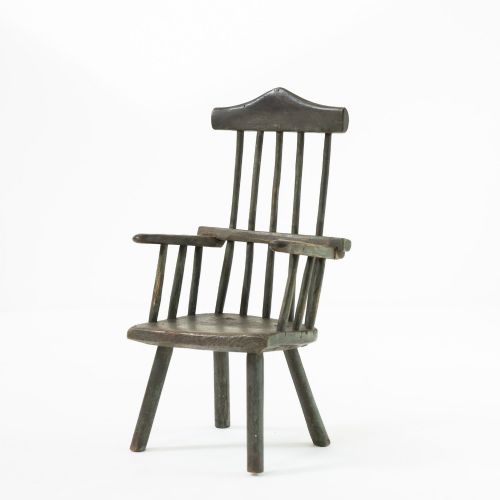
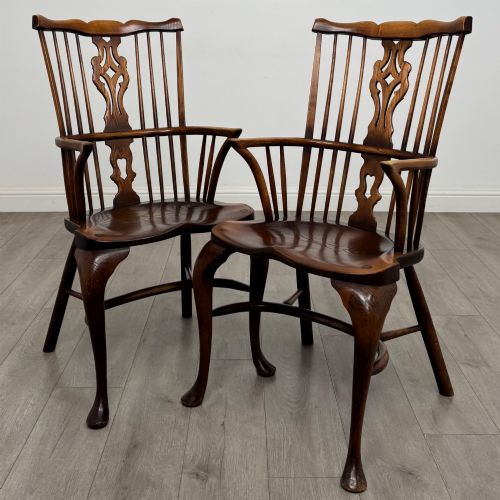
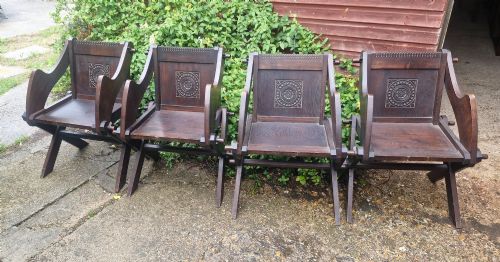
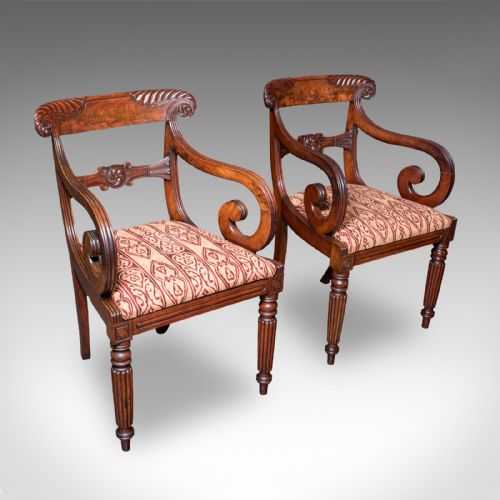
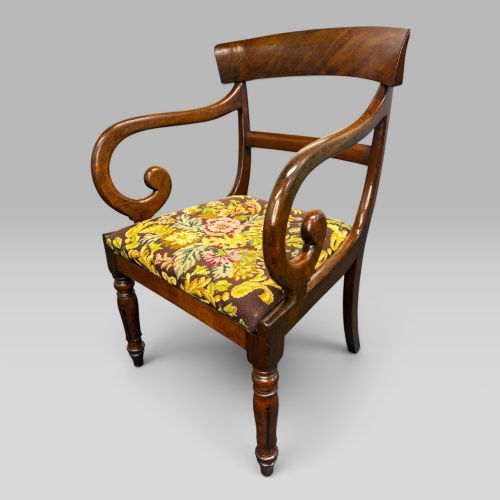
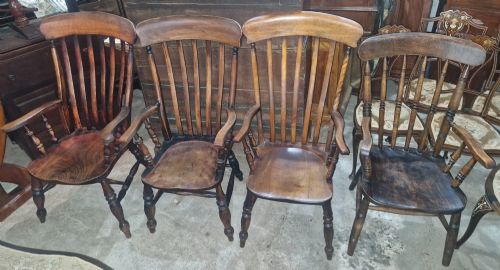
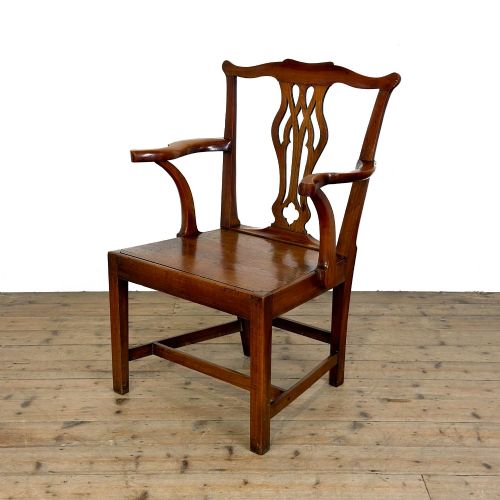
An antique wooden elbow seat encompasses various forms of armchairs, windsor chairs, and carver seats designed with supportive armrests. When exploring an antique wooden elbow seat, buyers encounter vernacular country pieces, formal mahogany library chairs, and spindle-backed farmhouse seats originating from the eighteenth, nineteenth, and early twentieth centuries.
The selection ranges from robust yew and elm Windsor armchairs to elegant mahogany Chippendale style designs and rush-seated Arts and Crafts models. English country vernacular pieces and Victorian farmhouse seating feature strongly among the available inventory.
Makers utilised native timbers to construct robust seating suited for everyday domestic use, morning rooms, and country houses. These items provide both functional utility and historical character to modern interiors.
Materials and construction methods
Craftsmen built these chairs using a combination of native hardwoods such as elm for solid seats, ash for bent spindles, and yew for striking grain patterns and strength. Mahogany and oak appear in more formal dining and library chairs.
Joinery methods relied heavily on traditional turned components, wedged tenons, and steam-bent wooden elements to create rigid frameworks that survive centuries of use. Rush, cane, and fabric upholstery provide the seating bases across different regional styles.
Some sturdy farmhouse chairs still bear the distinctive indentations of generations who sat to smoke their pipes.
Factors of quality and origin
Quality rests upon the selection of timber, the integrity of the original joints, and the retention of surface finishes such as patinated polish or old paint. Chairs exhibiting crisp turning on the spindles and minimal timber replacement command greater interest.
Regional variations in provincial workshops and the skill required to shape bentwood elements distinguish simple utility pieces from master-carved or well-proportioned examples.
Morris & Co·E W Godwin
The Antique Wooden Elbow Seat Glossary
- Windsor chair
- A chair built with a solid wooden seat into which the back legs and spindle back are bored directly. These comfortable seats often incorporate bentwood arm bows.
- Smoker's bow
- A low-backed Windsor elbow chair featuring a continuous curved arm rail supported by turned spindles, popular in nineteenth-century settings.
- Carver
- A traditional term for an armchair that matches a set of smaller dining chairs, typically positioned at the head of a table.
- Vernacular
- An architectural and furniture-making term describing objects built by regional craftsmen using local traditions rather than formal academic design patterns.
- Rush seating
- Woven seats made from dried marsh plants twisted around a wooden frame, common in country and Arts and Crafts furniture.
Antique Wooden Elbow Seat: Frequently Asked Questions
What is an antique wooden elbow seat?
An antique wooden elbow seat is a general term covering historical armchairs, carvers, and Windsor chairs featuring built-in armrests. These pieces span various stylistic periods from the eighteenth century onwards.
They serve as functional seating or decorative items in studies, living rooms, and hallways, constructed primarily from native timbers like elm, ash, and mahogany.
How do I identify a Windsor armchair?
A Windsor armchair is characterised by a heavy solid wooden seat that acts as the central anchor for the legs and back assembly. The back typically consists of turned spindles socketed directly into the seat.
Many examples feature a bentwood bow forming the arms and upper back rail, offering distinct regional variations from the Thames Valley or Welsh workshops.
Where were these chairs used historically?
These elbow seats found placement throughout the home, from farmhouse kitchens and country cottages to formal Georgian dining rooms and Victorian morning rooms. Sturdier models suited heavy daily tasks.
Lighter mahogany or walnut versions occupied libraries and reception rooms, while rush-seated styles aligned with later aesthetic and Arts and Crafts movements.
How should I care for antique wooden furniture?
Preserving these chairs involves keeping them away from direct heat sources and extreme humidity fluctuations to prevent timber splitting or joint shrinkage. Regular dusting with a dry cloth maintains the surface.
Applying occasional appropriate wax polish helps nourish old wood finishes and preserves the natural patina built up over centuries of handling.