



Antique Wooden Dresser Drawers
These antique wooden dresser drawers span centuries of cabinet making, offering robust storage in polished mahogany, oak and walnut.
Antique Wooden Dresser Drawers
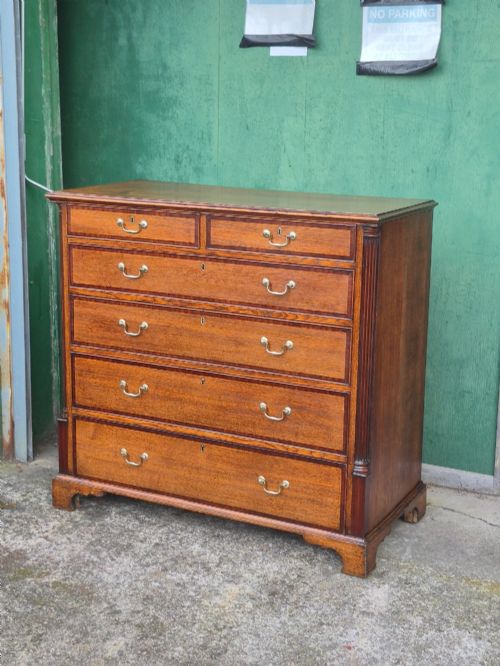
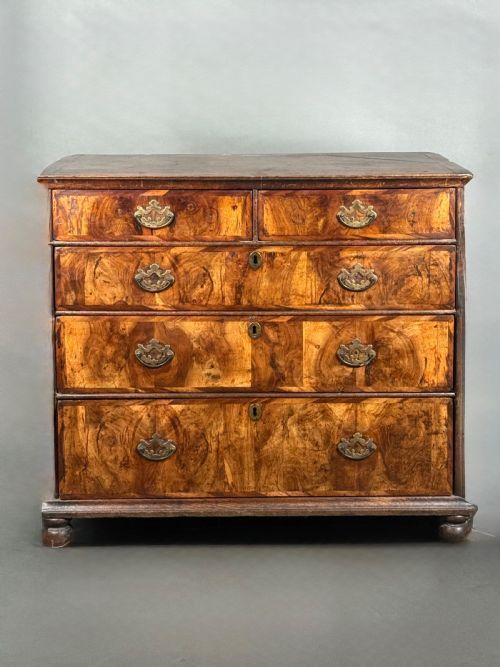
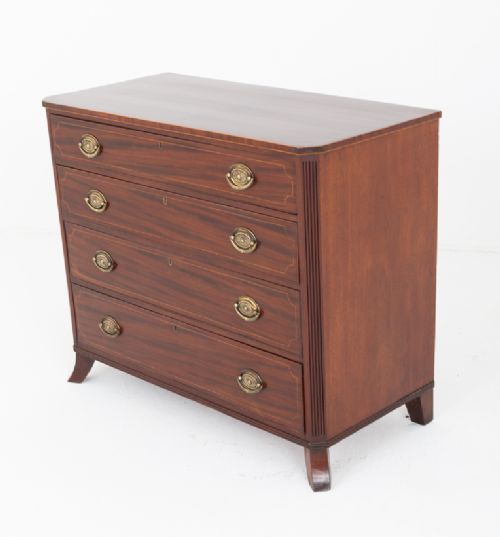
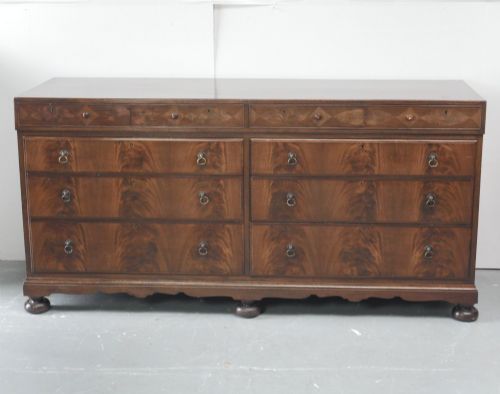
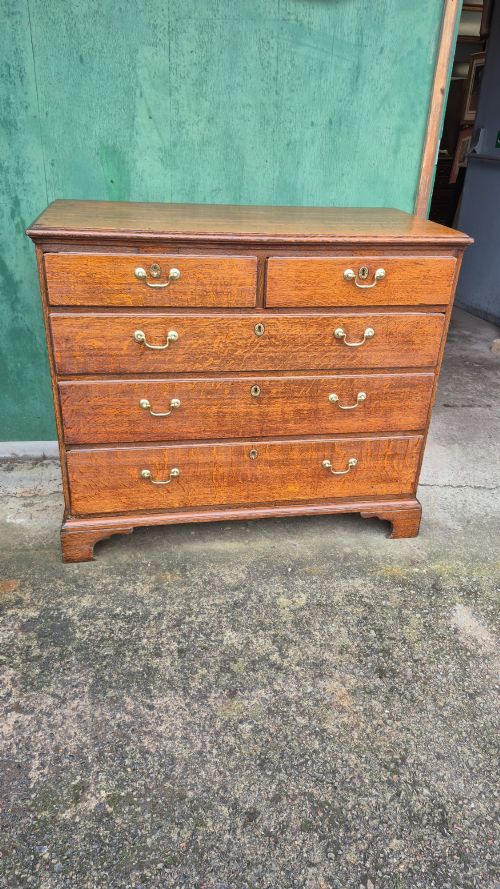
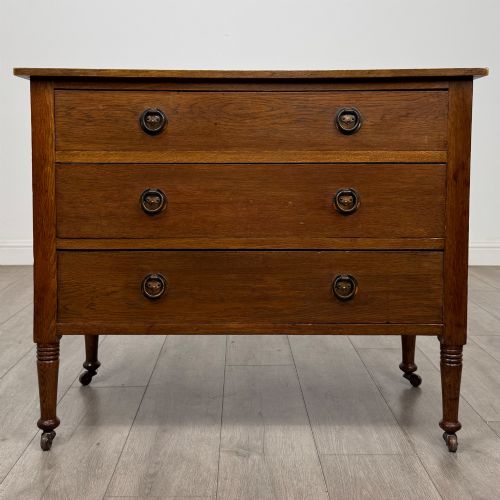
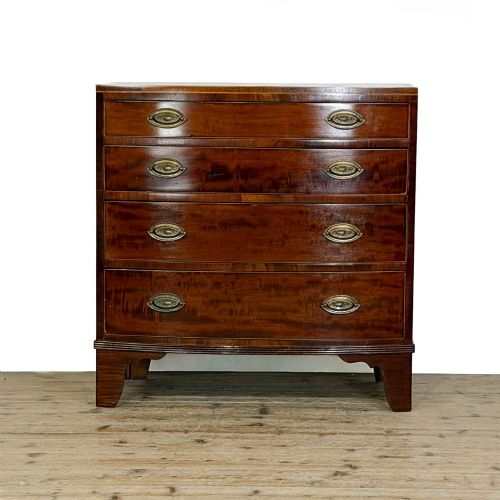
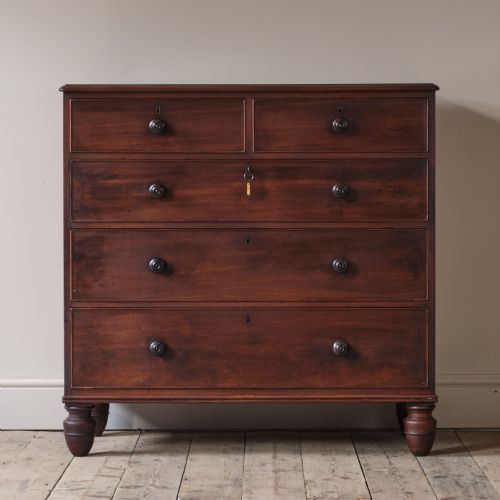
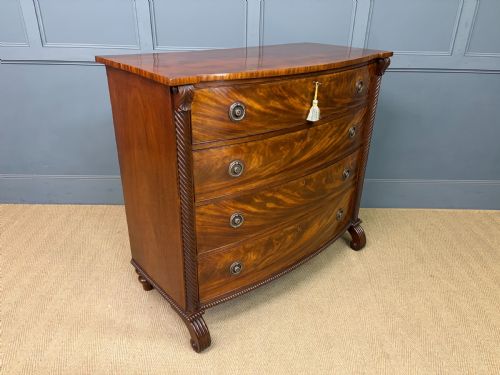
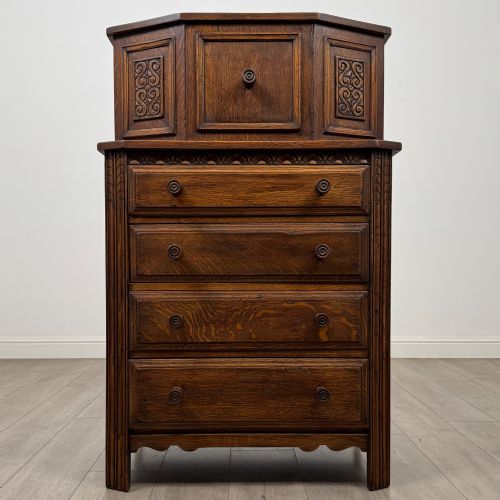
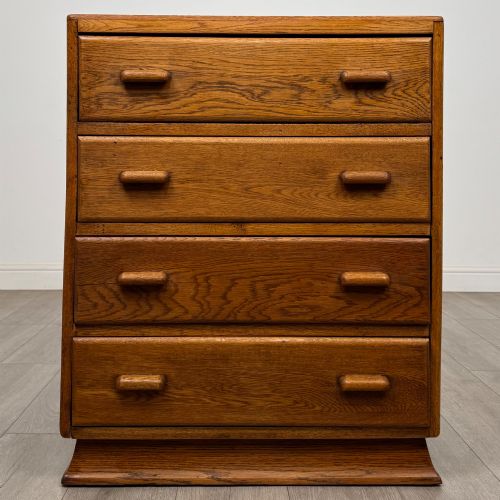
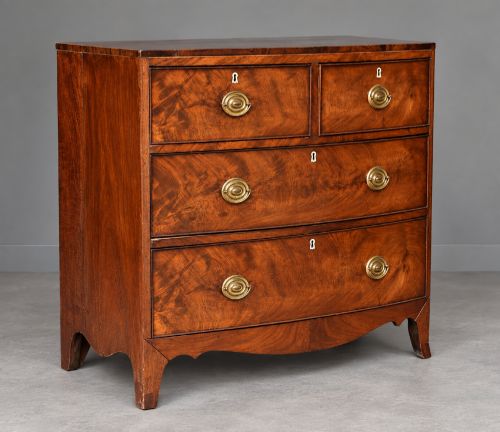
When you search for antique wooden dresser drawers, you encounter a selection of chests of drawers, cabinets, and miniature furniture spanning the 18th century to the Edwardian period. The most common form on this page is the standard chest of drawers, built in varied heights with regional British and continental variations.
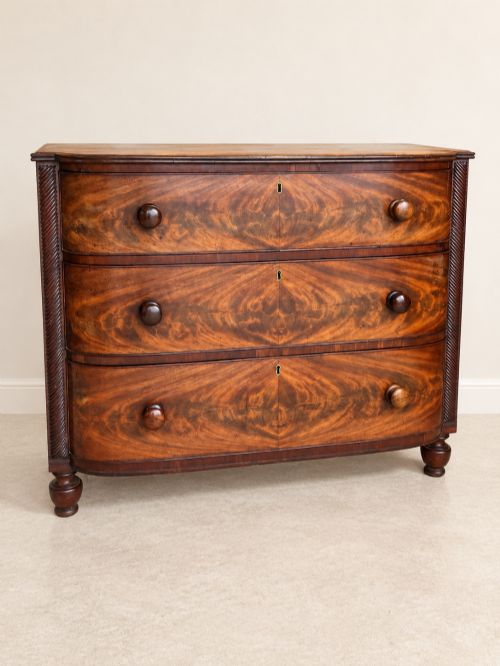
Makers construct these items primarily as freestanding bedroom or parlour storage, incorporating proportions that range from small apprentice pieces and bow fronts to grand Georgian serpentine designs and tallboys. The materials reflect the prevailing tastes of each era, moving from early oak and burr walnut to rich mahogany and painted Edwardian surfaces.
Periods represented stretch across Georgian, Regency, Victorian, and Edwardian eras, each bringing distinct timber selections and brass hardware. Whether you examine a simple pine country chest or a figured walnut piece, these forms demonstrate centuries of practical domestic utility.
How they were made
Cabinet makers utilised solid native and imported timbers, pairing structural woods like oak and pine with decorative face veneers such as flame mahogany and burr walnut. These materials provided both the internal framing strength necessary for daily use and the striking exterior grain patterns prized by period designers.
Miniature apprentice chests gave young trainees a chance to practice grand designs on a tiny scale before touching a full-sized wardrobe.
What varies in quality
Quality separates pieces through the selection of timber veneers and the precision of the underlying joinery, where finely figured flame mahogany or burr walnut indicates a higher grade of manufacture. Cabinet makers who invested time in matching grain patterns across drawer fronts produced examples that command greater visual presence.
The sophistication of the hardware and secondary details, such as original brass fittings and carefully cut dovetails, distinguishes standard domestic chests from workshop pieces attributed to known makers. Structural integrity in the drawer runners and carcase framing further dictates the overall standard of each item.
Whytock and Reid·T and G Seddon·Sir Clough Williams Ellis·J Moorcroft
The Antique Wooden Dresser Drawers Glossary
- Bow front
- A convex curved chest front popular during the Georgian and Regency periods. This curved design softens the profile of standard storage furniture.
- Serpentine
- A horizontally undulating front shape featuring a convex centre flanked by concave curves. Makers applied this complex contour to high-status 18th-century pieces.
- Tallboy
- A tall chest of drawers constructed by stacking one chest on top of another. This form maximised vertical storage space in period bedchambers.
- Brushing slide
- A pull-out shelf integrated above the top drawers, historically used for folding clothes or writing. It sits discreetly within the moulding until needed.
Antique Wooden Dresser Drawers: Frequently Asked Questions
How do I date a wooden chest?
Dating relies on examining the timber species, construction methods, and hardware styles. Earlier pieces from the 18th century often feature oak linings and hand-cut dovetails, while later Victorian examples introduce pine and machine-sawn components.
Hardware and veneer choices also guide the timeline. Brass drop handles transitioned to knob handles, and figured mahogany veneers gained popularity during the Regency and Victorian eras.
What is a brushing slide?
A brushing slide is a pull-out wooden board integrated just beneath the top surface or drawer. In period bedrooms, it served as a temporary shelf for folding garments or inspecting items.
These slides sit flush within the moulding when closed, preserving clean lines while offering hidden utility.
Are miniature chests apprentice pieces?
Miniature chests were frequently created by trainees to demonstrate mastery of complex joinery techniques. These small-scale items mirror the exact proportions and construction methods of full-sized furniture.
Collectors prize them for their meticulous detail and the high level of craftsmanship required to scale down standard designs.
How should I clean antique wood?
Maintenance requires gentle dusting with a soft, dry cloth to protect the historic polish and patina. Avoid modern silicone sprays or heavy liquid polishes that can penetrate old finishes.
Applying occasional microcrystalline wax helps nourish dry timbers while preserving the original surface sheen built up over centuries of use.