


Antique Wooden Desk Tray
An antique wooden desk tray organises letters and writing tools with the practical charm of past centuries.
Antique Wooden Desk Tray
The search phrase antique wooden desk tray encompasses a variety of desk accessories, inkstands, desk organisers, and desk tidies designed to hold writing equipment. You will frequently find pieces made from mahogany, oak, walnut, and coromandel wood, often featuring compartments or fitted glass inkwells.
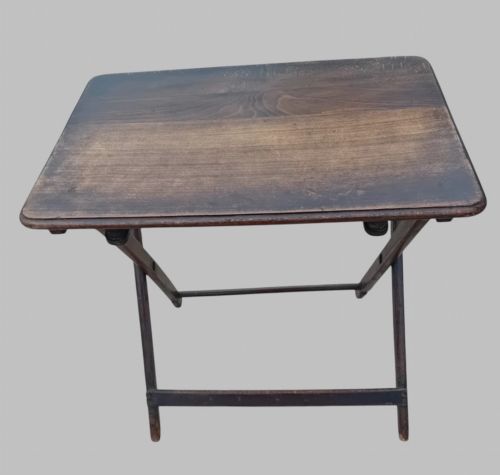
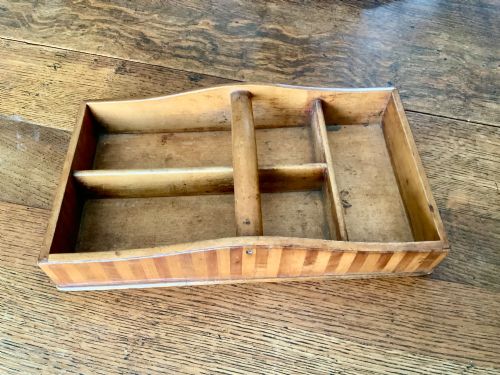
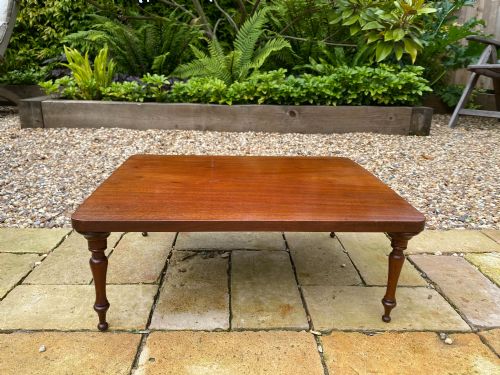
Many items originate from the Georgian and Victorian eras, ranging from simple Scottish and Welsh pine cutlery trays utilised on desks to elaborate rosewood inlaid writing sets. Alongside traditional stationary boxes and pen trays, related items such as folding campaign tables and occasional tables appear within this category.
The forms span from modest single-drawer wooden desk boxes to ornate carved Black Forest animal inkstands featuring bears, cats, or eagles. Each piece reflects the functional requirements of nineteenth-century and earlier writing habits, combining utility with decorative cabinetwork.
Materials and construction methods
Cabinetmakers utilised hardwoods such as mahogany, walnut, oak, and exotic coromandel wood to build durable desk trays and inkstands. These timbers were selected for their grain and strength, often polished to a high sheen or left with a rustic finish depending on the regional origin.
Metal elements including brass hinges, mounts, and cast iron adjustments frequently complement the woodwork, alongside fitted glass inkwells and mother of pearl inlay. Joinery techniques varied from simple dovetailing in Georgian cutlery boxes to detailed hand-carved ornamentation in Black Forest items.
Some wooden desk trays take the delightful form of carved Black Forest cats and bears keeping watch over your ink.
Distinguishing quality in timber desk accessories
Quality rests upon the selection of timber and the precision of the joinery, distinguishing finely figured coromandel or mahogany from utilitarian pine. Superior pieces display thoughtful integration of brass mounts, well-fitted secret drawers, and original glass inkwells rather than later replacements.
The artistry of the carving sets certain items apart, particularly in Black Forest pieces where anatomical detail in animal figures elevates the object from a simple container to a sculptural desk accessory. Preservation of the original surface finish and structural integrity remains central to the standing of any piece.
The Antique Wooden Desk Tray Glossary
- Inkstand
- A tray or stand designed to hold inkwells, sanders, and pens upon a desk. These incorporate glass bottles with hinged metal lids.
- Campaign style
- Portable furniture and accessories designed for military officers on the move, often featuring folding stands and recessed brass handles.
- Coromandel wood
- A dense, heavily figured exotic timber with dark stripes, highly prized for luxury nineteenth-century desk boxes and stands.
- Cutlery tray
- A partitioned wooden tray with a central carrying handle, frequently repurposed from dining service to desk organisation.
- Black Forest carving
- Elaborate wooden ornamentation originating from the mountainous region of central Europe, typically depicting naturalistic animals.
Antique Wooden Desk Tray: Frequently Asked Questions
What is an antique wooden desk tray used for?
These items served primarily to organise inkwells, pens, and correspondence on writing desks during the eighteenth and nineteenth centuries.
Today, they function well on modern desks to hold stationery, letters, or small everyday objects while adding historic character to a room.
How do I identify a Georgian desk tray?
Georgian pieces typically feature solid mahogany or oak construction with hand-cut dovetail joints and restrained decorative restraint. They often take the form of deep containers or butler's trays designed with utilitarian robustness.
Later Victorian versions frequently incorporate more elaborate materials such as coromandel wood, brass galleries, and mother of pearl inlay.
Are inkwells usually original to the tray?
Many inkstands retain their matching glass inkwells with brass or silver-plated collars, though replacements are common due to breakage over time. Examining the fit within the wooden apertures helps determine whether the components belong together.
Matching glass bottles with the correct wear patterns add considerably to the integrity of an inkstand.
How should I care for a wooden desk tray?
Maintain the timber by keeping the piece away from direct sunlight and sudden temperature changes that can dry out old wood. Occasional gentle dusting and sparing application of appropriate wax polish preserve the historic finish.
Avoid placing damp items directly onto unlined wooden surfaces, particularly where ink residue might stain the grain.