





Desk Paper Holder
A desk paper holder keeps your correspondence in order, combining practical utility with period craftsmanship.
Desk Paper Holder
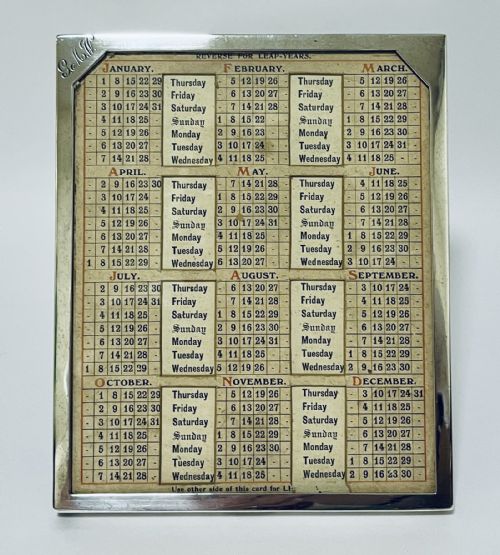
A desk paper holder encompasses various forms designed to organise letters, documents, and newspapers on a writing surface. When you search for desk paper holder, you encounter letter clips, letter racks, magazine racks, note holders, and desk tidies spanning the Victorian, Edwardian, and Art Deco periods.
The materials and styles vary widely across these pieces, ranging from cast brass and carved mahogany to sterling silver and tortoiseshell. You find items incorporating Rococo Revival, Chinoiserie, and novelty designs like golf motifs or fish shapes alongside traditional office letter organisers.
Originating from the mid-nineteenth century through to the 1930s, these accessories served both domestic writing desks and professional offices. The selection includes simple sprung clips alongside elaborate tiered tidies raised on bun feet.
How they were made
Metals such as sterling silver, brass, and cast brass form the structural components or decorative mounts of many pieces. Silversmiths and brass founders utilised techniques like casting, hammering, and engraving, frequently combining metal with organic materials.
Woodworking traditions are evident in the carved mahogany and oak pieces, which often feature tiered compartments or waterfall designs. Artisans also worked with tortoiseshell and pink guilloche enamel, mounting them carefully into silver frames or onto sturdy wooden plinths.
The listings here span the Victorian, Edwardian, and Art Deco periods, featuring materials from sterling silver and tortoiseshell to mahogany and cast brass.
What varies in quality
The standard of materials and the complexity of decoration distinguish finer examples from standard office wares. Sterling silver and genuine tortoiseshell paired with detailed repoussé work or figural motifs represent a higher tier of production than utilitarian brass or plain oak.
Execution and design integrity also separate the output. Novelty shapes, such as golf clips or fish design note holders, alongside specialised items like agricultural brass clips by known makers, demonstrate superior design ambition compared to standard stationery tidies.
The Desk Paper Holder Glossary
- Letter clip
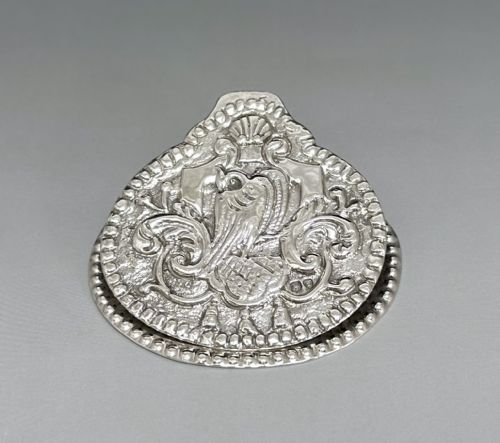
- A desktop spring-loaded mechanism designed to hold papers securely. These often feature decorative brass or silver backplates.
- Desk tidy
- An integrated desktop organiser containing compartments for stationery, letters, and writing implements. They are commonly fashioned from mahogany, oak, or brass.
- Guilloche enamel
- A decorative mechanical technique whereby an intricate geometric pattern is engraved beneath a translucent enamel layer. This finish appears on select twentieth-century pieces.
- Stirrup clip
- A specific style of desk clip shaped to resemble an equestrian stirrup. These frequently date from the Edwardian era.
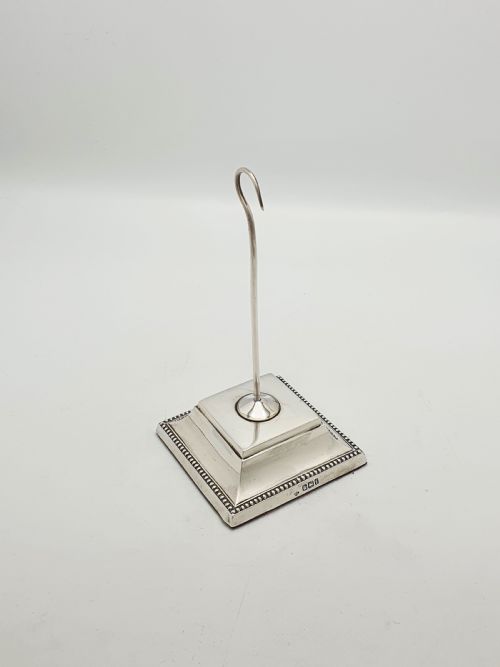
- Receipt hook stand
- A vertical spike mounted on a plinth base used for impaling receipts and bills. They often incorporate sterling silver mounts.
Desk Paper Holder: Frequently Asked Questions
What is a desk paper holder used for?
These accessories organise loose correspondence, bills, and notes on a desk or table. They keep daily paperwork accessible while maintaining a tidy workspace.
Different forms serve specific paper sizes, from small note holders to large magazine racks and multi-tiered document tidies.
How do I date a Victorian desk paper holder?
Dating relies on stylistic clues, materials, and manufacturing techniques characteristic of the nineteenth century. Victorian pieces often employ heavy brass, cast iron, or solid mahogany.
Assay marks on silver components or stamped maker details provide precise chronological markers when present.
Are Edwardian paper holders different from Victorian ones?
Edwardian examples frequently exhibit lighter construction and incorporate materials like tortoiseshell and sterling silver alongside traditional woods. The aesthetic shifts toward refined elegance and novelty designs.
Victorian pieces tend toward robust brass mechanisms and substantial mahogany structures designed for heavy office use.
How do I clean silver and brass desk accessories?
Maintenance requires gentle cleaning appropriate to the specific metal and inlaid materials. Sterling silver benefits from regular dusting and suitable polishing cloths.
Brass components should be cleaned without harsh abrasives to preserve any aged patina or original protective lacquers.