
Antique Wooden Desk Storage
These antique wooden desk storage pieces organise letters, documents and small items, bringing period character to a workspace.
Antique Wooden Desk Storage
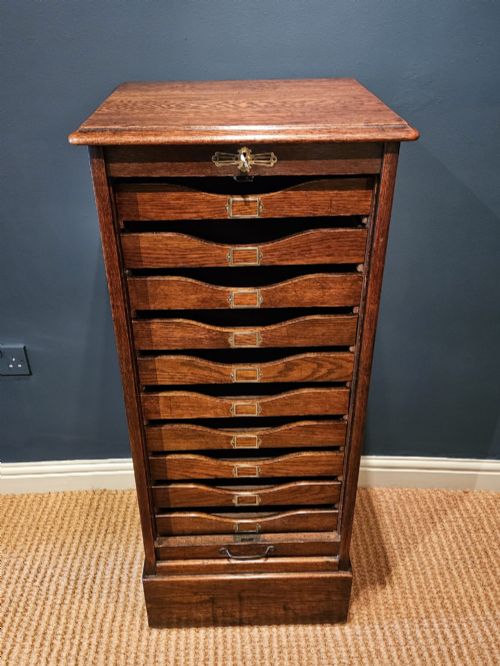
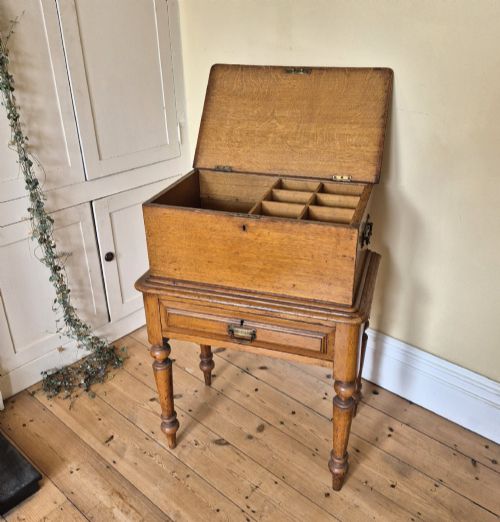
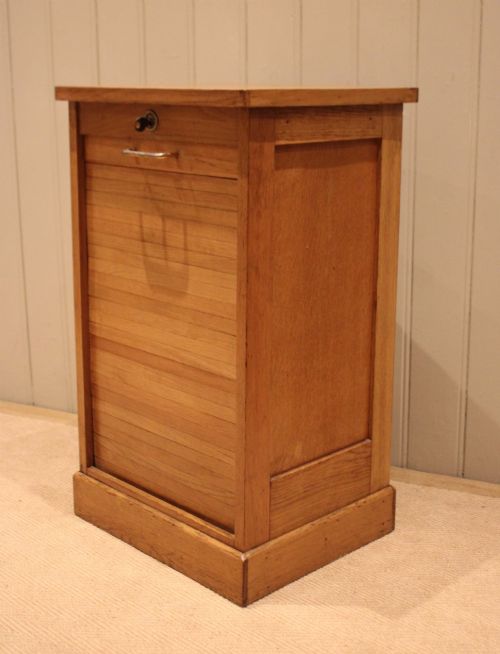
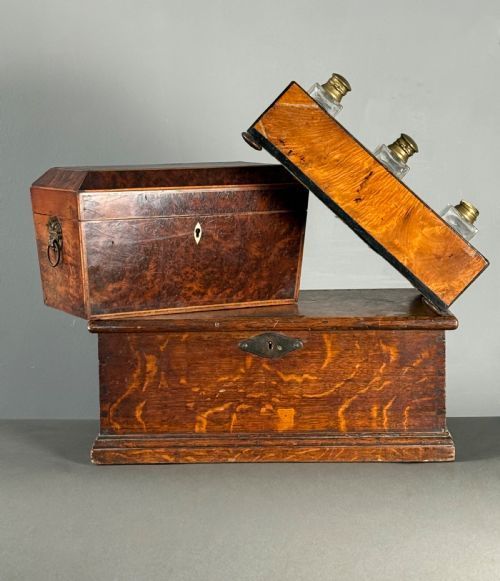
When you search for antique wooden desk storage, you encounter a varied selection of desktop containers and small organisational furniture designed to keep correspondence and valuables in order. These pieces range from compact tabletop cabinets and tambour front office units to document boxes, tea caddies and miniature chests of drawers.
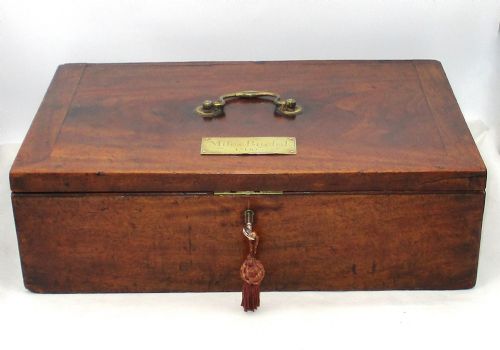
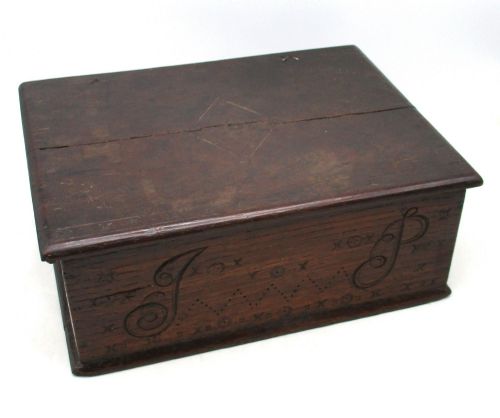
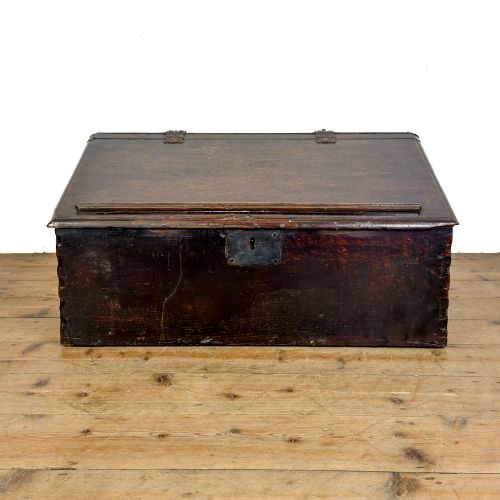
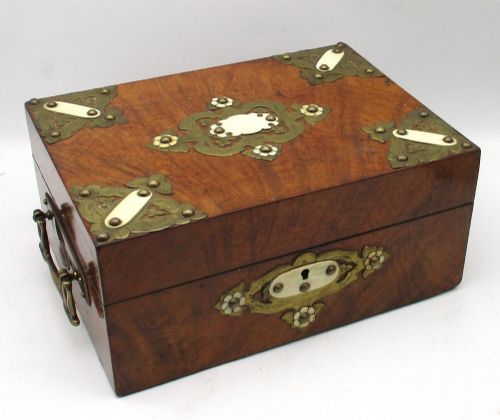
The selections span multiple periods, from 17th-century oak bible boxes and 18th-century mahogany document cases to Victorian walnut stationery boxes and Edwardian filing cabinets. Oak and mahogany appear frequently across these centuries, alongside walnut, pine, rosewood and teak.
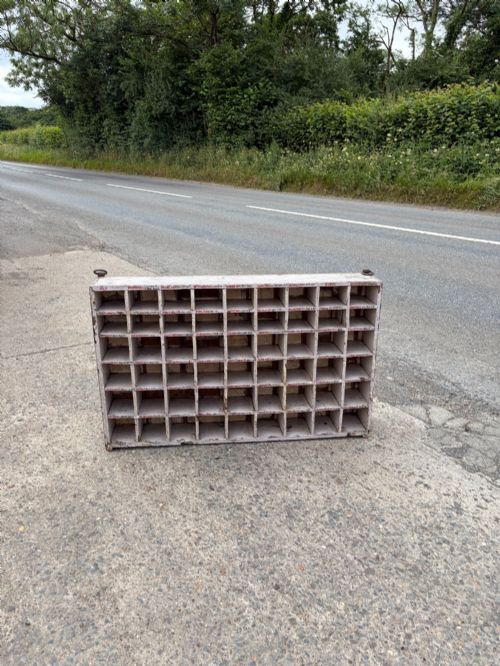
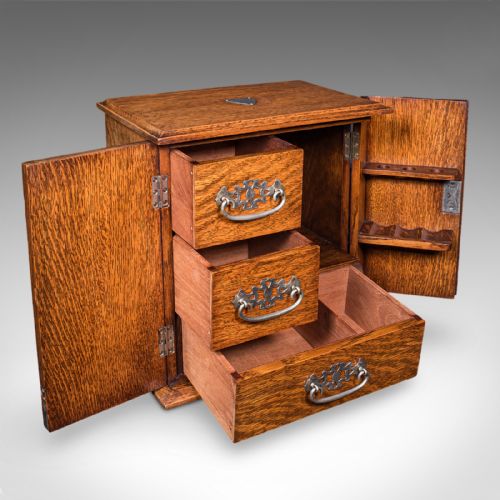
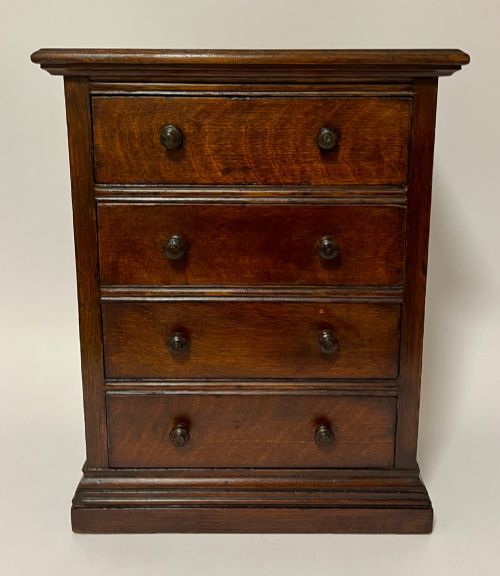
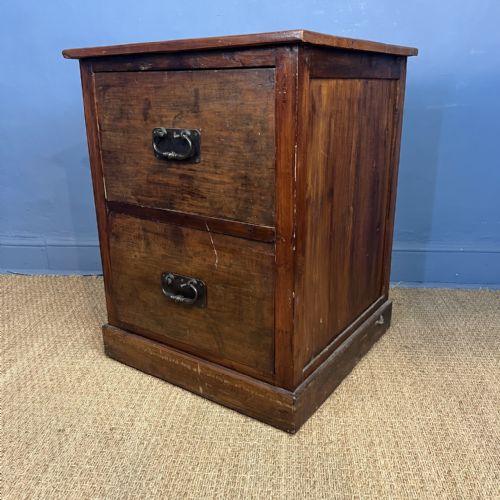
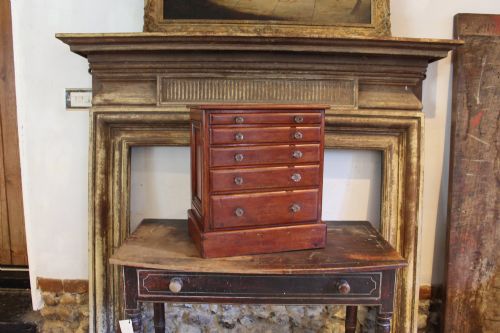
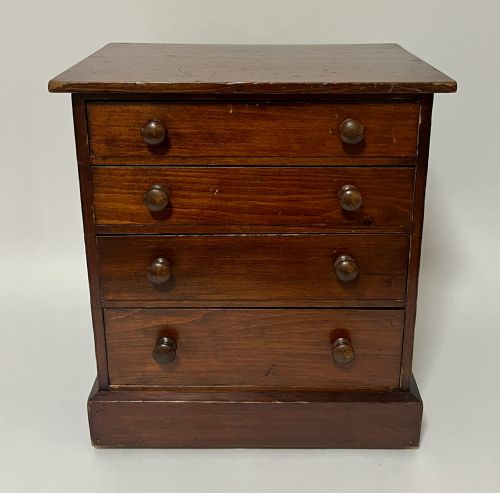
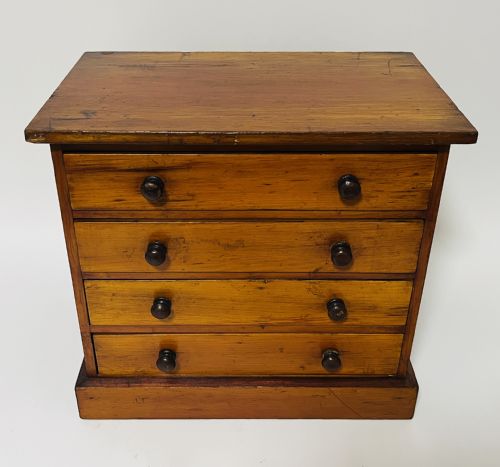
Tabletop cabinets and filing units dominate the workspace forms, while smaller decorative boxes and miniature apprentice chests provide enclosed storage for trinkets and letters. Originating from British, Anglo-Indian and continental workshops, these items reflect the changing clerical and domestic needs of their respective eras.
Materials and Construction
Cabinet makers utilised solid hardwoods such as oak, mahogany and walnut for durability, often pairing them with secondary pine linings and structural supports. Drawer carcases frequently employed traditional dovetail joints to withstand daily opening and closing.
Surface enrichment relied on brass handles, escutcheons and hinges, alongside decorative boxwood stringing, mother-of-pearl and bone inlay. Tambour fronts used narrow slats of wood glued to fabric backings to slide smoothly within integrated tracks.
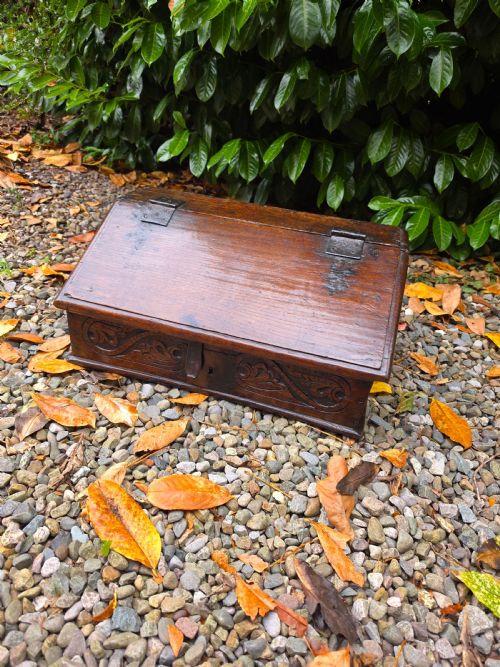
Finishes developed through hand-applied polishes, wax or varnish that protected the timber while enhancing the natural grain figures of figured walnut and flame mahogany. Carved details on oak bible boxes and document cases relied on gouges and chisels handled by regional carpenters.
A doctor's smoking cabinet and a railway ticket dispensing box keep unusual company alongside Georgian tea caddies and Victorian bible boxes.
Craftsmanship and Proportion
The standard of antique wooden desk storage depends heavily on the precision of the joinery and the selection of timber figures. Superior pieces display carefully matched wood grains across drawer fronts and harmonious proportions that suit a desktop setting.
Hardware integration distinguishes finer items, where original brass handles, locks and escutcheons remain intact and function correctly. The complexity of the interior layout, such as fitted pigeon holes, secret compartments or working tambour mechanisms, also elevates the execution.
The Antique Wooden Desk Storage Glossary
- Bible Box
- A hinged wooden box historically used to store religious texts and writing materials. These early pieces often feature carved decoration and sloping lids.
- Tambour
- A flexible shutter door constructed from narrow vertical strips of wood attached to canvas. This mechanism allows access to pigeon holes and small drawers in office cabinets without requiring clearance for swinging doors.
- Tea Caddy
- A small lidded box designed to hold loose tea leaves securely. Examples from the 18th and 19th centuries frequently incorporate interior compartments and fine veneer work.
- Apprentice Piece
- A small-scale item of furniture created by a craftsman to demonstrate skill and secure trade guild membership. These miniature chests of drawers mimic full-sized furniture with accurate proportions.
- Document Box
- A portable container utilised for safeguarding legal papers, letters and deeds. They often feature brass carrying handles and secure locking mechanisms.
Antique Wooden Desk Storage: Frequently Asked Questions
What is a tambour front cabinet?
A tambour front cabinet utilises a flexible door made from narrow wooden slats attached to a fabric backing. This allows the door to slide smoothly around a curved track to reveal interior pigeon holes.
Such designs proved popular in Edwardian and early 20th-century offices where space was at a premium.
How were bible boxes used?
Bible boxes originally held household Bibles and important manuscripts in 17th and 18th-century homes. Their sloping lids frequently served as writing surfaces when placed on tables.
Over time, many adapted to function purely as stationary and document receptacles.
Are tea caddies suitable for desk use?
Tea caddies provide divided interior compartments that work well for organising paperclips, stamps and modern stationery items. Their decorative wood veneers and brass fittings bring traditional craft into a workspace.
Many antique caddies retain their original fitted foil linings or removable canisters.