


Antique Wooden Desk Set
These antique wooden desk sets and associated accessories bring tangible craft to the workspace through brass, glass, and timber.
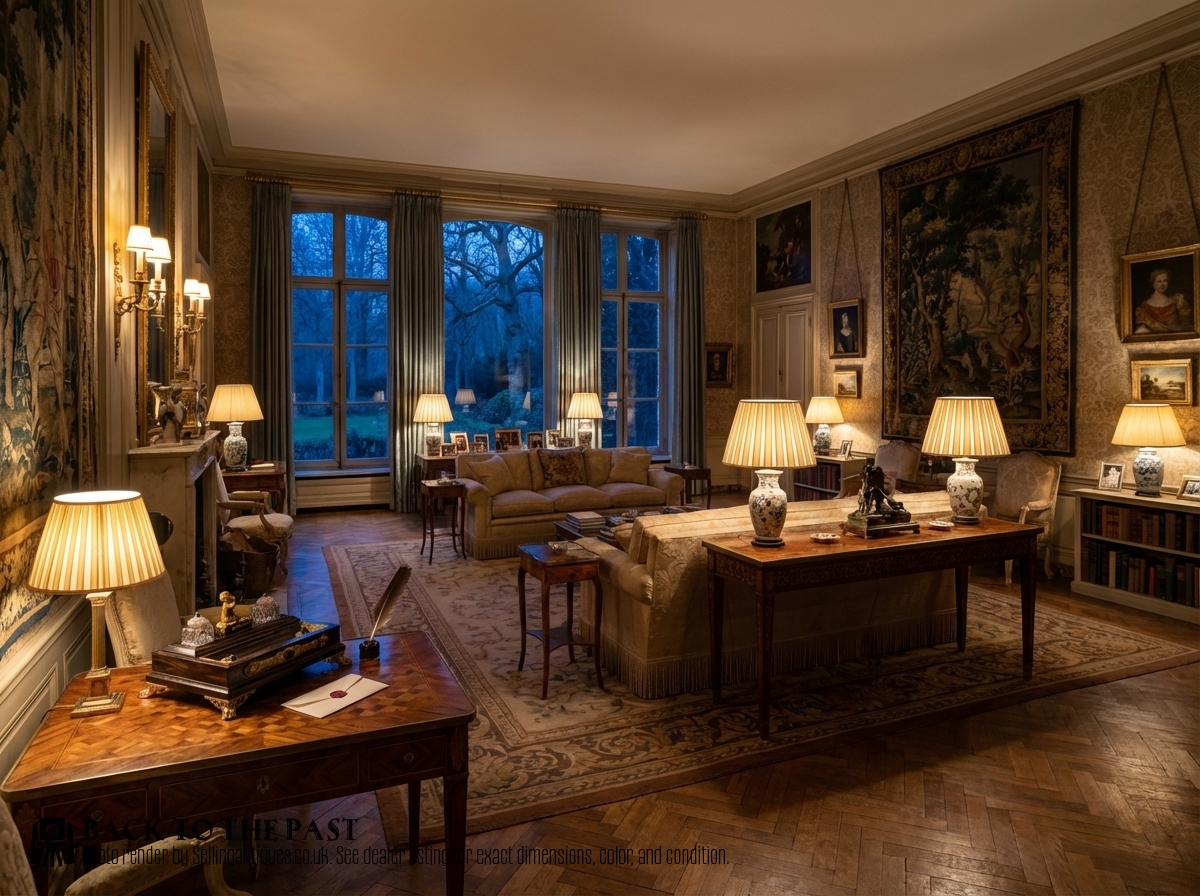
Antique Wooden Desk Set
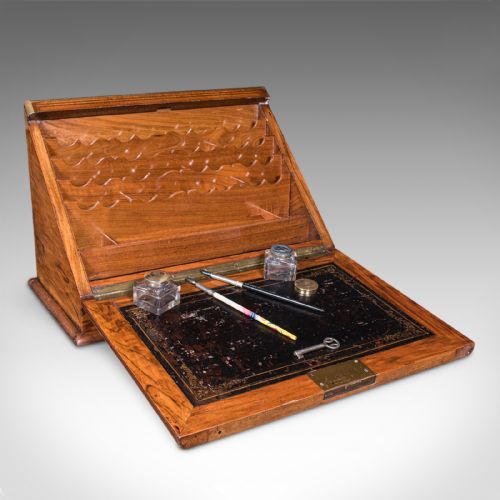
An antique wooden desk set encompasses a variety of desktop accessories and seating designed for correspondence and study. Buyers searching for an antique wooden desk set frequently encounter desk stands, inkwells, stationery cases, and companion tidies alongside related seating forms.
The objects span the nineteenth century and the Edwardian period, incorporating materials like mahogany, walnut, oak, and coromandel. These items served functional roles in private studies, offices, and writing rooms.
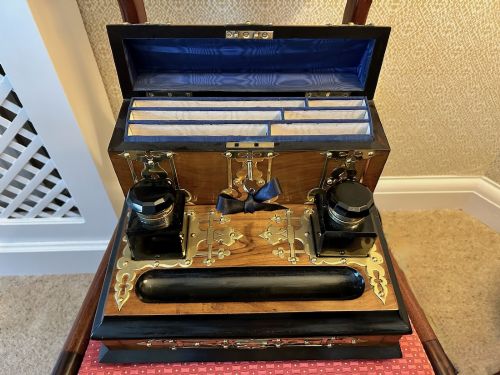
Comprising inkstands, postal scales, pigeon holes, and blotters, the selection reflects the writing habits of past eras. Each piece demonstrates the specific utility required for managing letters and documents before modern stationery.
Materials and construction methods
Cabinet makers utilised dense hardwoods such as mahogany, walnut, and oak to construct the structural bodies of desk stands, stationery cases, and chairs. These timbers provided the necessary durability and stability for daily use.
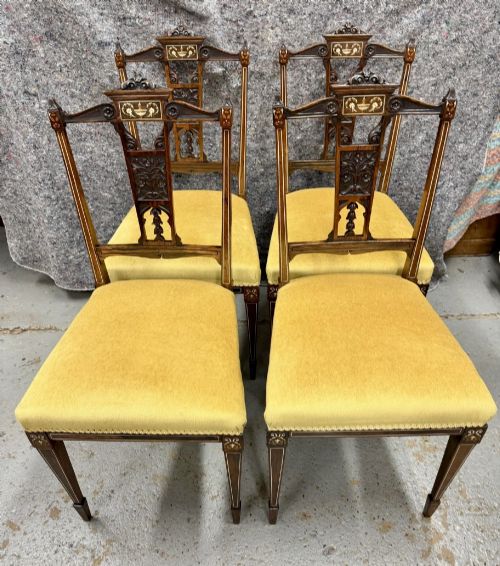
Metal and glass components, particularly brass mounts, hinges, and glass inkwell inserts, were integrated into wooden frames. Intricate carving appears on Black Forest items, while other pieces feature mother of pearl inlay and brass detailing.
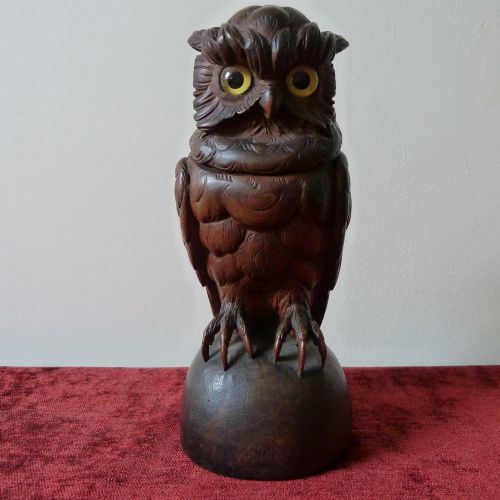
Intricately carved wooden bears and owls stare back from Victorian desk stands, holding inkwells in their paws to guard your stationery.
Indicators of standard and execution
The standard of an antique desk set rests on the precision of its joinery and the selection of timber figures, such as figured mahogany or coromandel. Finer examples display meticulous inlay work and integrated brass fittings that align flush with the wood.
Carved pieces derive their quality from the depth and clarity of the hand-carved detail, evident in animal forms like owls and bears. Complete sets retaining their original matching inkwell inserts and working drawers command greater consideration.
The Antique Wooden Desk Set Glossary
- Inkstand
- A tray or stand holding inkwells, often featuring compartments for pens and sanders. These desktop accessories kept writing implements organised and accessible.
- Smokers bow
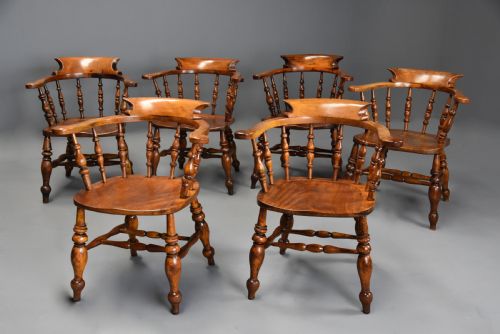
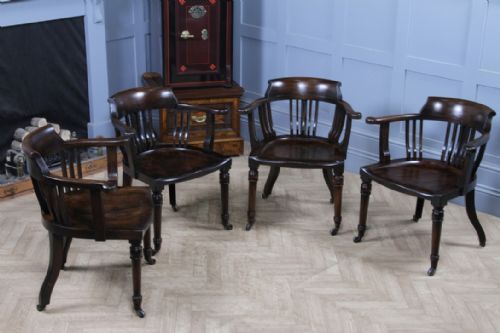
- A sturdy wooden armchair with a rounded back, frequently found in elm, ash, or oak. This seating form shares design traits with Windsor chairs.
- Coromandel
- A dense, heavily figured exotic timber from Asia with dark brown and black streaking. Cabinet makers utilised this material for luxury Victorian desk accessories.
- Stationery case
- A desk organiser fitted with internal slots and pigeon holes for holding writing paper and envelopes. These upright boxes kept correspondence tidy.
- Pigeon holes
- Compartments built into desktop units or stationery cases for sorting letters and documents. They provide vertical storage within reach.
Antique Wooden Desk Set: Frequently Asked Questions
What items make up an antique desk set?
An antique desk set typically comprises items designed for writing and correspondence, including inkstands, inkwells, stationery cases, blotters, and desktop pigeon holes.
These pieces were arranged on a desk to hold ink, pens, and paper within reach during the Victorian and Edwardian periods.
How were wooden desk stands used?
Wooden desk stands held glass inkwells and pen trays to keep writing fluids and implements stable on a desktop. They prevented spills and maintained order in studies and offices.
Many stands also included small drawers or compartments for holding stamps, nibs, and sealing wax.
Which woods are common in these pieces?
Cabinet makers predominantly used mahogany, walnut, and oak for desk accessories and associated seating. Exotic timbers like coromandel and ebony also appear on more decorative examples.
These hardwoods offered the durability needed for items handled daily during correspondence.
How do I date a wooden desk set?
Dating relies on the prevailing styles, timber choices, and construction techniques visible in the piece. Victorian items often feature substantial brass mounts and coromandel, while Edwardian pieces lean towards lighter oak or mahogany.
Design motifs such as Art Nouveau influence or Black Forest carving also help narrow the period of manufacture.