



Antique Wooden Cross
An antique wooden cross carries centuries of devotional history, connecting domestic prayer spaces with master carvers from the seventeenth century onward.
Antique Wooden Cross
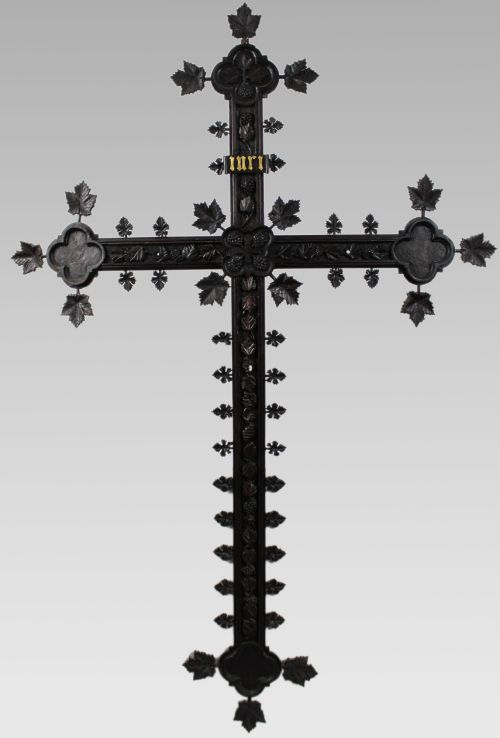
An antique wooden cross represents a diverse group of devotional objects and architectural elements encountered in various regional styles. You will find small domestic table crosses alongside larger wall sculptures intended for private chapels or parish churches.
The pieces on this page span from the seventeenth century through the Art Deco period, incorporating materials like olive wood, oak, and pine. Many incorporate metal elements such as brass or silver, reflecting the specific liturgical traditions of their makers.
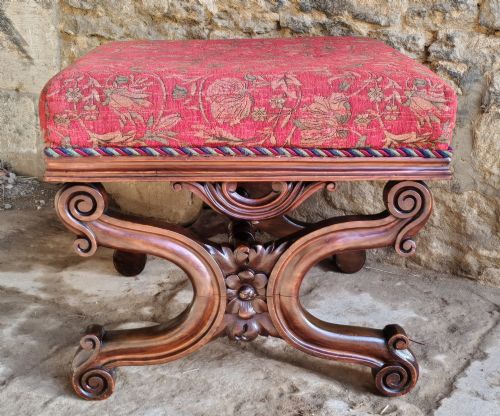
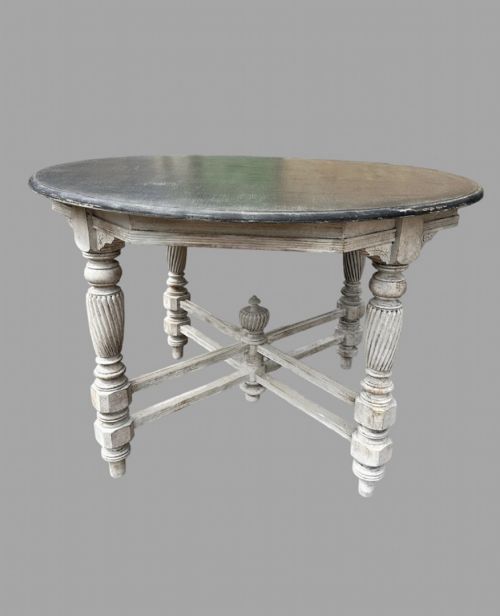
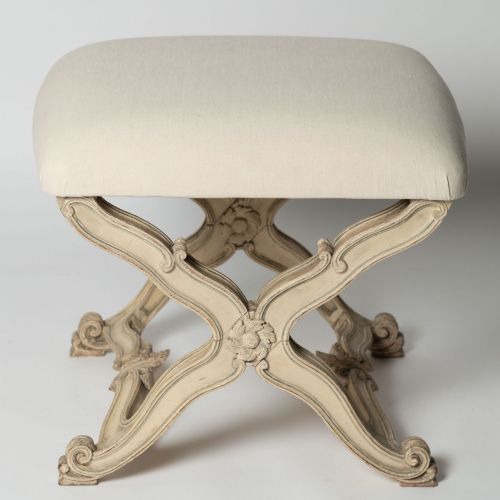
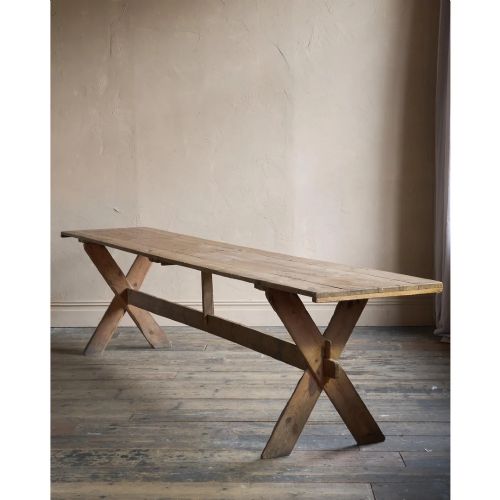
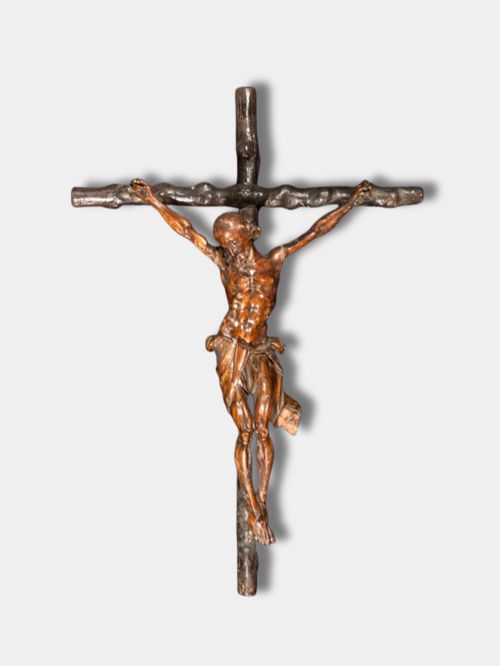
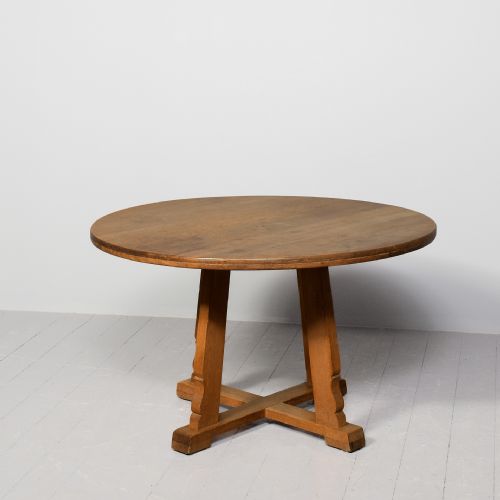
Religious carvings and crucifixes dominate this search phrase, though certain structural forms like cross-base tables share the designation. The examples range from restrained rustic pieces to intricate works featuring a carved corpus Christi.
Materials and Construction
Makers utilised dense timbers such as oak, boxwood, and mahogany to construct these pieces, ensuring structural stability for vertical wall mounts and heavy table supports. Secondary woods like pine appear in regional items, often hidden beneath paint or dark finishes.
Carving and joinery techniques define the construction, utilising hand tools to shape the timber limbs and detailed figural representations of Christ. Metal mounts, gilt accents, and contrasting inlays frequently highlight the junctions of the cross arms.
Listings for this phrase feature materials ranging from traditional oak and mahogany to boxwood, pine, and silver.
Evaluating Craftsmanship
The integrity of the timber joints and the preservation of original surface finishes determine the condition standing. Pieces that retain their historic patination without over-restoration command greater respect from collectors.
Volga Masters·Miles and Edwards
The Antique Wooden Cross Glossary
- Corpus Christi
- The figure of Jesus Christ attached to a cross. This Latin term translates directly to the body of Christ.
- Box wood
- A dense, pale hardwood favoured for intricate miniature carvings and detailed religious statuary. Its fine grain permits exceptionally sharp edges.
- Cross-banded
- A decorative method where thin strips of veneer are laid perpendicular to the grain of the primary surface. This technique creates a contrasting border frame on furniture and panel work.
- Gilt
- A thin layer of gold leaf or gold paint applied to wood or metal surfaces. It provides a luminous finish that highlights carved details.
Antique Wooden Cross: Frequently Asked Questions
How do I date an antique wooden cross?
Dating relies on examining the tool marks left by the maker, the ageing of the timber, and the style of any attached corpus Christi. Seventeenth and eighteenth-century pieces often display hand-sawn surfaces and forged iron fixings.
Later nineteenth-century examples frequently incorporate machine-processed timber and standardised metal fastenings. Comparing the construction methods to dated regional comparables clarifies the timeline.
Were these crosses used in homes or churches?
Antique wooden crosses served both domestic devotional spaces and ecclesiastical settings depending on their scale. Smaller boxwood and olive wood examples were designed for personal prayer rooms or travel.
Larger wall sculptures and crucifixes were commissioned for parish churches, convents, or communal village chapels. Domestic variants often show intimate signs of handling along the lower stem.
How should I clean an antique wooden cross?
Maintenance requires dry dusting with a soft, clean brush to remove particulate matter from deep carved recesses. Avoid using commercial liquid polishes or water, which can damage historic wax finishes and lift old glues.
Microfibre cloths help preserve the natural patination built up on the timber over centuries. Professional conservators should address any loose joints or flaking paint layers.
What woods were commonly used for crosses?
Makers selected timbers based on regional availability and the intended function of the devotional object. Dense hardwoods like oak, mahogany, and boxwood provided durability for detailed relief carving.
Softer woods like pine appeared in vernacular pieces intended to receive a painted or gessoed surface. Olive wood became especially popular for items originating from Mediterranean workshops.