


Antique Wooden Crest
An antique wooden crest carries lineage and heraldry carved directly into oak, mahogany, or giltwood, adding historic identity to any interior wall or seating.
Antique Wooden Crest
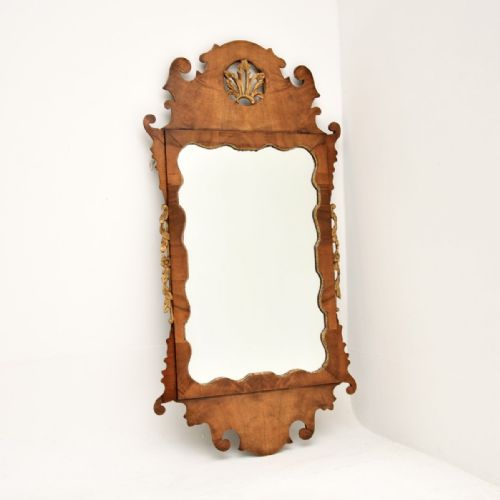
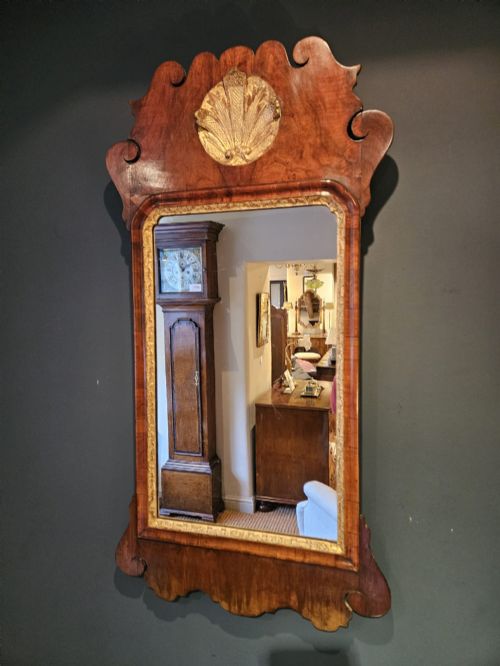
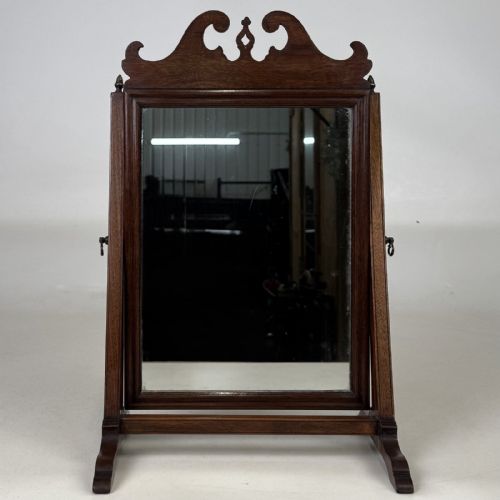
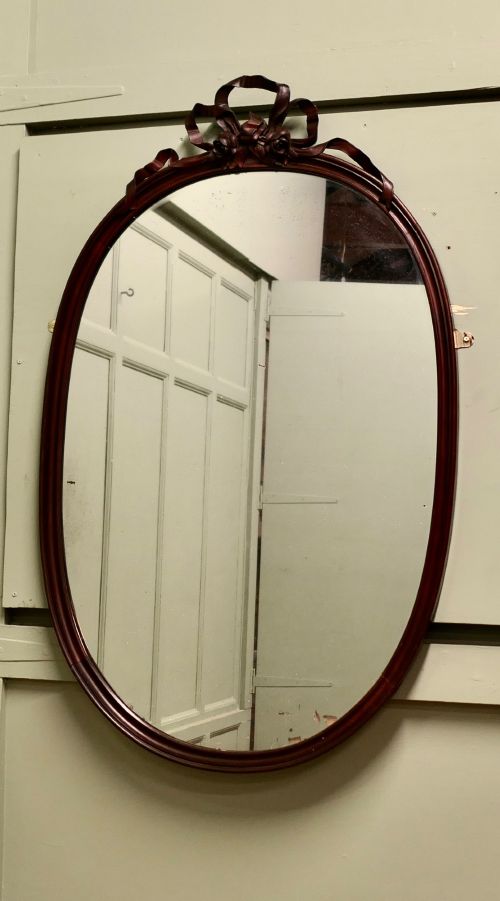
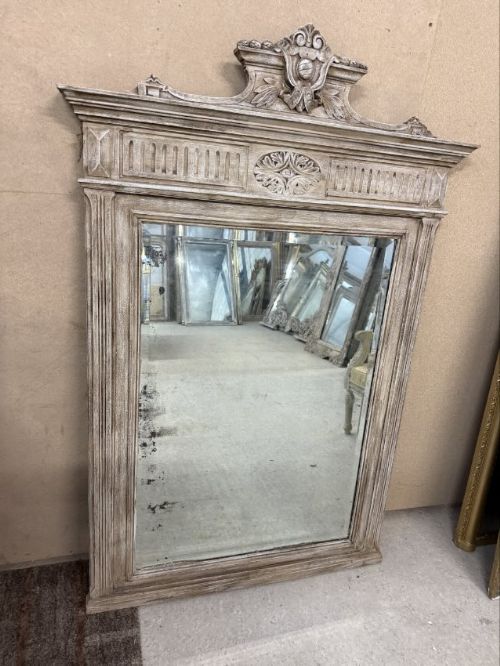
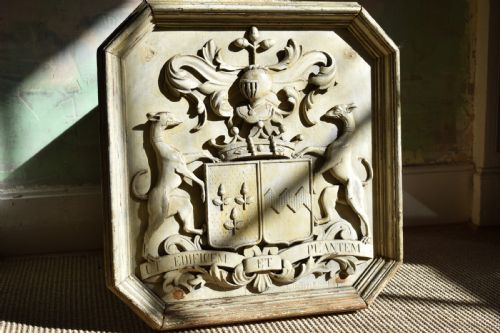
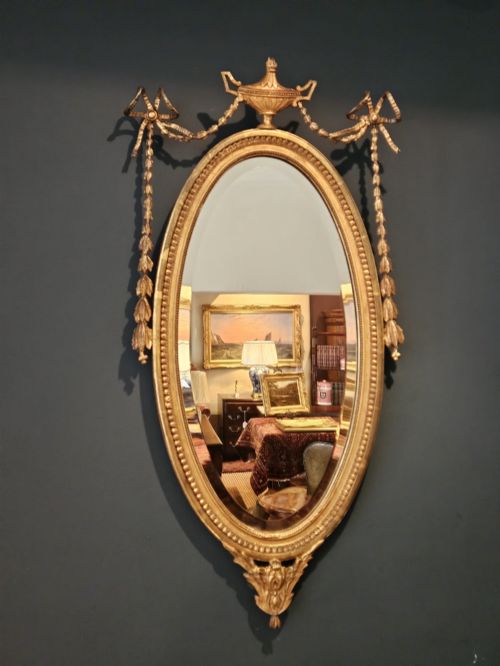
An antique wooden crest encompasses carved armorial shields, heraldic panels, and elaborate pediments found atop mirrors and chairs. These items originate from periods spanning the seventeenth through the early twentieth centuries, reflecting diverse European and British traditions.
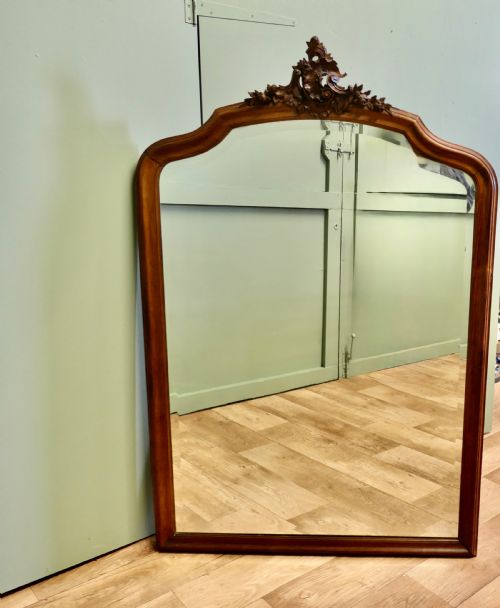
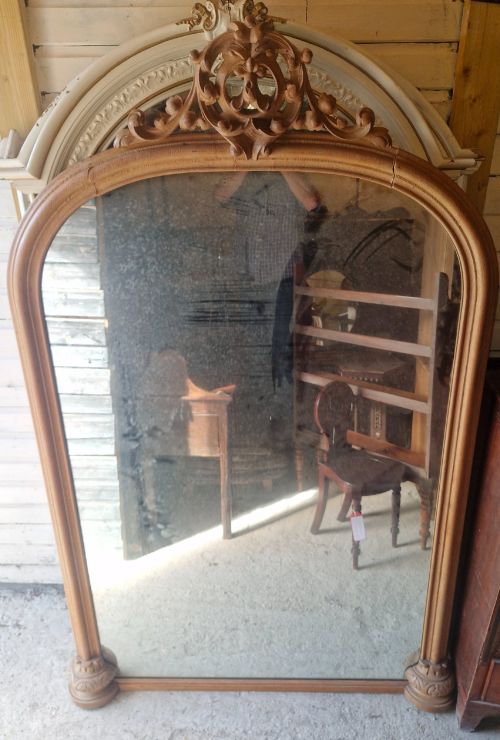
The most common examples on this page are carved wooden shields, heraldic panels denoting family lineage, and mirrors featuring intricate crestings like the Ho-Ho bird. Buyers often select them to anchor a room with distinct historic character and tangible provenance.
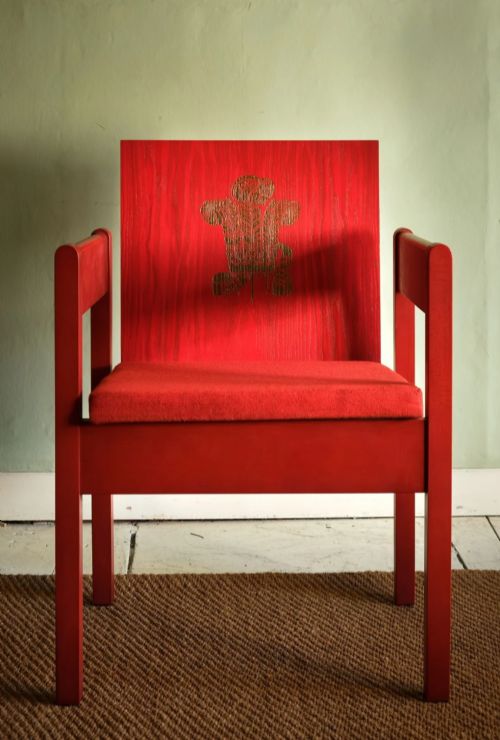
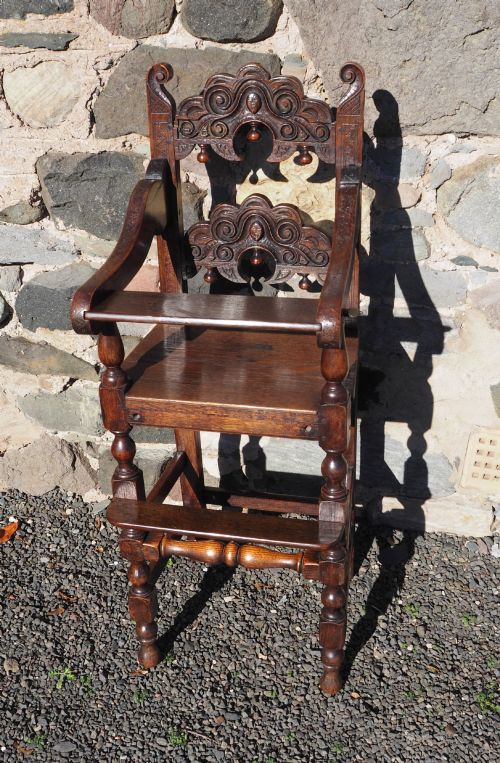
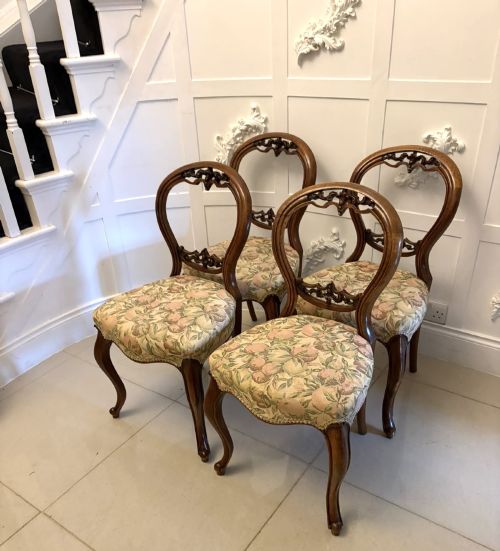
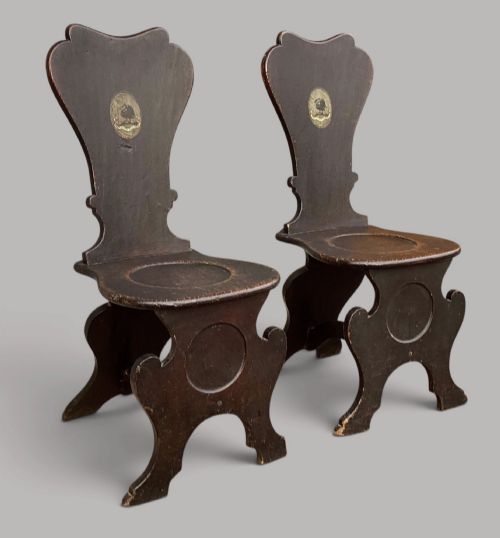
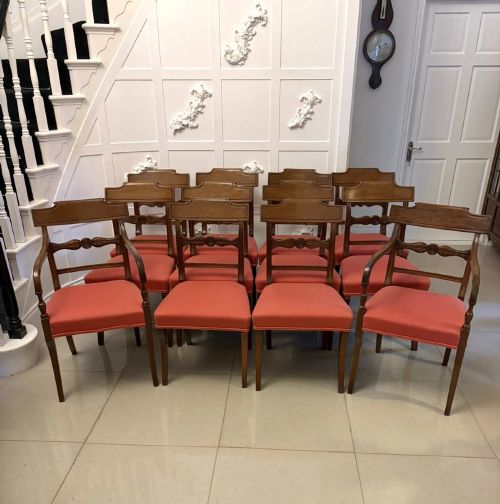
Beyond standalone wall plaques, these symbols appear integrated into furniture such as oak hall chairs and mahogany dining seating. Each piece serves as a physical record of past coats of arms, corporate crests like the Great Eastern Railway, or marital alliances.
How they were made
Makers shaped these items primarily from solid hardwoods including oak, mahogany, and walnut, frequently applying layers of gesso and giltwood for decorative emphasis. Carvers worked by hand, utilising chisels and gouges to render deep relief work for coats of arms and scroll pediments.
Surfaces often combine exposed timber grain with parcel gilt, silver-gilt, or painted heraldic pigments to highlight specific charges within a shield. Joinery methods typical of the eighteenth and nineteenth centuries, such as mortise and tenon joints, secure the structural integrity of larger panels and furniture frames.
Antique Wooden Crest Retail Price Guide 2026
Typical asking prices for wooden crest among the pieces listed under this phrase on Sellingantiques today, from the lower quarter to the upper quarter. They describe what is for sale here now, not the wider market.
Some Victorian mirrors sport defiant Ho-Ho birds perched proudly atop their crests, watching over the room with wooden amusement.
What varies in quality
The depth and precision of the hand-carving dictate the artistic merit of a crest, separating competent workshop production from master-level heraldic art. Sharp undercutting in wooden foliage and crisp definition in armorial bearings demonstrate superior craftsmanship.
The original integrity of the surface finish, whether aged gilding, polish, or painted heraldic tinctures, influences the visual impact of the piece. Intact structures with minimal later restoration preserve the authentic historical context demanded by serious collectors.
The Antique Wooden Crest Glossary
- Crest
- The component of a heraldic display situated above the helm or shield, often carved in wood to represent a family or institution.
- Armorial
- Relating to heraldic arms or coats of arms painted or carved onto panels, shields, and chairs.
- Pediment
- The triangular or decorative architectural structure surmounting a mirror frame, bookcase, or overmantel.
- Gesso
- A plaster mixture applied to wood surfaces as a base for gilding or painting, common on Victorian and Georgian frames.
- Parcel gilt
- Portions of a wooden object highlighted with gold leaf while other areas display the natural timber grain.
Antique Wooden Crest: Frequently Asked Questions
What is an antique wooden crest?
An antique wooden crest is a hand-carved heraldic symbol, shield, or architectural pediment originating from historic periods like the Georgian and Victorian eras.
These items were traditionally created to display family lineage, corporate identity, or marital unions through detailed woodworking.
How were wooden crests used historically?
They were mounted onto interior walls, incorporated into the cresting of large mirrors, or carved directly into the backs of formal hall chairs.
Such placement allowed noble families and institutions to visibly assert their status and heritage within a grand room.
How do I hang a heavy wooden crest?
Due to the dense hardwoods and substantial plaster or gilt additions, these pieces require robust wall fixings secured directly into studs or masonry.
Using rated picture wire or heavy-duty mirror plates ensures the weight is safely distributed across the structure.
How do I date an antique crest?
Dating relies on identifying the underlying timber species, tool marks from hand-carving, and the specific stylistic traits of periods like the 17th or 19th century.
Heraldic records and family genealogies painted on the panels can also provide a precise year for marriage or institutional commissioning.