



Antique Wooden Cassone
An antique wooden cassone brings the heavy grandeur of the Italian Renaissance and later continental interiors straight into a modern room.
Antique Wooden Cassone
When you search for an antique wooden cassone, you are looking at substantial storage furniture built as marriage chests, coffers, and trunks across Europe. These pieces served primarily to transport and store a bride's dowry, which explains their imposing scale and decorative ambition.
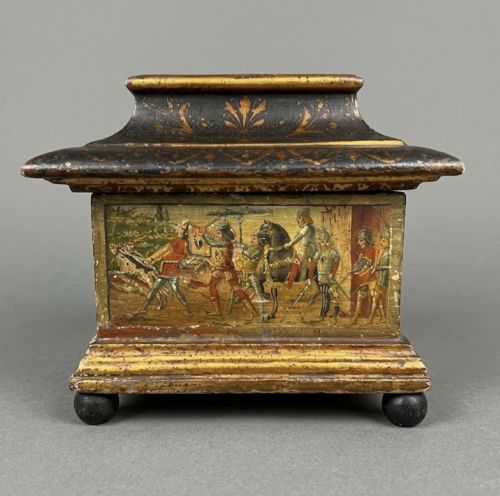
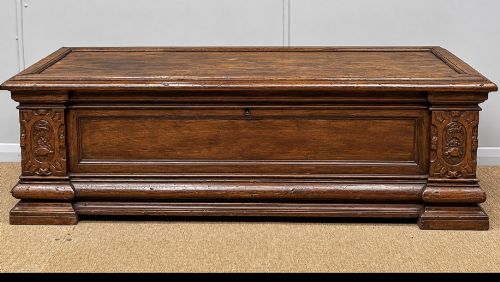
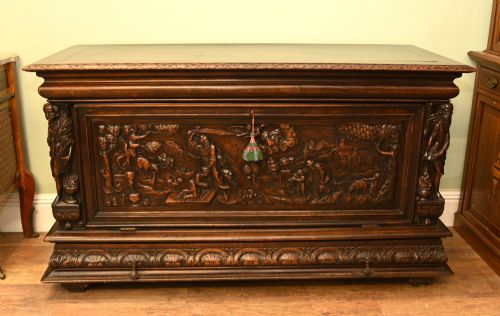
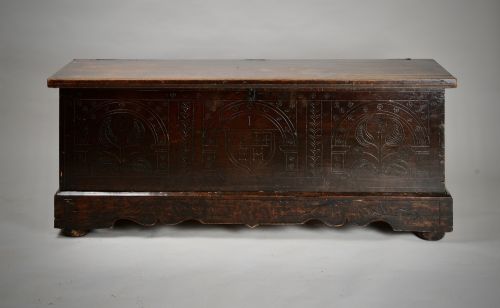
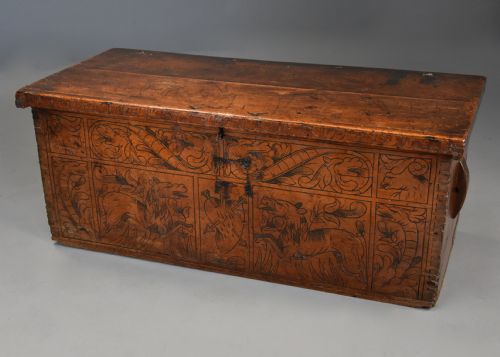
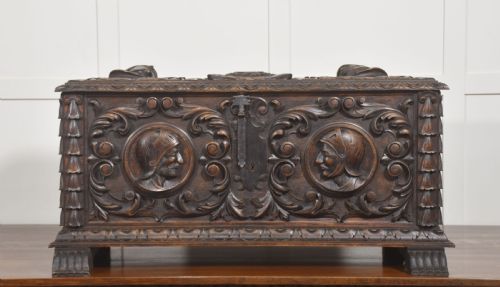
You are most likely to meet Italian examples on this page, spanning from the seventeenth century through to later revival periods. The forms range from grand marriage chests carved with figural medallions to smaller painted caskets and walnut buffet trunks.
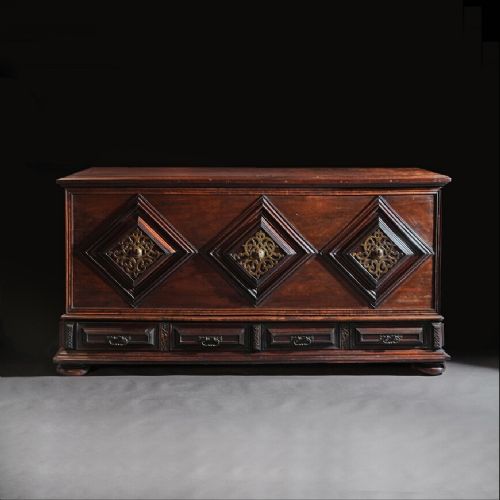
Regional variations appear across the listings, including Portuguese Colonial mahogany chests mounted with brass and northern Italian cypress wood chests. Each piece maintains the core architectural presence of a monumental storage chest while reflecting local cabinet-making traditions.
Materials and construction
Cabinet-makers relied heavily on walnut, mahogany, and cypress wood as the structural base for these heavy chests. Timber selection depended on regional availability, with Italian workshops favouring walnut and cypress for their carving stability and grain.
Decoration involved skilled carving, iron hardware, and applied gesso finished with gold leaf or paint. Artisans embellished panels with figural medallions, while brass mounts and iron hinges provided necessary functional strength to the heavy lids.
Antique Wooden Cassone Retail Price Guide 2026
Typical asking prices for wooden cassone among the pieces listed under this phrase on Sellingantiques today, from the lower quarter to the upper quarter. They describe what is for sale here now, not the wider market.
Some seventeenth-century brides packed so many heavy velvet gowns into their cassone that families hired extra muscle just to shift the dowry.
Assessing quality in a cassone
The distinction between ordinary storage and top-tier craftsmanship lies in the depth and clarity of the wood carving. Figural medallions and architectural mouldings executed with sharp, confident chisel work separate superior pieces from simpler utilitarian boxes.
Surface preservation dictates much of the visual appeal, particularly the presence of original patina, gilding, and paintwork. Pieces retaining untouched historic finishes and authentic brass or iron hardware command greater appreciation among collectors than heavily restored examples.
The Antique Wooden Cassone Glossary
- Cassone
- A traditional Italian chest or coffer used historically for marriage dowries. These large wooden trunks often featured elaborate carving, painting, or gilding.
- Buffet trunk
- A hybrid furniture form serving both storage and surface functions. These pieces combine the deep compartment of a chest with the elevated proportion of a buffet.
- Gesso
- A plaster-like mixture applied to wood surfaces to prepare them for painting or gilding. It provides a smooth ground for intricate decorative details.
- Patina
- The surface sheen and mellowing of wood and metal developed through age and handling. This gradual change in colour and texture signifies authenticity.
Antique Wooden Cassone: Frequently Asked Questions
What was a cassone used for?
A cassone served primarily as a marriage chest to hold a bride's dowry linens, clothes, and precious household goods. Wealthy families commissioned these grand chests to display social status during wedding processions and within the main bedchamber.
Over time, these heavy wooden trunks transitioned into general domestic storage for bulky textiles and valuables. Their flat, sturdy lids also allowed them to function as benches or display surfaces along great hall walls.
How do I place a cassone in a modern room?
Position a large cassone at the foot of a bed or against a long hallway wall where its monumental scale can anchor the space. Because these chests offer deep interior storage, they easily conceal bulky items like blankets or winter bedding.
Keep the surrounding decor relatively simple to let the carved wood, iron mounts, or painted panels stand out. Avoid placing them in direct sunlight or near heat sources to protect the historic timber and any remaining gilding.
How can I tell a seventeenth-century cassone from a later revival piece?
Seventeenth-century pieces display construction methods typical of early cabinet-making, such as hand-cut dovetails, heavy forged iron hardware, and naturally aged walnut or cypress. The wear patterns on the wood and the integration of the panels reflect authentic period use.
Revival pieces, such as those from the nineteenth century, often use machine-cut elements or softer secondary woods behind the decorative facade. Examining the interior surfaces and joinery helps clarify whether the chest dates to the Renaissance era or later revival movements.
What is the difference between a cassone and a standard chest?
A cassone specifically denotes an Italian Renaissance marriage chest designed with artistic ambition, frequently featuring figural carving, gesso, or painted decoration. Standard chests from other traditions often prioritised straightforward utility over decorative narrative.
While both provide hinged storage, a cassone functions as a piece of high-status architectural furniture. Its proportions and ornamentation reflect the aesthetic priorities of Italian cabinet-makers rather than everyday domestic joinery.