







Baroque Wooden Coffer
A baroque wooden coffer is a robust storage piece offering grand architectural carving, decorative marquetry and substantial iron or brass hardware for your interior.
Baroque Wooden Coffer
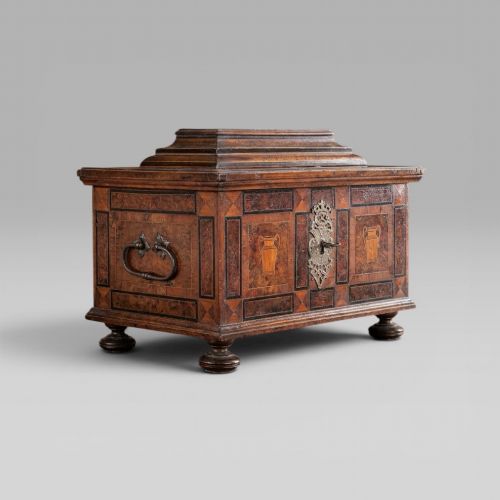
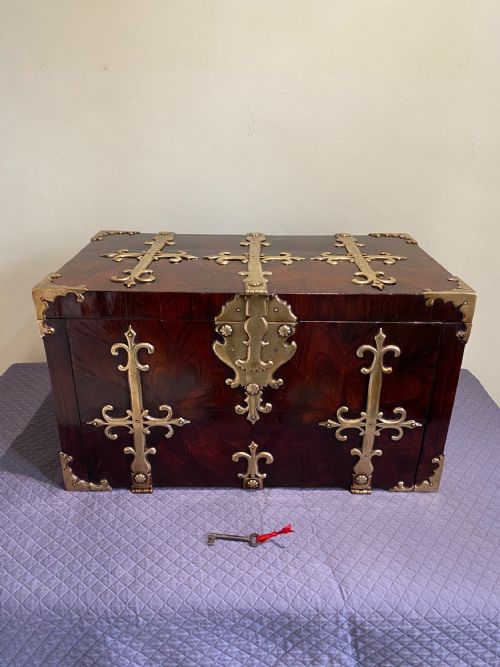
A baroque wooden coffer is a heavy storage vessel designed for security and display, originating from seventeenth and eighteenth century workshops across Europe. When searching for a baroque wooden coffer, buyers frequently encounter smaller caskets, strongboxes, and larger chest forms fashioned in solid timbers.
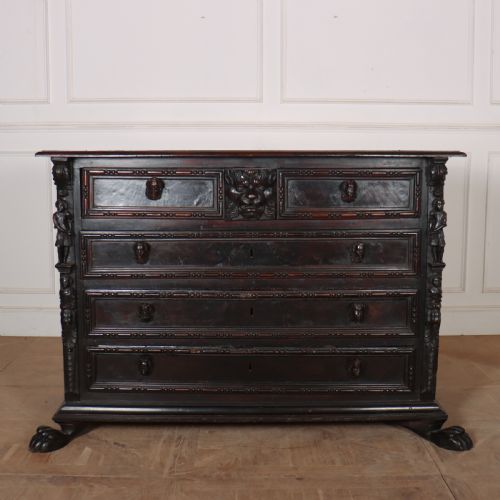
Regional variations span Italian Renaissance and Spanish Baroque designs through to German, Flemish, and Scandinavian interpretations. These heavy timber receptacles range from dome top boxes to inlaid chests of drawers and carved settles.
The aesthetic relies on dramatic proportions, architectural moulding, and rich wood grains. Surviving examples demonstrate the utilitarian yet decorative role these strongboxes played in historic domestic spaces.
Materials and construction
Construction relies heavily on dense hardwoods such as walnut, burr walnut, oak, fruitwood, and kingwood, selected for structural integrity and grain pattern. Cabinet makers utilised precise joinery alongside decorative marquetry and intricate carving to articulate the surfaces.
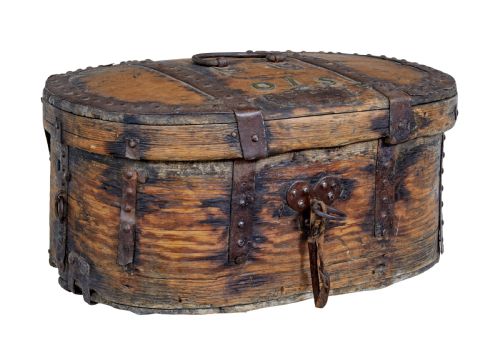
Metalwork played a critical role in both reinforcement and ornamentation, featuring heavy wrought iron mounts, strapwork, and brass hardware. Gilded details and painted finishes also appear on specific Italian and continental pieces, adding colour and texture to the timber.
Baroque Wooden Coffer Retail Price Guide 2026
Typical asking prices for baroque wooden coffer among the pieces listed under this phrase on Sellingantiques today, from the lower quarter to the upper quarter. They describe what is for sale here now, not the wider market.
Some seventeenth century strongboxes feature secret locking compartments ingenious enough to outsmart the most determined domestic snooper.
Assessing quality and execution
Quality in these strongboxes rests upon the selection of timber, such as highly figured burr walnut or dense oak, and the precision of the underlying joinery. Superior examples exhibit finely executed marquetry inlay and crisp, deep relief carving rather than mechanical duplication.
The sophistication of the ironwork and brass mounts distinguishes high-status commissions from utilitarian boxes. Original hardware and intact structural integrity elevate the piece, reflecting the skill of the original regional maker.
The Baroque Wooden Coffer Glossary
- Cofré forte
- A strongbox or reinforced chest designed for securing valuables, typically fitted with complex iron locking mechanisms. These heavy boxes served travellers and wealthy households alike.
- Cassone
- A traditional Italian chest or coffer used for storing household goods, often decorated with elaborate carving, gilding, or painted scenes. They held a prominent place in Renaissance and Baroque domestic interiors.
- Marquetry
- The art of applying decorative veneer pieces in wood to form geometric patterns or pictorial designs. This technique created rich surface textures across seventeenth and eighteenth century furniture.
- Wrought iron
- Iron shaped through heating and hammering by a blacksmith, producing durable structural bands and hinges. It provides both security and decorative contrast against the timber surfaces.
- Burr walnut
- A prized wood veneer showing intricate, swirling grain patterns formed from tree growths. Cabinet makers utilised this material to create highly decorative panels on elite furniture.
Baroque Wooden Coffer: Frequently Asked Questions
What is a baroque wooden coffer used for?
These robust pieces served historically for securing valuable textiles, documents, and currency within wealthy households. Today, they function as striking decorative storage units or coffee tables in living spaces.
Their heavy construction and secure locks made them essential items for travel and safekeeping during the seventeenth and eighteenth centuries.
How do I identify a seventeenth century coffer?
Seventeenth century pieces often display deep architectural mouldings, heavy oak or walnut timbers, and utilitarian wrought iron strapwork. Look for construction methods like hand-cut dovetails and pegged joints.
Stylistic markers such as Italian Renaissance influences or early Flemish and German baroque carvings also point firmly to this period.
Are these coffers made of solid wood?
Many examples are constructed from solid native timbers including oak, walnut, and fruitwood. Decorative versions frequently incorporate fine veneers like burr walnut or kingwood laid over a stable secondary wood.
This combination prevented warping while presenting a highly ornate exterior surface.
How do I care for antique wooden boxes?
Keep wooden coffers away from direct heat sources and dramatic humidity fluctuations to prevent timber splitting and veneer lifting. Regular dusting with a soft, dry cloth helps maintain the natural finish.
Avoid modern chemical polishes and feed the dry wood sparingly with traditional wax.