
Antique Wooden Captain Chair
An antique wooden captain chair provides solid comfort and steady support, making it a practical seating choice for a desk or study.
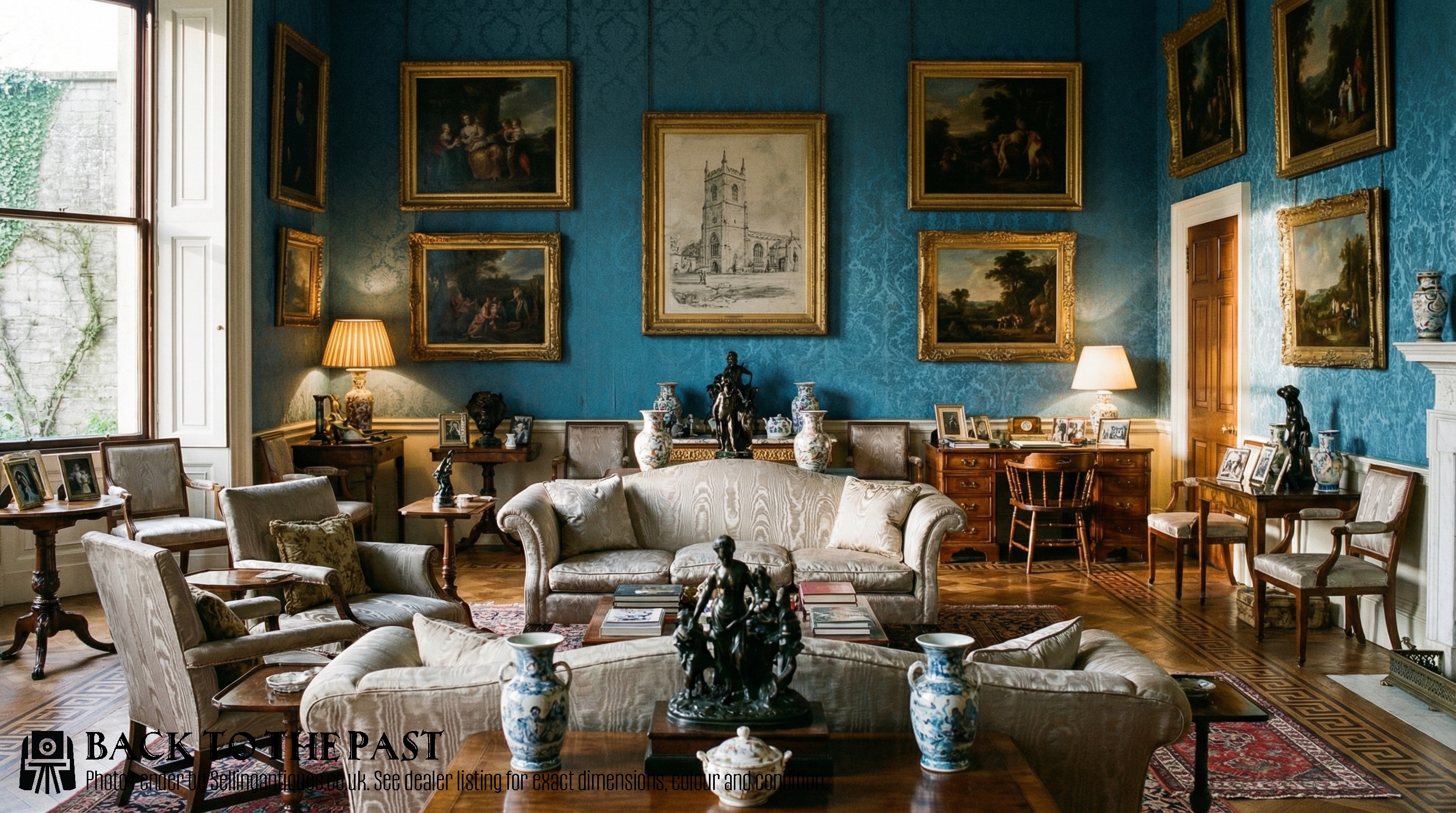
Antique Wooden Captain Chair
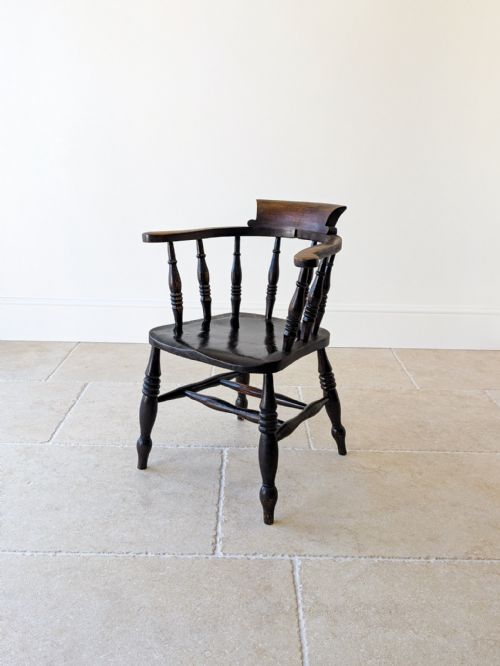
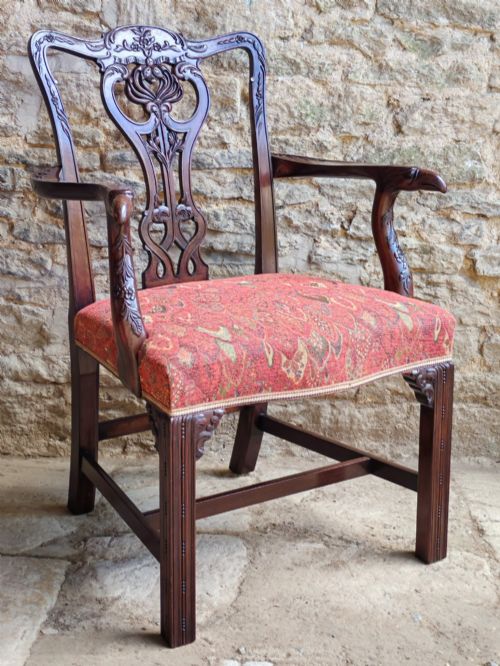
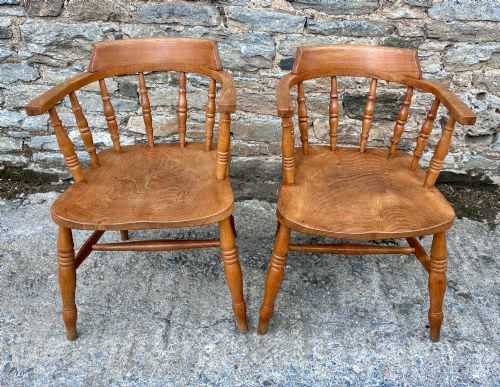
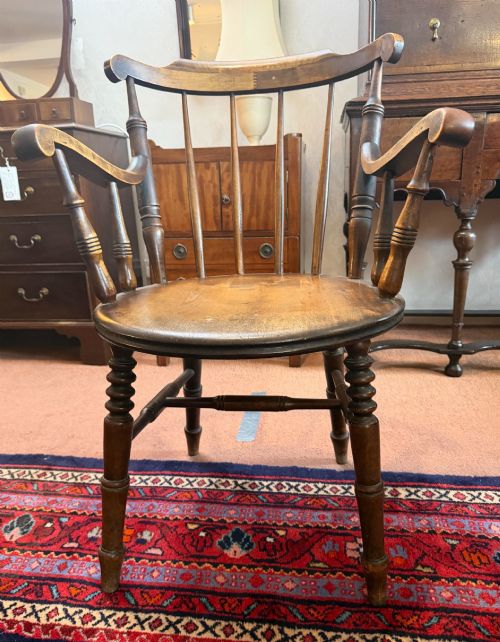
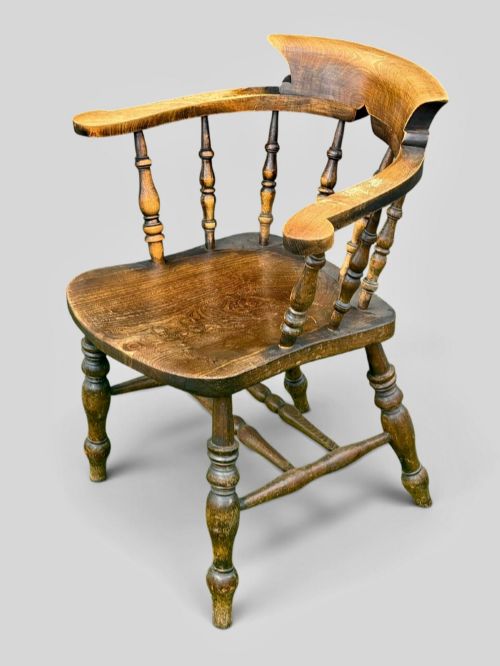
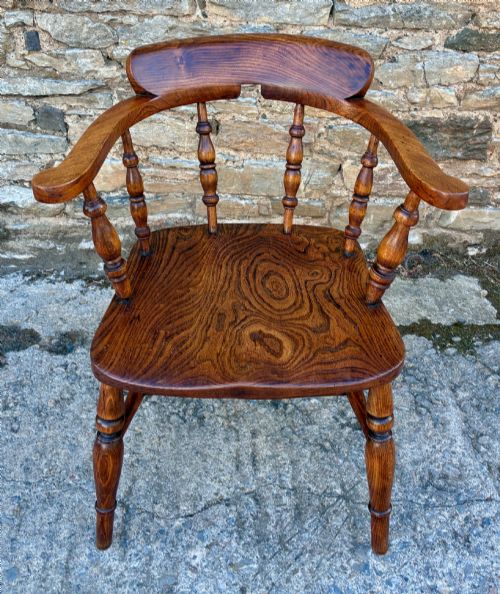
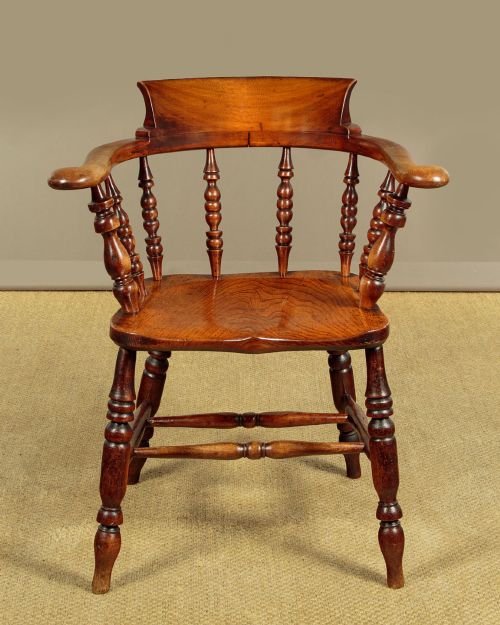
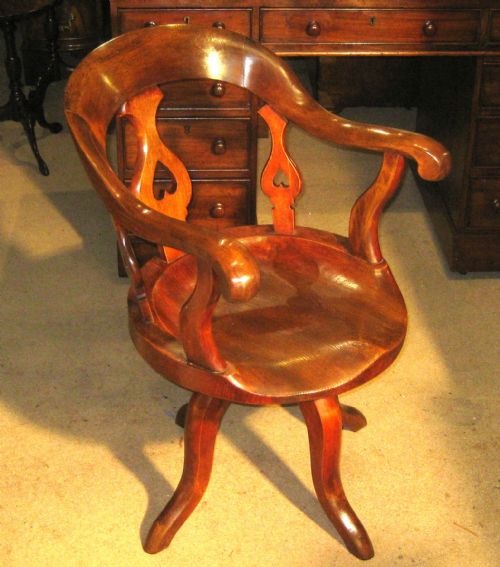
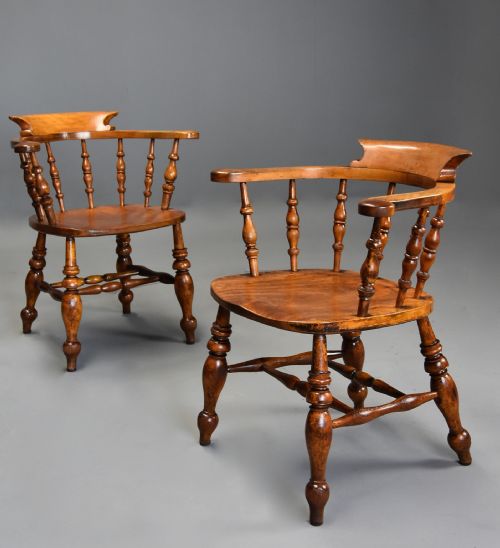
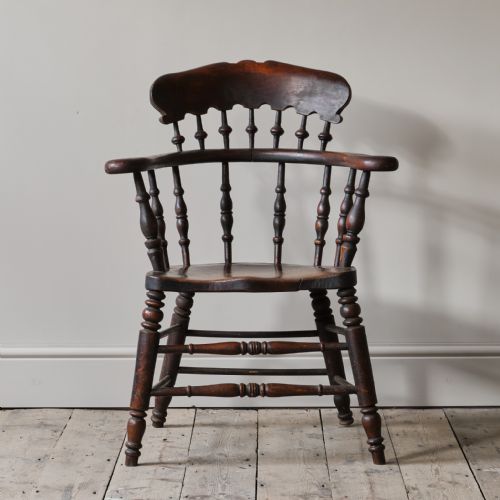
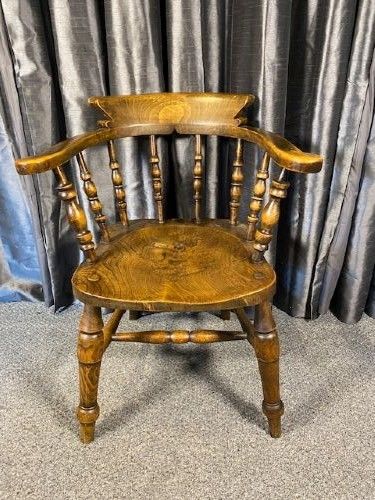
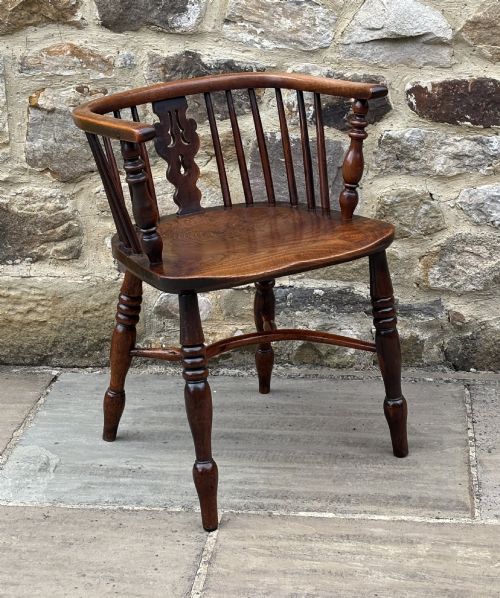
An antique wooden captain chair combines sturdy construction with low, curved backrests designed for reliable support during long hours at a desk or table. These pieces frequently appear in regional English styles such as the smoker's bow or Windsor tradition, often featuring spindle backs and generous armrests.
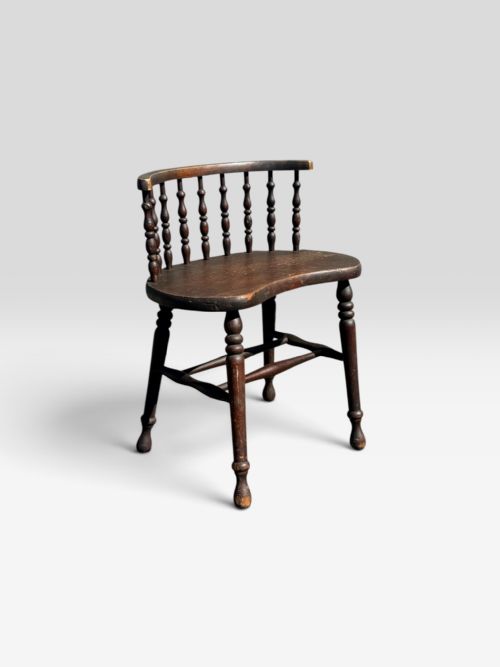
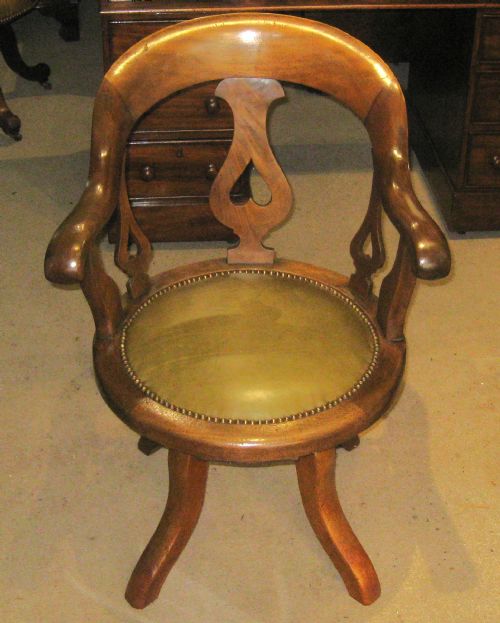
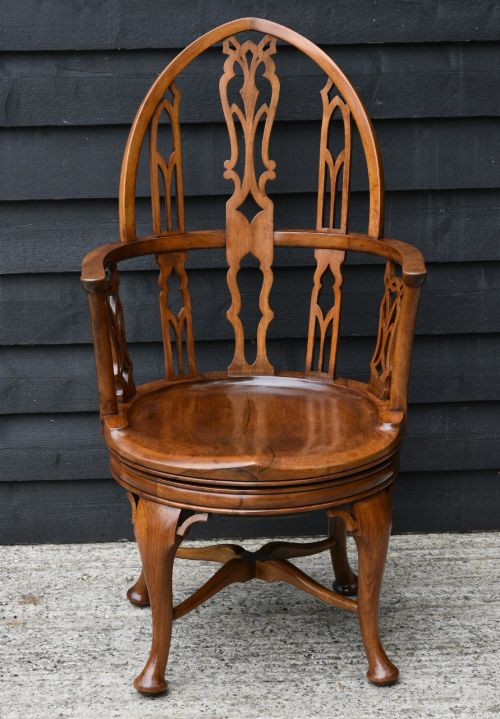
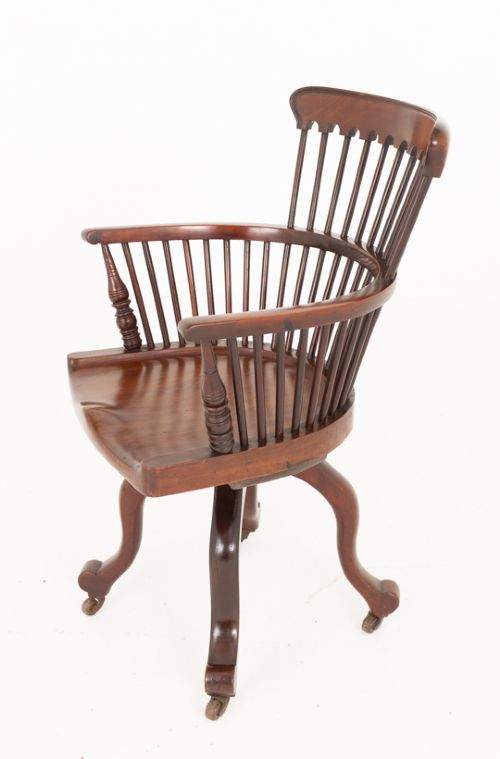
Most examples found here date from the Victorian and Edwardian eras, spanning the nineteenth and early twentieth centuries. Alongside standard desk chairs and carver chairs, buyers encounter revolving office seating and low-back models originating from country houses and studies.
Materials and Technique
Craftsmen built these chairs using durable timbers like elm, ash, beech, oak, mahogany, and walnut. Elm and ash provided tough, flexible components for curved back rails and arm bows, while oak, mahogany, and walnut formed solid frames and swivel mechanisms.
Joinery methods relied on traditional turning, steam-bending for continuous arm rails, and spindle construction. Some refined desk variants incorporated brass fittings, swivel actions, and leather upholstery pads for added utility.
Antique Wooden Captain Chair Retail Price Guide 2026
Typical asking prices for wooden captain chair among the pieces listed under this phrase on Sellingantiques today, from the lower quarter to the upper quarter. They describe what is for sale here now, not the wider market.
Several examples feature swivel mechanisms, letting nineteenth-century desk workers spin around while pondering their correspondence.
Judging Quality
The standard of timber selection and the integrity of the frame construction define the upper tier of these chairs. Grain patterns in woods like elm, mahogany, and walnut distinguish finer examples from standard utility seating.
Proportion and the execution of turned spindles or curved arm rails determine overall refinement. Chairs retaining original swivel mechanisms, rich surface patination, and uncompromised structural joints command greater interest.
Howard and Sons
The Antique Wooden Captain Chair Glossary
- Smoker's Bow
- A low-backed Windsor-style armchair featuring a continuous curved arm rail atop turned spindles. This form serves as a common precursor to the standard captain chair.
- Carver Chair
- An armchair designed to match a set of dining chairs, typically positioned at the head of a table. These pieces share similar stylistic details with standard side chairs in the same suite.
- Windsor Chair
- A traditional wooden chair constructed with a solid contoured seat into which legs and back spindles are wedged directly. Regional variations include low-back and spindle-backed designs.
- Aesthetic Movement
- A late nineteenth-century design style emphasising visual beauty over narrative subject matter. Furniture from this period often utilises walnut and clean structural lines.
- Gothic Revival
- An architectural and decorative style drawing inspiration from medieval forms. Pieces in this category incorporate pointed arches, heavy oak framing, and carved ecclesiastical details.
Antique Wooden Captain Chair: Frequently Asked Questions
What is an antique wooden captain chair?
An antique wooden captain chair is a sturdy armchair with a low, curved backrest designed originally for use at a desk or ship's table. They combine domestic comfort with practical, robust proportions.
These chairs typically date from the nineteenth and early twentieth centuries, encompassing styles like the smoker's bow and Windsor armchair.
How were captain chairs used?
Captain chairs served primarily as functional seating in studies, offices, and country houses. Their low backs allowed for ease of movement while seated at a desk or table.
Revolving desk variants later emerged to provide mobility for office workers and administrators during the Victorian period.
How do I identify a Victorian captain chair?
Victorian examples often employ native timbers such as elm, ash, and beech, or dense hardwoods like mahogany and oak. Look for steam-bent arm rails and traditional spindle construction.
Stylistic cues include turned legs, country house proportions, and occasionally swivel mechanisms fitted with brass components.
Are captain chairs comfortable for daily use?
Their ergonomic curved arm rails and supportive wooden seats make them well-suited for regular seating at a modern desk or dining table. Many buyers add a loose cushion for extra padding.
Solid construction in hardwoods ensures these chairs withstand daily use while maintaining their structural integrity.