

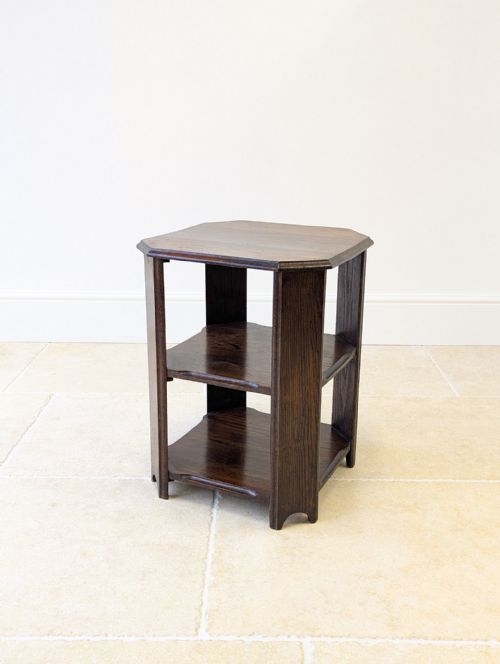


Antique Wooden Book Ends
Antique wooden book ends keep rows of volumes upright while bringing character to a desk or shelf through carved detail and varied timbers.
Antique Wooden Book Ends
When you search for antique wooden book ends, you find functional shelf accessories that range from simple Victorian extending slides to expressive carved animal figures. These items serve to organise volumes while adding period texture to a room, drawing on cabinet-making traditions from various decades.
The selections span different eras, including pieces from the nineteenth century alongside later examples from the nineteen-thirties. You encounter distinct regional styles and decorative motifs, connecting standard home organisation with historic craftsmanship.
How they were made
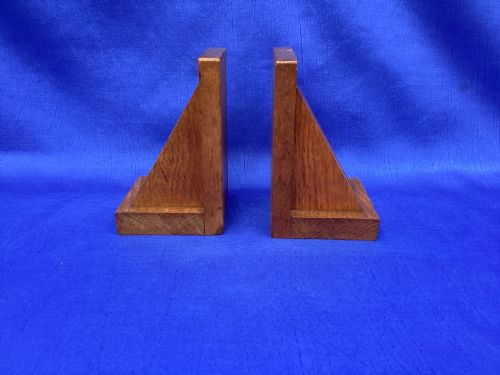
Craftsmen utilised traditional hardwoods such as oak, walnut, teak, and yew wood, often shaping them through manual carving and joinery. Artisans also incorporated contrasting materials like brass mounts, glass inserts, or bone details to accent the wooden structure.
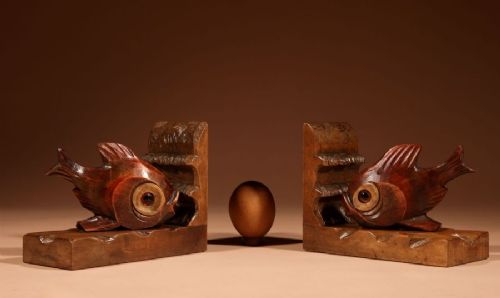
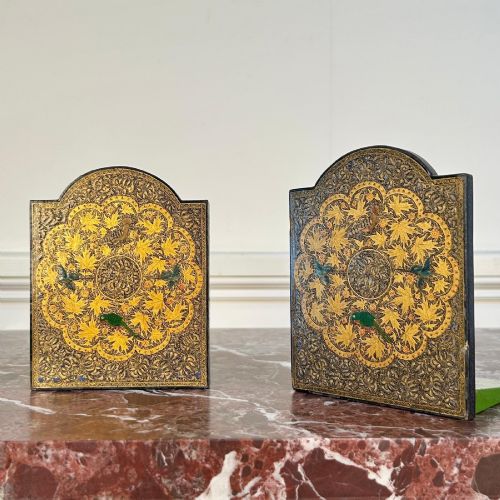
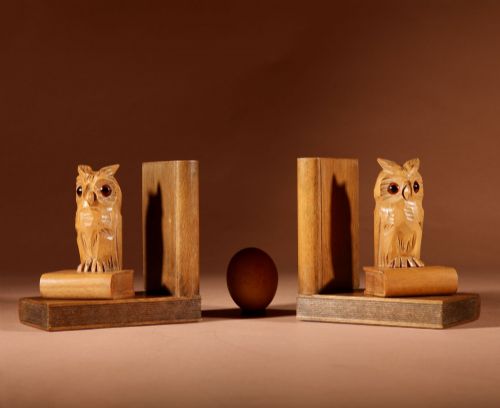
Specialised regional workshops applied techniques like Black Forest carving or Kashmiri surface decoration to timber blanks. These methods turned utilitarian items into decorative objects with deep relief work and contrasting finishes.
Antique Wooden Book Ends Retail Price Guide 2026
Typical asking prices for wooden book ends among the pieces listed under this phrase on Sellingantiques today, from the lower quarter to the upper quarter. They describe what is for sale here now, not the wider market.
Listings feature oak, linden wood, and coromandel across pieces dating from eighteen-hundred to nineteen-thirty.
What varies in quality
Material selection and structural integrity also separate tiers of quality, seen in the choice of dense timbers like coromandel or solid yew against simpler stained woods. Well-constructed joints and stable weighted bases ensure the object performs its task securely.
Thornton Smith Co.·Gordon Russell
The Antique Wooden Book Ends Glossary
- Black Forest carving
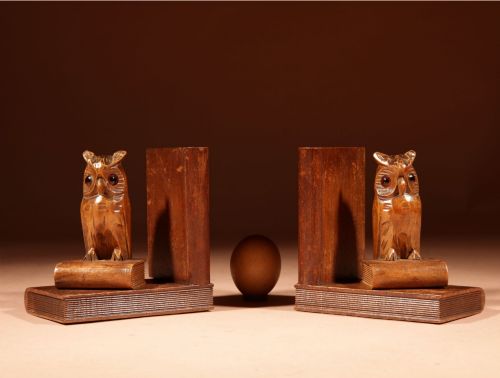
- A style of wood carving originating from Switzerland and Germany, noted for realistic animal subjects such as bears, owls, and dogs. Pieces are typically rendered in linden wood or walnut with deep undercutting.
- Arts & Crafts
- A design movement valuing handcraft, traditional materials, and simple construction over mass production. Objects from this tradition display honest joinery and minimal ornamentation.
- Coromandel
- A dense, heavy tropical hardwood prized for its rich dark colour and striking grain patterns. It was frequently used for luxury Victorian desk accessories and book slides.
- Cold painted
- A decorative technique where metal elements are painted with non-fired enamel colours. It appears on mixed-media pieces combining wooden bases with metallic animal figures.
Antique Wooden Book Ends: Frequently Asked Questions
How do I use antique book ends safely?
Place them on a flat shelf or desk surface with the weighted or extended base supporting the weight of the volumes. Ensure the wood does not rest directly against damp walls.
Keep the items away from direct heat sources to prevent the timber from splitting or warping over time. Dust the carved surfaces gently with a dry cloth.
What periods do these book ends cover?
The pieces span from the Georgian era through the Victorian period and into the early twentieth century. You see distinct stylistic shifts from nineteenth-century Gothic revival to Art Deco and Arts & Crafts designs.
Earlier examples often utilise timbers like yew and coromandel, while later twentieth-century pieces reflect modernist or regional carving traditions.
How do I distinguish extending book slides?
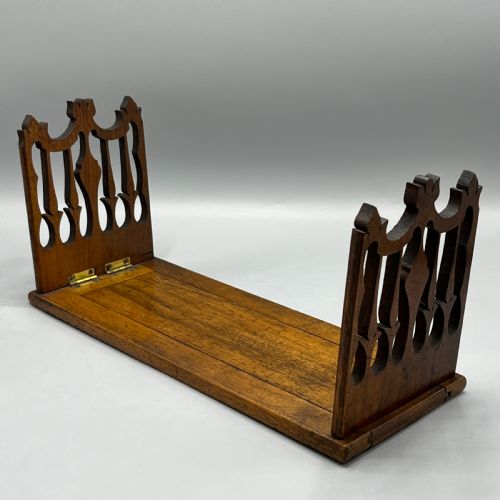
Extending book slides feature a central wooden platform with movable ends that slide outward to accommodate more volumes. They often incorporate brass hinges or sliding rails beneath the main board.
Standard book ends consist of two separate matching pieces rather than a single expanding unit. Both types served similar purposes in the home library.
What timbers were commonly used?
Cabinet makers utilised native and exotic hardwoods including oak, walnut, maple, teak, and yew wood. Lighter woods like linden wood were favoured in specific regional carving centres for detailed animal models.
Finer pieces sometimes feature dense decorative veneers or contrasting trims like ebony. Each timber type responds differently to polishes and ageing.