

Antique Wooden Board
An antique wooden board brings centuries of surface history into a room, spanning rustic elm planks, painted trade signs, and carved oak panels.
Antique Wooden Board
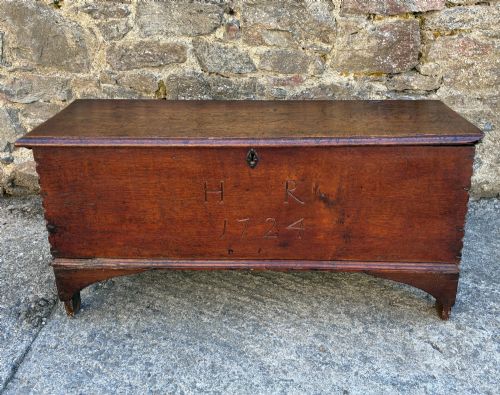
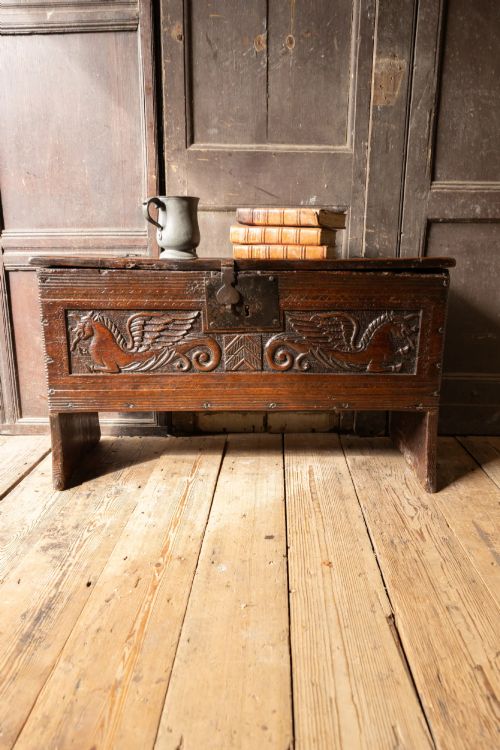
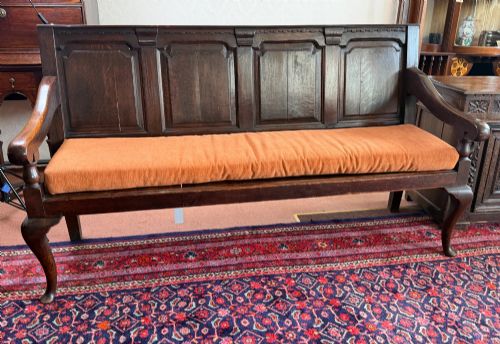
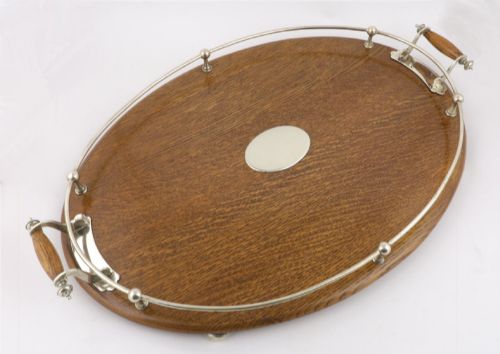
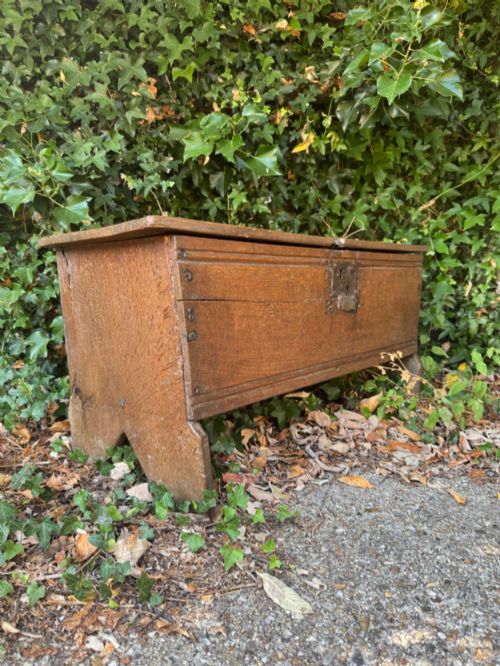
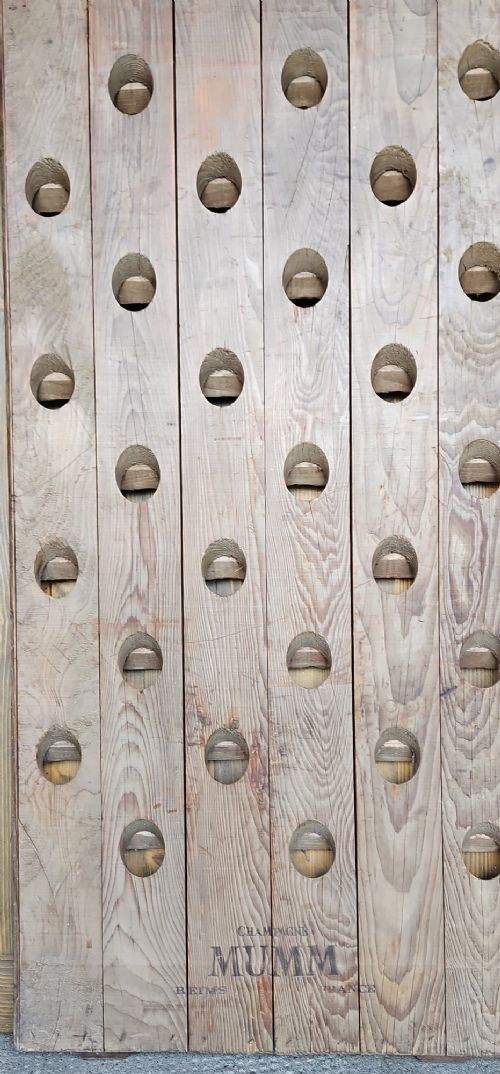
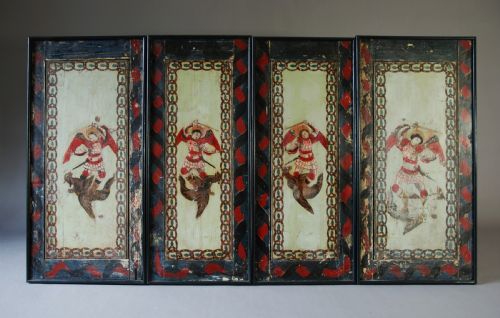
When buyers search for an antique wooden board, they encounter a diverse selection of utilitarian and decorative objects fashioned from timber across multiple centuries. The listings span from 16th-century boarded chests and elm six-plank coffers to 19th-century painted trade signs, hymn boards, and pub settles.
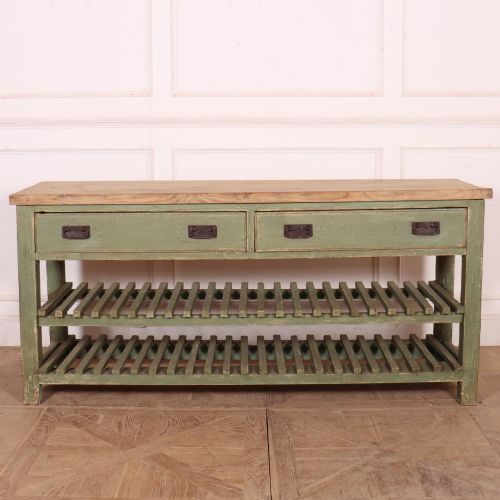
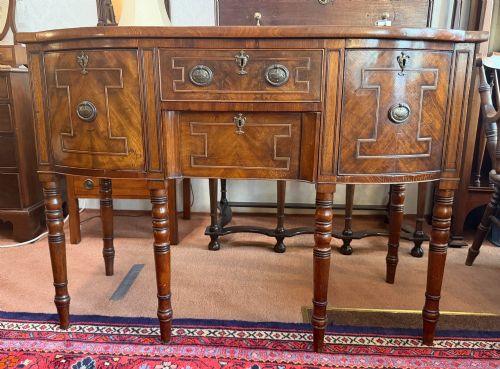
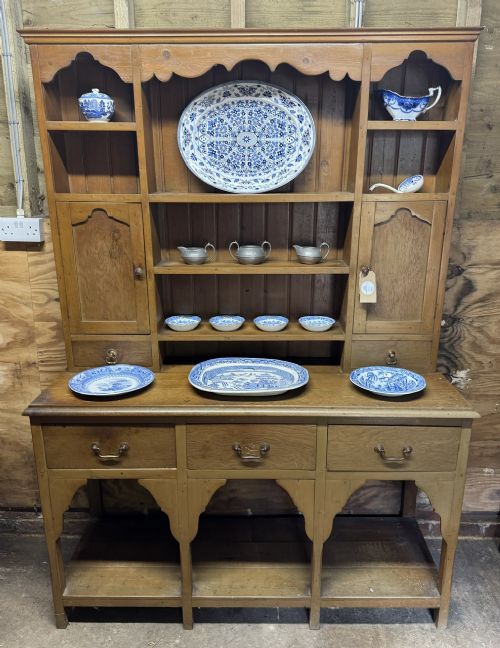
The domestic and commercial origins of these pieces vary widely, encompassing Welsh pine dresser bases, French provincial drapers tables, and oak dining tables. Many items served functional roles in public houses, schools, and shops before entering the decorative market.
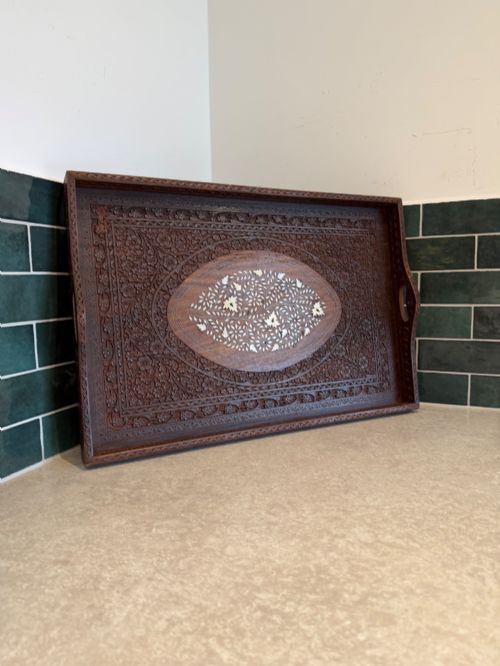
Alongside furniture components like two-board tabletops and refectory surfaces, the category includes specialised items such as Dutch Frisian mangle boards, Islamic prayer boards, and hardware sample boards. Paint, brass hooks, and iron fixings frequently accompany the primary timber structures.
Materials and construction
Makers relied primarily on native hardwoods and softwoods such as oak, elm, pine, and mahogany, selecting each timber for its grain and structural resilience. Boards were frequently joined using traditional pegging, dovetails, or iron hardware.
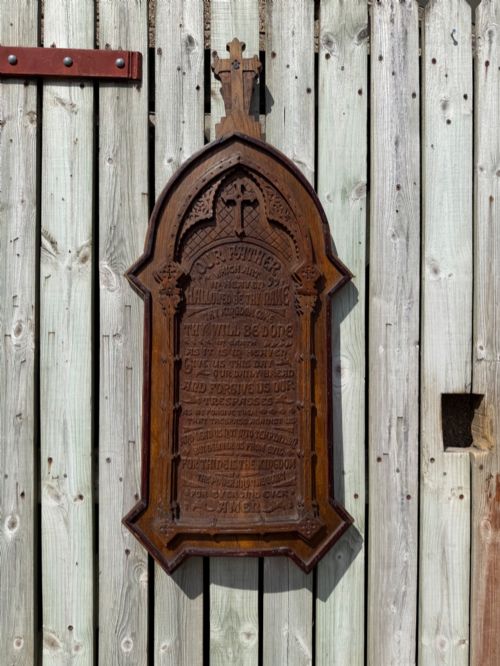
Surface treatment often involved hand-applied paint, wax, or varnish, resulting in layered patinas developed through decades of use. Carving, chip-carving, and lettering were executed directly onto the timber face using hand chisels and specialised pigments.
Listings feature oak, elm, pine, and mahogany across centuries ranging from the 16th century to the 1930s.
What separates examples
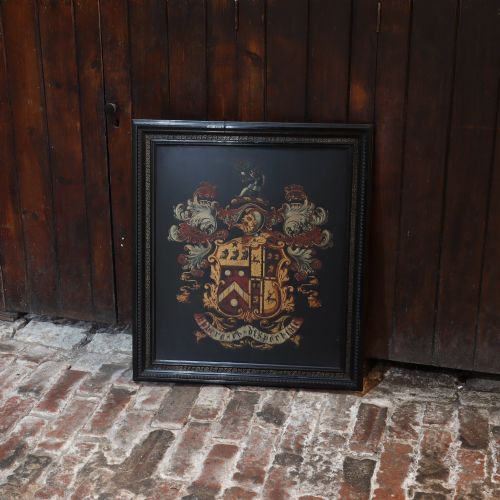
The integrity of the original surface and the presence of untouched patinas distinguish superior survivals from pieces with heavy modern restoration. Original painted lettering, heraldry, or early tool marks elevate the character of a board significantly.
Structural honesty and period-correct fixings, such as hand-wrought iron hinges or brass hooks, indicate a higher grade of craftsmanship. Pieces retaining their primary structural timber without extensive board replacement command stronger interest.
The Antique Wooden Board Glossary
- Plank coffer
- A primitive chest constructed from thick boards joined at the corners, often utilised for storage in early domestic settings.
- Mangle board
- A carved wooden board traditionally used in Scandinavia and Northern Europe with a rolling pin to flatten linen.
- Patina
- The deep surface sheen and coloration developed on timber and paint over centuries of handling and exposure.
- Refectory table
- A long dining table traditionally used in communal dining halls, frequently constructed with substantial wooden board tops.
- Trade sign
- A painted board or panel created to advertise a shop, profession, or public house to the public.
Antique Wooden Board: Frequently Asked Questions
What is an antique wooden board used for today?
These boards function primarily as decorative wall hangings, table surfaces, or architectural elements within contemporary interiors. Many owners mount painted trade signs or heraldic panels directly onto walls as focal art pieces.
Smaller items like serving trays, hymn boards, and hardware sample boards find practical placement on sideboards or desks, integrating historic utility into modern rooms.
How do I clean an old painted wooden board?
Cleaning requires a soft, dry cloth to gently remove surface dust without disturbing fragile paint layers or aged wax. Moisture and chemical solvents must be avoided entirely to preserve the historic finish.
Professional conservation advice should be sought if deeper cleaning is required, as aggressive scrubbing removes the original patina that defines the piece.
How can I tell the age of an antique board?
Dating relies on examining tool marks, timber shrinkage, construction methods, and the composition of any applied paint or lettering. Hand-sawn boards and early wrought iron fixings typically point toward earlier centuries.
Comparing the typology to dated examples, such as carved mangle boards with inscribed years, helps establish a reliable chronological bracket.
Were painted signs used outdoors?
Many trade signs and public house boards were built to withstand external elements using dense timbers like oak or elm. Protective lead-based paints and thick varnishes helped shield the wood from rain and sun.
Despite this durability, surviving outdoor boards frequently show characteristic weathering and paint fatigue accrued over generations of exposure.