



Antique Wooden Bar Counter
An antique wooden bar counter delivers character and presence to a room, offering genuine historic utility through time-tested materials and period forms.
Antique Wooden Bar Counter
When you search for an antique wooden bar counter, you encounter items designed for commercial or domestic hospitality, ranging from large front and back bars to individual tavern stools and home bars.
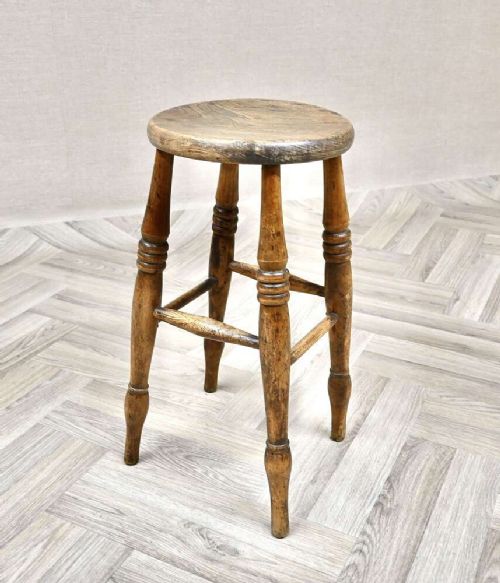
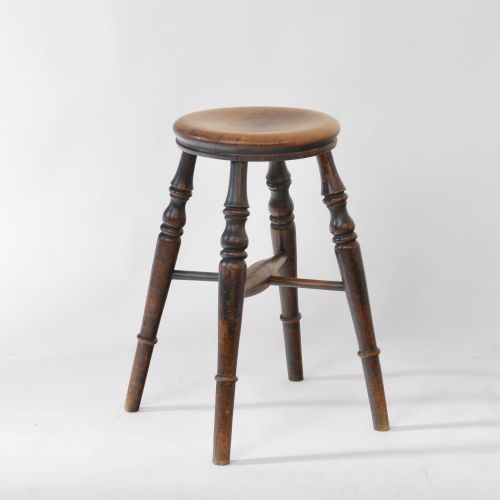
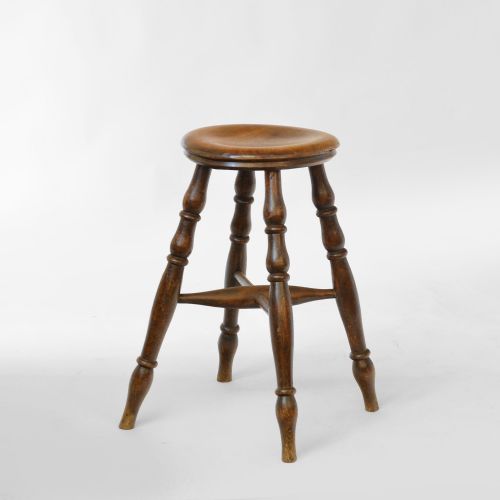
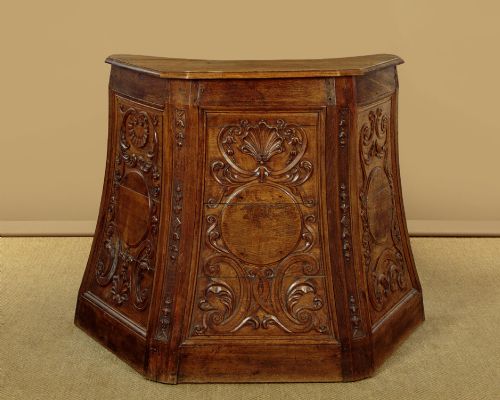
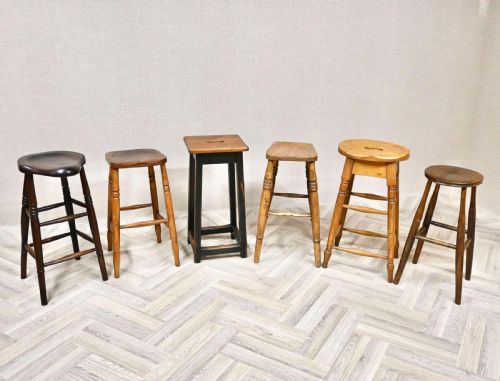
The most common forms on this page include nineteenth century clerk and tavern stools alongside larger reception stations and home bars.
These pieces originate from periods such as the nineteenth century, the Regency era, and the nineteen-twenties, reflecting domestic and public house settings.
How they were made
Joinery relies on solid timber construction using regional hardwoods and softwoods including elm, oak, beech, mahogany, pine, and birchwood.
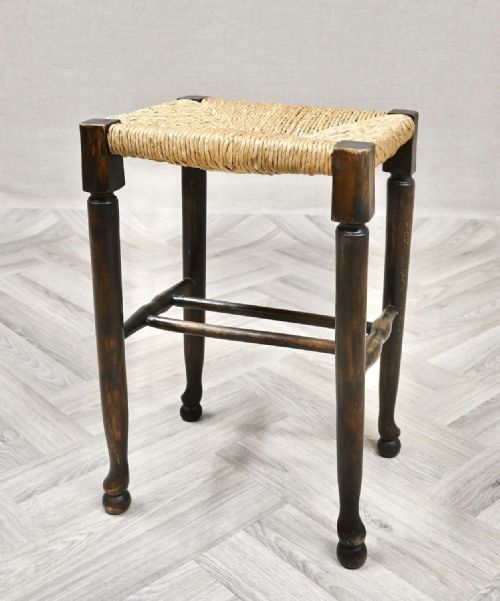
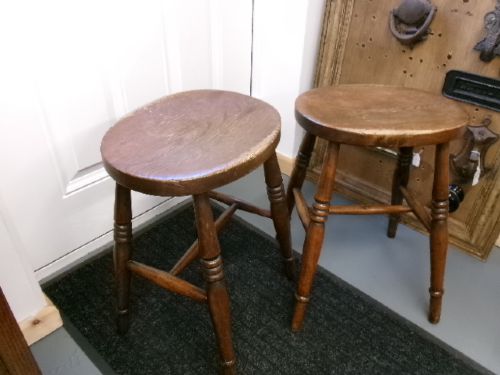
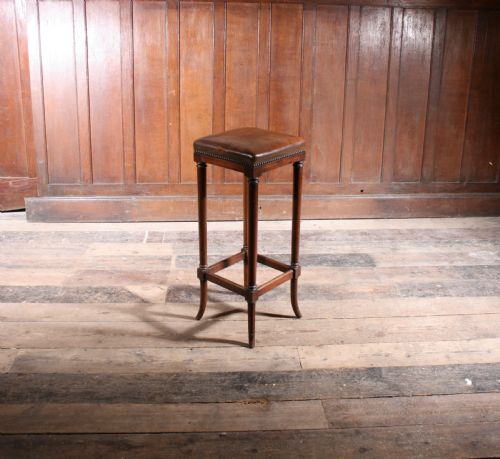
Surfaces feature turned elements, carved details, and dished wooden tops, occasionally paired with leather upholstery or rush seating.
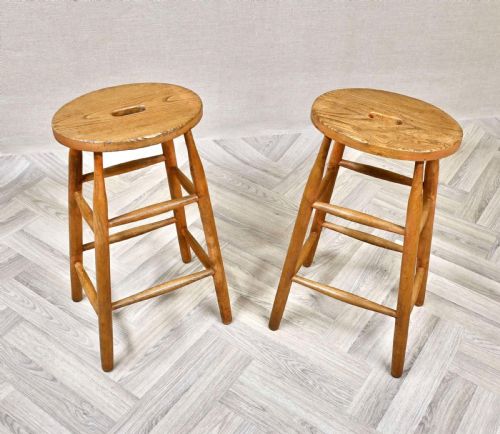
Several tavern stools feature deeply dished wooden seats polished smooth by generations of nineteenth-century patrons.
What varies in quality
Quality rests in the selection of timber and the integrity of the structural joinery, distinguishing sturdy commercial tavern furniture from lighter domestic pieces.
The sophistication of turning on legs and the retention of original surface patination separate standard examples from finer workshops.
The Antique Wooden Bar Counter Glossary
- Dished top
- A seat or surface hollowed into a shallow concave shape for comfort. This technique appears frequently on tavern and pub stools.
- Bentwood
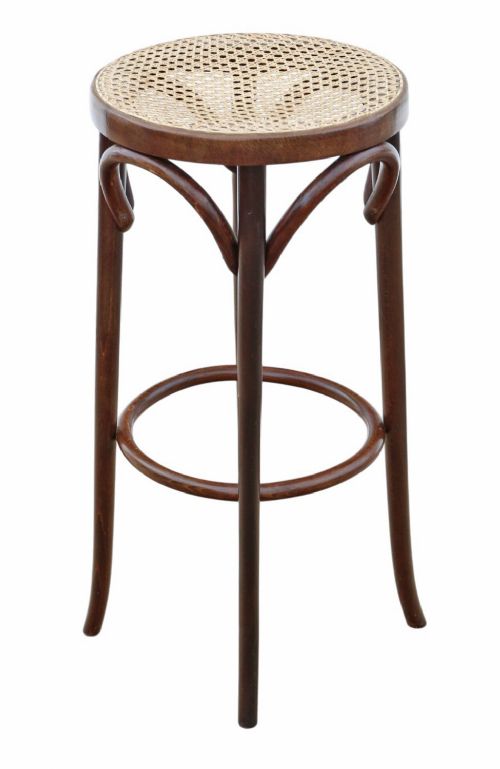
- Wood softened by steam and bent into curved forms. This method defines twentieth-century stools on the market.
- Clerk's stool
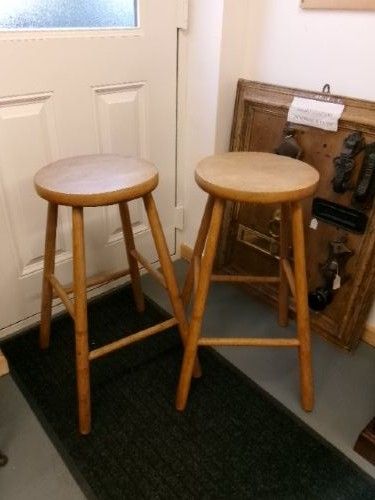
- A tall stool historically used at a high desk or counter. These typically feature turned wooden legs and sturdy footrests.
- Pub stool
- A robust seating piece made for tavern use. Elm, oak, and beech serve as common materials for these heavy-duty items.
Antique Wooden Bar Counter: Frequently Asked Questions
What is an antique wooden bar counter?
An antique wooden bar counter encompasses large hospitality furniture like front and back bars, reception stations, and smaller associated seating such as tavern stools.
These pieces originate from historic pubs, country houses, and commercial settings across various nineteenth and twentieth-century periods.
How were tavern stools used?
Tavern stools provided high seating around counters and pub tables for patrons consuming drinks or meals.
Their sturdy construction in woods like elm and beech allowed them to withstand heavy daily use in busy public houses.
How do I live with one?
Living with these pieces involves placing them in kitchens, home bars, or reception spaces where their historic timber contributes practical surface area or seating.
Routine maintenance requires simple dusting and conditioning to preserve the aged surface patination of the wood.
How do I tell periods apart?
Distinguishing periods relies on identifying characteristic construction methods, timber choices, and stylistic markers such as Regency mahogany or Victorian turned beech.
Earlier pieces often display hand-turned elements and native hardwoods like wild elm, whereas later twentieth-century items incorporate steam-bent components.