


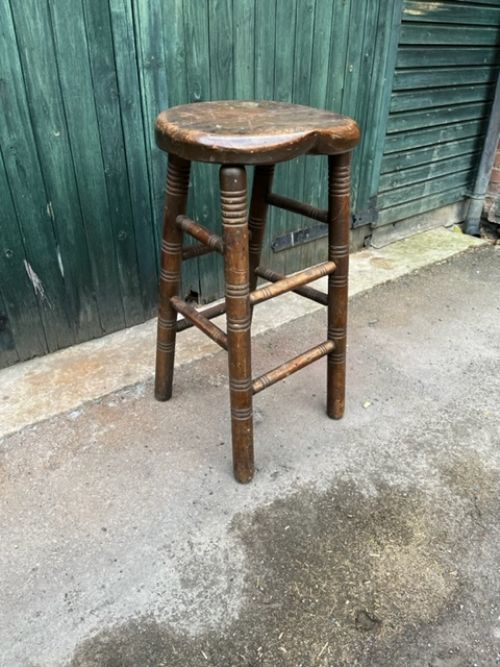

19th Century Bar Counter
A 19th century bar counter brings genuine pub character and sturdy historic utility straight into a modern interior.
19th Century Bar Counter
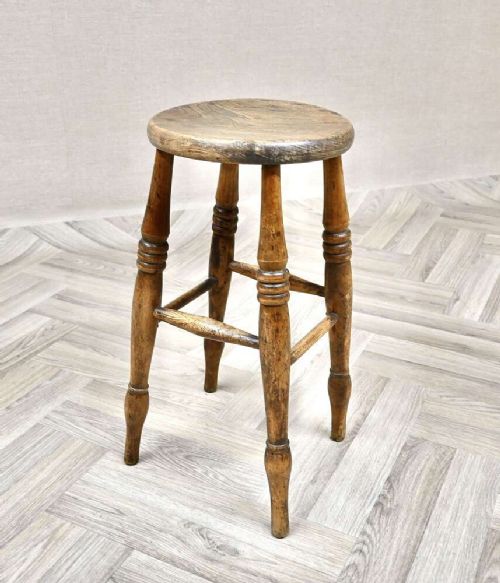
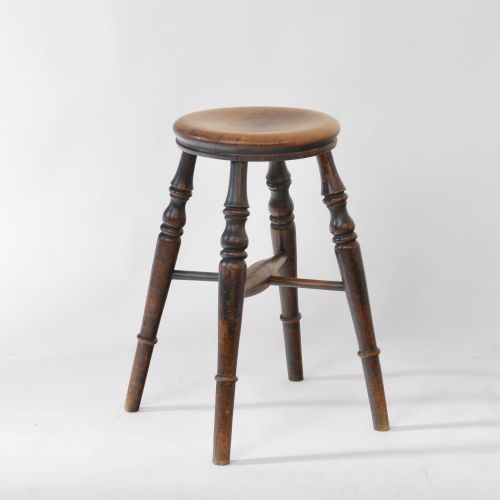
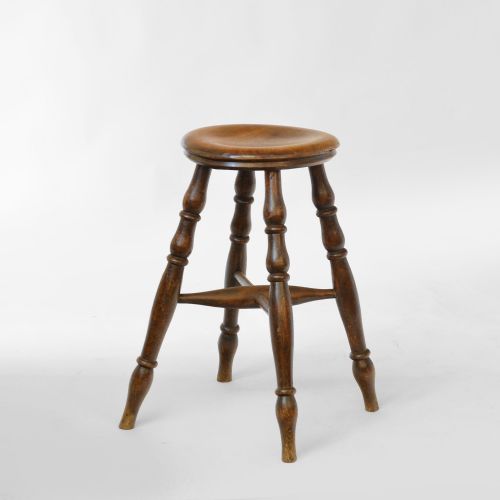
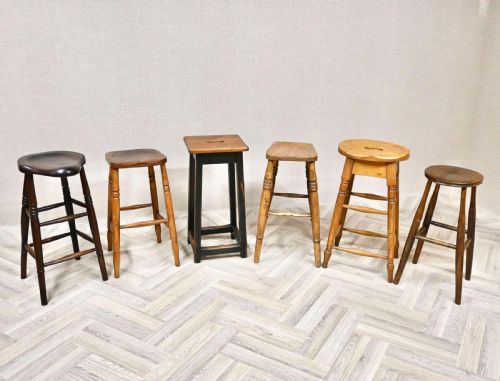
When you search for a 19th century bar counter, you are looking at substantial pieces of pub and tavern furniture designed for heavy daily use. The pieces seen here span the 19th century, Regency, and Victorian periods, taking the form of large front and back bar installations as well as accompanying tall stools.
You are most likely to meet tall stools made of sycamore, elm, beech, and mahogany, alongside complete dry bar setups in mahogany. These items originate from English vernacular and rustic farmhouse traditions, built to stand up to decades of lively trade.
The selection ranges from individual clerk's stools and pub seats to full room installations of Victorian mahogany. Each piece carries the marks of its working life in inns, taverns, and counting houses.
How they were made
Makers utilised dense timbers such as mahogany, elm, sycamore, beech, and birch to construct these heavy-duty bars and stools. Turning lathes shaped sturdy legs and spindles, while durable hardwoods formed the counter surfaces and structural frames.
Joinery techniques prioritised absolute rigidity, employing pegged mortise and tenon joints to withstand constant leaning and heavy loads. Upholstered elements on specific stools added a layer of comfort for patrons sitting at tall counters.
Listings feature items built from elm, mahogany, pine, beech, sycamore, hardwood, and oak across the 19th Century, Regency, and Victorian periods.
What varies in quality
The distinction between standard utility items and finer examples lies in the choice of timber and the sophistication of the turning work. Plain beech or birch clerk's stools served purely functional roles, whereas figured mahogany and well-figured wild elm show greater visual ambition.
Proportion and scale also separate the ordinary from the exceptional, particularly in tall stools where slender turned legs must balance physical height with structural grace. Original surfaces and untouched timber patination elevate pieces far above those stripped and over-restored.
The 19th Century Bar Counter Glossary
- Vernacular
- Everyday objects made by regional craftsmen without high-style academic pretensions. These pieces reflect local timber availability and practical needs.
- Dry bar
- A furniture installation designed for serving and storing drinks without a permanent plumbed water supply. They often feature integrated shelving and counter space.
- Turned
- Shaped on a lathe by rotating the wood against a cutting tool. This technique produced the slender, symmetrical legs found on tavern stools.
- Patina
- The surface sheen and colour developed by wood through decades of handling, polishing, and exposure to light. It acts as a visual record of age.
- Clerk's stool
- A tall seat traditionally used at high writing desks or counting tables. Their elevated height makes them a direct historical match for bar counters.
19th Century Bar Counter: Frequently Asked Questions
What woods were used for these bars?
Makers selected timbers based on availability and strength, employing mahogany for grand front and back bar assemblies. Hardwoods such as elm, sycamore, beech, and birch were chosen for stools due to their resistance to splitting under heavy use.
These domestic and imported woods weathered decades of pub life, acquiring deep patinas that reveal their material origins.
How were tall pub stools used?
Tall stools provided seating for patrons at raised tavern counters and around public house rooms. They were also utilised by clerks working at elevated desks in counting houses.
Their robust construction allowed them to endure constant movement and heavy daily weight without failing.
How do I care for antique timber?
Keep wooden counters and stools away from direct heat sources and sudden temperature changes to prevent the timber from warping or splitting. Feed the wood occasionally with appropriate wax to preserve the historic finish.
Avoid excessive moisture on unsealed surfaces and clean gently with a soft, dry cloth.
Are these pieces from the Victorian era?
Many examples date specifically to the Victorian period and the wider 19th century, reflecting the golden age of the British public house. Stylistic indicators include turned beech or birch legs and rich mahogany construction.
Earlier Regency pieces also appear, distinguished by specific timber choices and classical turning profiles.