




Victorian Pub Counter
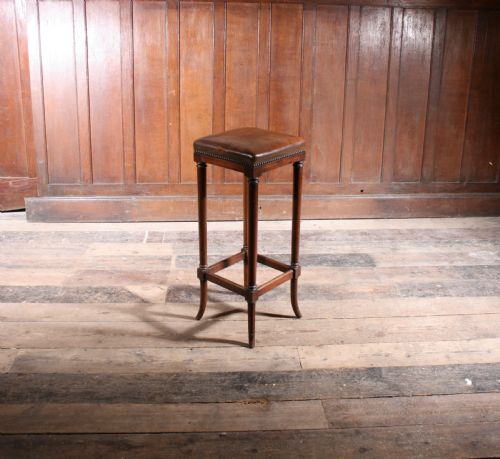
These robust victorian pub counter pieces and associated seating anchor a room with unpretentious weight, offering tactile wood and honest utility for modern living.
Victorian Pub Counter
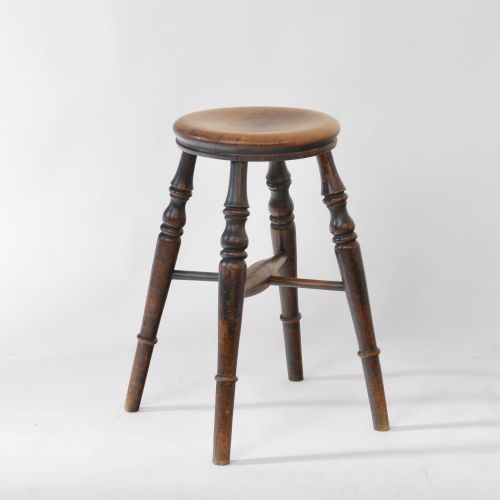
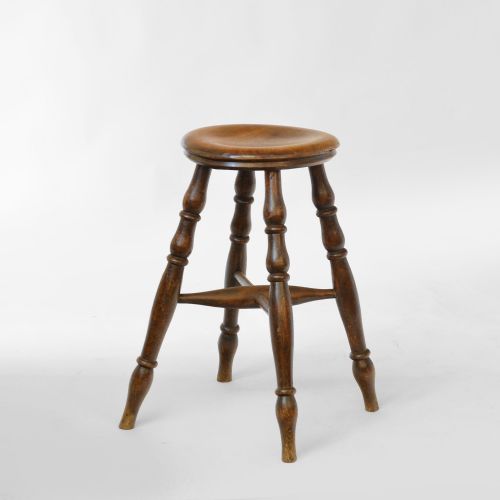
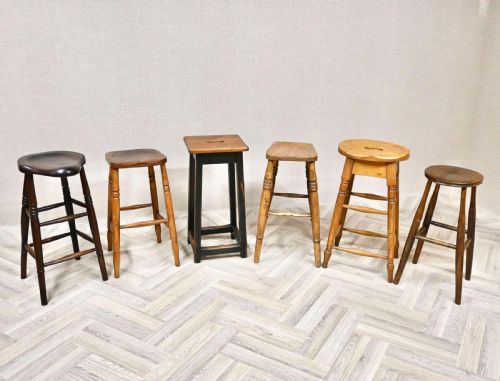
A victorian pub counter search reveals sturdy timber bars and heavy-duty seating designed for commercial service, bringing domestic character into modern interiors. Most examples on this page comprise nineteenth-century stools, tavern seating, and full front and back bar configurations.
The objects span rustic farmhouse interpretations and Victorian vernacular styles, reflecting the utilitarian needs of historical hostelries. Makers constructed these items from domestic hardwoods intended to withstand heavy daily use without losing their functional charm.
Materials and construction
Makers relied on durable native hardwoods including elm, beech, sycamore, oak, pine, and mahogany, shaping tops and supports for maximum endurance. Turned elements appear frequently in the legs and stretchers, showing standard nineteenth-century carpentry techniques.
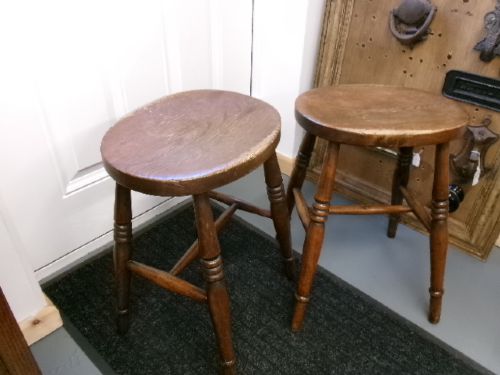
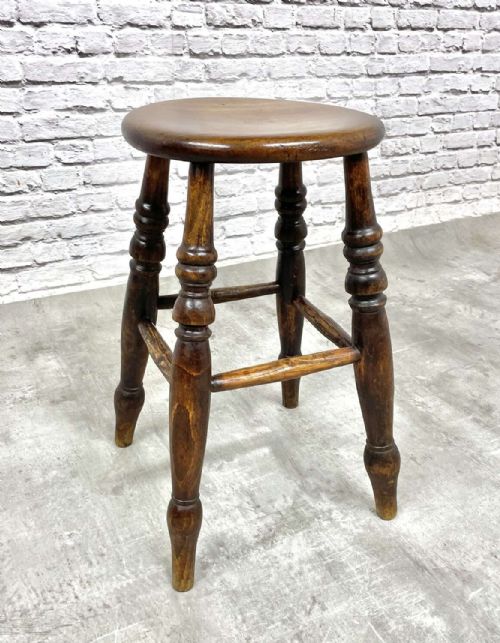
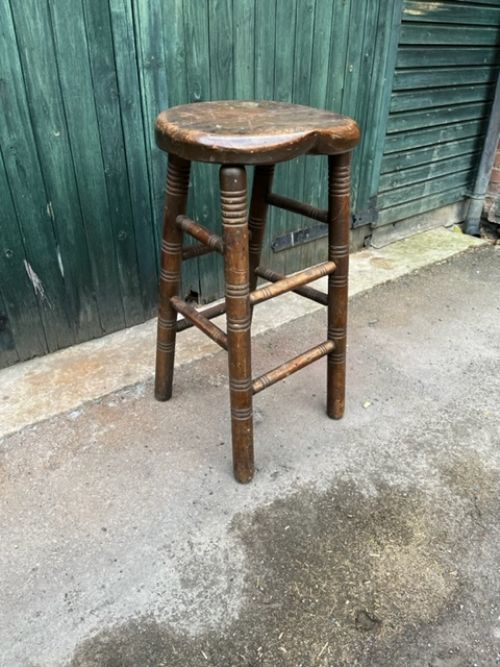
Solid timber preparation dominates the inventory, with oval dished tops carved directly from the plank to ensure comfortable seating over long hours. Exposed joints and straightforward joinery methods define the structural integrity of every surviving piece.
Several stools on this page retain subtle depressions in their wooden seats, carved by generations of pub patrons who sat a little too long.
Judging the range
Quality separates through the selection of timber and the complexity of the turning on legs and supports, distinguishing basic utilitarian output from finer workshop production. Denser hardwoods and deeply dished wooden seats show superior craftsmanship compared to simpler plank variations.
The preservation of original surface patination dictates the visual appeal of each piece, as decades of use create distinct wear patterns across the wood. Superior examples retain their structural stability while displaying the authentic marks of their tavern origins.
The Victorian Pub Counter Glossary
- Vernacular
- Everyday architecture or objects made by traditional craftsmen without academic design input. These pieces prioritize local utility over high-style fashion.
- Dished top
- A wooden seat hollowed into a shallow concave shape for comfort. This technique appears frequently on nineteenth-century tavern seating.
- Turned
- Shaped on a lathe to create cylindrical or decorative wooden components. This method produces uniform legs and stretchers for stools.
- Hardwood
- Dense timber from broad-leaved trees such as oak, beech, and mahogany. These materials provide the necessary strength for commercial pub furniture.
Victorian Pub Counter: Frequently Asked Questions
What defines a Victorian pub counter?
These assemblies consist of substantial timber front and back bars designed for nineteenth-century drinking establishments. They incorporate durable hardwoods and practical surfaces built for heavy commercial patronage.
Today, homeowners repurpose these elements as focal points in domestic kitchens or entertaining spaces. Their robust construction ensures they handle modern use just as effectively.
How do I identify a tavern stool?
Tavern stools feature tall profiles, sturdy wooden legs, and frequently an oval dished top designed for extended sitting. Turned supports and stretchers provide additional bracing against lateral movement.
Materials typically include sycamore, beech, or elm, displaying the simple lines characteristic of nineteenth-century vernacular furniture.
Where were these pieces originally used?
Makers built these counters and stools for nineteenth-century pubs, taverns, and commercial alehouses across Britain. The furniture endured constant daily wear from patrons standing or sitting at the bar.
Survivors carry the distinctive patination and knocks acquired during decades of active service in public houses.
How do I care for antique pub furniture?
Maintain the timber surfaces by applying appropriate natural waxes to nourish the grain and protect against moisture. Avoid placing solid wood pieces near direct heat sources to prevent timber splitting.
Regular dusting with a soft cloth preserves the historic patination accumulated over more than a century of existence.