




Antique Wooden Artefacts
These antique wooden artefacts comprise diverse carved implements, tribal objects, and ecclesiastical pieces shaped from hardwood and oak over several centuries.
Antique Wooden Artefacts
When someone searches for antique wooden artefacts, they encounter a broad category spanning indigenous items, maritime gear, and religious carvings. The selection covers functional implements alongside sculptural objects created across different continents.
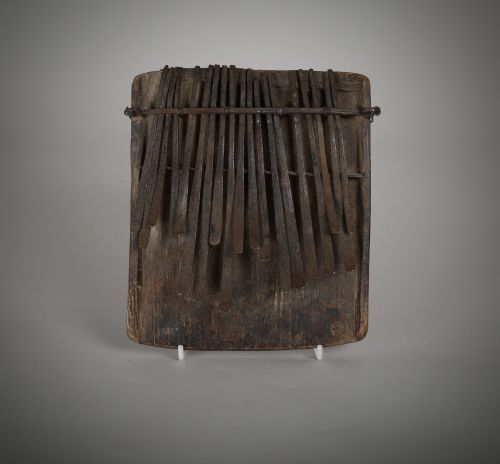
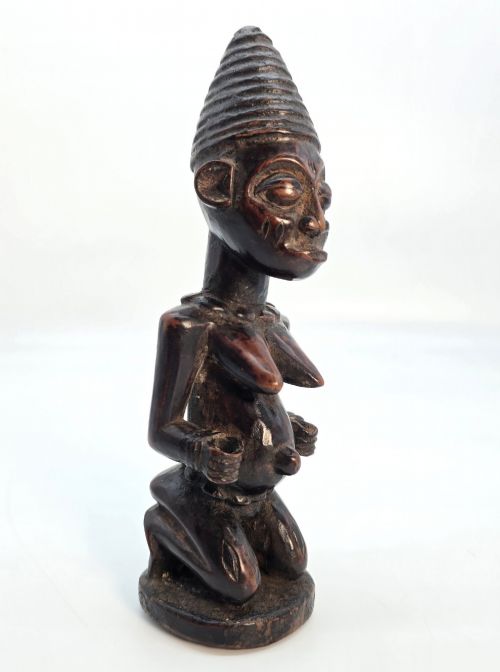
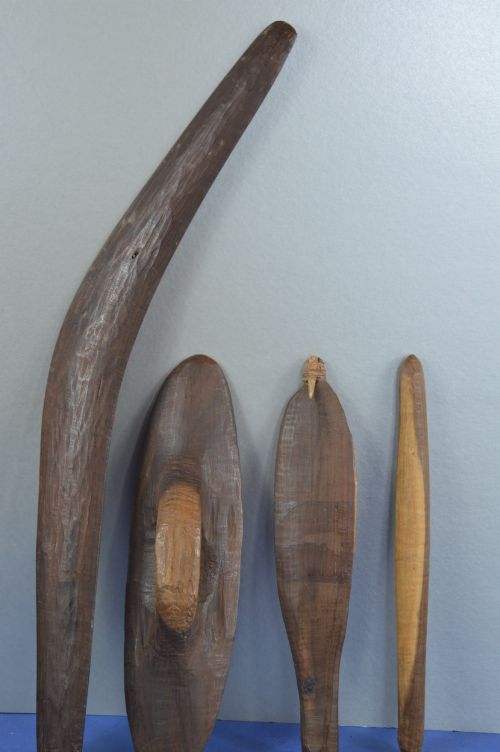
The most common pieces on this page are 19th century items, particularly tribal throwing clubs, ceremonial masks, and ethnographic objects from African, Oceanic, and Australian sources. Alongside these sit European ecclesiastical carvings and maritime elements.
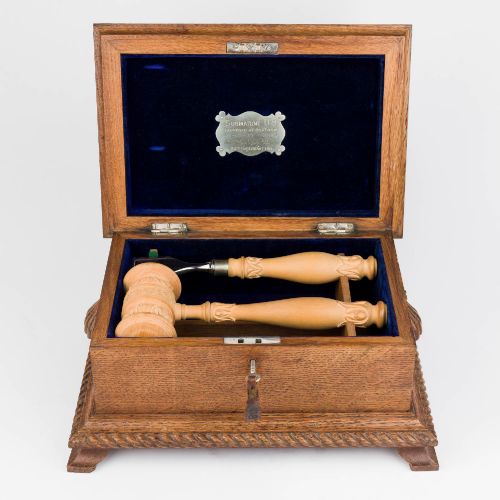
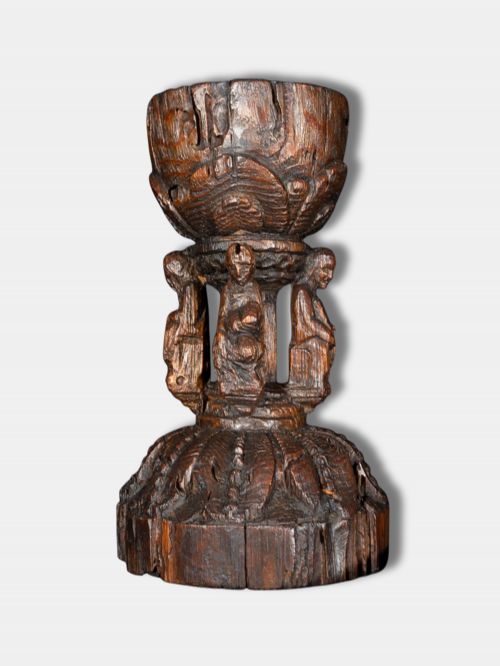
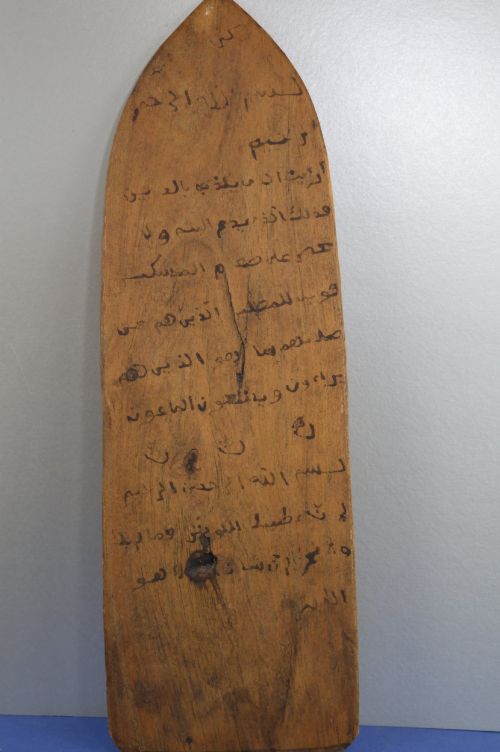
Objects range from practical tools such as ship pulleys and plumbers' sets to ritual figures, prayer boards, and architectural tabernacles. Each item reflects the specific material culture and woodworking traditions of its origin.
Materials and construction
Makers shaped these pieces predominantly from hardwood, indigenous hardwood, oak, and elm, selecting timbers suited to both durability and intricate carving. These natural materials show grain patterns and surface textures developed through age and handling.
Techniques combine hand carving with structural joinery, surface polychrome painting, and occasional additions of bone, iron, or brass. Tool marks left by chisels and gouges remain visible on many surfaces, recording the direct interaction between maker and material.
Antique Wooden Artefacts Retail Price Guide 2026
Typical asking prices for wooden artefacts among the pieces listed under this phrase on Sellingantiques today, from the lower quarter to the upper quarter. They describe what is for sale here now, not the wider market.
The listings span periods from the sixteenth century to the 1930s, utilising oak, elm, hardwood, and iron.
Assessing quality and character
Quality rests in the sculptural depth of the carving and the integrity of the original surface patina. Pieces that retain their unpolished age-related wear and original paint or pigment carry greater visual conviction.
The sophistication of the form and the clarity of regional motifs distinguish finer examples from standard work. Balance in utility objects and expressiveness in figures determine the standing of each piece.
The Antique Wooden Artefacts Glossary
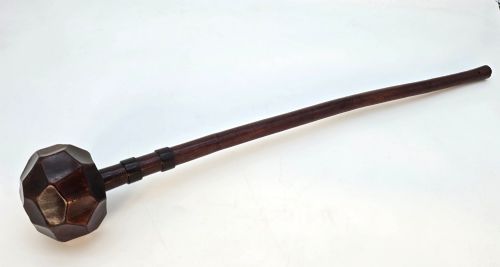
- Knobkerrie
- A traditional African wooden club featuring a heavy ball or knob at the end of a shaft. It functions as both a weapon and a status symbol.
- Woomera
- An Australian Aboriginal spear-thrower that increases the leverage and velocity of a launched spear. It often doubles as a small tray for carrying items.
- Polychrome
- The practice of decorating architectural elements or sculptures in multiple colours. Pigments are applied directly to the wood surface.
- Tabernacle
- An ornate architectural structure or receptacle, often housing sacred objects. Italian examples from the seventeenth century utilise carved wood details.
- Pulley block
- A maritime wooden housing enclosing one or more sheaves for ropes on a vessel. Elm is frequently utilised for durability in marine environments.
Antique Wooden Artefacts: Frequently Asked Questions
What defines antique wooden artefacts?
Antique wooden artefacts include carved objects, tools, weapons, and sculptures produced from timber in centuries past. They encompass diverse global traditions from tribal items to European maritime and religious pieces.
These items derive their significance from function, cultural context, and the quality of historical hand carving.
How do I identify the age of wooden items?
Age is assessed through tool marks, wood shrinkage, surface patina, and stylistic markers consistent with specific periods. Hardwood and oak develop distinct dry surfaces and wear patterns over generations.
Comparison with documented examples from similar regions helps narrow down the production century.
How should I care for old wood?
Old wooden artefacts require stable indoor humidity and protection from direct sunlight to prevent cracking or warping. Gentle dusting with a dry cloth preserves the fragile historic surface.
Avoid applying modern waxes or oils unless the specific timber treatment requires specialist conservation advice.
Where do these wooden objects originate?
The pieces originate from global sources including West and Central Africa, Aboriginal Australia, the Oceanic islands, Asia, and Europe. Each region contributed distinct forms shaped by local timber availability and cultural practices.
Collection histories often reflect trade, exploration, and maritime activity over the eighteenth and nineteenth centuries.