
Antique Wooden Animal Figures
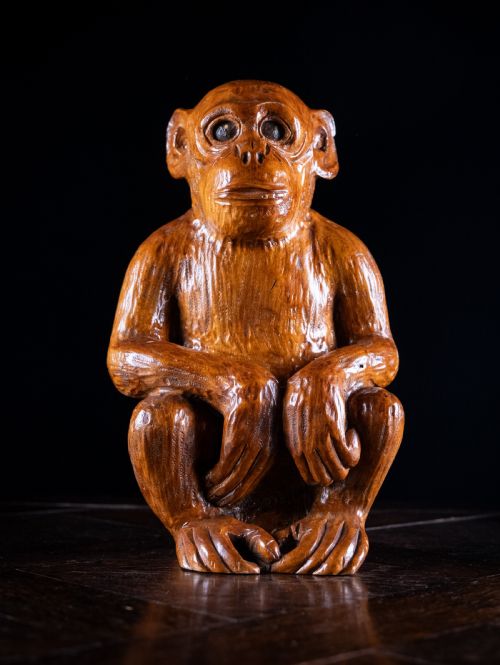
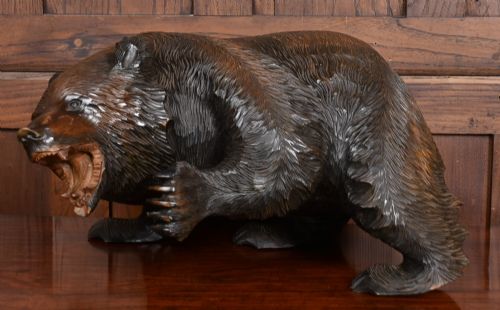
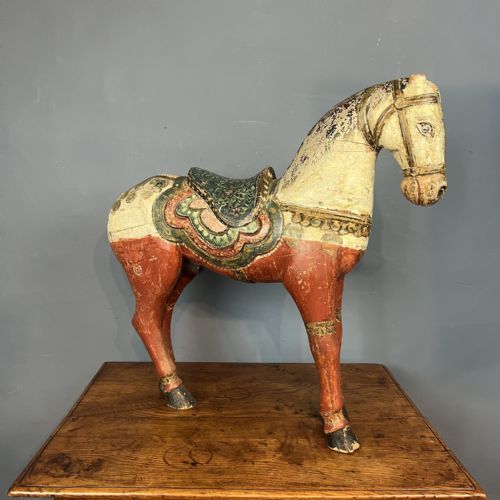
These antique wooden animal figures span centuries of craft, offering charming bears, lions and horses shaped by diverse regional hands.
Antique Wooden Animal Figures
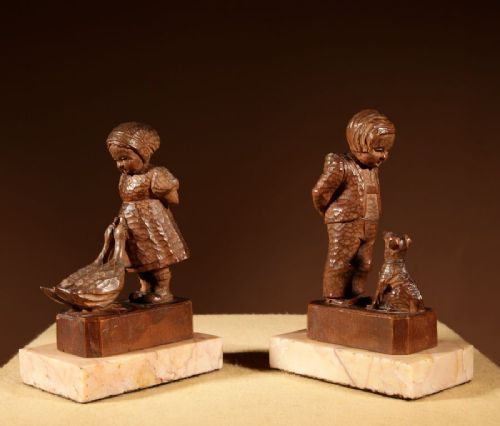
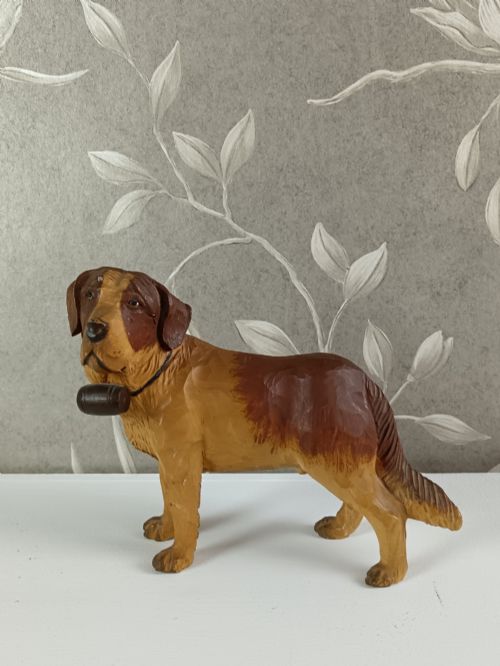
When buyers search for antique wooden animal figures, they examine sculptures, bookends and decorative carvings depicting creatures from bears and lions to horses and elephants. The pieces span periods from the seventeenth century through the mid-twentieth century, with nineteenth-century examples appearing frequently alongside Victorian and Edwardian items.
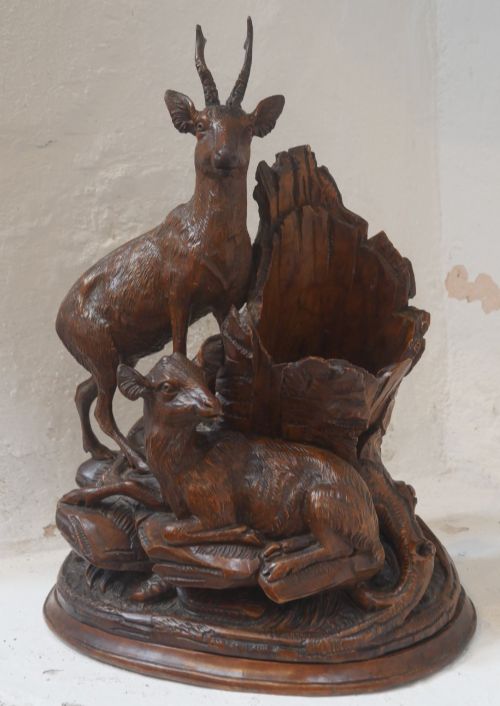
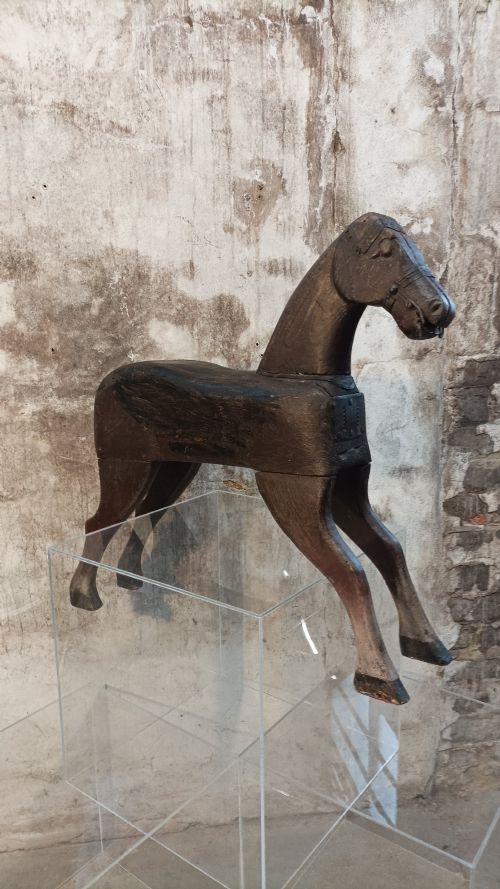
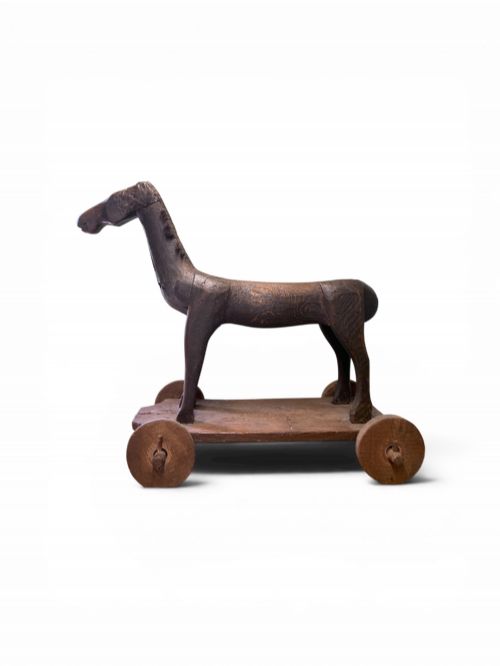
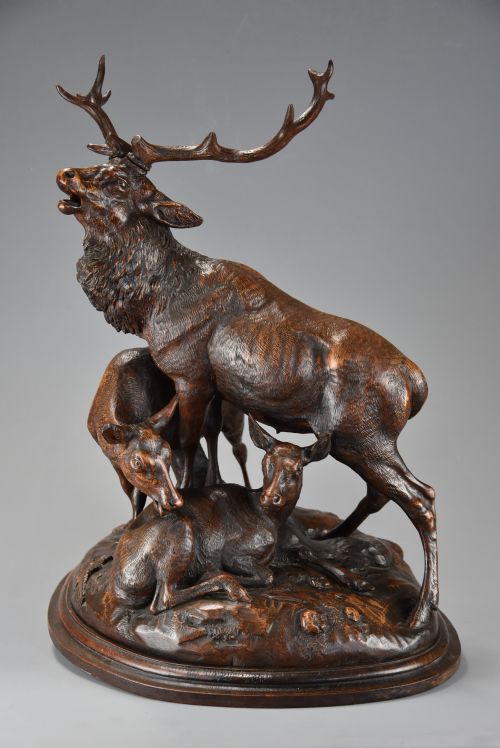
Makers shaped these subjects within distinct regional traditions, producing Black Forest fauna, Asian carvings in hardwood, and European folk art pieces. Forms range from individual animal statues and bookends to carousel figures and display pieces.
The assortment on this page reflects both domestic folk traditions and international workshops. Buyers encounter everything from naive toys to detailed alpine carvings and colonial studies.
Materials and construction methods
Techniques range from naive hand-carving to intricate multi-piece assembly and detailed finishing seen in European and Asian workshops. Artisans shaped the timber using traditional hand tools, sometimes applying pigment or leaving the natural grain visible.
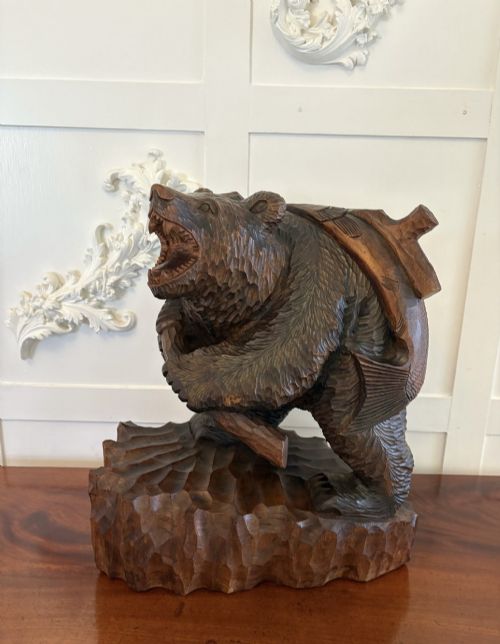
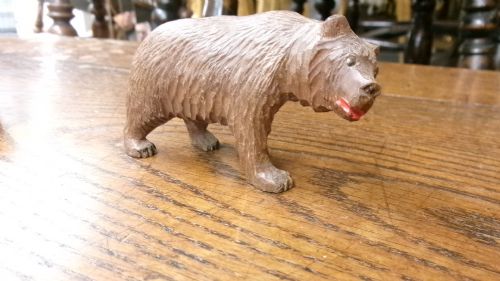
Several wooden bears carry fish in their paws, while others double as inkwells or support rows of heavy books on a desk.
Assessing quality in carved figures
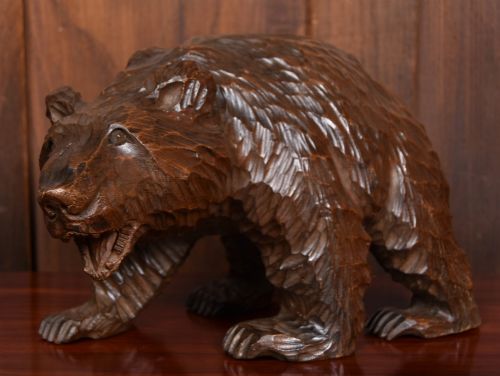
Quality rests in the precision and expression of the carving, distinguishing sensitive anatomical representation from stiff or repetitive forms. Finer examples display careful attention to muscular structure, fur texture and posture.
The reputation of the workshop or region influences standing, with documented signatures or distinct regional styles commanding attention. Material selection also plays a part, where dense hardwoods or finely grained linden wood allow for sharper detail.
J HUGGLER
The Antique Wooden Animal Figures Glossary
- Black Forest
- A style of wood carving originating from the Brienz region of Switzerland, known for realistic depictions of bears, deer and alpine animals.
- Folk Art
- Objects created by self-taught or traditional artisans, often displaying a naive charm and utilitarian purpose rather than academic precision.
- Hardwood
- Timber from broad-leaved trees such as teak, walnut and ebony, valued for density and durability in intricate carving.
- Linden Wood
- A pale, fine-grained timber frequently utilised by European carvers for detailed figurative work.
- Bookends
- A pair of heavy decorative supports placed at the ends of a row of books to keep them upright.
Antique Wooden Animal Figures: Frequently Asked Questions
What animals appear most often?
Bears, horses and elephants dominate the available selection, reflecting popular motifs from European alpine regions and colonial workshops.
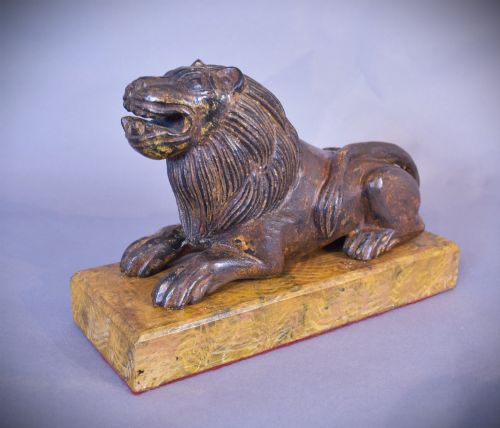
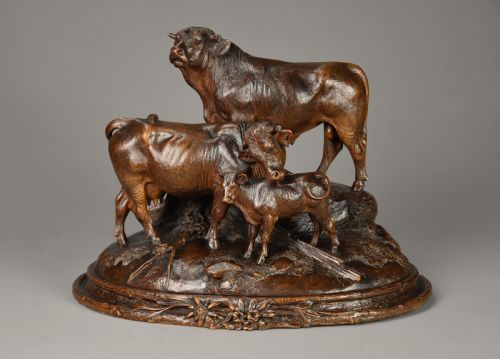
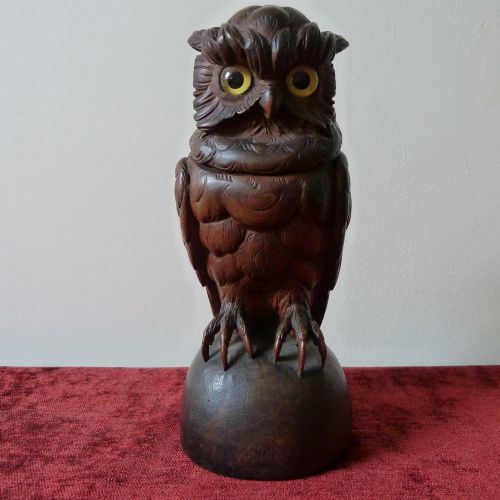
Other represented creatures include lions, dogs, cattle, owls and deer, providing varied subjects for collectors.
How do I care for wooden carvings?
Keep wooden sculptures away from direct sunlight and sudden temperature changes to prevent the timber from splitting or warping.
Dust the surface gently with a dry, soft cloth, avoiding commercial polishes that can build up on carved details.
Are these figures signed?
Most antique wooden animal figures remain unsigned, reflecting their origin as workshop production or traditional folk art.
Certain pieces carry workshop stamps or signatures, particularly within European alpine carvings from the late nineteenth century.
How are Black Forest carvings identified?
Black Forest carvings are typically rendered in linden wood and depict naturalistic animals such as bears, ibex and chamois with detailed texturing.
Many of these items originated in Swiss workshops during the Victorian and Edwardian eras as decorative ornaments or functional bookends.