
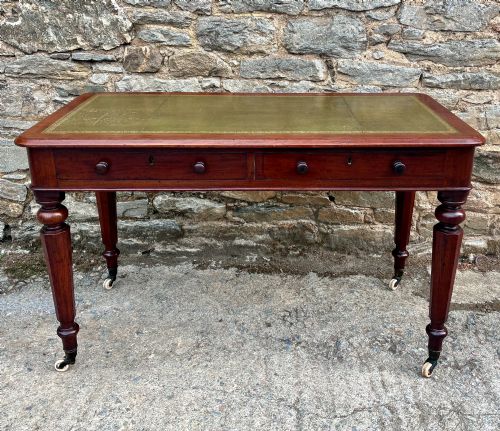
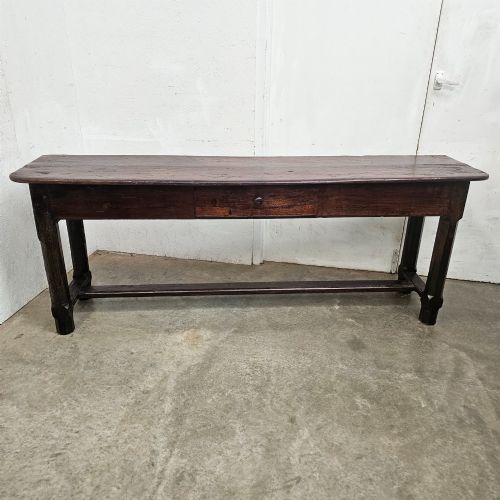
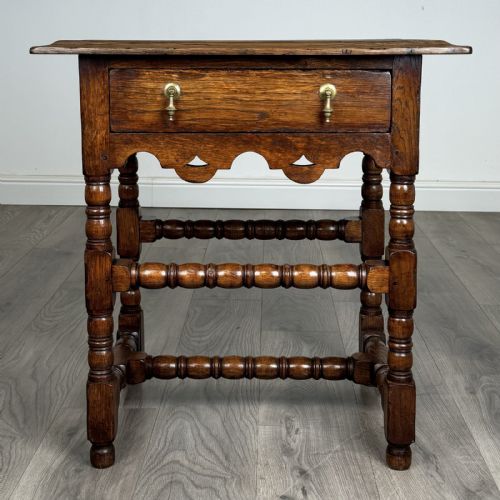
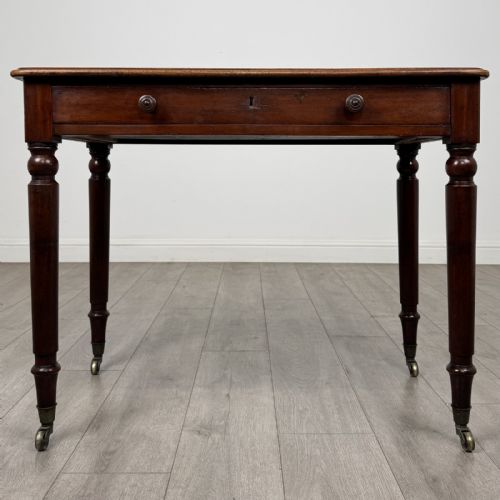
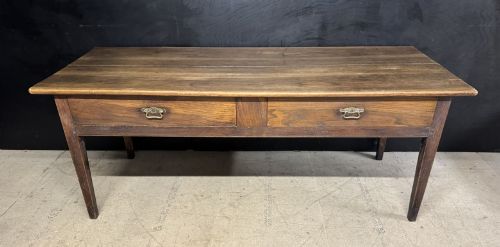
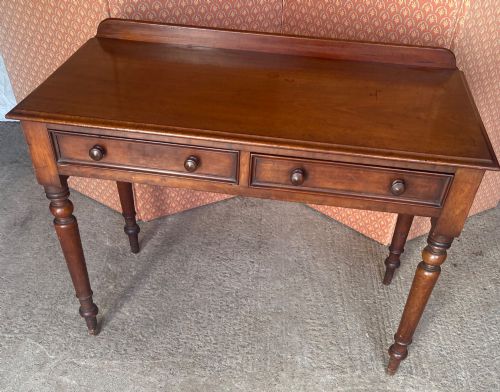
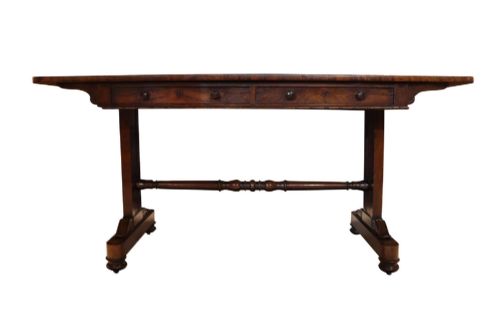
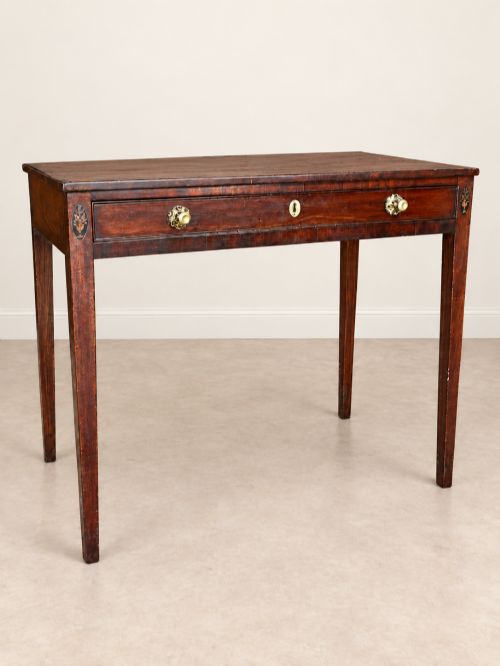
Antique Wood Table Drawer
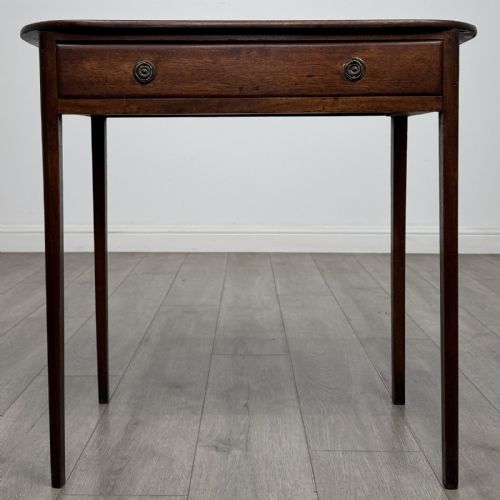
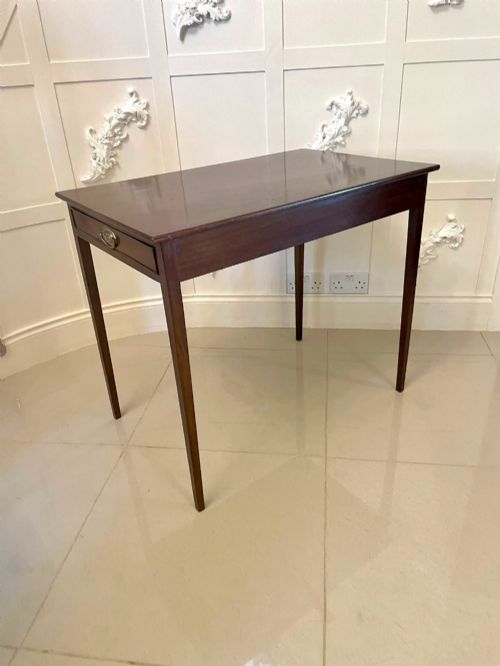
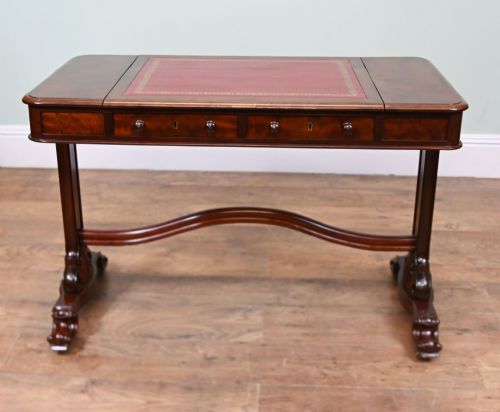
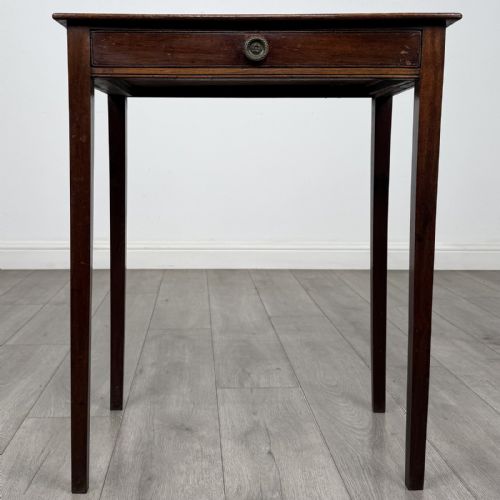
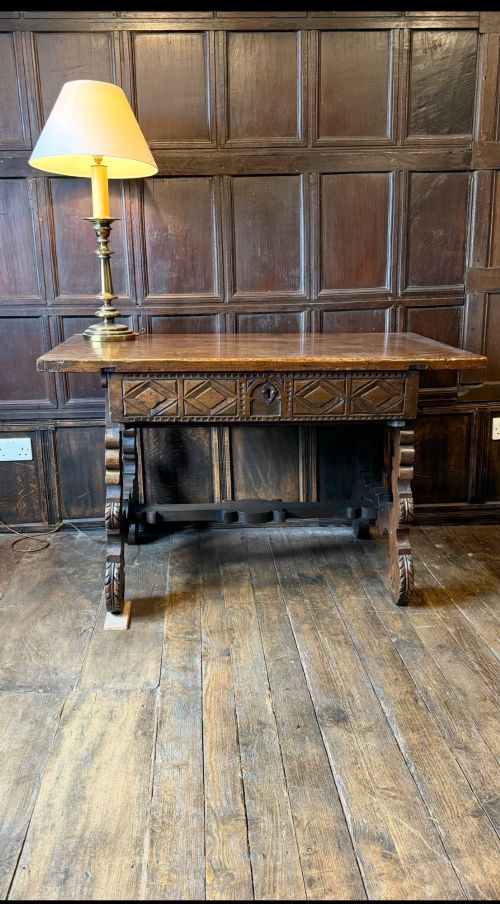
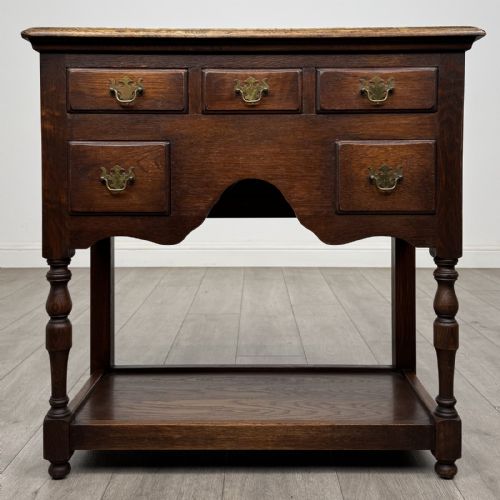
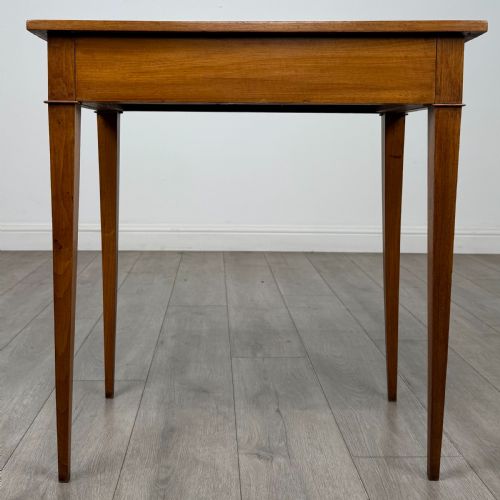
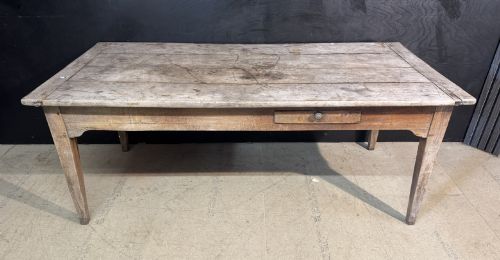
These pieces of antique wood table drawer furniture are practical compartments salvaged or integrated into historical writing desks, side tables, and kitchen tables.
Antique Wood Table Drawer
An antique wood table drawer represents a functional component salvaged or studied within various historical table forms, ranging from Georgian lowboys to Edwardian writing tables and rustic farmhouse dining tables. Buyers searching for this phrase encounter fitted compartments or isolated storage elements housed within larger timber frameworks from periods like the Victorian era, the 19th Century, and the 1920s.
The objects span diverse domestic categories, including bedside chests, library tables, and dressing table mirrors that incorporate storage. Side tables and writing desks equipped with integrated pulls dominate the selection, showing how timber furniture served everyday storage needs across centuries.
How They Were Made
Cabinet makers utilised dense hardwoods such as mahogany, walnut, and oak alongside regional timbers like elm, fruitwood, and pine to construct these storage compartments and their parent tables. Surfaces often received marquetry, inlay, or waxed finishes to highlight the natural grain of the wood.
Metal components like brass handles, knobs, and swing mirror fixings accompanied the timber construction, while occasional marble tops adorned specific French and Victorian side cabinets and tables.
Periods represented across the database range from the 18th Century and Georgian era through the Victorian, Edwardian, and Art Deco periods.
What Varies in Quality
The standard of construction relies heavily on the selection of timber, distinguishing plain secondary woods from figured burr walnut, satinwood, or finely grained mahogany. Superior pieces exhibit deliberate alignment in grain patterns and careful execution of decorative inlays or marquetry.
Joinery techniques and hardware integration dictate the integrity of the piece, separating robustly framed Georgian and Victorian items from simpler utility tables. The refinement of turned legs, carved details, and the smooth operation of the storage compartment reflect the original maker's skill.
Maple & Co·Gillows
The Antique Wood Table Drawer Glossary
- Lowboy
- A small oak or walnut table with one or more drawers, typically used as a dressing table or side table during the Georgian period. It rests on relatively tall legs.
- Dressing table mirror
- A pivoting glass plate mounted on a small wooden frame with drawers beneath, designed to sit atop a chest or dressing table.
- Marquetry
- Decorative veneer work forming pictures or geometric patterns by applying thin pieces of wood, metal, or ivory to a solid timber carcase.
- Shield mirror
- A dressing table mirror featuring a glass plate shaped like a heraldic shield, characteristic of 19th Century and Georgian designs.
- Pedestal desk
- A heavy writing table supported by two vertical banks of drawers rather than four individual legs.
Antique Wood Table Drawer: Frequently Asked Questions
What periods do these pieces come from?
The inventory encompasses items spanning the 18th Century, Georgian era, Victorian period, Edwardian years, and up to the 1930s Art Deco movement. These dates reflect the prevailing styles of timber furniture production found across British and European workshops.
Specific decades like 1900, 1910, and 1920 appear frequently among the listings, offering a broad chronological range for collectors of antique wooden furnishings.
Which woods were used for these drawers?
Makers primarily relied on hardwoods such as mahogany, walnut, and oak for formal furniture, alongside regional fruitwoods, elm, and pine for farmhouse tables. Burr walnut and satinwood also appear as decorative veneers on finer pieces.
Brass hardware and occasional marble inserts complement these timber constructions, adding contrast and utility to the design of the tables and cabinets.
How were these tables used historically?
These tables served diverse domestic functions, operating as writing desks, library tables, bedside storage, and kitchen work surfaces. The integrated storage compartments held writing implements, documents, or personal items close at hand.
Dining tables and refectory pieces incorporated end drawers to store linens or cutlery, merging utility with everyday family life in period homes.