
Antique Wood Shelves
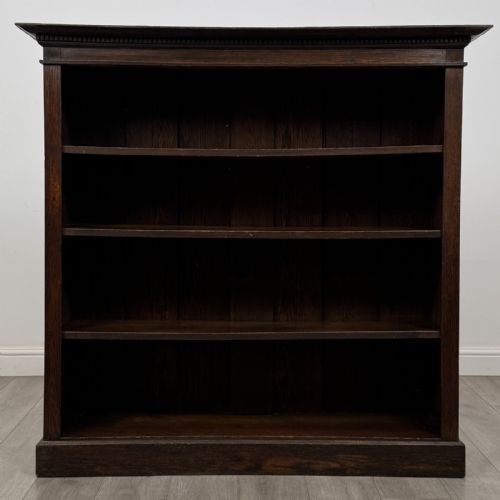
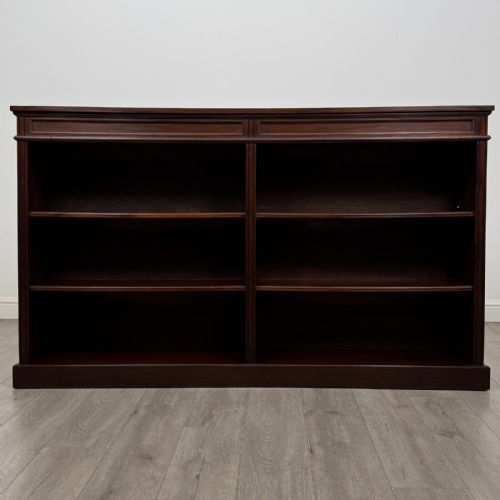
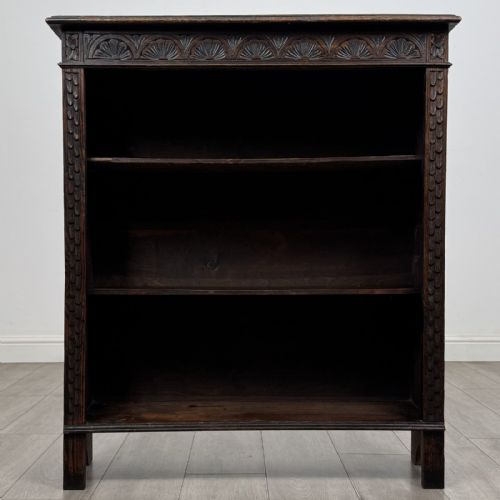
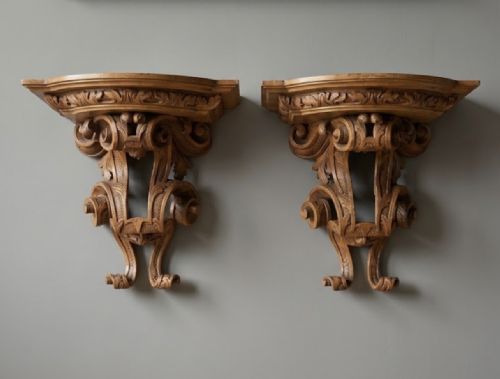
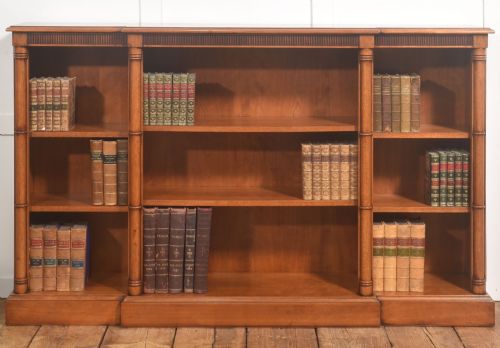
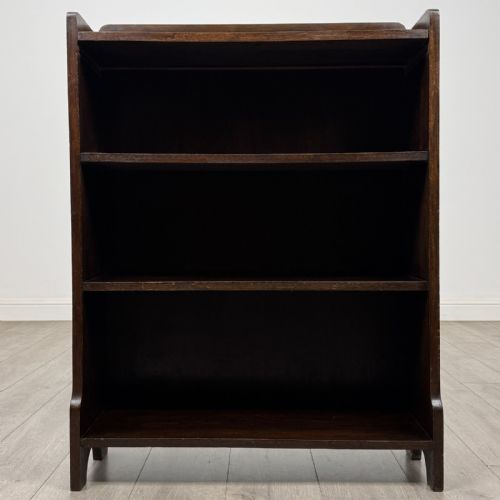
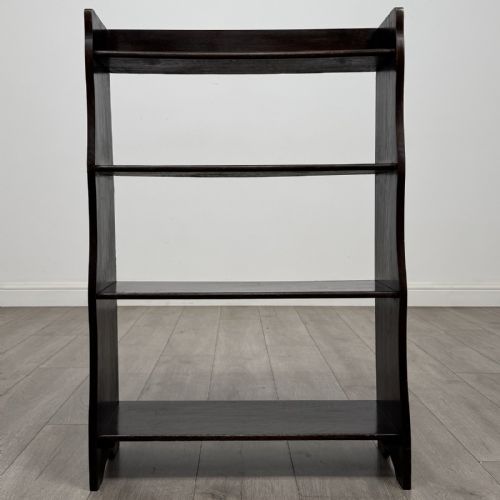
These antique wood shelves encompass everything from modest Victorian hanging brackets to substantial Edwardian bookcases designed to display books and domestic treasures.
Antique Wood Shelves
When you search for antique wood shelves, you encounter an array of functional furniture designed to hold books, plants, and decorative objects. The selection ranges from wall-hanging brackets and small corner whatnots to expansive open bookcases and display cabinets.
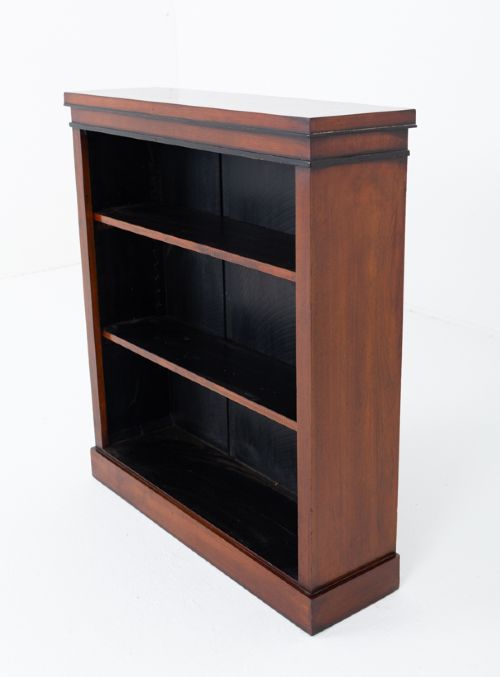
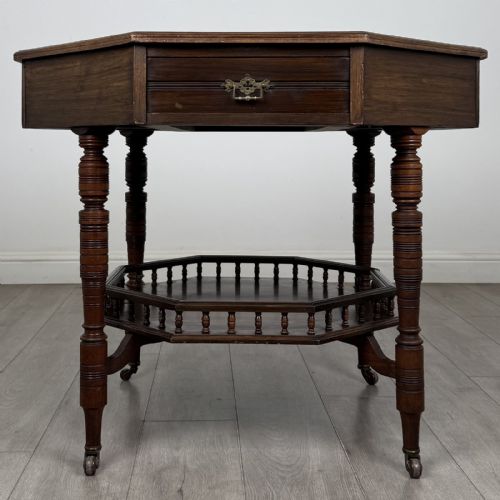
The pieces appearing on this page span the Victorian, Edwardian, and Regency periods, alongside specific movements such as Arts and Crafts and the Victorian Aesthetic Movement. You will frequently find mahogany open bookcases, oak shelving units with raised galleries, and walnut wall brackets.
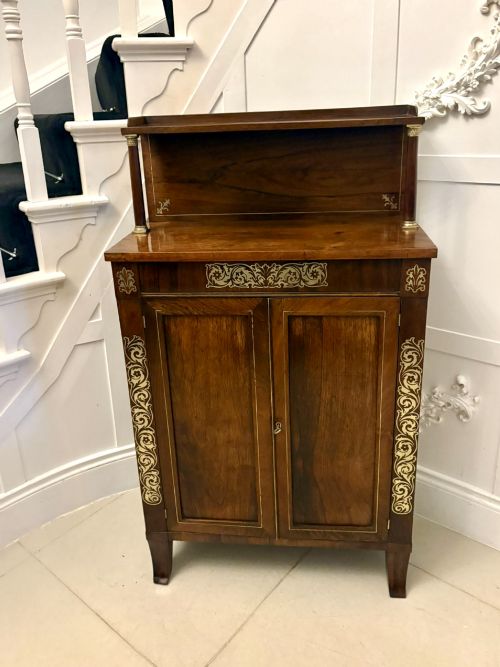
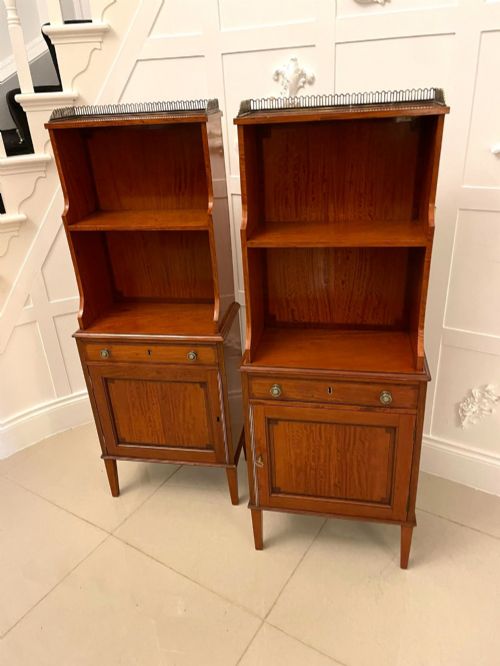
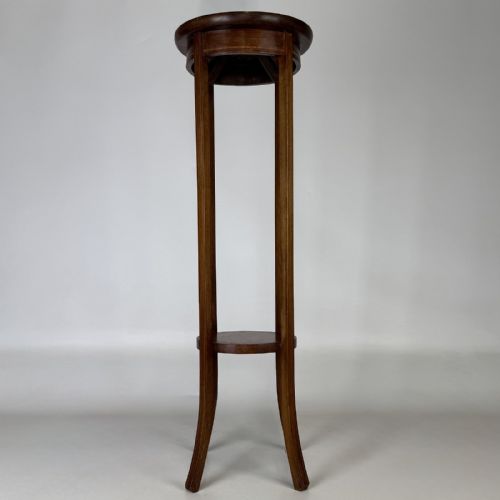
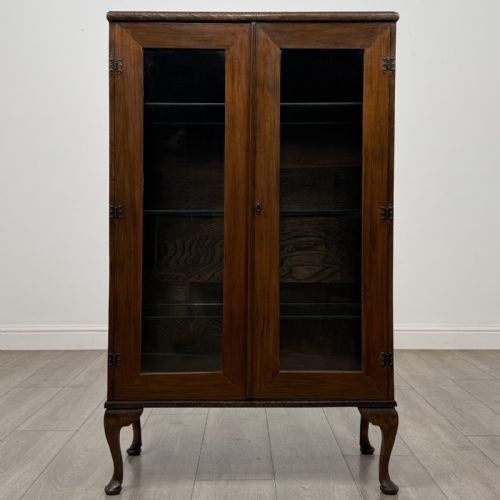
Forms vary significantly according to their original domestic purpose, including multi-tiered whatnots, sectional bookcases with glazed doors, and plant stands with integrated lower shelves. Mahogany and oak dominate the offerings, often complemented by brass fittings or inlaid satinwood.
How they were made
Cabinetmakers utilised dense timbers such as mahogany, oak, walnut, rosewood, and satinwood, frequently selecting them for their rich grain and structural stability. Secondary woods support internal framing, while ebonised wood and brass fixtures provide contrast and reinforcement on specific cabinets.
Construction techniques include mortise and tenon joinery for stability, alongside fine dovetailing in drawers where present. Carved ornamentation, raised galleries, and inlaid banding demonstrate traditional hand-tool methods of the nineteenth and early twentieth centuries.
Listings feature woods including mahogany, oak, walnut, rosewood, satinwood, and ebonised wood across Victorian, Edwardian, and Regency periods.
What varies in quality
Quality rests upon the selection of timber and the precision of the cabinetmaker's joinery rather than the sheer size of the piece. Superior examples display thoughtful grain matching, crisp hand-carving, and intact structural elements like adjustable wooden shelving or solid brass brackets.
Distinction also lies in the integrity of the finish and the subtlety of decorative additions, such as delicate marquetry inlay or well-executed turning on the uprights. Simpler utilitarian pieces differ from fine salon furniture through restraint in ornament and standard timber selection.
Gillows·John Moyr Smith·Macey
The Antique Wood Shelves Glossary
- Whatnot
- A set of open shelves, typically standing on legs, designed for displaying ornaments or books. They appear in corner and multi-tiered formats.
- Gallery
- A raised decorative border around the edge of a shelf or top surface to prevent items from falling. These are frequently pierced or carved.
- Pier cabinet
- A low cabinet designed to fit against the narrow pier of wall between windows. They often feature glazed doors and adjustable shelving.
- Shodona
- A Japanese cabinet or display stand featuring asymmetrical shelving compartments. These influenced nineteenth-century European aesthetic design.
- Plinth base
- A heavy solid block or low platform supporting the base of a bookcase or cabinet. It provides structural grounding and visual weight.
Antique Wood Shelves: Frequently Asked Questions
What is a corner whatnot?
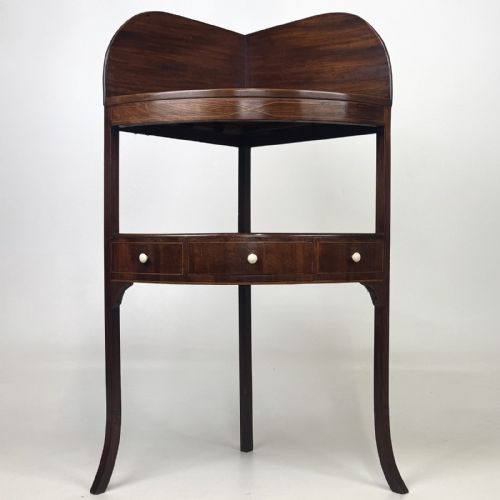
A corner whatnot is a multi-tiered set of triangular shelves designed to fit neatly into room corners for displaying decorative objects.
They utilise vertical space efficiently and often feature turned supports and carved galleries.
Were wall hanging shelves common?
Wall hanging shelves served as practical space-saving solutions in Victorian and Edwardian homes for displaying small ceramics, books, or plants.
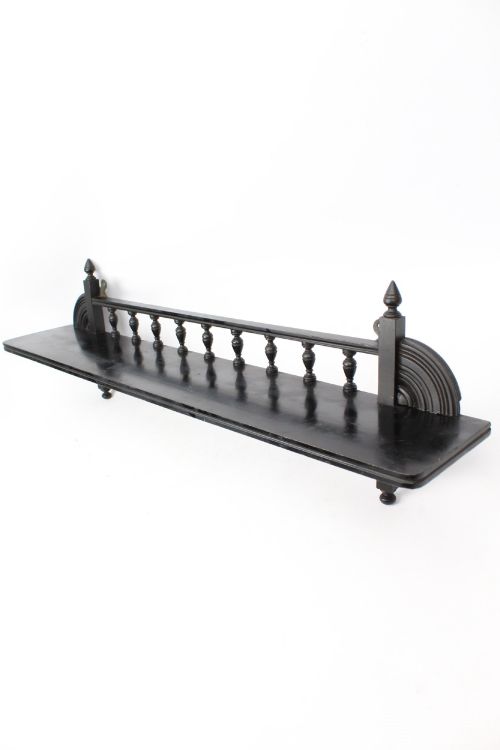
They attach directly to walls via integrated brackets or hanging loops, often constructed in mahogany or ebonised wood.
What is an Aesthetic Movement shelf?
Aesthetic Movement shelves reflect the late nineteenth-century push for artistic design, often drawing inspiration from Japanese furnishings.
These pieces frequently utilise ebonised wood or contrasting timbers to create striking architectural silhouettes.