

Antique Wood Pendulum Clock
An antique wood pendulum clock brings steady movement and warm timber tones into a room, measuring the hours through weights and swinging brass.
Antique Wood Pendulum Clock
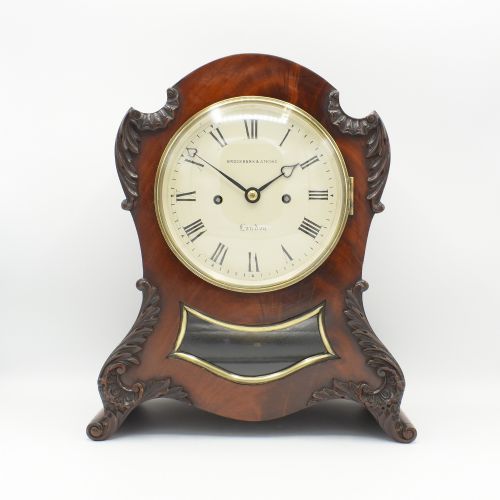
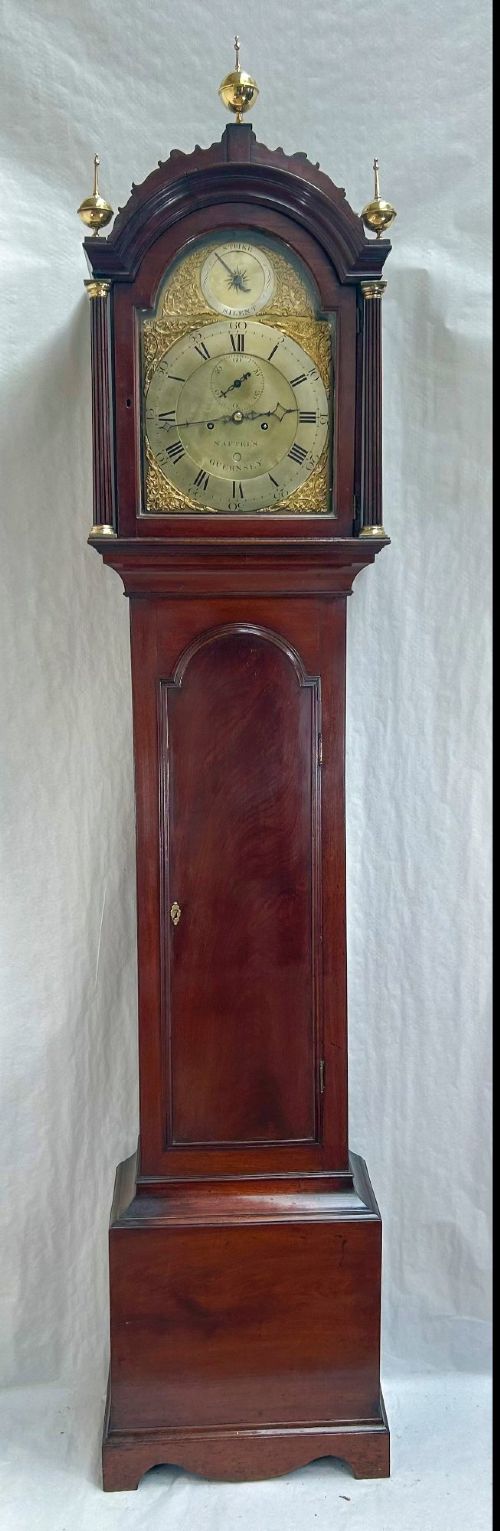
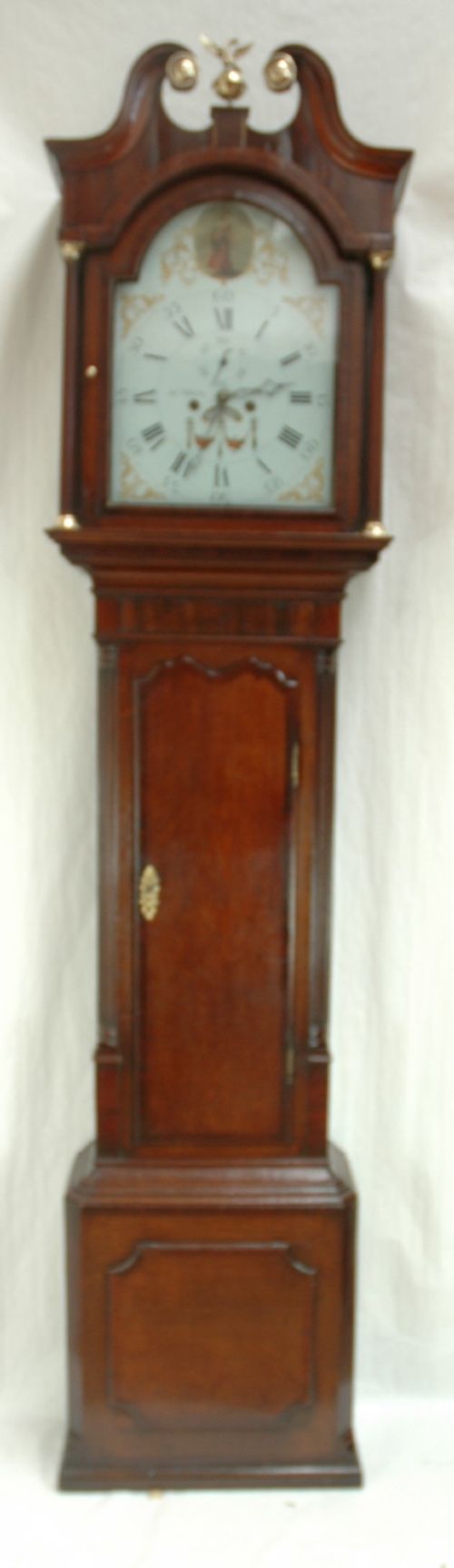
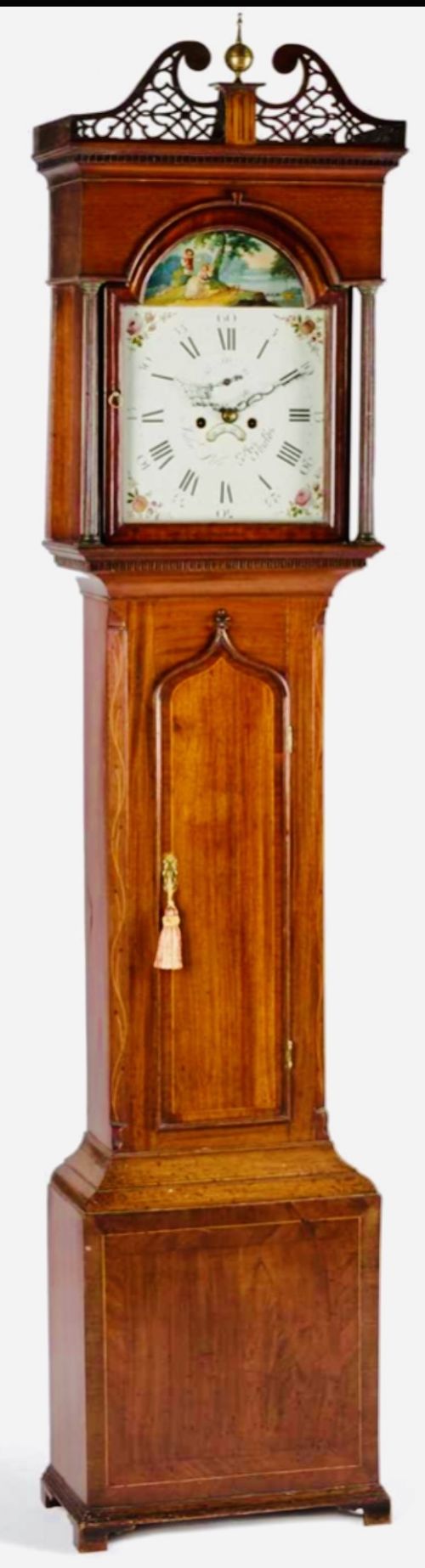
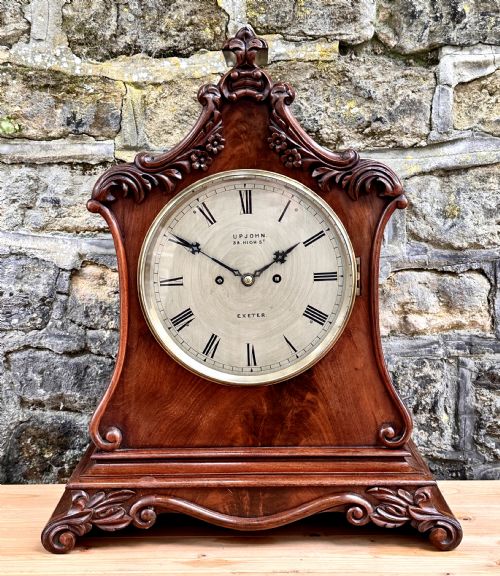
An antique wood pendulum clock encompasses tall floor-standing longcases, compact wall regulators and table-top bracket pieces housed in timber cases. These timepieces measure hours through the steady swing of a weighted pendulum governed by a mechanical movement.
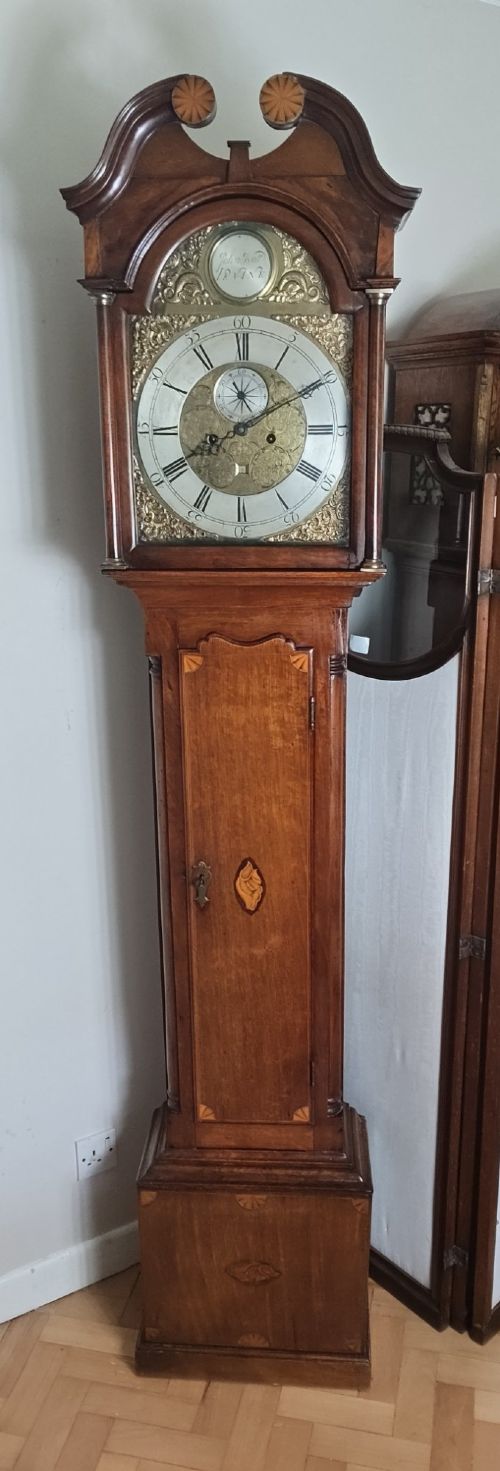
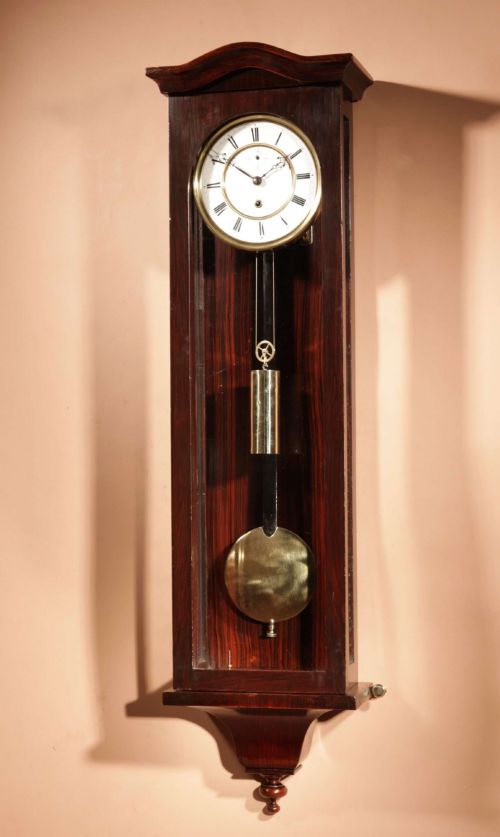
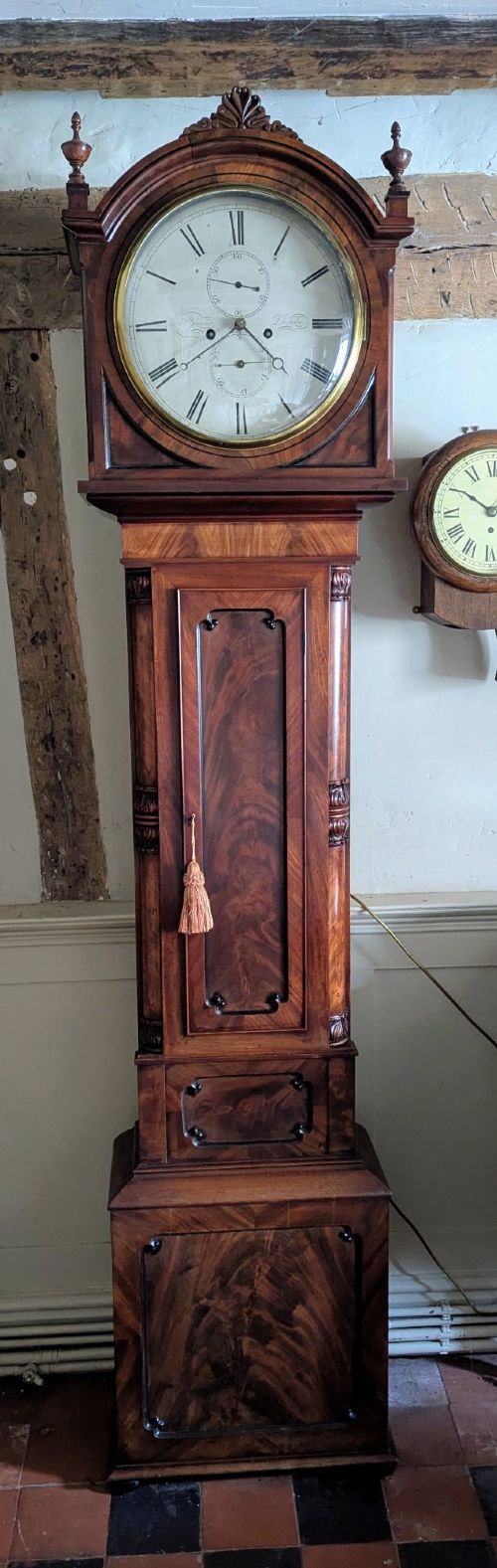
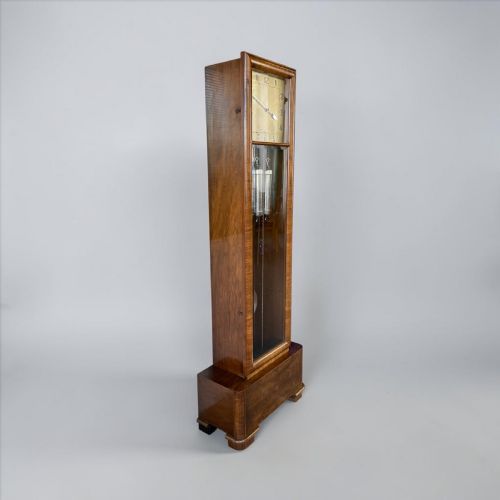
The versions most commonly met on this page are tall mahogany or oak longcase grandfather clocks and wall-hanging regulators framed in walnut. They date across the Georgian, Victorian and Edwardian periods, reflecting the domestic joinery and clockmaking of their respective eras.
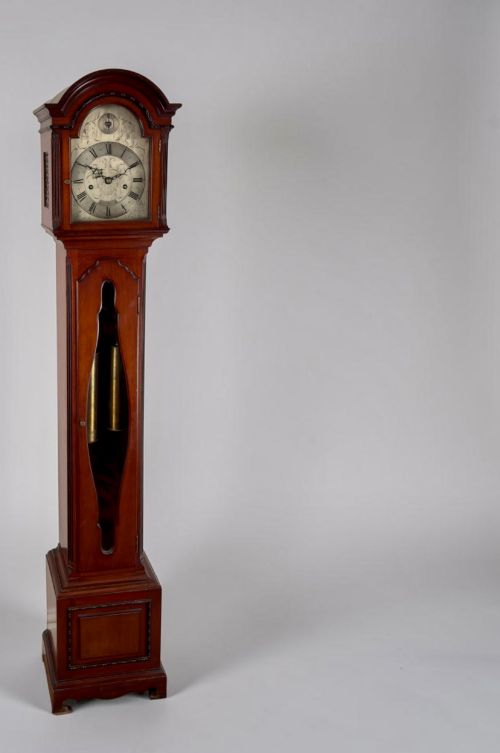
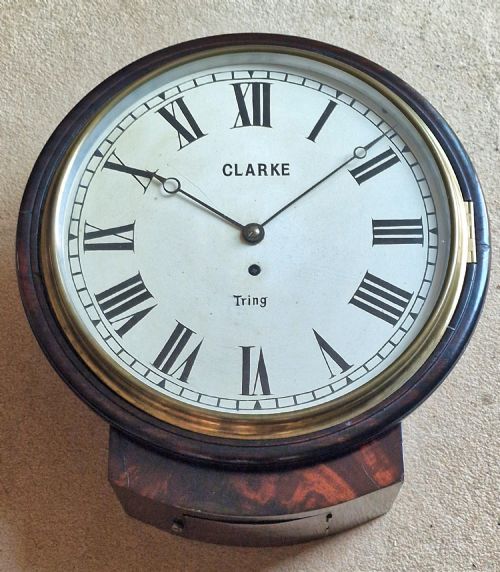
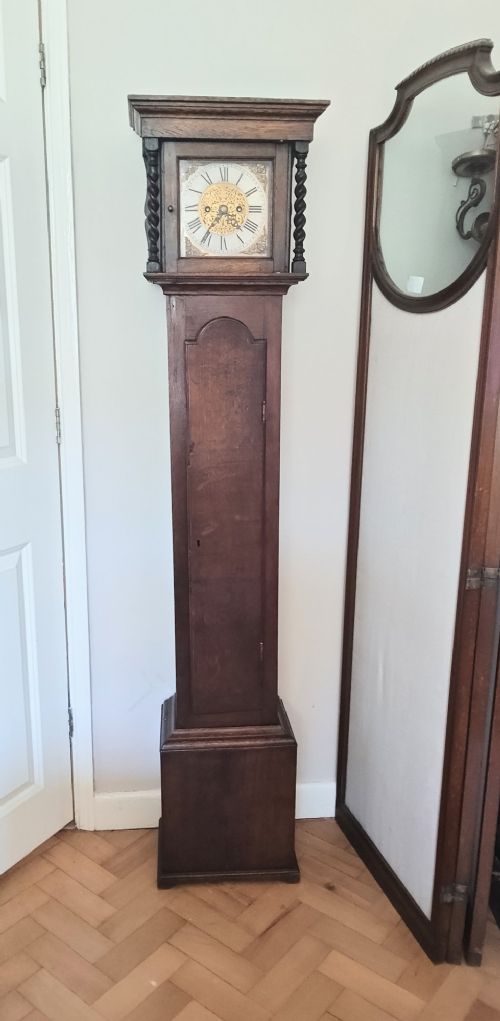
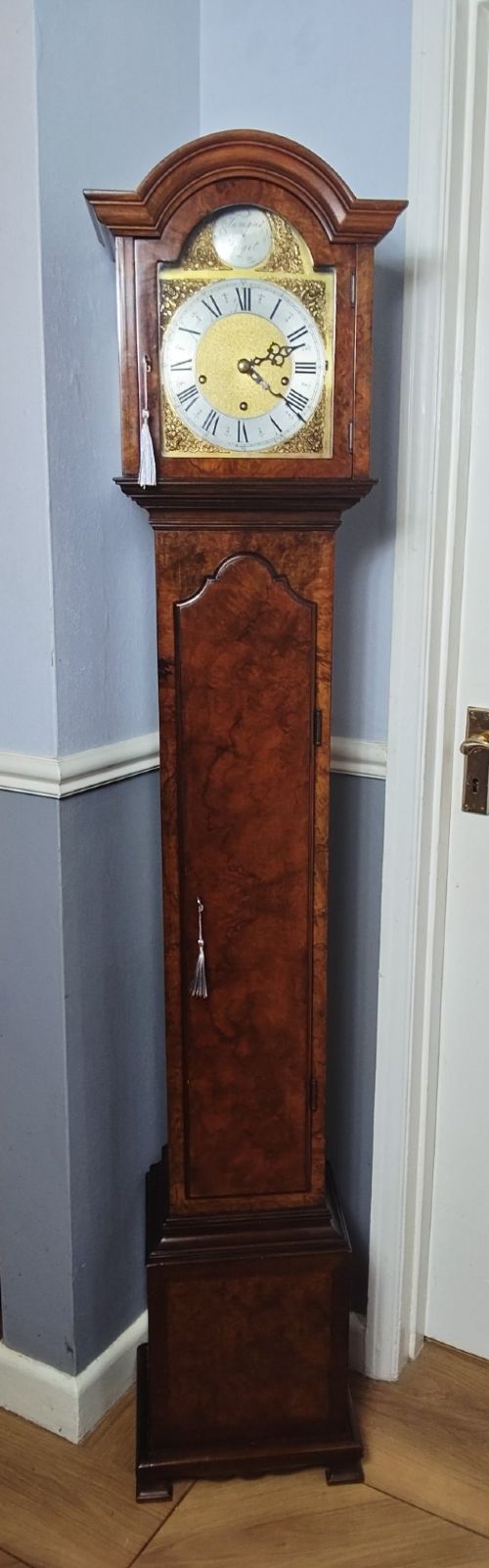
Grandmother clocks offer a smaller floor-standing alternative to grandfathers, while drop-dial wall clocks bring timber bezels and visible pendulums to smaller spaces. Each form serves as both a functional instrument and a significant piece of wooden furniture.
How they were made
Cabinetmakers constructed the wooden cases using solid timbers like mahogany, oak, walnut and rosewood, often applying veneers and inlay such as paterae to flat surfaces. Dial faces combined brass chapters, enamel numerals and engraved subsidiary dials behind protective glass doors.
Clockmakers fitted brass gear trains, anchor escapements and pendulum rods driven by hanging weights or spring-driven fusee movements. Chiming and striking mechanisms utilised brass bells or gongs to mark the passage of time.
What varies in quality
The refinement of the cabinetwork and the crispness of the movement engraving distinguish finer examples from standard domestic pieces. Timber selection matters greatly, with well-figured mahogany or burr walnut marking out superior cases.
The reputation of the maker inscribed on the dial or movement backplate heavily influences the standing of the clock. Original matching components, from the pendulum bob to the brass weights and hood mouldings, retain the integrity of the piece.
Gillett and Johnston of Croydon·Brockbanks and Atkins·George Clarke·Barwise London·George Hallifax·Thwaites London·Edward Shepley·Matt Wylie·Mappin and Webb·Priory of Dundee Scotland
The Antique Wood Pendulum Clock Glossary
- Longcase clock
- A tall floor-standing timekeeper enclosed in a wooden trunk with a protective hood over the dial. These pieces are also frequently referred to as grandfather clocks.
- Fusee
- A conical pulley connected to the mainspring by a cord or chain that equalises the power output as the spring unwinds. This mechanism ensures more accurate timekeeping throughout the duration of the wind.
- Vienna regulator
- A precision wall clock developed in Austria featuring a visible pendulum and long glazed door to observe the weights and movement. They are prized for their clean lines and accurate timekeeping.
- Drop-dial clock
- A wall clock featuring an extended wooden case beneath the circular dial to accommodate a swinging pendulum. These were widely used in public spaces, railway stations and domestic halls.
- Anchor escapement
- A mechanical linkage shaped like an anchor that controls the rotation of the gear train by releasing one tooth at a time. This allows the pendulum to regulate the speed of the clock.
Antique Wood Pendulum Clock: Frequently Asked Questions
Where should I place a longcase clock?
Position your tall clock against a sturdy interior wall away from direct sunlight, central heating vents and damp areas. Temperature fluctuations can warp wooden cases and alter the expansion of the pendulum rod.
Ensure the floor is level so the clock beats evenly. A level placement keeps the tick-tock regular and prevents the escapement from stalling.
How do I identify the period of a wooden clock?
Examine the timber species, case proportions and dial decoration alongside any signature or town name inscribed on the face. Georgian pieces often display rich oak or mahogany with arched brass dials, while Victorian examples frequently favour walnut and Vienna-style regulators.
Interior construction methods, such as hand-cut dovetails and secondary woods, also offer clues to the decade of manufacture. Comparing the style to dated examples helps narrow down the origin.
What is a fusee movement?
A fusee movement uses a conical drum to maintain even tension on the gear train as the mainspring winds down. This prevents the clock from losing speed as the power diminishes.
This mechanism indicates a higher standard of clockmaking, commonly found in quality table and bracket clocks. It requires careful handling during maintenance due to the strong chain or cord.