




Antique Wood Letter Box
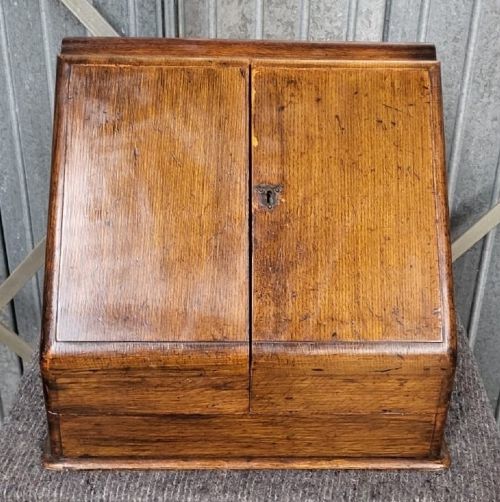
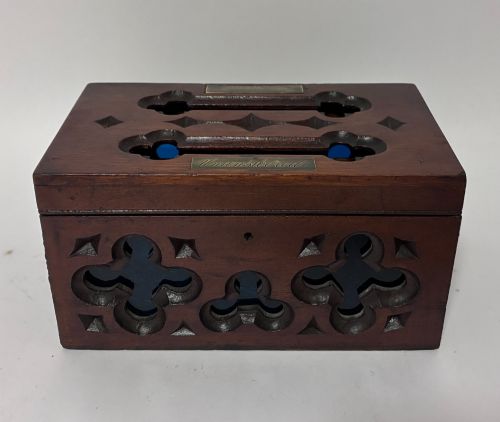
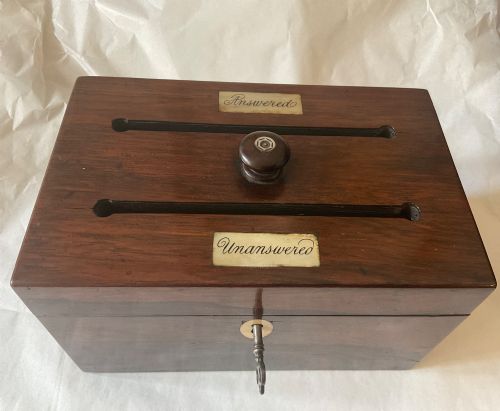
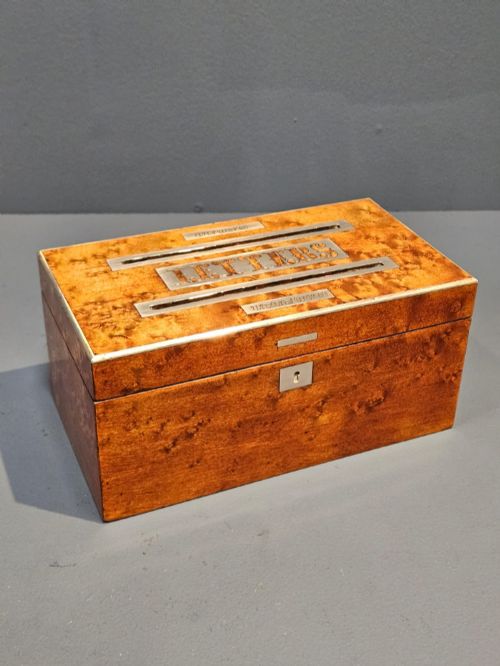
An antique wood letter box organises your desk with period craftsmanship, bringing fine timbers and brass mounts to daily correspondence.
Antique Wood Letter Box
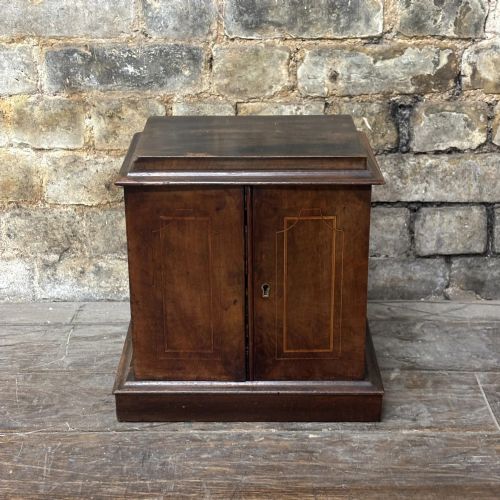
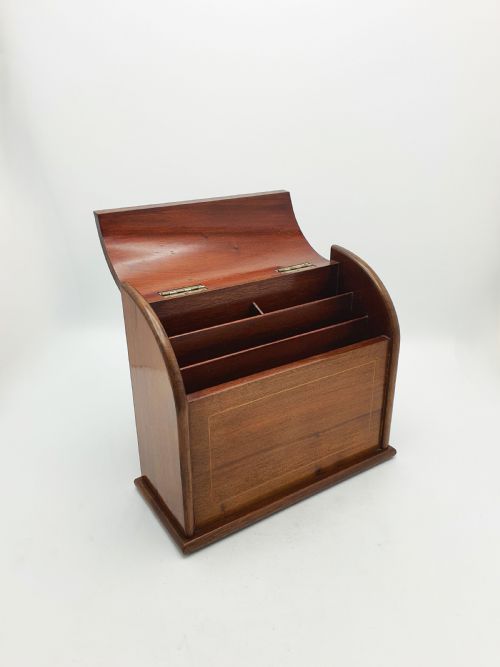
When searching for an antique wood letter box, you encounter desktop receptacles designed to hold incoming post, stationery and correspondence. These desk accessories served Victorian and Edwardian studies, country houses and offices for sorting and storing letters before daily collection or private reading.
The most common versions on this page date from the nineteenth century into the early twentieth century, spanning Victorian and Edwardian eras. Pieces emerge in varied forms including correspondence boxes, stationery cabinets, desk tidies and letter caskets.
Origins stretch from British workshops to Anglo-Indian studios and Ceylon, utilising dense tropical hardwoods alongside home-grown timbers. Each box reflects the domestic routines of a period when paper communication required dedicated wooden architecture on the writing table.
How they were made
Cabinet makers constructed these boxes using solid timbers and decorative veneers such as mahogany, coromandel, walnut and oak, often reinforced with brass mounts, strapwork and ormolu. Finer examples incorporate specialised techniques like Tunbridge ware mosaic, bone inlay and Pietra Dura stone panels set directly into the wood.
Internal arrangements feature fitted compartments, writing slopes, drop fronts and hinged lids designed to organise paper, envelopes and pens securely. Joinery relies on precise housing and dovetailing to maintain structural integrity across decades of desktop use.
Antique Wood Letter Box Retail Price Guide 2026
Typical asking prices for wood letter box among the pieces listed under this phrase on Sellingantiques today, from the lower quarter to the upper quarter. They describe what is for sale here now, not the wider market.
What varies in quality
Quality rests in the choice of primary timber and the ambition of the surface decoration, moving from plain utilitarian country house oak to highly figured coromandel veneers embellished with brass banding and inlaid details. Maker attribution elevates a piece significantly, particularly when works bear signatures from documented London retailers or specialist makers.
The sophistication of the internal mechanism and stationery fittings also marks the distinction between standard desk accessories and superior luxury caskets. Intricate cabinetwork, original working locks and specialised additions like adjustable date panels separate standard utilitarian boxes from elite examples.
Edmund Nye·Briggs 27 Piccadilly London·Houghton and Gunn·Mechi and Bazin·C.G. Hope Hastings
The Antique Wood Letter Box Glossary
- Coromandel wood
- A heavy, durable timber featuring dark brown stripes, frequently utilised for luxury nineteenth century stationery boxes and writing slopes. Its striking grain made it the preferred choice for high end Victorian desk accessories.
- Tunbridge ware
- Woodware decorated with mosaic patterns formed from tiny wood prisms of various natural colours. This meticulous technique created detailed pictorial or geometric designs on box lids.
- Stationery cabinet
- A desktop housing unit featuring doors or drop fronts designed to store paper, envelopes and writing equipment. These cabinets replaced simpler open letter racks in affluent studies.
- Pietra Dura
- The art of inlaying cut and fitted polished coloured stones into a stonework base or wooden surface. In desk boxes, these hardstone panels provide focal points of vibrant colour.
- Desk tidy
- A compartmentalised desktop accessory used for holding miscellaneous writing tools, letters and small office supplies. They typically present an open or partially covered layout for immediate access.
Antique Wood Letter Box: Frequently Asked Questions
What is an antique wood letter box?
An antique wood letter box is a desktop container designed to receive and store incoming correspondence in Victorian and Edwardian homes.
These pieces protected private mail and kept desks organised before modern postal delivery systems changed household routines.
How were letter boxes used?
Households used them to collect daily post dropped through a slot or brought from the door, keeping letters secure until read.
They also served as storage for writing paper, envelopes and stamps within domestic studies and country house libraries.
How do I date a letter box?
Dating relies on timber choices, construction methods, lock types and overall stylistic indicators such as Victorian Gothic revival or Edwardian inlay.
Maker signatures, retailer stamps and patent dates found on hinges or brasswork provide further chronological evidence.
Where should I place mine?
These boxes sit naturally on a desk, console table or writing slope where their decorative wood grains and brass mounts remain visible.
They continue to function as practical containers for modern mail, notebooks or stationery in contemporary rooms.