

Antique Wood Folk Art
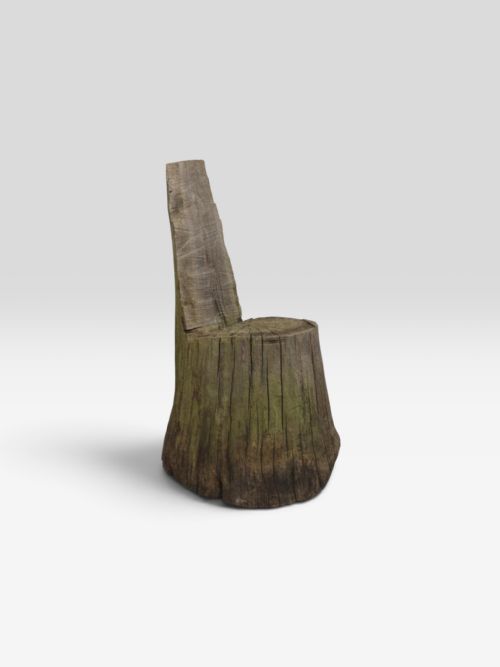
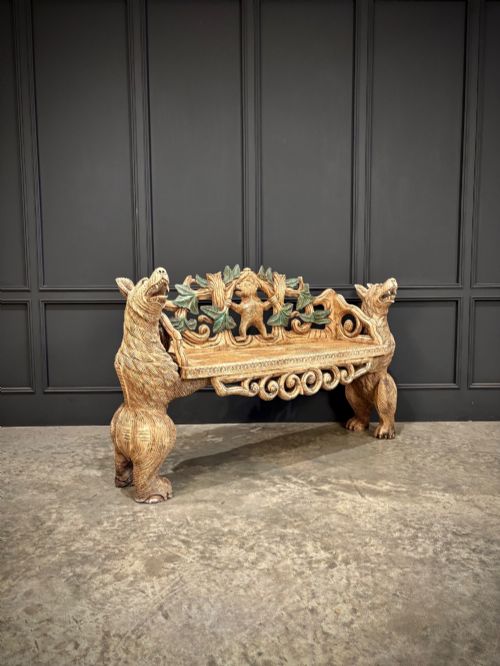
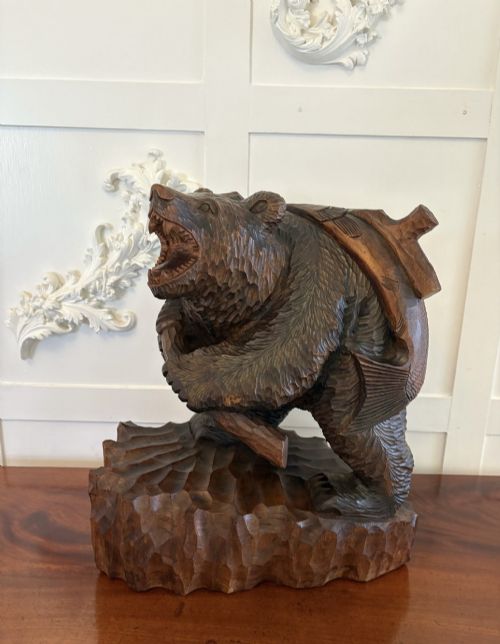
When you search for antique wood folk art, you seek unpretentious hand-carved animals, rustic furniture and painted utilitarian objects shaped by vernacular makers.
Antique Wood Folk Art
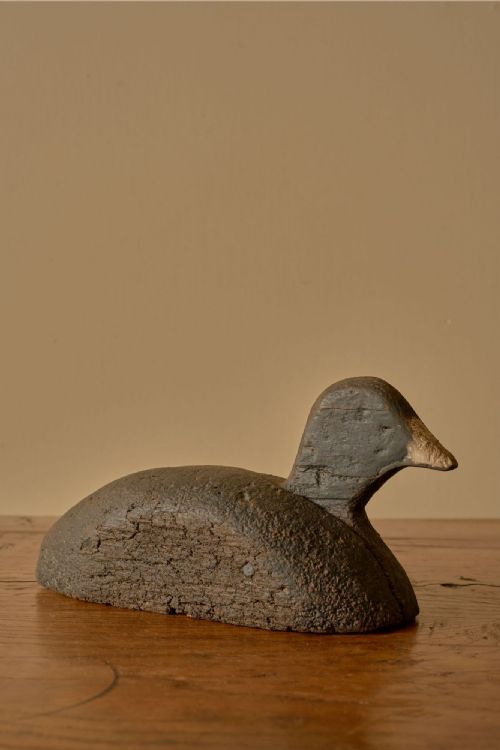
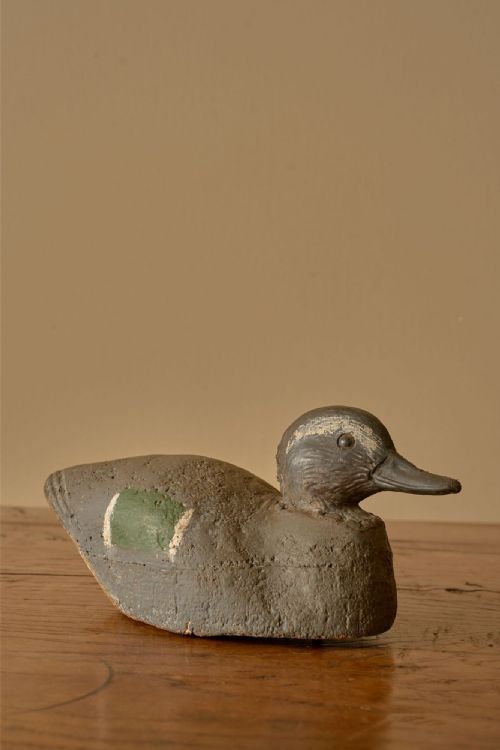
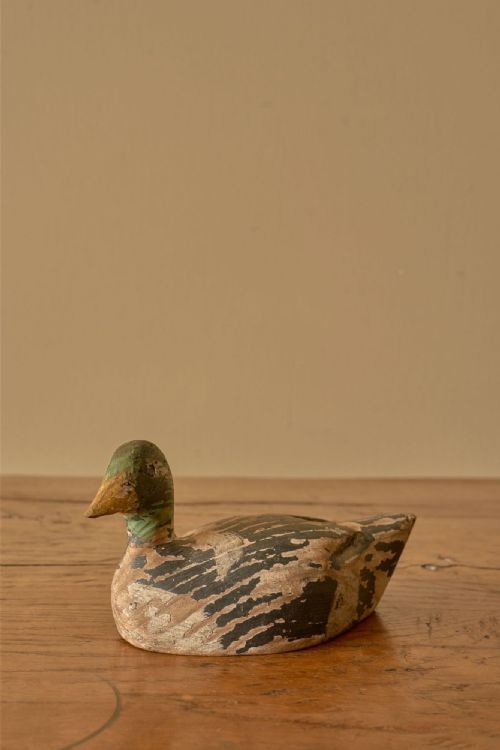
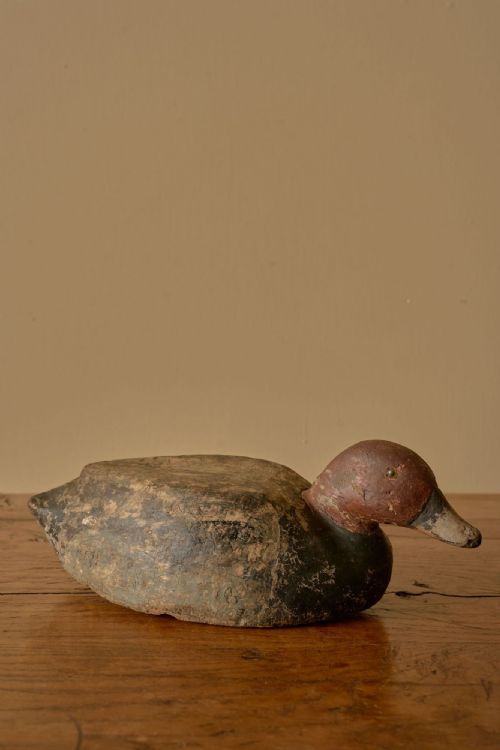
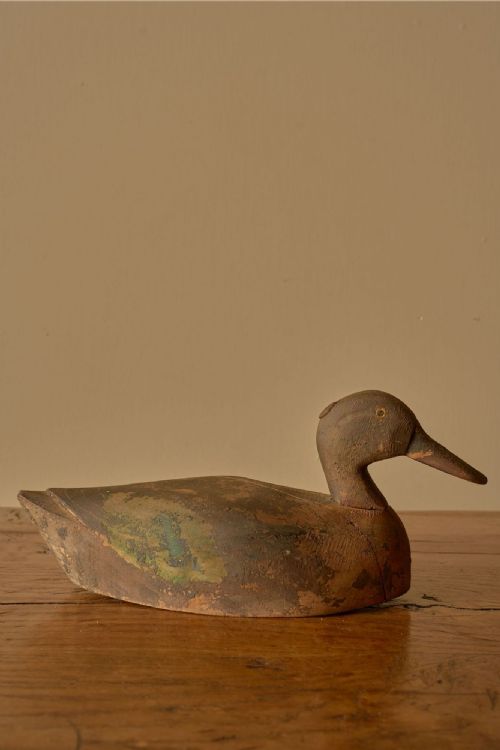
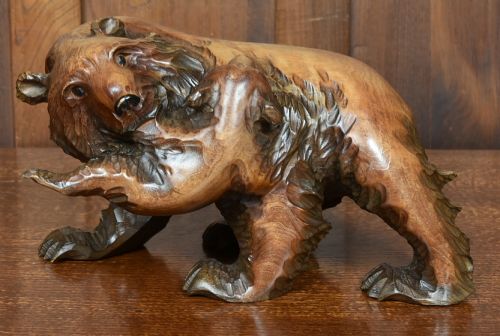
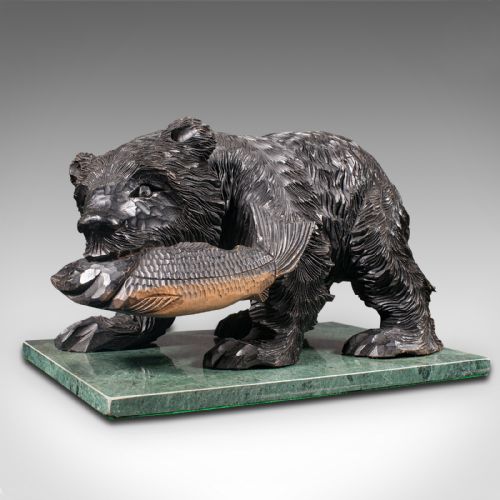
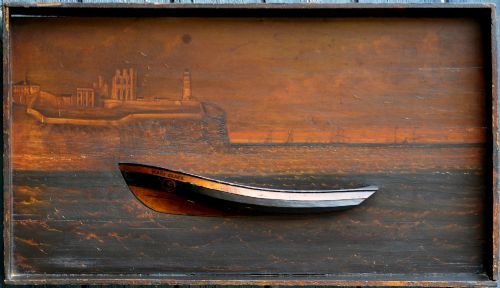
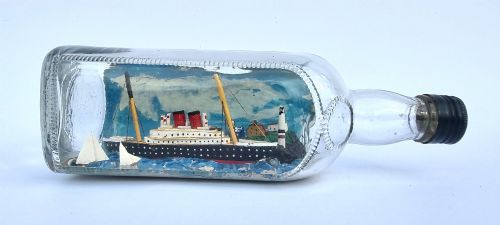
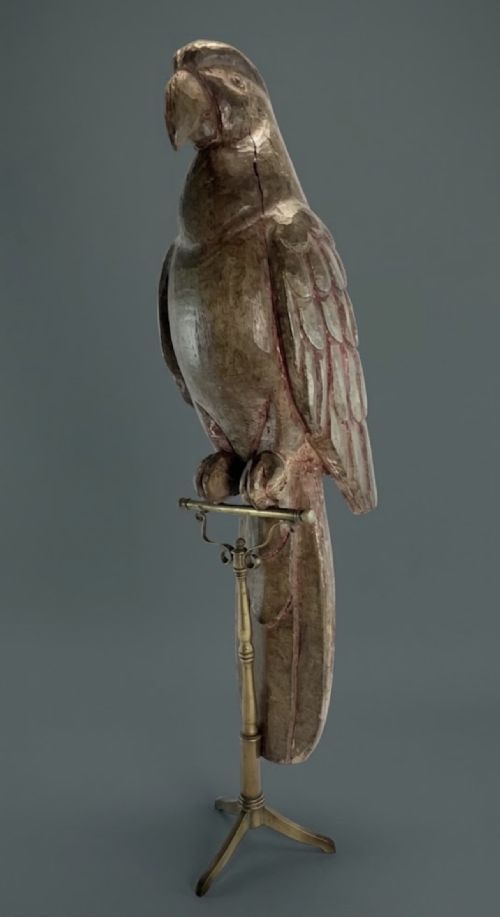
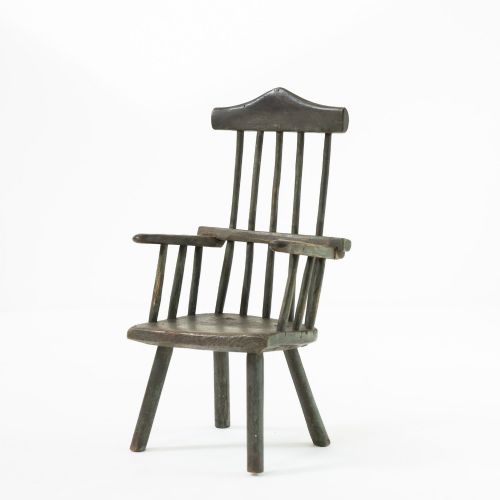
Items found under antique wood folk art span carved animal sculptures, duck decoys, naive furniture like stick-back chairs and foot warmers, and intricate models built by tradesmen or sailors.
The objects stem largely from the nineteenth and early twentieth centuries, drawing on English, Scandinavian, French and Japanese provincial traditions.
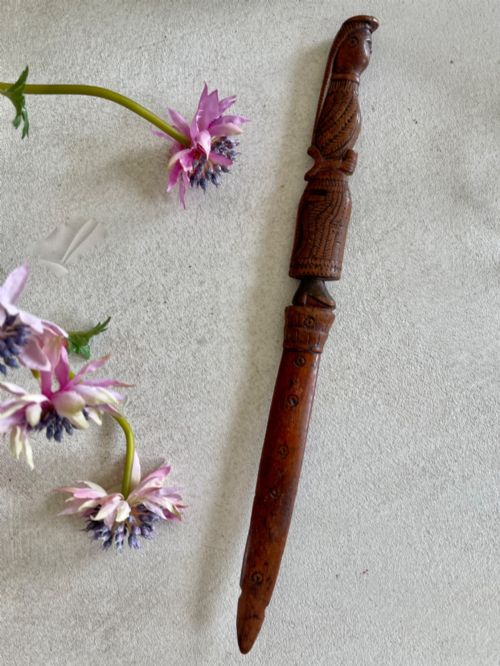
Buyers encounter everyday items elevated by individual makers, from spice boxes and match strikers to architectural panels and tramp art mirrors.
How they were made
Makers utilised available timbers such as pine, oak, fruitwood, walnut, linden and boxwood, working largely with hand knives and gouges.
Surfaces frequently display original oil paint, chip carving, incised line decoration, punchwork or the bare grain left by the tool.
A nineteenth-century carved wooden hare walking stick reveals how makers brought personality to everyday woodland strolls.
What varies in quality
The strength of antique wood folk art rests on the conviction of the carving and the character of the surface rather than academic proportion.
Pieces retaining untouched original paint, legible signatures or dates, and distinct regional personality command greater attention than sterile or over-restored examples.
R.D. Roberts·J Brown·Holley Bros
The Antique Wood Folk Art Glossary
- Treen
- Small handmade wooden household objects created for utilitarian or decorative purposes. These range from knitting sheaths to boxes and toys.
- Tramp art
- A style of chip-carving where makers utilised scrap wood, such as cigar boxes, notched with pocket knives and layered in geometric patterns.
- Decoy
- A carved and painted wooden bird or animal used historically to attract wildfowl. Makers shaped them with simple silhouettes and working finishes.
- Chip carving
- A technique of removing small chips from a wooden surface with a knife to create geometric patterns. It appears frequently on boxes and small tables.
Antique Wood Folk Art: Frequently Asked Questions
What is antique wood folk art?
These pieces comprise utilitarian items, sculptures, and furniture fashioned by self-taught or provincial makers rather than commercial factories. They reflect local traditions and individual resourcefulness.
Common forms include animal carvings, duck decoys, naive chairs, and small household wooden objects bearing the marks of hand tools.
How do I date folk art wood carvings?
Dating relies on tool marks, timber choice, wear patterns, and surviving surface treatments like early oil paint or wax. Comparison with signed or dated comparative pieces helps narrow the decade.
Makers often inscribed dates or initials directly onto the timber, providing a direct anchor for the period of manufacture.
Are painted surfaces original?
Original paint usually shows fine craquelure, natural fading, and appropriate wear consistent with age and handling. Multiple underlying layers or microscopic residue often confirm early pigment.
Restoration or later overpainting tends to appear uniform and lacks the integrated patina developed over generations of use.
How should I care for wooden folk art?
Keep items away from direct sunlight, heating vents, and damp environments to prevent timber splitting or paint flaking. Stable indoor humidity protects both the wood and any historic finishes.
Dust gently with a dry, soft cloth and avoid modern chemical polishes that can strip fragile original surfaces.