

Antique Wood Engraving
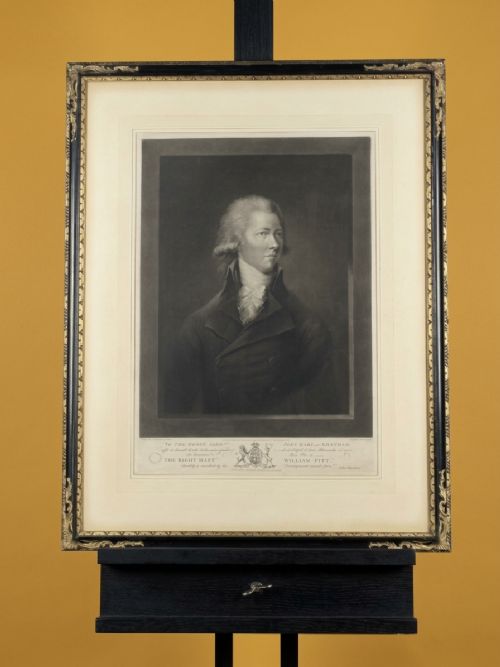
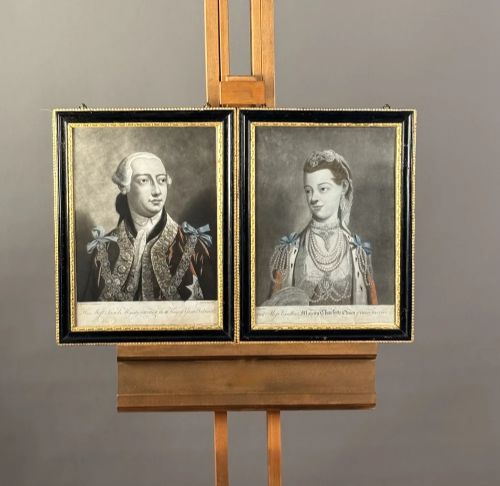
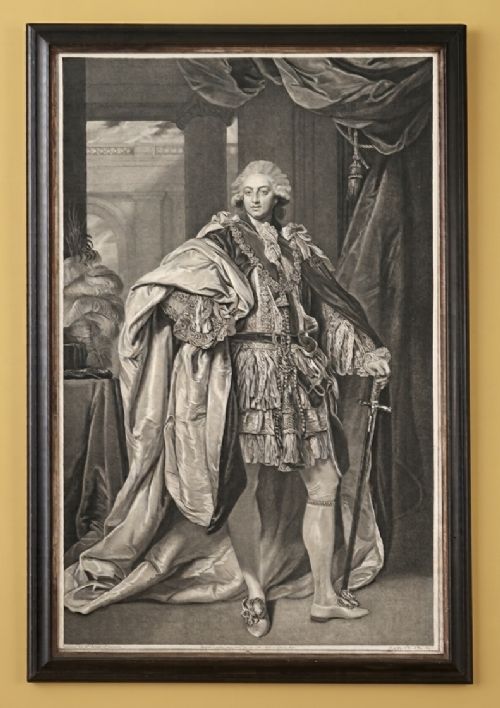
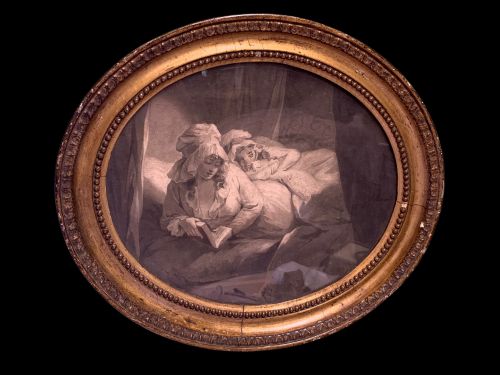
When you search for antique wood engraving, you seek printed works pulled from carved blocks on paper, framed for display.
Antique Wood Engraving
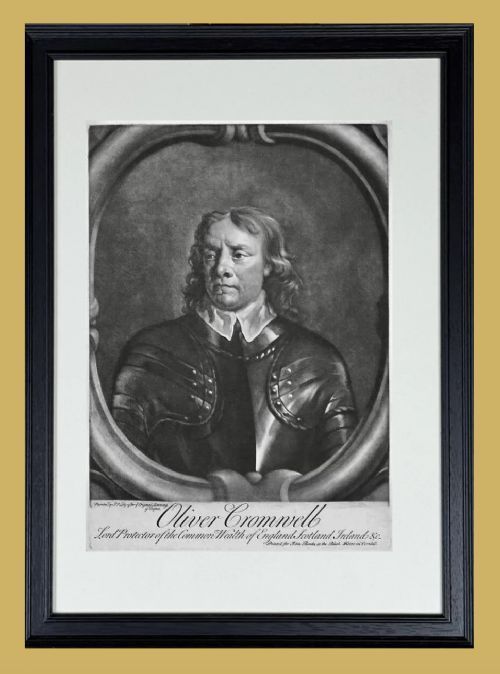
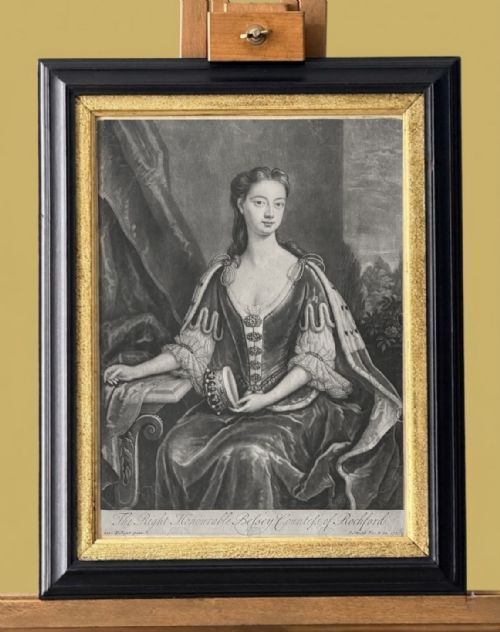
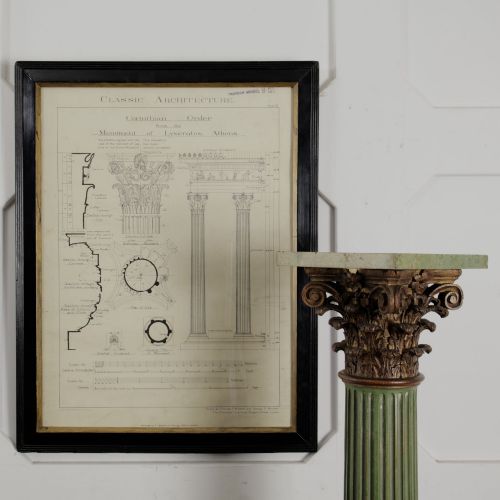
The antique wood engraving category on this page encompasses framed prints, wall art, and cartography originating primarily from the 17th, 18th, and 19th centuries. Buyers encounter framed prints, historical maps, and portraiture issued in Georgian and Victorian eras, often retained in period frames.
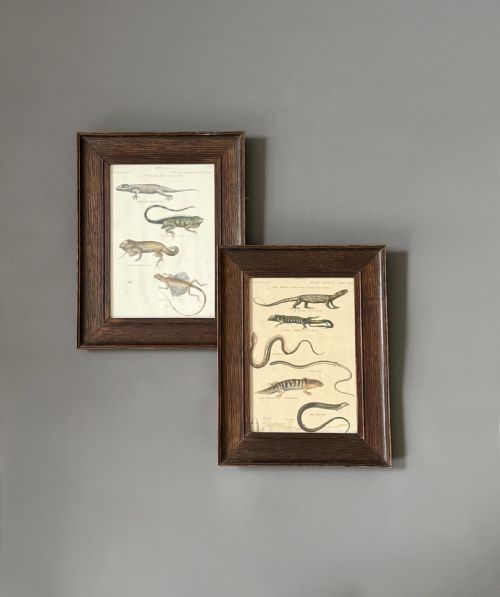
Subjects range from natural history plates of reptiles and monkeys to classical landscapes, anatomical illustrations, and horse racing scenes. These paper works reflect historical documentation and artistic reproduction methods common before modern mass printing.
Many listings pair these prints with original wooden or gilded frames, occasionally accompanied by glass protection. The forms vary from single folio sheets to matched pairs and sets depicting topographical or sporting themes.
Materials and Technique
Makers produced these works using paper sheets impressed with ink from carved wooden blocks or engraved plates, sometimes supplemented by hand colouring in watercolour pigments. The physical support relies on durable rag paper housed within timber or gilt-wood frames.
Carpentry skills are evident in the period frames constructed from walnut or cypress wood, occasionally accented with brass fittings or gold leaf details. The integration of glass helps protect the delicate inked surface of the paper from atmospheric degradation.
Listings feature paper, wood, glass, and brass across 17th, 18th, and 19th-century periods.
Factors of Quality
Quality rests upon the clarity of the inked impression and the preservation of the paper support, distinguishing crisp early printings from worn later strikes. Fine detail in the carved lines and careful application of hand colour elevate certain examples.
The integrity of the original frame adds considerable merit, particularly when period mouldings, gold leaf, or glass remain intact alongside the primary paper artwork.
William Bird MD FLS·John Bowles·Sir Peter Lely·Samuel Cooper·John Smith·Charles D'Agar·Valentine Green·Maria Hadfield Cosway·James MacArdell·Étienne Baudet·Huet·Demarteau·Luke Sullivan·Ogilby·Sir Joshua Reynolds·Leon Gaucherel
The Antique Wood Engraving Glossary
- Engraving
- A printmaking technique where an artist cuts lines into a block or plate to hold ink for transfer to paper. This process creates precise linear detail visible across historical prints and maps.
- Mezzotint
- A printmaking method of the tonal category achieved by roughening the plate to produce rich areas of dark and light. It gained favour for reproducing oil paintings and portraits.
- Cartography
- The study and practice of making maps, frequently represented here by engraved regional plans and coaching routes. These paper items often feature period topographical details and borders.
- Folio
- A standard sheet of paper folded once to form two leaves, representing a common format for early books and loose prints. Surviving examples preserve historical publishing dimensions.
- Patina
- The surface sheen developed on wood and metal through age and handling over centuries. It provides a visual record of the material's history.
Antique Wood Engraving: Frequently Asked Questions
How do I care for antique paper prints?
Keep framed prints away from direct sunlight to prevent the ink and any hand-applied colour from fading. Maintain stable indoor humidity levels to protect both the paper and its wooden frame.
Ensure the backing board allows the paper to breathe without trapping moisture against the glass. Professional framing materials help preserve the sheet over decades of display.
What is the difference between an engraving and a mezzotint?
An engraving uses incised lines cut directly into the block or plate to define the image with sharp outlines. Mezzotints rely on a textured surface that holds ink to produce smooth gradients of tone and shadow.
While engravings excel at fine botanical or architectural detail, mezzotints suit rich portraiture and atmospheric landscapes.
Are these prints housed in original frames?
Several pieces retain their period frames constructed from wood or gilded mouldings dating from the 17th to 19th centuries. These frames often show traditional joinery and surface wear consistent with their age.
Listings specify whether the frame is original to the print or a later replacement chosen to match the period style.
How can I identify the age of a print?
Age is determined by examining the watermark and texture of the paper, the style of the engraving, and the typography used in any captions. Early paper stock often feels heavier and contains rag fibres rather than wood pulp.
Comparing the subject matter and plate marks to documented historical editions helps confirm the production period.