



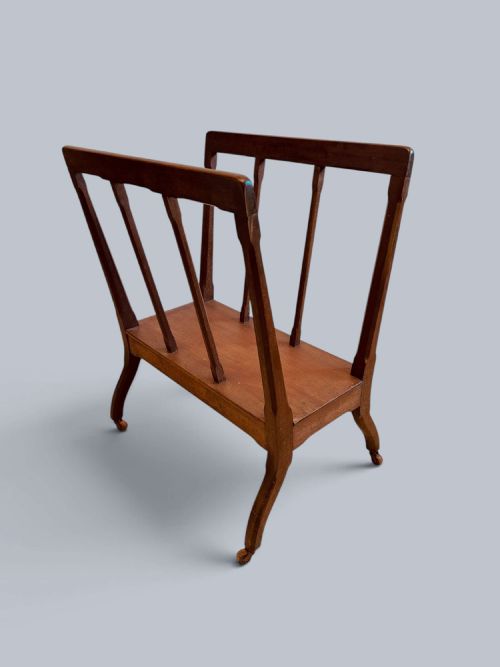
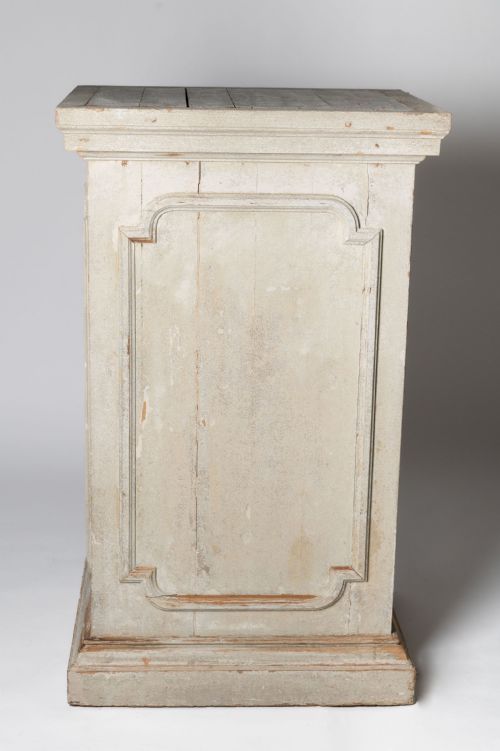
Antique Wood Display
When you search for antique wood display, you are looking at timber cabinets, bookcases and stands designed to hold prized possessions.
Antique Wood Display
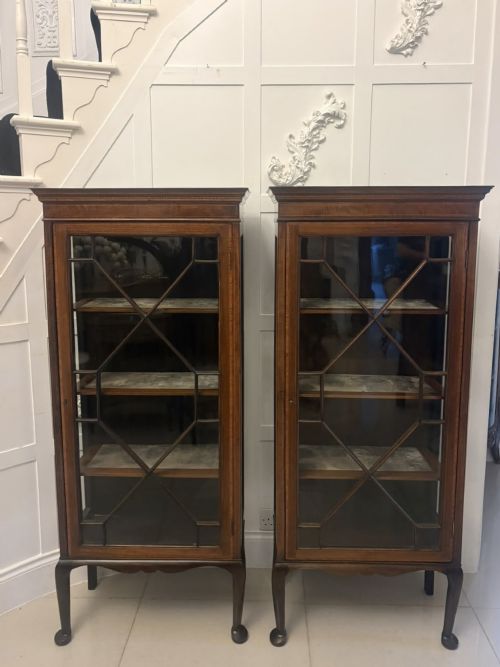
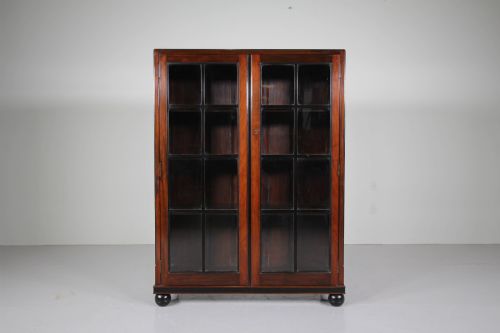
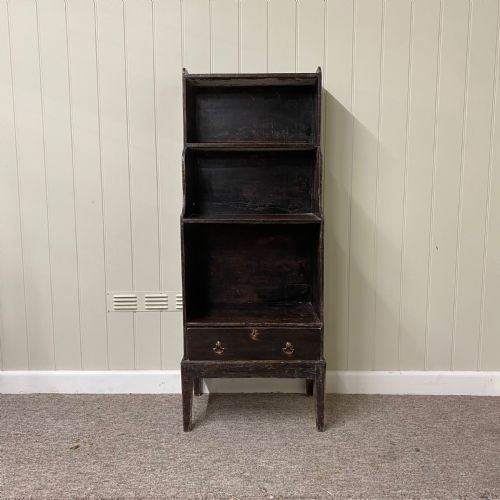
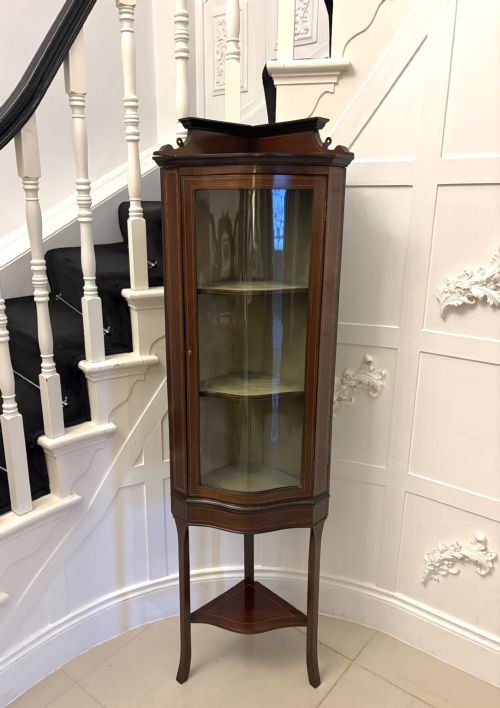
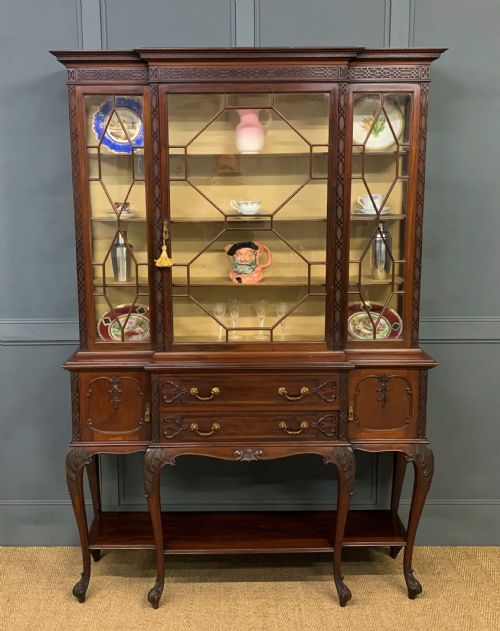
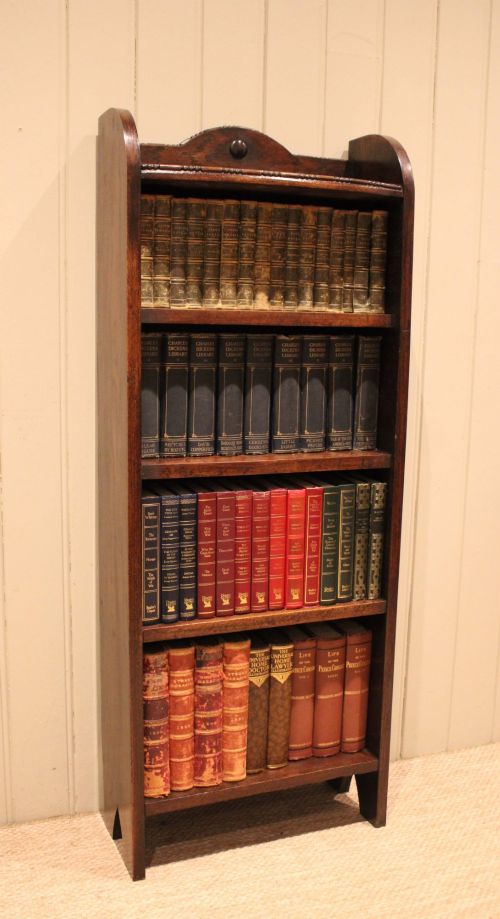
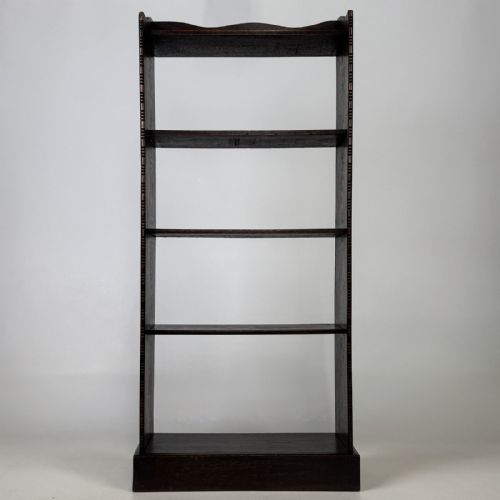
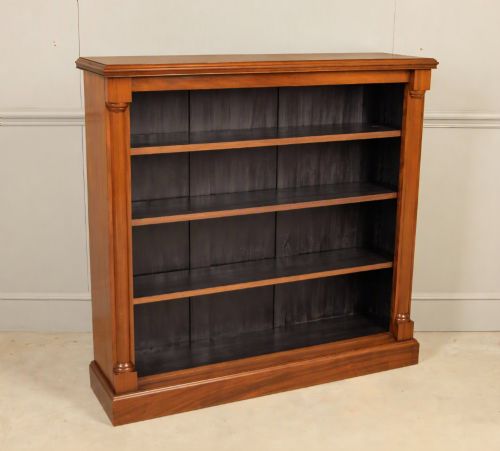
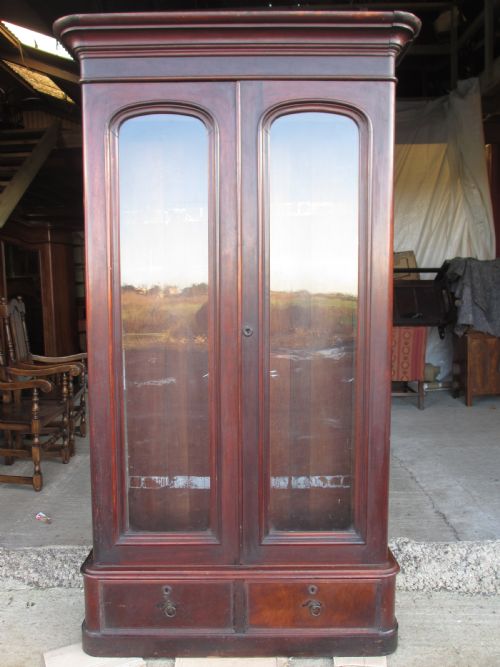
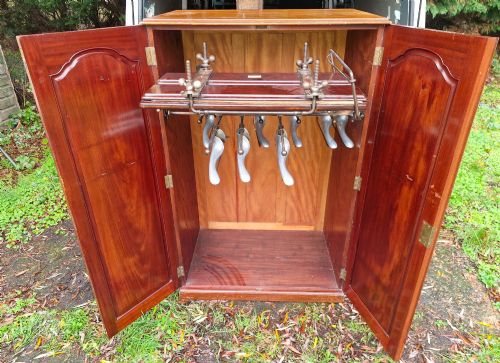
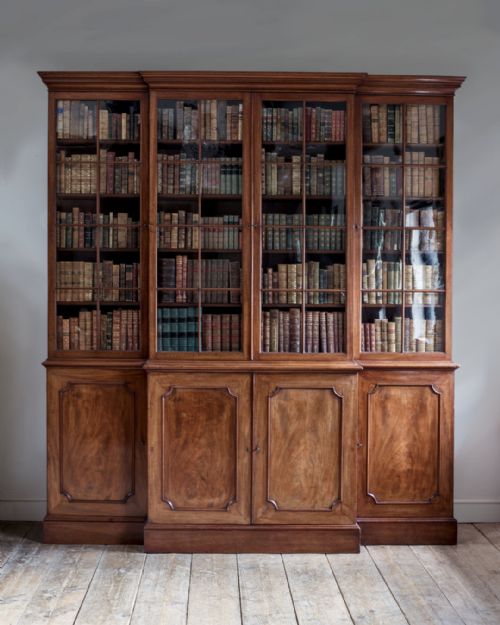
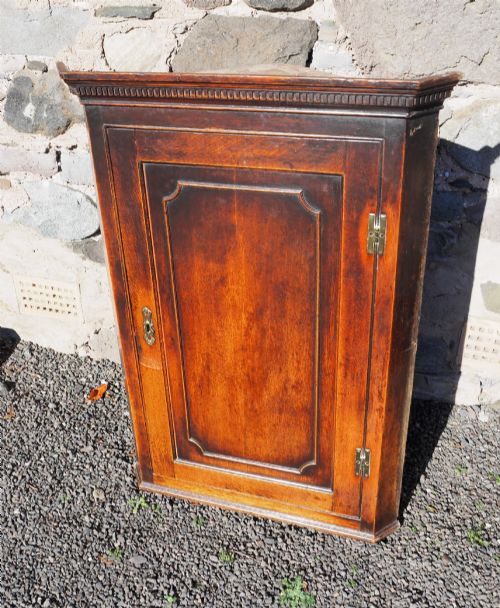
Every antique wood display piece serves a specific function for presenting books, china or decorative items within a room. The selection spans standard bookcases, corner cabinets, wall shelves, plant stands and glazed display cabinets.
Edwardian and Victorian examples in mahogany, oak and walnut dominate the available choices. Makers ranged from simple cabinet makers to prominent firms like Waring and Gillow.
Forms vary from open bookcases with adjustable shelves to enclosed cabinets featuring astral glazing and raised galleries. Pieces date from the Georgian era through to the early twentieth century.
Materials and construction
Mahogany, oak and walnut form the structural core of these items, often enhanced with satinwood, rosewood, kingwood or ebonised details. Timber selection defined both the strength and the visual weight of each cabinet.
Glazing techniques utilise glass panes set within timber frames, sometimes shaped in astral patterns or curved serpentine fronts. Brass hardware, claw and ball feet, and intricate carving complete the construction methods of the period.
Antique Wood Display Retail Price Guide 2026
Typical asking prices for wood display among the pieces listed under this phrase on Sellingantiques today, from the lower quarter to the upper quarter. They describe what is for sale here now, not the wider market.
Listings feature items from the Georgian, Regency, Victorian and Edwardian periods, constructed in mahogany, oak, walnut and satinwood.
Distinctions in quality
The refinement of the timber and the crispness of the carving distinguish finer examples from standard utility furniture. Superior pieces incorporate thoughtful details such as dentil cornices, fine inlay work and harmonious proportions.
Construction integrity, from the thickness of the glass to the stability of tripod bases and tier joints, marks the difference between basic workshop production and high-status cabinet making.
Waring and Gillow·John Moyr Smith
The Antique Wood Display Glossary
- Astral glazing
- Glass held within a timber framework of intersecting bars. This technique divides larger window areas into smaller geometric panes.
- Breakfront
- A cabinet design where the central section projects forward from the flanking wings. It creates visual depth across the facade.
- Dentil cornice
- A moulding decorated with a series of small, rectangular blocks resembling teeth. It typically runs along the top edge of a bookcase or cabinet.
- Torchere
- A tall ornamental stand designed to hold a light or a decorative object. They frequently feature slender shafts and sturdy bases.
- Étagère
- A piece of furniture consisting of open shelves for displaying small objects. These tiered tables became popular during the Victorian and Edwardian periods.
Antique Wood Display: Frequently Asked Questions
What is an antique display cabinet?
An antique display cabinet is a piece of furniture made from timber with glass panels designed to show off china, books or ornaments while protecting them from dust.
These pieces typically date from the Victorian and Edwardian eras, featuring materials like mahogany, oak and walnut with fitted shelves inside.
How do I identify a Georgian bookcase?
Georgian bookcases generally date from the eighteenth century, showing heavier proportions, deep cornices and robust timber construction without later stylistic influences.
They often incorporate high-quality mahogany, hand-cut dovetails and traditional glass glazing bars that mark them out from twentieth-century reproductions.
Where should I place a corner cabinet?
Corner cabinets fit neatly into unused room angles, turning dead space into functional storage and display areas.
They work well in dining rooms for china or in sitting rooms where floor space is limited.
What is a pedestal stand used for?
Pedestal stands and torcheres elevate plants, sculptures or decorative bowls to make them focal points in a room.
Their raised design draws the eye upward and makes efficient use of vertical space.