



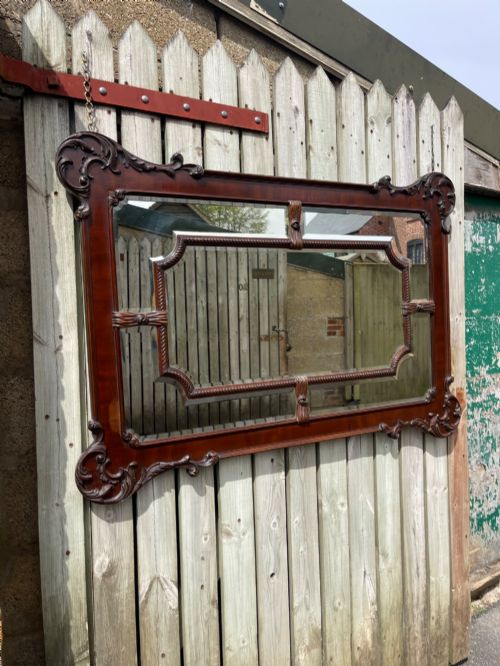


Antique Wood Cushion Mirror
An antique wood cushion mirror brings deep architectural framing and reflective warmth to any interior.
Antique Wood Cushion Mirror
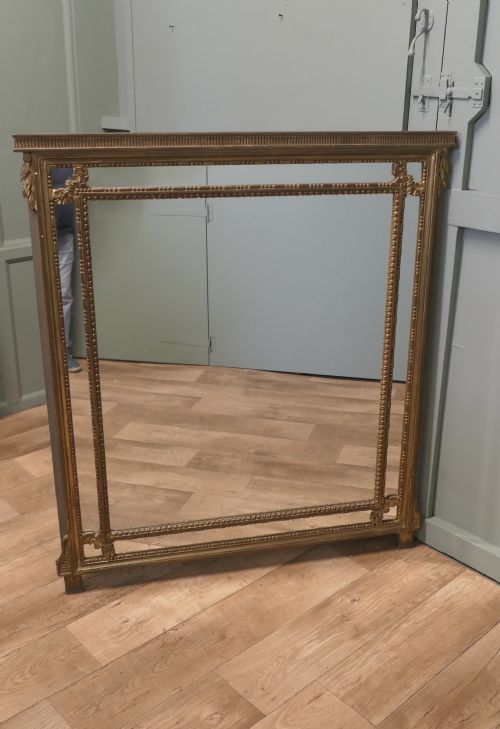
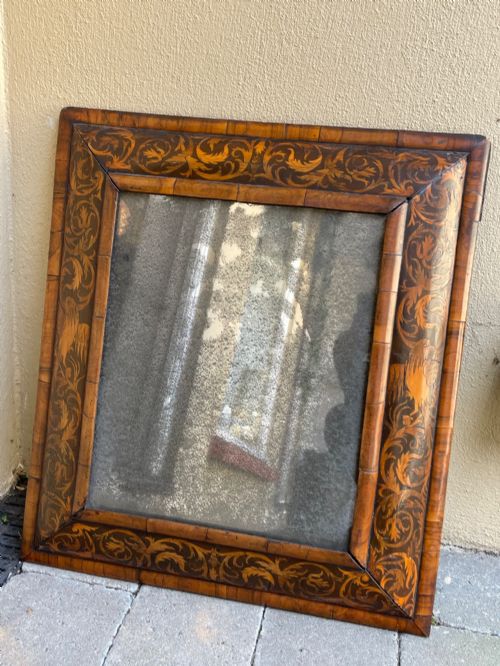
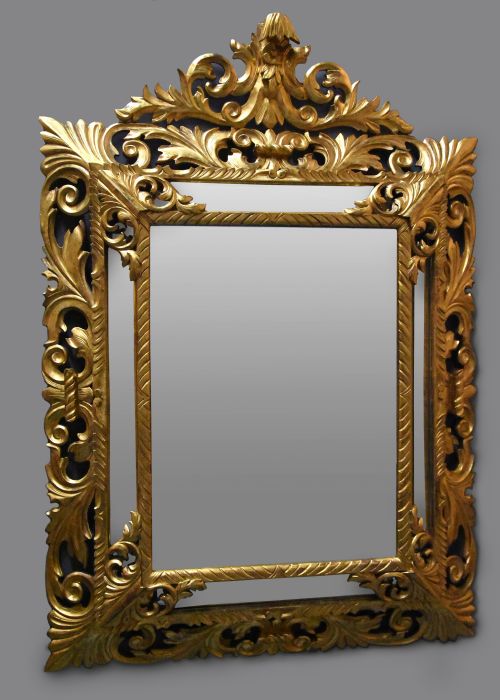
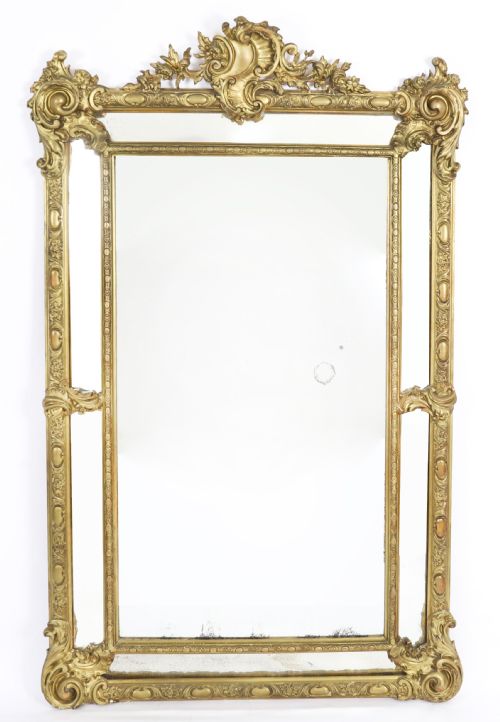
The selections available range from seventeenth-century walnut and marquetry pieces to ornate nineteenth-century French giltwood and gesso examples. Continental baroque influences and Victorian interpretations appear frequently across the current and archival inventory.
Buyers will find both restrained timber grains and heavily decorated painted or gilded surfaces. Wall-hanging formats dominate, alongside substantial overmantel proportions designed for principal reception rooms.
Materials and Construction Techniques
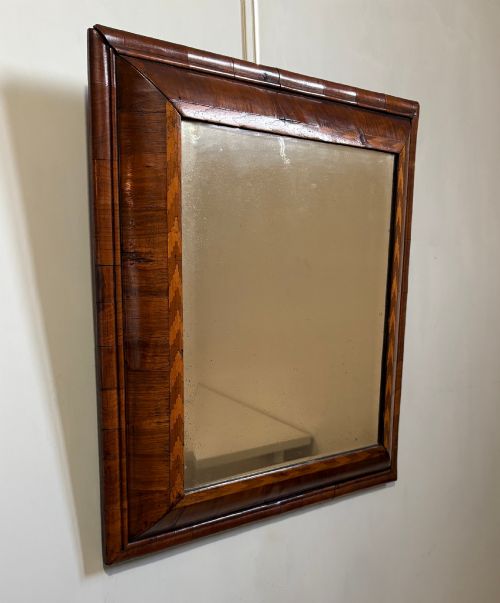
Cabinetmakers constructed the foundational carcass from solid timbers such as walnut, mahogany, oak, and boxwood, often applying intricate marquetry or ebonised details. Sections were mitred and built up to form the signature sloped cushion profile.
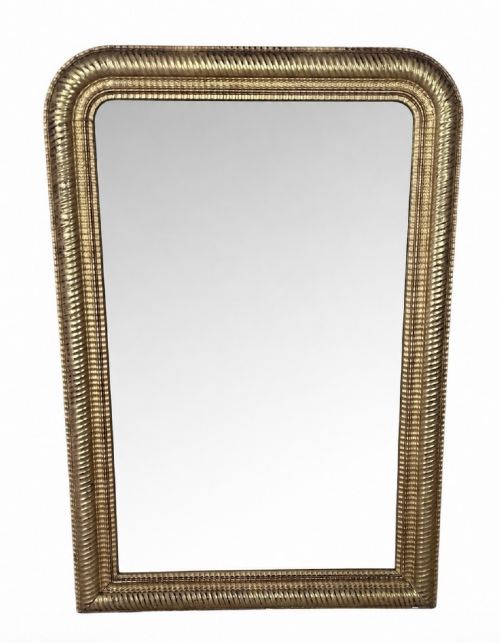
Many frames relied on a prepared layer of gesso applied over carved wood, which artisans then gilded with gold leaf or painted in subtle tones. This plaster-like medium allowed for crisp decorative moulding, rope twists, and ripple patterns.
Antique Wood Cushion Mirror Retail Price Guide 2026
Typical asking prices for wood cushion mirror among the pieces listed under this phrase on Sellingantiques today, from the lower quarter to the upper quarter. They describe what is for sale here now, not the wider market.
Listings feature examples spanning from seventeen-hundred walnut marquetry to early twentieth-century painted cushion frames.
Evaluating Craftsmanship and Preservation
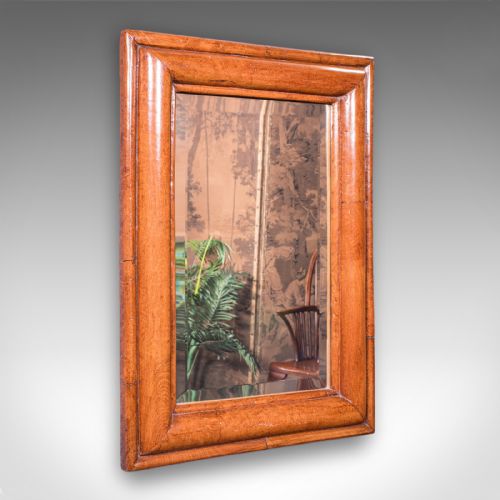
The integrity of the wooden substrate and the depth of the carved or applied ornament dictate the standard of execution. Superior examples display crisp joinery along the sloped borders without warping or structural compromise in the timber.
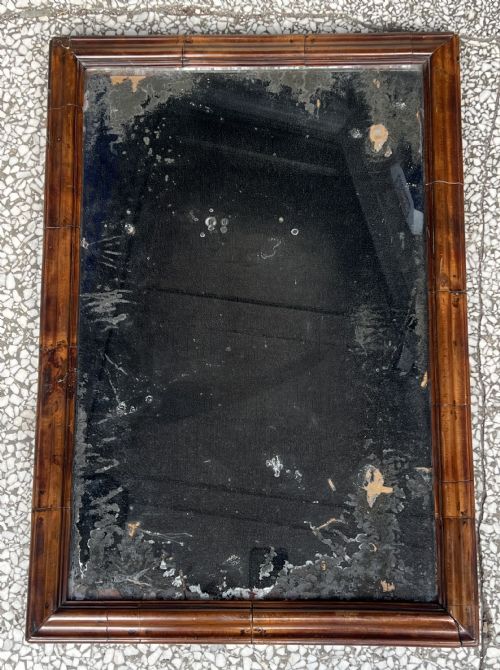
The preservation of original surface treatments, whether aged parcel-gilt, distressed paint, or polished burr walnut, determines the authenticity of the piece. Retaining the original mirror plate adds significant character compared to modern replacements.
The Antique Wood Cushion Mirror Glossary
- Cushion mirror
- A wall-mounted looking glass featuring a convex, sloping wooden frame that swells outward toward the outer edge. This distinctive profile gained prominence in the seventeenth century and returned in later revival periods.
- Gesso
- A plaster-like mixture applied to wood frames to create a smooth surface for gilding or painting. Artisans used it to mould intricate decorative details.
- Giltwood
- Timber that has been coated with a thin layer of gold leaf. It defines many formal nineteenth-century French and Italian examples.
- Marquetry
- The art of applying decorative veneer pieces to a wooden structure to form geometric or floral patterns. It is frequently seen on early walnut frames.
- Overmantel mirror
- A large horizontal looking glass traditionally hung above a fireplace mantel. These pieces often share the convex cushion framing style.
Antique Wood Cushion Mirror: Frequently Asked Questions
Where should I hang an antique cushion mirror?
These pieces suit principal reception rooms, hallways, or above mantelpieces where their architectural profile can catch and reflect natural light. Their sloping frames add dimensional weight to plain walls.
Ensure the wall fixings match the substantial weight of timber and gesso frames. Positioning them opposite a window maximises the play of light across the room.
How do I identify a seventeenth-century cushion mirror?
Early pieces from the seventeen hundreds typically feature walnut timbers, subtle ebonised highlights, and intricate marquetry inlay. The framing tends to be tighter and more architectural than later revivals.
Comparative inspection of the timber backing, hand-cut screws or fixings, and the clarity of the glass helps confirm the period. Later nineteenth-century copies often utilise heavier gesso and brighter gilding techniques.
Are the mirror plates original?
Many antique mirrors retain their original glass, which often exhibits characteristic foxing, minor speckling, and gentle distortion. These natural signs of ageing distinguish historical glass from modern replacements.
Original plates contribute significantly to the authenticity and visual charm of the piece. Replacement glass is sometimes fitted when the original has degraded beyond utility.
How do I care for a gilded wood frame?
Dust the carved surfaces gently with a soft, dry brush to prevent the accumulation of dirt within the gesso ornament. Avoid using liquid cleaners or chemical polishes on gilded or painted finishes.
Keep the mirror away from direct sunlight and areas of high humidity to protect the underlying timber and prevent the gesso from cracking. Stable indoor environments preserve both wood and metal leaf.