

Antique Wood Cresting
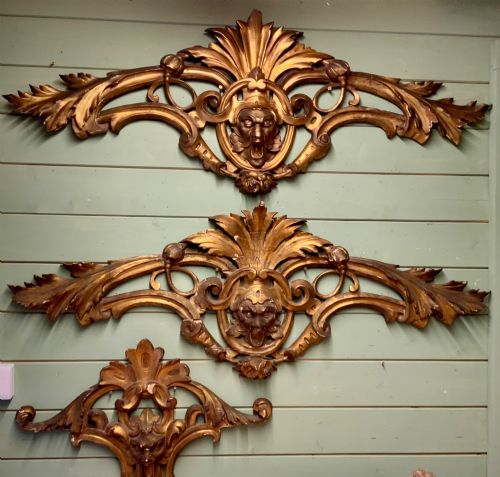
Antique wood cresting defines the carved timber ornamentation topping mirrors, chairs and wall plaques.
Antique Wood Cresting
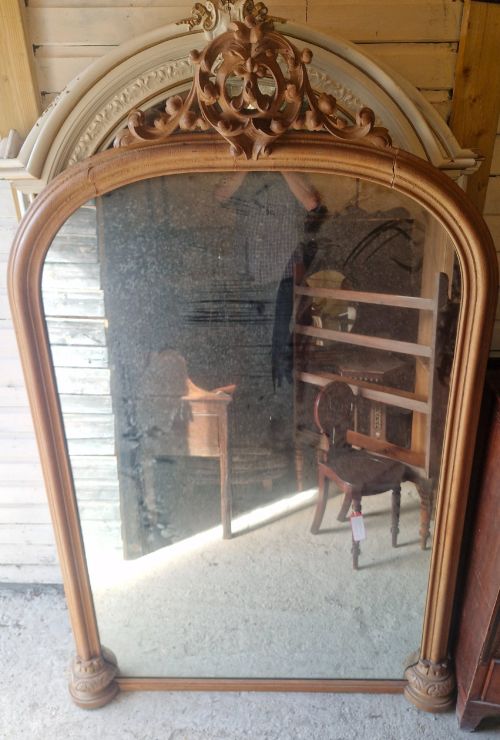
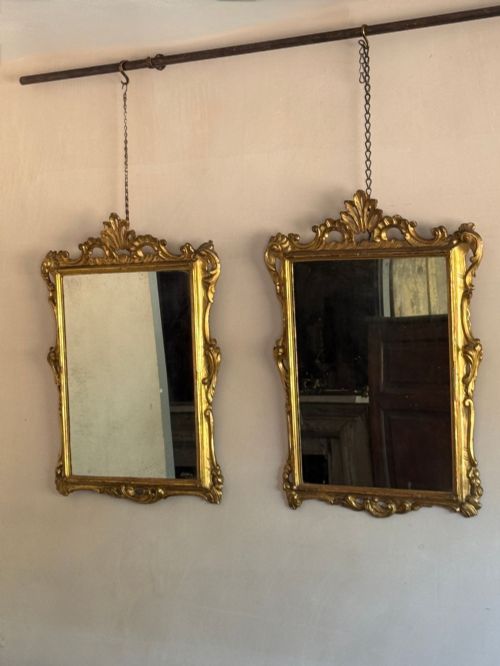
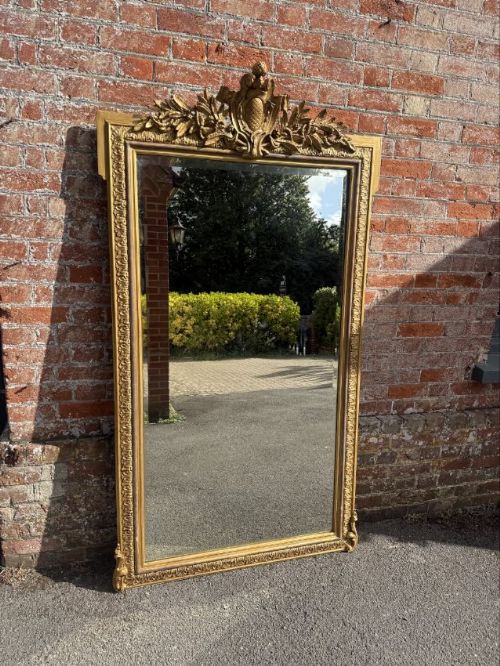
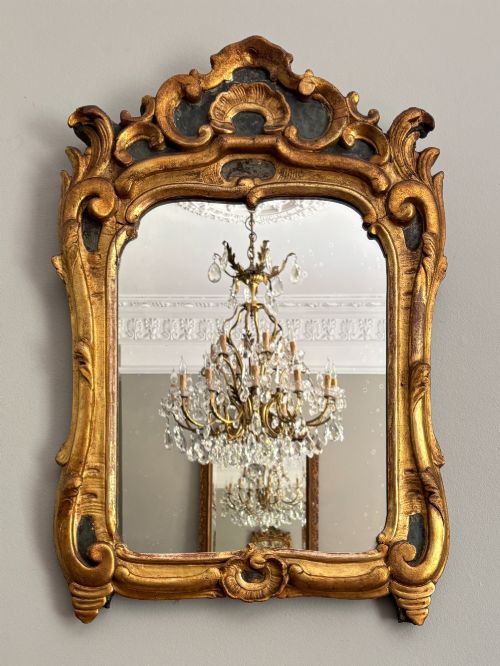
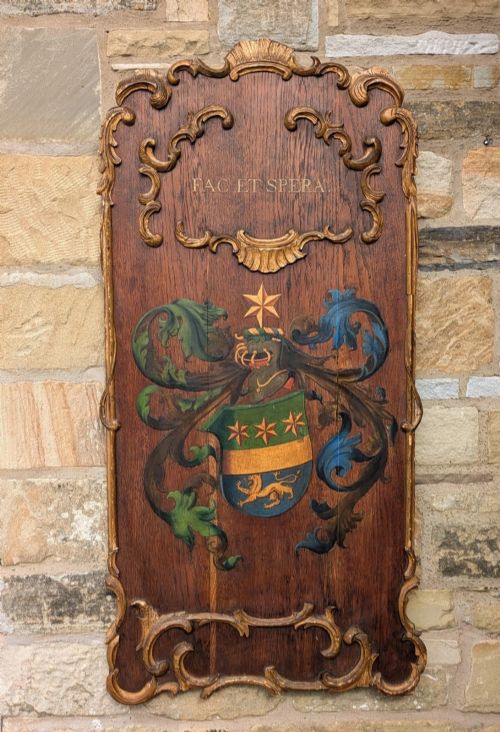
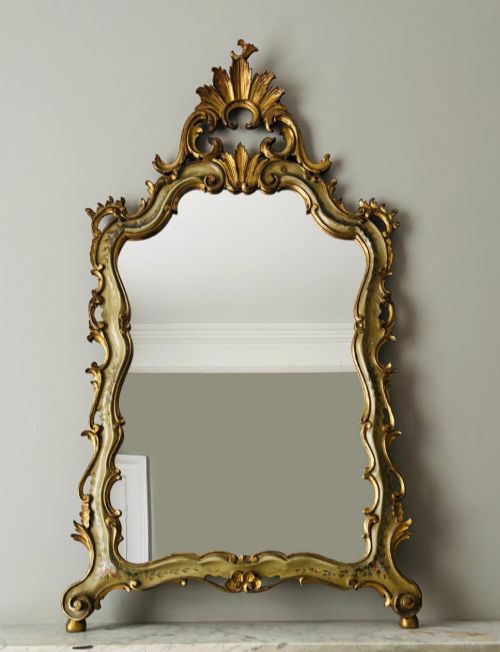
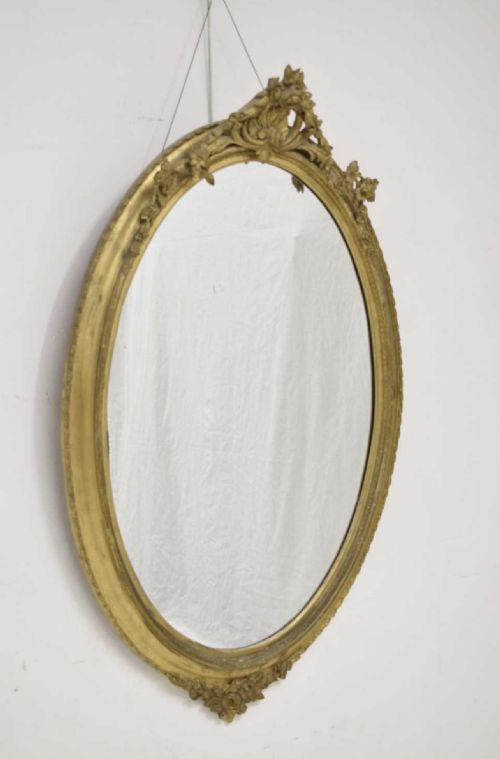
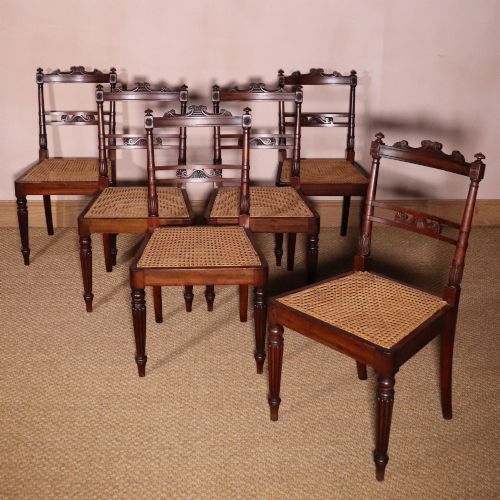
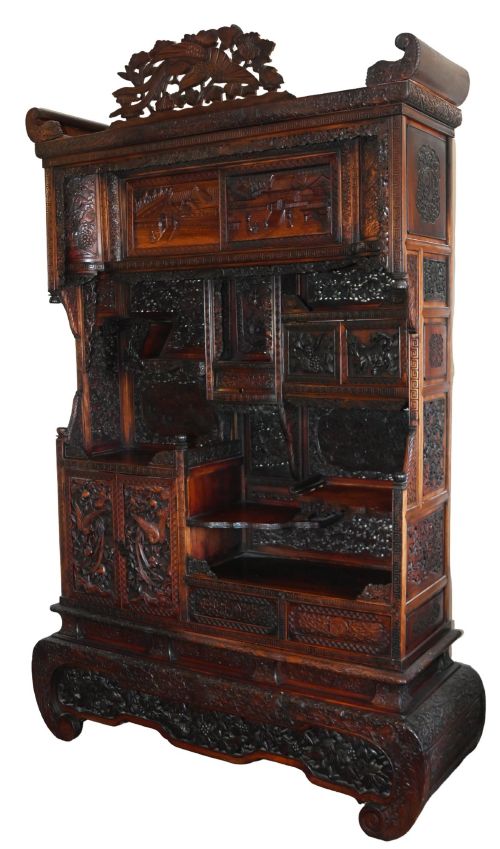
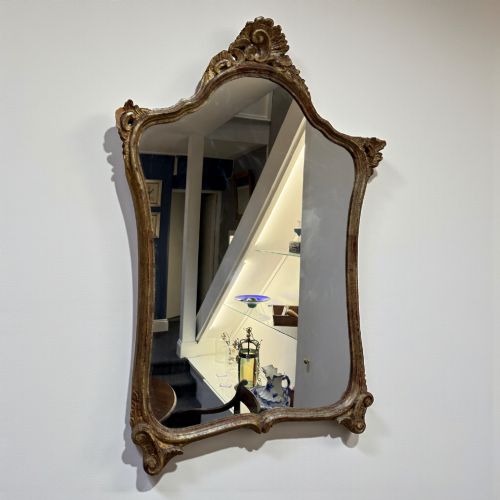
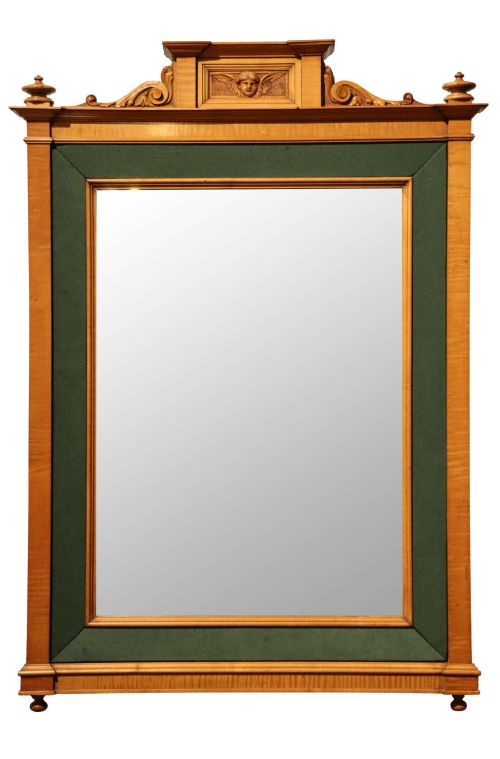
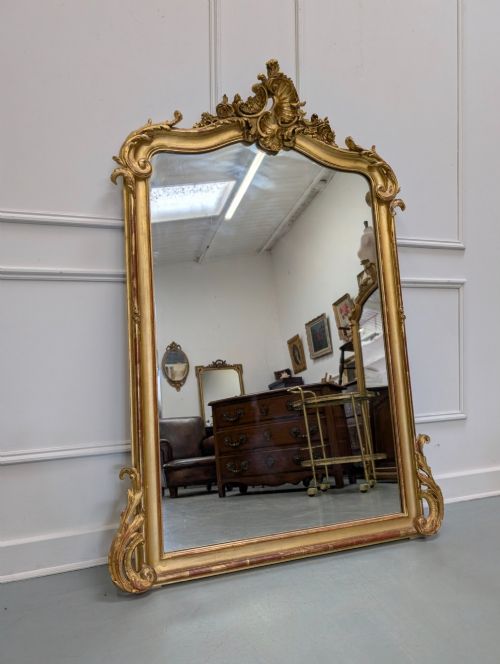
Antique wood cresting primarily appears as carved timber ornamentation crowning large mirrors, overmantels, chairs and armorial plaques across this selection. Buyers find these decorative crowns executed in various timber types, mounted onto frames or seat backs to draw the eye upwards.
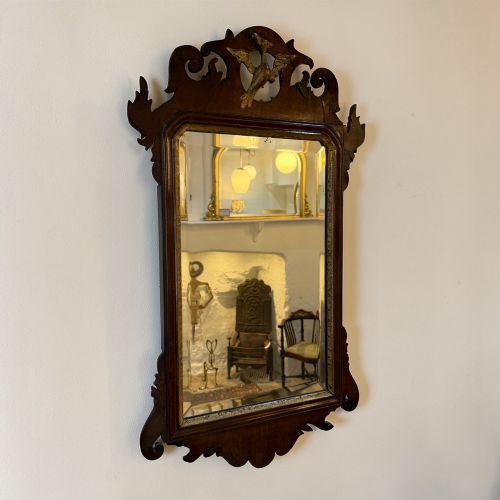
The objects bearing this ornamental work span from the seventeenth century through to the early twentieth century, showing particular strength in nineteenth-century French and English output. Pieces range from restrained mahogany fretwork on Georgian looking glasses to exuberant giltwood and gesso frames surmounted by birds and foliage.
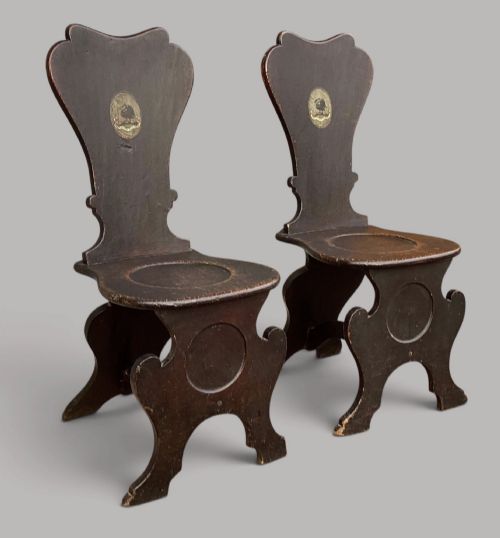
Mirrors form the most common vehicle for these carved headers, particularly overmantel and pier formats where the cresting breaks the straight architectural line of a chimneypiece or wall. Chairs and wall plaques occasionally display heraldic or shield-shaped wooden cresting tied to specific lineages or stylistic revivals.
Materials and construction methods
Makers shaped these ornamental tops from solid hardwoods including mahogany, oak, walnut and yew, relying on close-grained timber that accepted fine chisel work without splitting. Many structural frames combine a timber base with applied gesso layers to build up high-relief scrolls, leaves and avian motifs before gilding.
Gilding techniques involved applying thin sheets of gold leaf over bolus and gesso grounds, creating the brilliant surfaces seen on French and English decorative mirrors. Alternatively, simpler pieces relied on the natural grain of bleached oak, polished mahogany or walnut, finished with wax rather than metallic leaf.
Listings feature items spanning the 17th century through the 1920s, constructed from mahogany, oak, walnut, giltwood and gesso.
Distinctions in craftsmanship
Quality rests entirely upon the crispness of the hand-carving and the depth of the relief work within the timber or gesso. Superior examples display undercut leaves, lively birds and balanced symmetry that integrate fluidly with the main body of the object, whereas lesser pieces rely on shallow, machine-milled mouldings.
The treatment of the finish dictates the visual success of the piece, with well-preserved gold leaf or patinated native hardwoods holding their integrity across centuries. Finer items retain their original mirror plates, such as foxed mercury glass, or structural joinery that avoids crude modern adhesives and replacement framing.
Gillows Of Lancaster
The Antique Wood Cresting Glossary
- Cresting
- Carved or pierced decorative woodwork mounted at the very top of a mirror frame, chair back or piece of case furniture. It provides a visual terminal that elevates the architectural presence of the object.
- Gesso
- A plaster-like mixture applied to wood frames as a smooth base for subsequent gilding or painting. It allows craftsmen to model intricate three-dimensional decorative details.
- Giltwood
- Timber that has been coated with thin layers of gold leaf. This surface treatment was widely applied to formal mirrors and decorative wall plaques.
- Parcel Gilt
- A decorative treatment where only specific carved elements or raised details are gilded, leaving the underlying wood grain exposed elsewhere. This technique highlights particular ornamental motifs on frames and mirrors.
- Fretwork
- Openwork ornamentation cut from thin boards of wood using a fretsaw or scroll saw. It is frequently associated with Chippendale-style mirrors and eighteenth-century seating.
Antique Wood Cresting: Frequently Asked Questions
What is wood cresting on an antique?
Wood cresting refers to the decorative carved or pierced timber element fixed to the absolute top of a mirror, plaque or chair. It acts as an ornamental crown that completes the composition of the piece.
These elements often take the form of birds, floral arrangements, ribbons or heraldic shields. They were designed to catch the eye and add height and grandeur to domestic furnishings.
How do I care for antique giltwood cresting?
Antique giltwood cresting requires gentle maintenance using a soft, dry brush to remove dust without disturbing the delicate gold leaf. Avoid liquid cleaners, damp cloths and modern chemical polishes entirely.
Keep these pieces away from direct sunlight and fluctuating radiator heat to prevent the underlying gesso from drying, cracking or shrinking away from the timber base.
Are mirror crests usually original to the glass?
Most mirror crests are original to their frames, having been carved from the same timber stock or pinned securely with period joinery techniques during manufacture. However, because cresting projects outward, it remains vulnerable to knocks and occasional replacement.
Examining the grain alignment, joinery, and the ageing of the gilt or wood finish helps determine whether a cresting piece shares the exact age of the mirror plate below it.
Which periods feature carved wooden crests?
Carved wooden crests appear frequently across seventeenth-century, eighteenth-century and nineteenth-century furnishings. They reached heights of complexity during the Georgian, Regency and Victorian eras, particularly within the French Rococo and Chippendale revival styles.
Earlier pieces often showcase sturdy oak or walnut, while later nineteenth-century examples embrace elaborate gessoed and gilded compositions featuring birds and floral swags.