

Antique Wood Couch
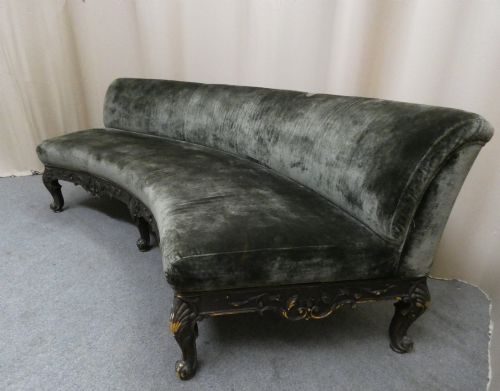
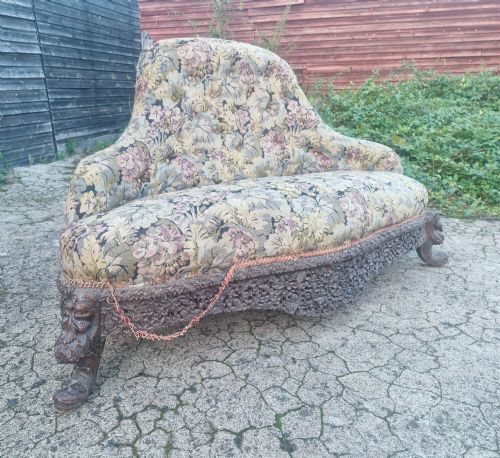
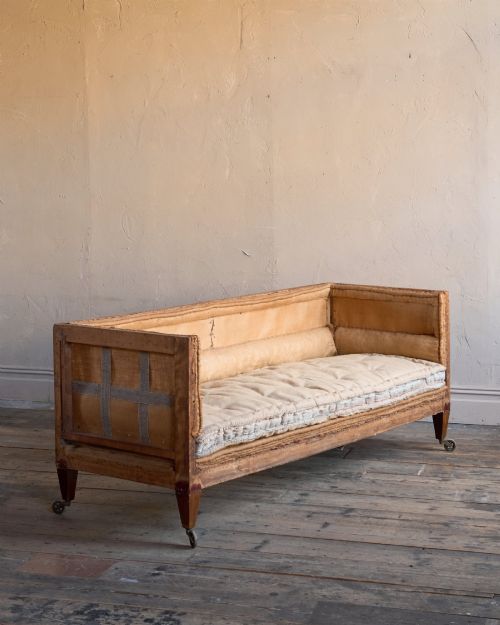
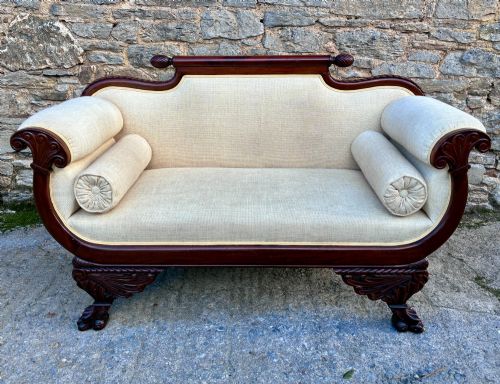
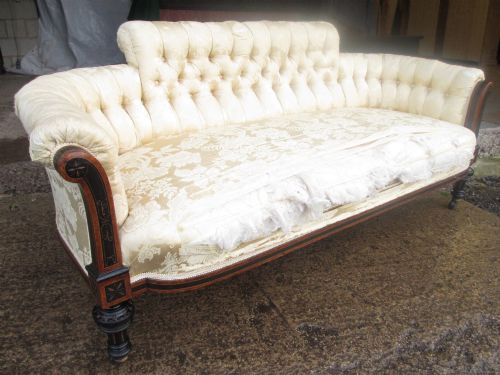
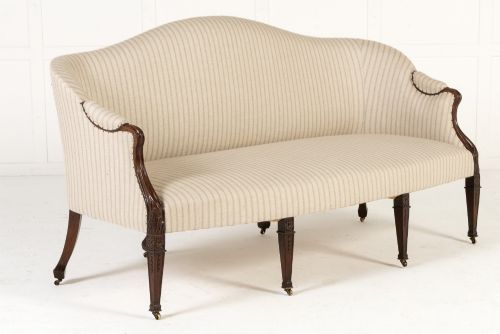
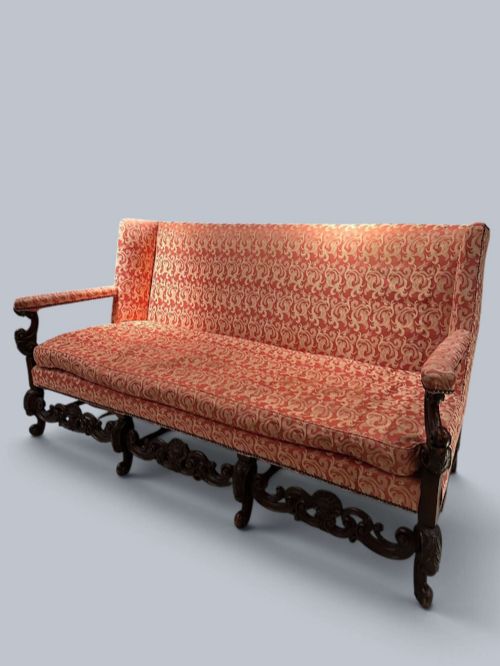
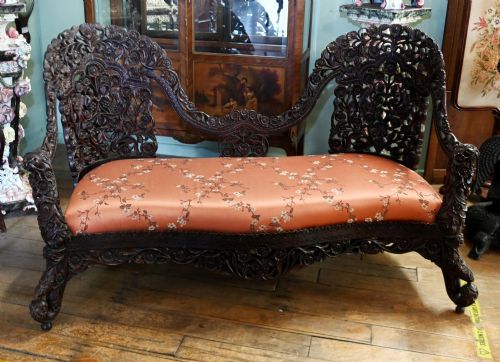
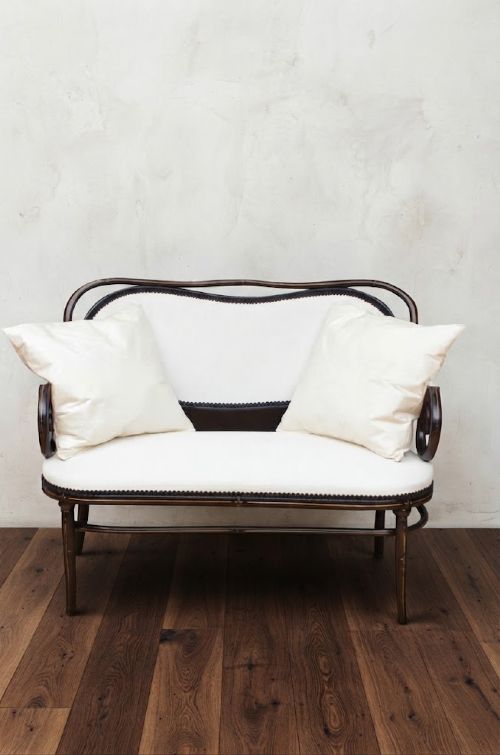
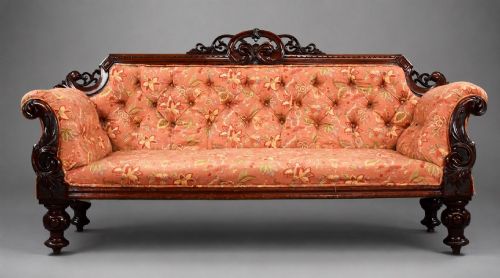
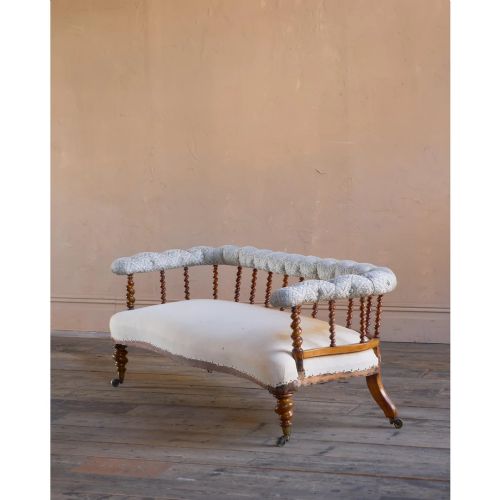
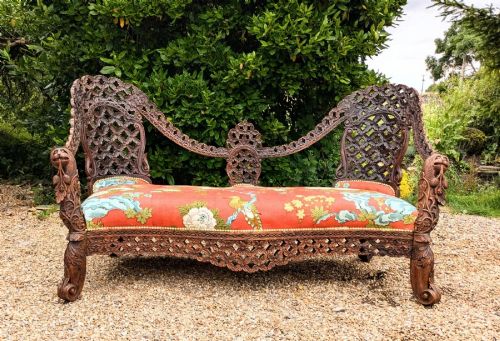
These antique wood couch examples combine period timber frames with classic upholstery to anchor a room.
Antique Wood Couch
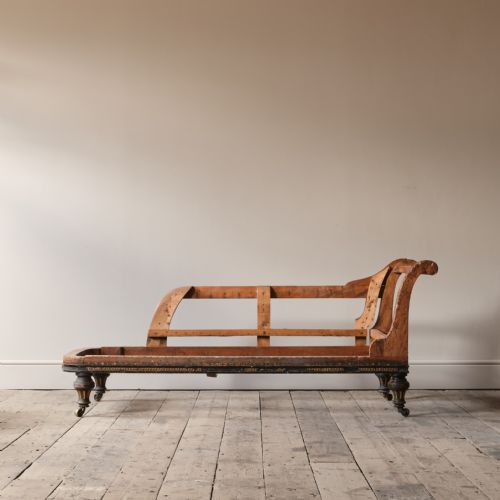
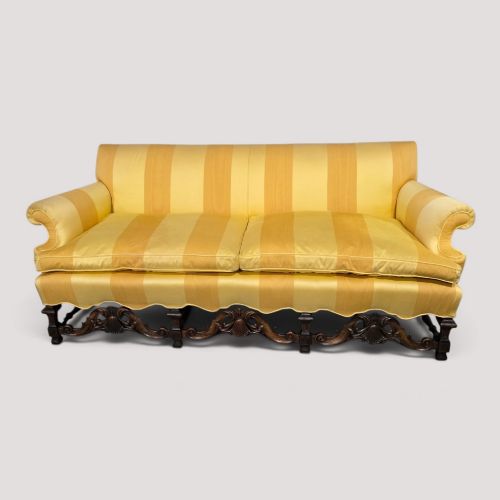
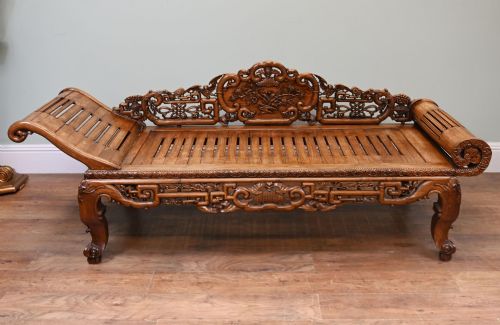
When you search for an antique wood couch, you encounter a variety of forms including chaises, daybeds, and traditional settees spanning the eighteenth, nineteenth, and early twentieth centuries. These seating pieces range from substantial mahogany country house sofas to delicate French walnut designs and carved hardwood daybeds.
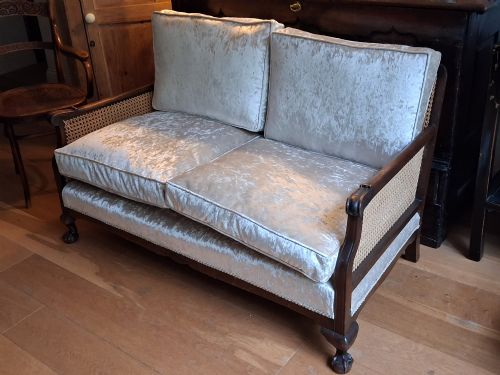
The selection on this page leans heavily toward Victorian and Edwardian iterations alongside Regency and French Provincial styles. You will find double-ended sofas, spindle back salon seating, and bergères featuring cane work or deep pile upholstery.
Materials and construction methods
Frames rely upon dense hardwoods such as mahogany, rosewood, walnut, and oak, often shaped through traditional joinery and carved details like ball and claw legs or gilt accents. Certain regional pieces utilise exotic timbers, including Chinese and Anglo-Indian hardwoods.
Upholstery techniques incorporate sprung bases, feather cushions, and coverings of leather, velvet, hessian, and brocade. Caning appears frequently on French and Anglo-Indian daybeds and settees, requiring intricate weaving by hand.
Antique Wood Couch Retail Price Guide 2026
Typical asking prices for wood couch among the pieces listed under this phrase on Sellingantiques today, from the lower quarter to the upper quarter. They describe what is for sale here now, not the wider market.
Materials documented across the inventory include mahogany, rosewood, walnut, oak, cane, leather, velvet, and hessian.
Distinctions in quality
Quality rests in the crispness of the timber carving and the integrity of the underlying frame structure. Finer examples display master craftsmanship in their joinery and decorative motifs, whereas lesser pieces show simplified ornament.
The preservation of original elements, such as cane work or gilt finishes, elevates a piece. Re-upholstered models depend on the fidelity of the restoration to the original period aesthetic.
Miles & Edwards·Holland & Sons·Thonet·C. Hindley & Sons·Hampton & Sons·Harry and Lou Epstein
The Antique Wood Couch Glossary
- Bergère
- An enclosed upholstered armchair or sofa with wooden framing and cane sides or back.
- Chaise Longue
- An upholstered long chair or daybed designed for reclining, popular in nineteenth-century drawing rooms.
- Settee
- A small upholstered bench with a back and arms, seating two or more people.
- Cane
- Woven rattan peel utilised for light, flexible seat panels and backs on seating from various periods.
- Brocade
- A rich shuttle-woven fabric, often featuring raised patterns in silk, gold, or silver threads.
Antique Wood Couch: Frequently Asked Questions
How do I identify a Victorian sofa?
Victorian sofas typically feature dark hardwoods like mahogany or walnut with heavy, ornate carvings. They often utilise deep button upholstery or patterned brocades.
Look for robust frames and curved lines characteristic of mid to late nineteenth-century workshop production.
What is an Anglo-Indian sofa?
These pieces combine British furniture forms with traditional Indian craftsmanship and dense tropical hardwoods. They frequently incorporate intricate pierced carving and cane panels.
Originating from colonial trade, they offer a distinct aesthetic compared to standard English country house seating.
How do I care for cane work?
Cane panels require gentle cleaning with a damp cloth and occasional conditioning to prevent the natural rattan from drying out and snapping. Avoid placing them near direct heat sources.
Properly maintained cane supports weight well while retaining its original flexibility.
Where should I place a chaise longue?
A chaise longue suits placement in a master bedroom, a spacious dressing room, or as a statement piece in a drawing room. Its asymmetrical design requires floor space with clearance on the long side.
Position it where the backrest allows comfortable lounging without obstructing room flow.