
Antique Wood Bookshelf
An antique wood bookshelf brings warm timber grain and quiet utility to a room, offering sturdy ledges for volumes gathered over a lifetime.
Antique Wood Bookshelf
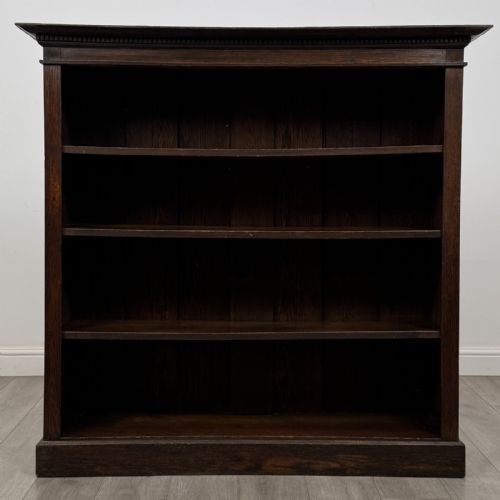
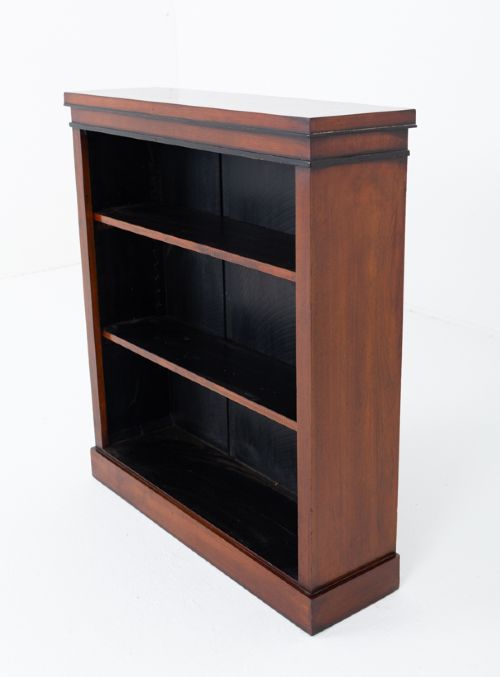
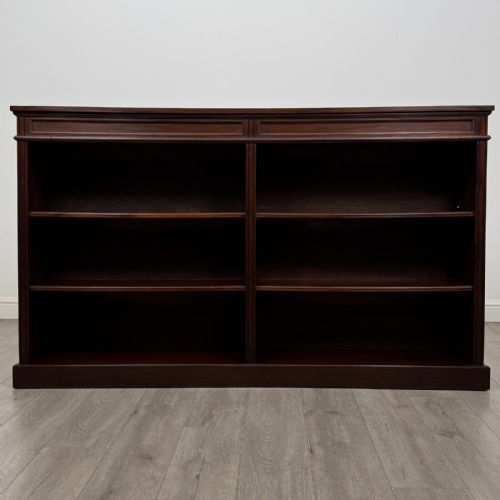
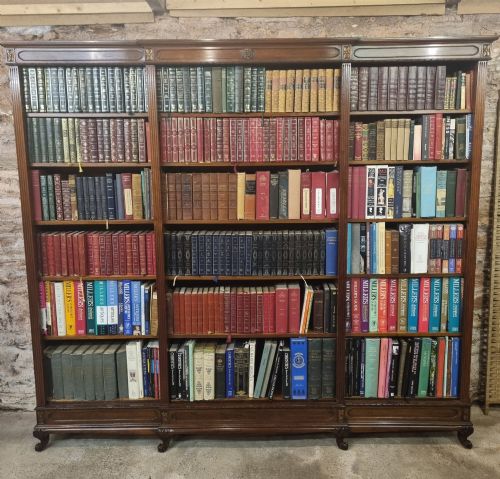
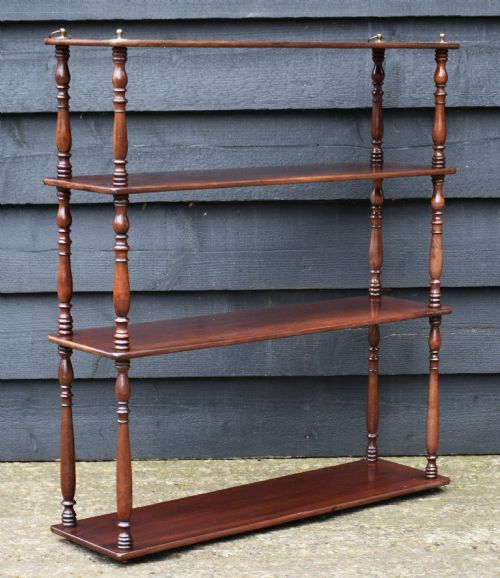
An antique wood bookshelf provides domestic storage for libraries large and small, appearing in forms ranging from compact wall hanging shelves to tall open library cases. When you search for an antique wood bookshelf, you encounter pieces designed to display literature while adding architectural depth to a study or sitting room.
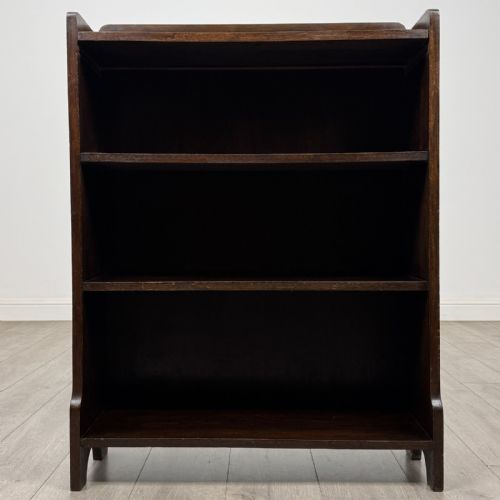
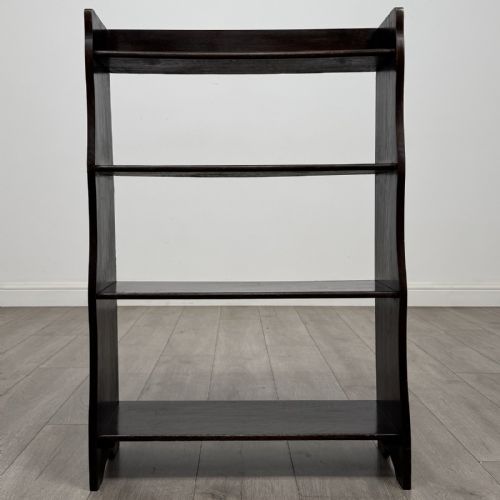
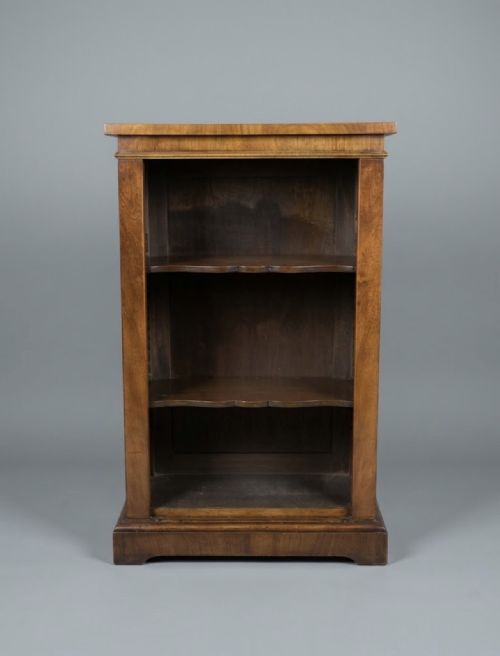
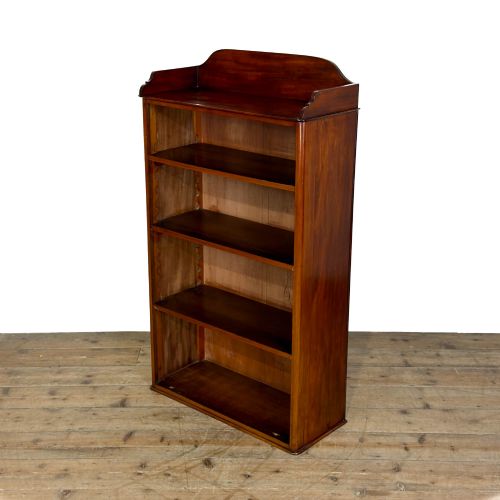
The selection here draws primarily upon Victorian and Edwardian periods, alongside Regency and 19th-century examples. Common formats include open bookcases with adjustable shelves, revolving designs with slatted sides, and wall-mounted shelves intended to utilise vertical space efficiently.
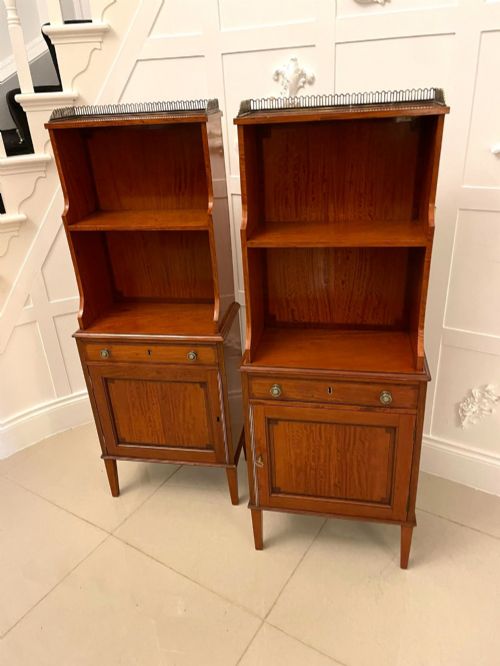
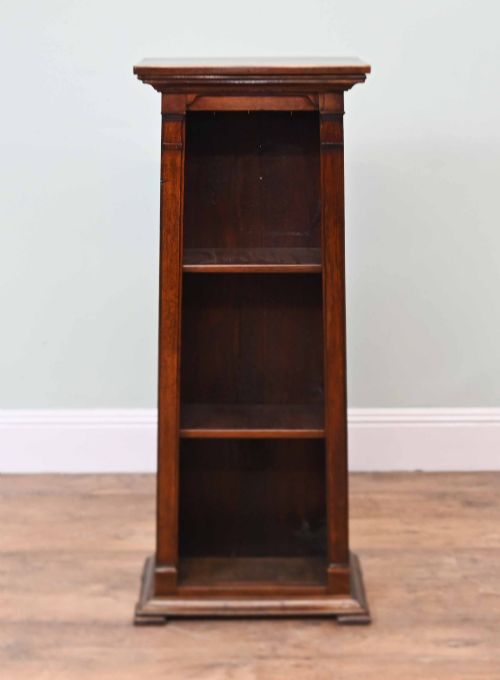
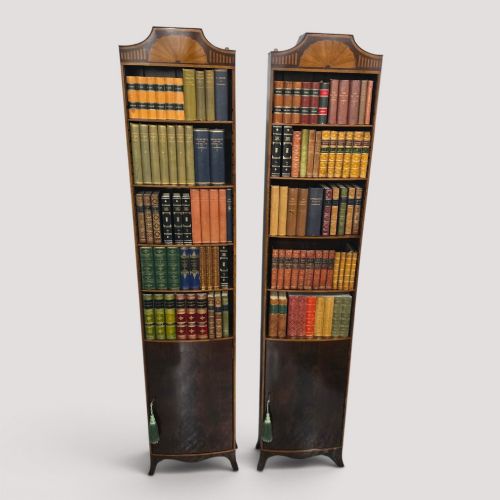
Woods such as mahogany, oak, walnut, and rosewood dominate the construction, often shaped into open shelving units or combinations featuring lower cupboards and raised galleries. These pieces reflect the functional demands of domestic reading rooms across the nineteenth and early twentieth centuries.
How they were made
Cabinet makers constructed these pieces using dense hardwoods like mahogany, walnut, and oak, selected for their structural strength and ability to bear heavy loads of books. Pine and satinwood also appear, utilised either for primary carcases or for contrasting interior elements.
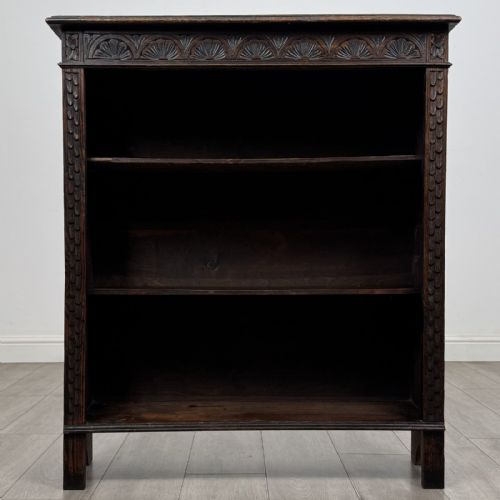
One low dwarf bookcase comes complete with a carved green man peering out from the ebonised woodwork.
What varies in quality
Quality in these pieces rests upon timber selection and the crispness of architectural details such as carved ornamentation, inlay work, and gallery rails. Finer examples display carefully matched wood grain across expansive surfaces and solid brass hardware where fitted.
Structural integrity and proportion also separate standard utilitarian items from exceptional pieces, particularly in the clever engineering of revolving mechanisms or the balance of slender waterfall designs. The refinement of the finishing work dictates the overall presence of the furniture in a room.
Gillows
The Antique Wood Bookshelf Glossary
- Breakfront
- A cabinet design where the central section projects forward from the flanking wings. This architectural arrangement adds visual weight and depth to larger library pieces.
- Waterfall bookcase
- A tiered shelving unit where each successive shelf steps back from the one below it. The cascading profile creates a light, elegant silhouette often seen in mahogany or satinwood.
- Revolving bookcase
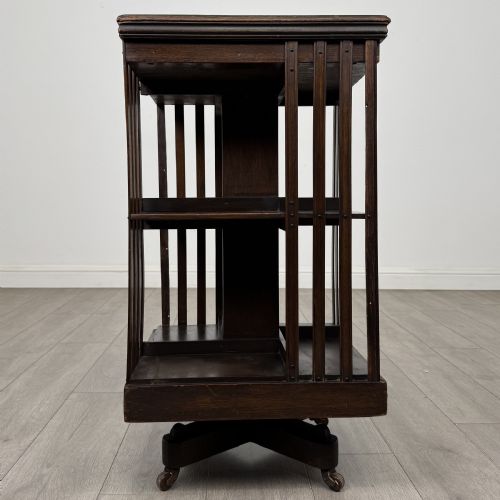
- A compact table-top or floor-standing case mounted on a pivoting base. This clever design allows a reader to access a circular selection of volumes from a single seated position.
- Raised gallery
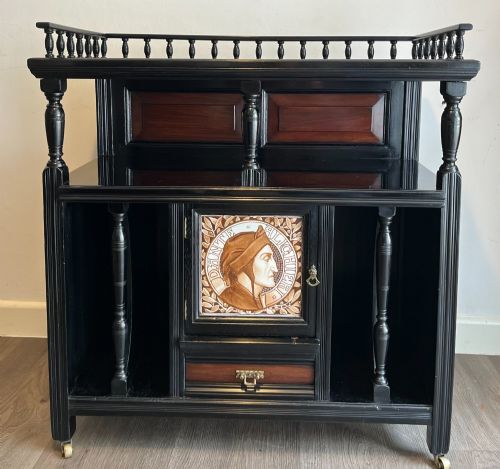
- A low decorative railing positioned along the top surface of a piece. It prevents objects from sliding off while framing the upper edge with turned spindles or carved woodwork.
- Plinth base
- A heavy solid block or flat-faced platform forming the foundation of a bookcase. It grounds the timber structure firmly against the floorboards.
Antique Wood Bookshelf: Frequently Asked Questions
How do I choose the right size?
Consider both the available wall space and the height of your volumes before selecting a piece. Taller library cases demand high ceilings, whereas wall hanging shelves or low dwarf bookcases suit smaller rooms.
Measure the depth of the shelves to ensure your larger books fit comfortably without overhanging the front edges unsteadily.
Are the shelves adjustable?
Many period examples feature adjustable timber shelves supported by wooden ratchets or metal pins. This practical system allows you to modify internal clearances for folios and pocket editions alike.
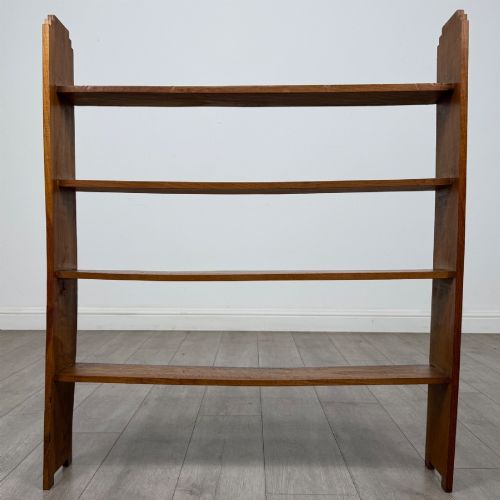
Fixed shelves do appear in certain simpler or earlier designs, so check the internal configuration if you require flexibility.
Where should I place a revolving bookcase?
A revolving bookcase works best beside an armchair or freestanding in the centre of a study where the mechanism can turn freely. This placement gives you immediate access to a handy cluster of reference books.
Keep them away from direct heat sources and strong sunlight to protect the polished timber surfaces from drying out.
How do I care for the wood finish?
Dust the timber regularly with a soft, dry cloth to prevent grit from scratching the polished surface. Apply a traditional beeswax sparingly when the wood appears dry, buffing it gently to maintain a soft lustre.
Avoid using modern silicone sprays or placing the bookshelf in damp environments where the timber might warp.