
Antique Wood Bench
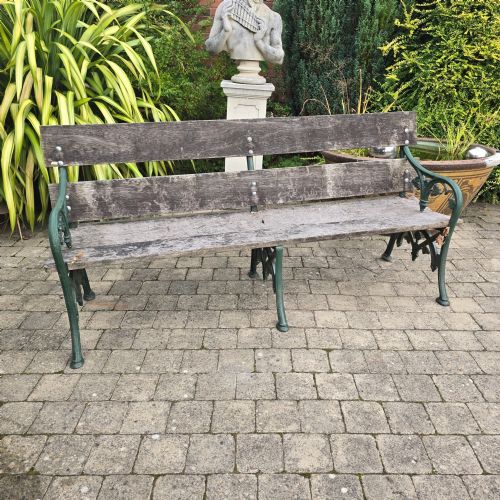
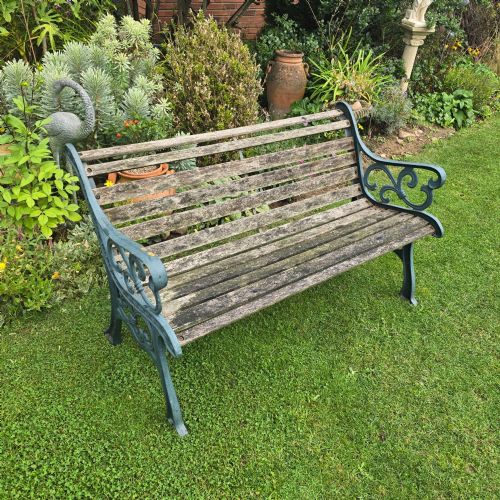
An antique wood bench grounds a hallway or window space, bringing centuries of skilled carpentry and varied timber grains into daily domestic life.
Antique Wood Bench
An antique wood bench encompasses robust oak hall seats, carved walnut settles, mahogany window seats, and rustic pine or beech forms. These pieces originate across the eighteenth, nineteenth, and early twentieth centuries, reflecting the domestic needs of their respective eras.
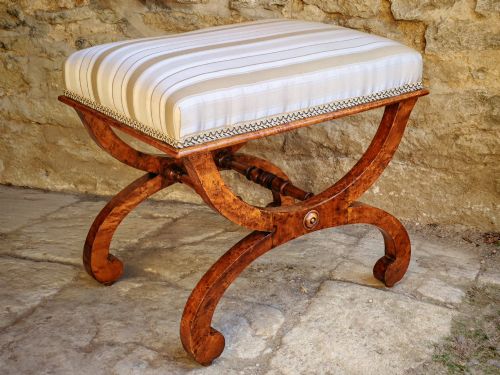
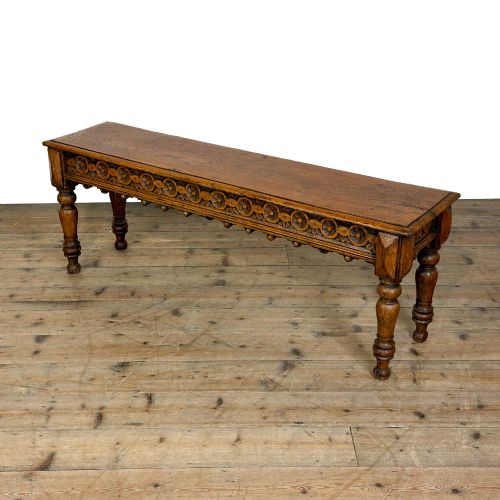
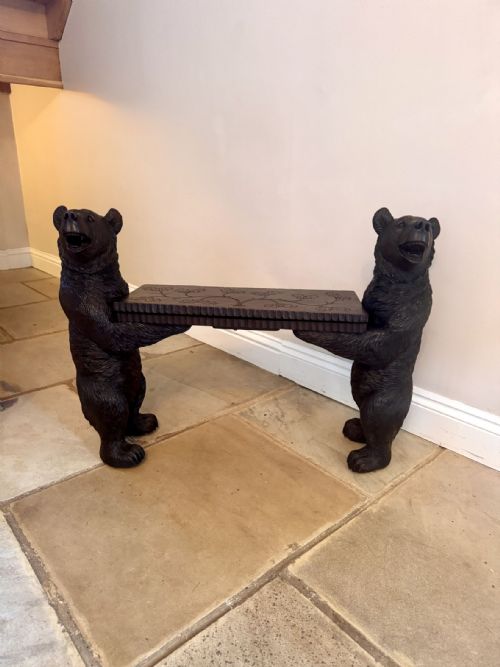
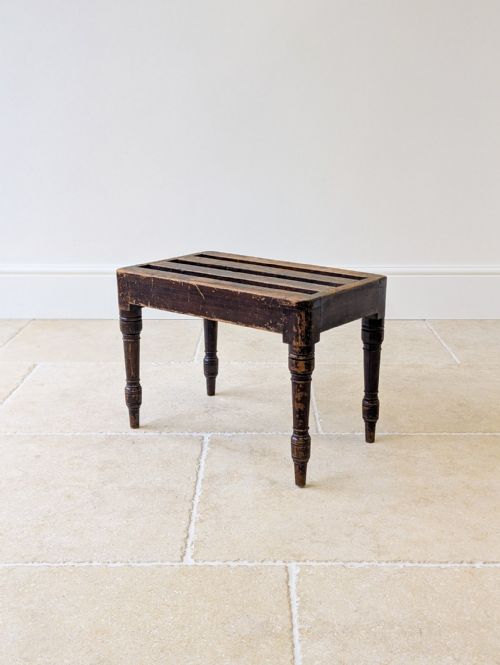
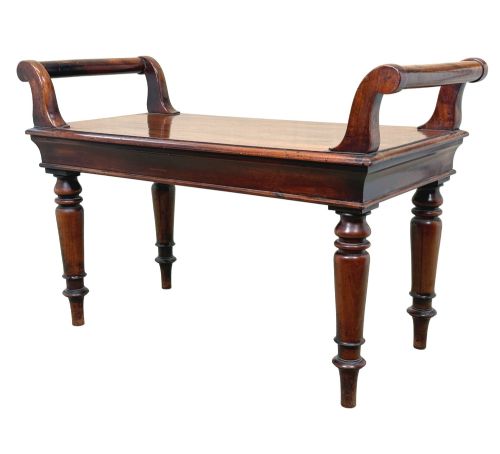
The most common examples encountered here are Victorian and Edwardian oak hall benches and mahogany window seats. Alongside these, buyers find vernacular stools, luggage stands, and occasional Black Forest or continental carved seating.
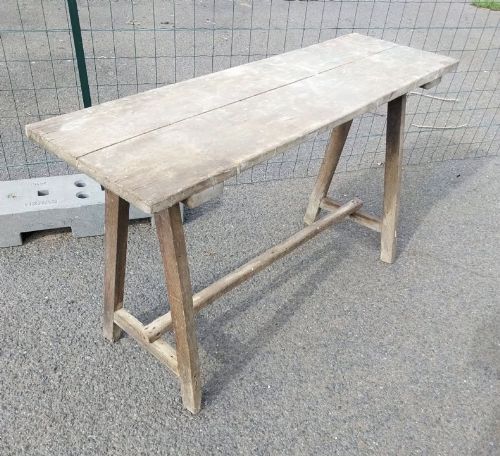
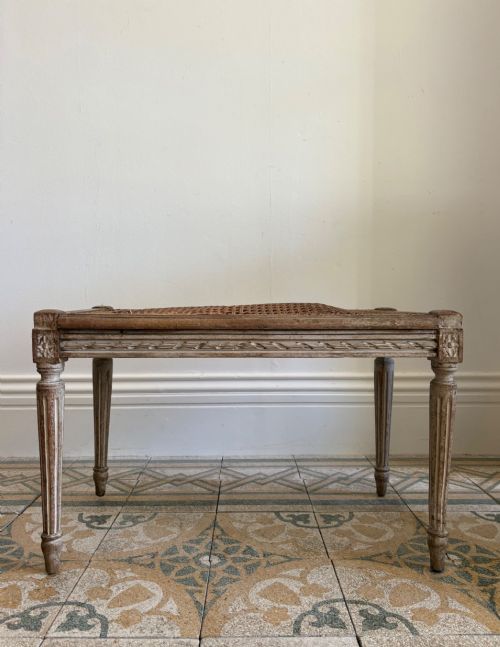
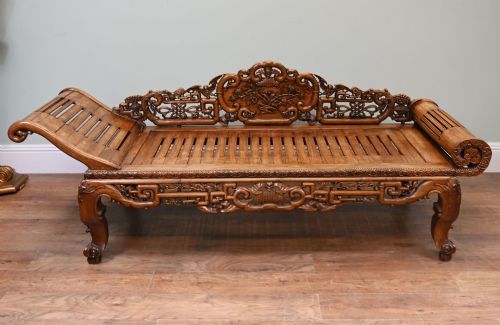
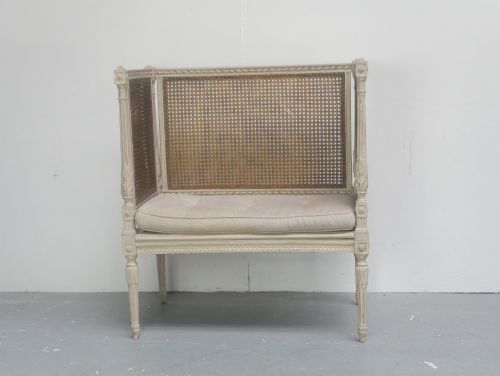
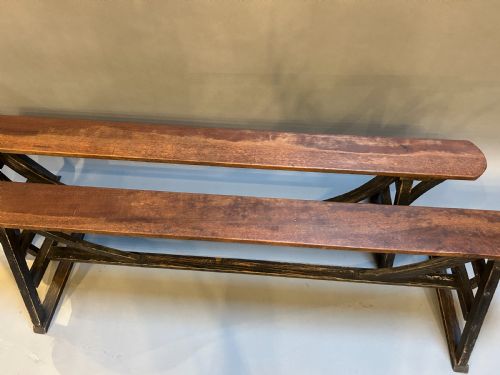
Regional variations include Chinese hardwood opium beds, French painted stools, and Spanish colonial seating. Each style relies on solid timber construction suited to heavy daily use.
Materials and construction
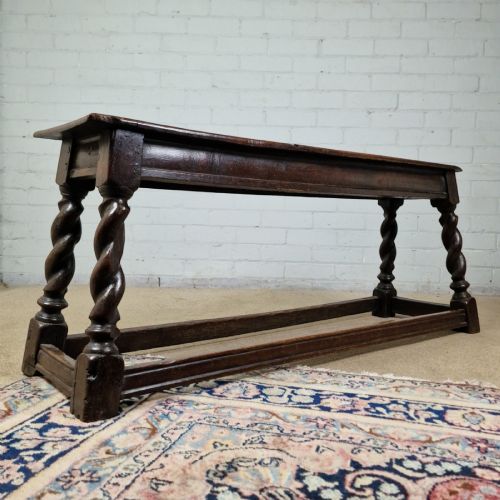
Joinery relies heavily on native and exotic timbers such as oak, mahogany, walnut, beech, and ash, often joined with traditional mortise and tenon techniques. Many pieces incorporate decorative hand-carving, panelled backs, or turned legs.
Secondary elements include cane panels, brass fittings, fabric upholstery, and painted surface finishes. Structural stability is achieved through solid wood stretchers and pegged joints.
Listings feature oak, mahogany, pine, beech, and cane across eighteenth, nineteenth, and early twentieth-century periods.
Assessing craftsmanship
Quality rests on the depth and crispness of hand-carving, the selection of timber with strong grain figure, and the integrity of the original joints. Superior examples maintain their structural rigidity without excessive modern intervention.
Finer pieces show careful attention to secondary details, such as shaped armrests, panelled timber backs, and balanced proportions. Lesser examples exhibit plain board construction or later replacement parts.
Brown & Lamont·Norris London·Thonet
The Antique Wood Bench Glossary
- Settle
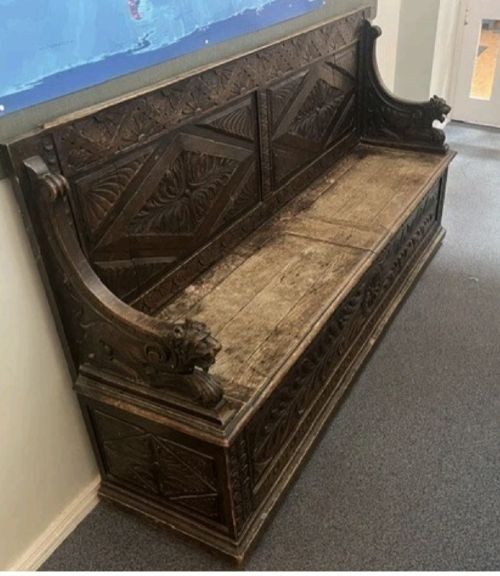
- A wooden bench with a high back, solid arms, and often a storage box beneath the seat. It was designed to keep out draughts in older homes.
- Hall bench
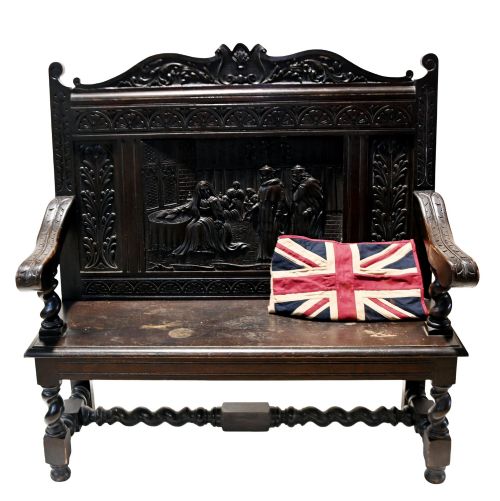
- A narrow seat placed in an entrance hallway, frequently incorporating carved panels or coat hooks. It provided a formal spot for visitors to sit.
- Window seat
- A low, upholstered or wood-topped bench built to sit beneath a window recess. These often feature slender legs and mahogany or satinwood frames.
- Mortise and tenon
- A traditional woodworking joint where a projecting tongue fits snugly into a square hole. This method provides robust, enduring strength without metal fasteners.
- Vernacular
- Objects made by local craftspeople using regional materials and traditional designs rather than high-style metropolitan patterns.
Antique Wood Bench: Frequently Asked Questions
Where should I place an antique wood bench?
An antique wood bench fits naturally in an entrance hallway, at the foot of a bed, or beneath a large window. Their narrow profile allows them to occupy transitional spaces without crowding a room.
Heavier carved oak or walnut versions anchor grander halls, while lighter mahogany or painted window seats suit bedrooms and living spaces.
How do I care for antique wooden seating?
Maintain the timber by keeping the bench away from direct heat sources and sudden temperature shifts, which can cause wood to split. Apply a suitable wax polish periodically to nourish the surface.
Avoid excessive moisture on unsealed wood surfaces and protect upholstered or cane sections from direct, harsh sunlight.
How do I identify a Victorian hall bench?
Victorian hall benches typically feature dark oak construction, heavily carved panelled backs, and hinged seats revealing storage space. The carving often draws on Gothic, Renaissance, or rustic country revival styles.
Proportions are generous, designed to handle heavy daily use in nineteenth-century entrance halls.