




Antique Wmf Pewter
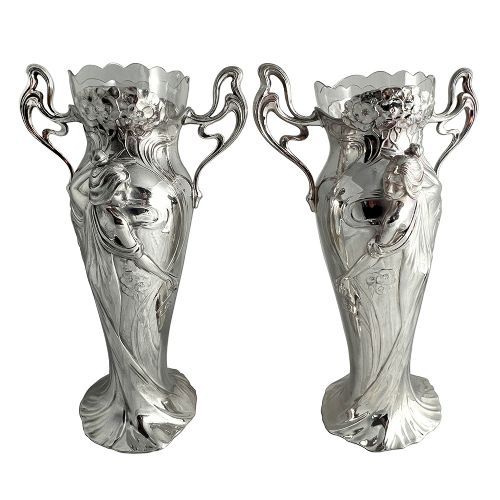
Antique Wmf Pewter objects are distinctive decorative metalwork pieces that bring characteristic period flair to any interior scheme.
Antique Wmf Pewter
When you search for antique wmf pewter, you encounter decorative items produced primarily around the turn of the twentieth century. The selection spans the Victorian period through to nineteen ten, capturing the height of the Art Nouveau movement.
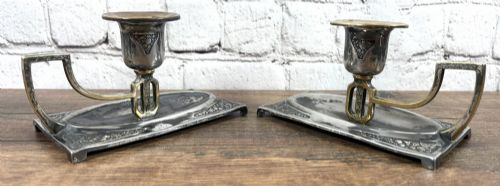
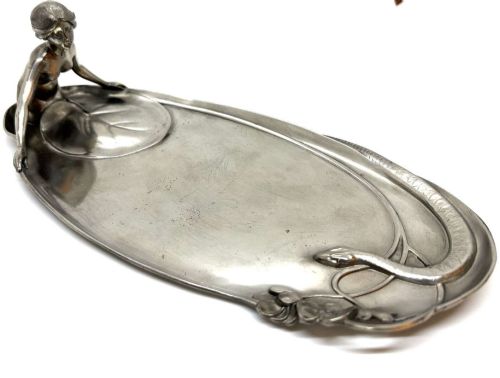
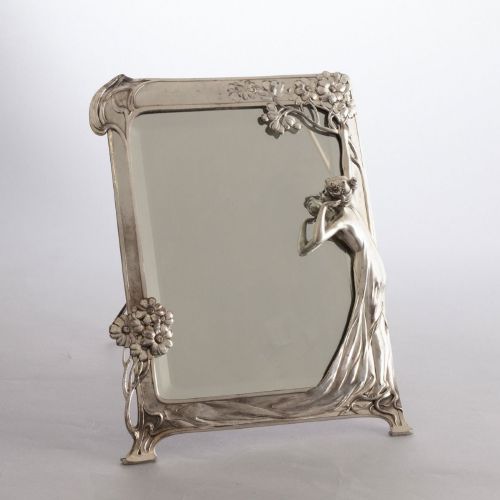
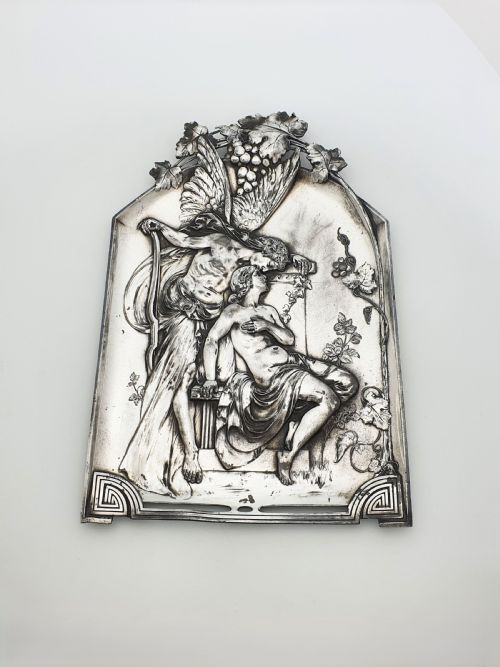
The objects take diverse forms ranging from domestic tableware to decorative display pieces. You find candlesticks, card trays, table mirrors, wall plaques, desk accessories, pitchers, jugs, baskets, fruit stands, candelabra, decanters, tazza, centrepieces and vases.
Many of these designs incorporate sculptural figures such as maidens, serpents, and mermaids. Glass and ruby glass components frequently combine with the metalwork in centrepieces, baskets, and decanters.
How they were made
The manufacturing process principally utilised pewter, silvered pewter, Britannia metal, and silver plate. These base metals allowed manufacturers to cast complex, flowing contours typical of the period.
Makers integrated secondary materials such as clear glass, ruby glass, brass, and general metal mounts into the pieces. Surface finishes included silver plating or specialised silvering applied to the pewter to enhance reflective qualities.
Materials appearing in these listings include pewter, silvered pewter, Britannia metal, silver plate, brass, and ruby glass.
What varies in quality
The definition and crispness of the cast figural elements distinguish better examples from simpler production. Pieces featuring intricate motifs like maidens or mermaids rely heavily on the precision of the initial metal casting.
The integration of original glass inserts, such as ruby glass bowls or decanter liners, influences the integrity of composite objects. The preservation of the original silvered or plated surface finish also contributes significantly to the character of each piece.
WMF
The Antique Wmf Pewter Glossary
- Pewter
- A malleable metal alloy traditionally composed of tin alloyed with copper and antimony. It was widely utilised in German manufactories for domestic and decorative items.
- Silvered pewter
- Pewter that has undergone a secondary plating or finishing process to impart a brighter silver appearance. This surface treatment was popular during the Art Nouveau period.
- Britannia metal
- A specific type of tin-based alloy known for its silvery lustre and smooth surface. It served as an alternative base metal for plated tableware and decorative vessels.
- Tazza
- An ornamental cup or shallow vessel raised on a stem and foot. These items were often deployed as centrepieces on dining tables.
- Card tray
- A small ornamental dish historically used for presenting calling cards in a hallway or drawing room. They frequently display detailed figural decoration.
Antique Wmf Pewter: Frequently Asked Questions
What is WMF pewter?
WMF pewter refers to metalwork produced by the Württembergische Metallwarenfabrik, a major German manufacturer established in the nineteenth century. Their output is strongly associated with the Art Nouveau style.
The firm produced a wide array of household and decorative objects using pewter, Britannia metal, and silver plating, frequently incorporating glass elements and sculptural figures.
How do I clean antique pewter?
Cleaning antique pewter requires a gentle approach to preserve any original surface finishes or silvering. Harsh metal polishes can strip away the aged patina and damage the metal.
Dusting with a soft cloth and occasionally washing with mild soapy water is usually sufficient. Avoid scrubbing areas with delicate figural details or applied plating.
Are WMF pieces marked?
Many pieces produced by the firm feature manufacturer stamps or punch marks on the underside or edges. These marks help identify the maker and occasionally indicate the production period.
Stamps varied over time, so researching specific punch marks can provide clearer insight into the manufacturing date of an individual item.
How were centrepieces used?
Centrepieces served as decorative focal points on dining tables or sideboards during the Victorian and Edwardian eras. They often held fruit, flowers, or sweetmeats.
Some designs incorporated detachable glass bowls or trays supported by figural metal stands, allowing the vessel to be filled and cleaned easily.