




Antique Wingback Frame
An antique wingback frame offers deep comfort and historic proportion, giving you a sturdy foundation for traditional upholstery.
Antique Wingback Frame
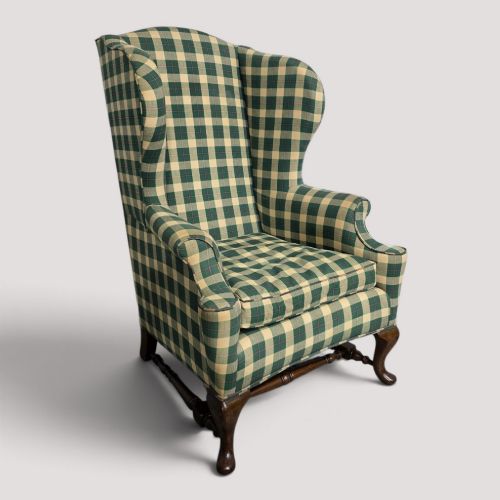
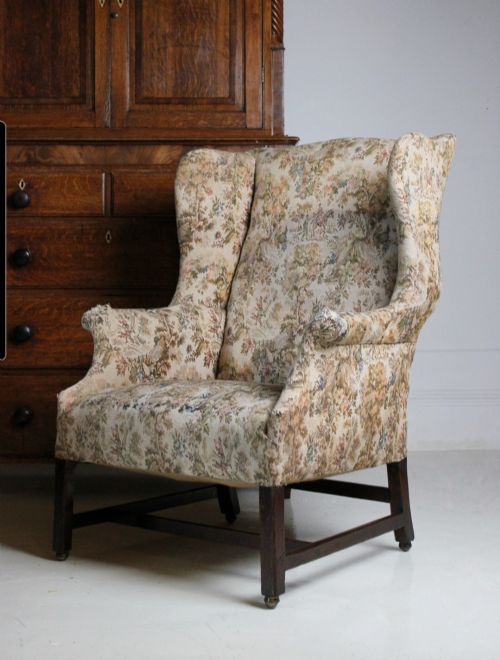
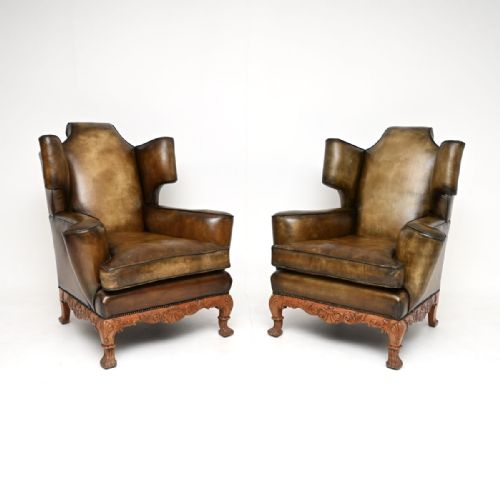
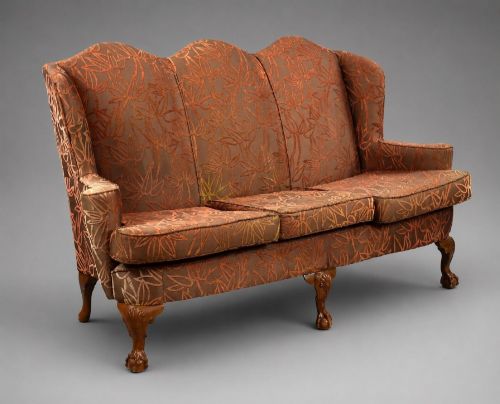
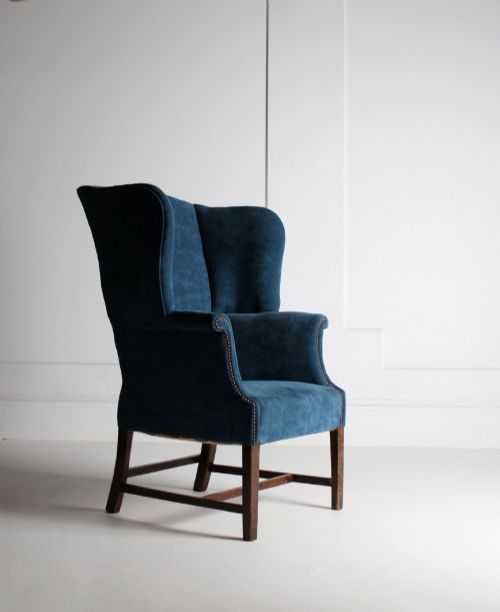
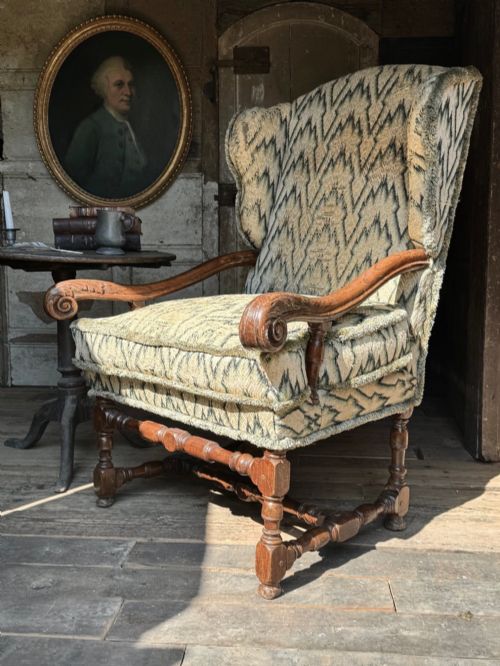
When you search for an antique wingback frame, you are looking at the foundational timber structure of a traditional fireside seat designed to shield the sitter from draughts. These pieces range from early eighteenth-century oak examples to Edwardian and later nineteenth-century interpretations built in the Georgian or Queen Anne style.
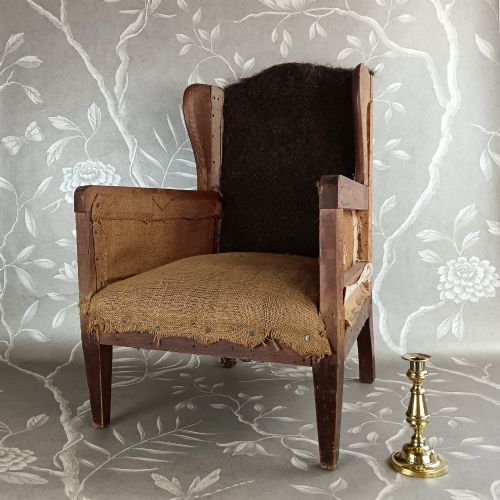
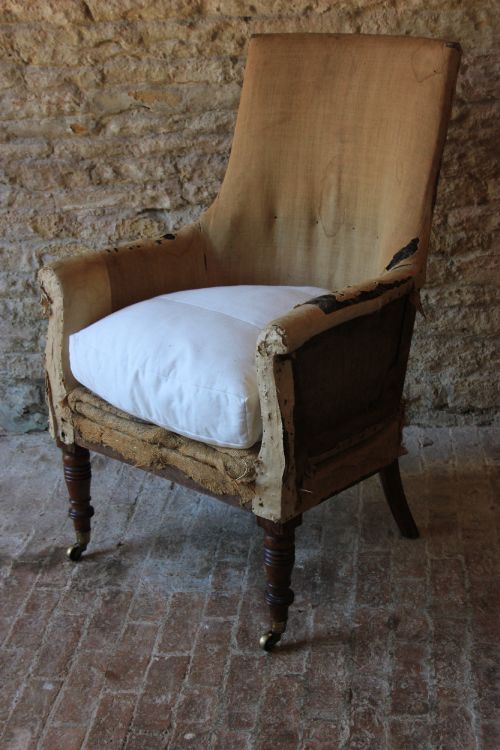
The version you are most likely to meet on this page is an armchair or a sofa constructed from mahogany, walnut, or oak, often presented ready for re-upholstery or retaining older layers of hessian, calico, and leather. Forms vary from compact child-sized chairs and barrel backs to substantial library seats and multi-seater settees.
Construction and materials
The timber framework relies on hardwoods such as mahogany, oak, and walnut, chosen for their structural strength and ability to support deep-sprung or stuffed upholstery. Joinery techniques connect shaped wooden uprights and exposed legs to robust internal rails.
Support layers historically incorporate hessian and calico webbing underneath leather, horsehair, or silk coverings, sometimes accented with brass detailing.
Listings feature frames spanning from the 18th century through the Edwardian era, constructed in oak, walnut, and mahogany.
Assessing quality in framing and form
Quality rests in the integrity of the timber frame, the elegance of the sweeping wing lines, and the balance of the proportions. A superior piece displays crisp carving, sound joinery without excessive replacement timber, and a harmonious silhouette that respects its period style.
Howard And Sons·J Foot And Son
The Antique Wingback Frame Glossary
- Wingback
- A traditional chair design featuring projecting side panels attached to the arms to deflect draughts and retain heat from a fireplace.
- Hessian
- A coarse woven fabric typically used as a foundational layer for upholstery webbing and stuffing.
- Calico
- A plain-woven cotton fabric often used beneath top upholstery as an inner lining on frames.
- Ebonised
- Wood treated with a finish to resemble ebony, seen on nineteenth-century frames.
Antique Wingback Frame: Frequently Asked Questions
What is an antique wingback frame?
An antique wingback frame is the exposed or stripped wooden skeleton of a traditional fireside armchair or sofa, retaining its historic joinery and characteristic side wings.
These frames provide the structural base for traditional upholstery and allow buyers to restore or finish the seating to their own taste.
How do I choose between oak and mahogany frames?
Oak frames generally point towards earlier eighteenth-century or Arts and Crafts periods, offering a heavier, rustic aesthetic.
Mahogany and walnut frames often appear in later Georgian, Victorian, or Edwardian pieces, bringing finer grain patterns and more refined carving to the room.
Can I buy a wingback frame for re-upholstery?
Many listings offer frames specifically prepared for re-upholstery, stripped back to the bare wood or retaining only foundational hessian.
This lets you select your own top fabrics, such as leather, linen, or patterned silk, to match your interior scheme.
How do I identify a Queen Anne style frame?
Queen Anne style frames typically feature smooth walnut timbers, rounded lines, and characteristic upholstered wings that flow seamlessly into the armrests.
They often present a more compact and domestic profile compared to grander Victorian or heavy library chair designs.