

Gentlemans Library Armchairs
Gentlemans library armchairs are substantial seats designed for study, bringing leather and mahogany together across periods from Regency to Art Deco.
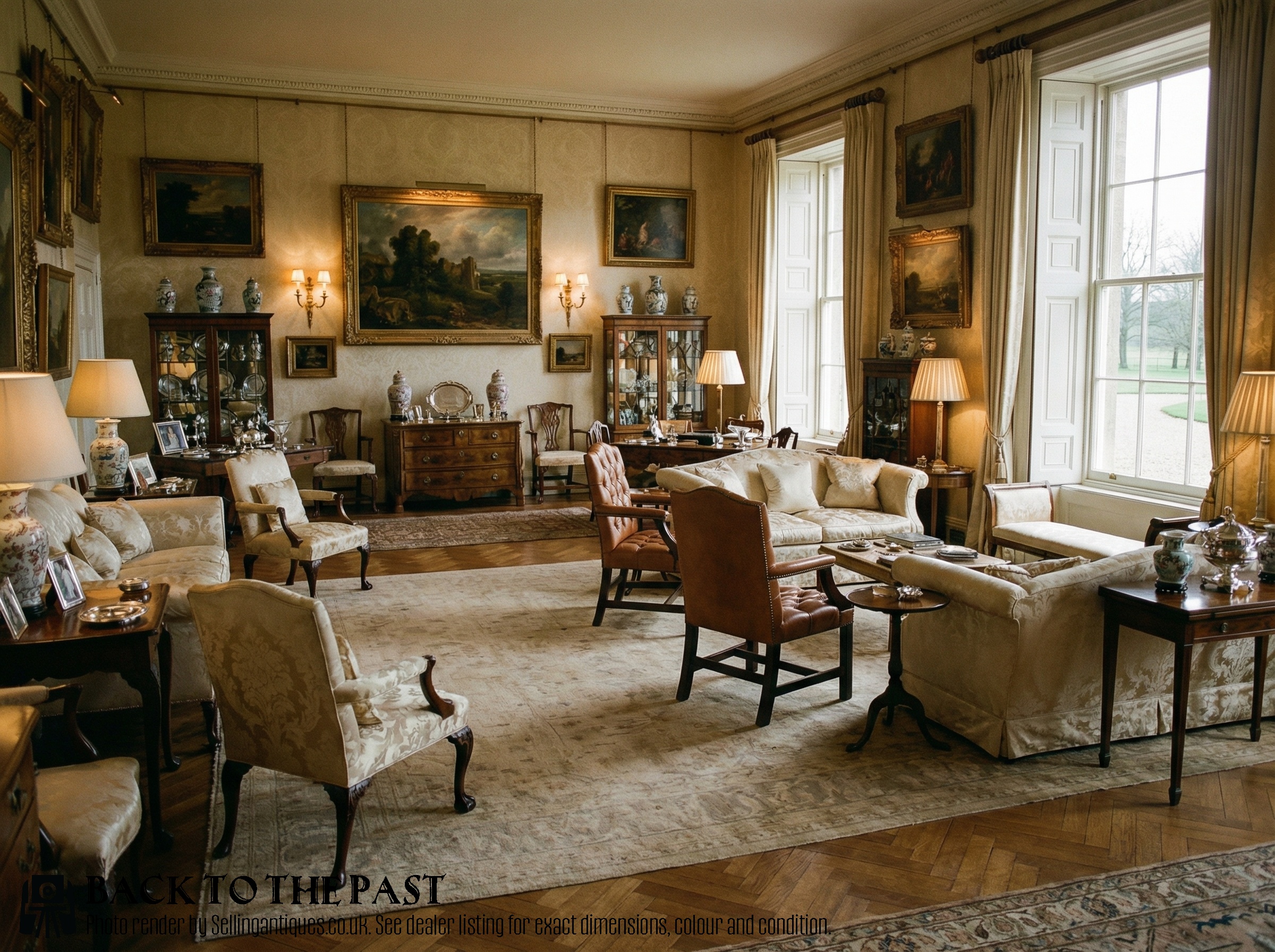
Gentlemans Library Armchairs
When you search for gentlemans library armchairs, you encounter sturdy seating created for reading rooms and studies. These chairs emerge primarily from the nineteenth century and the Victorian period, though examples span from Regency forms to nineteen-thirties revivals.
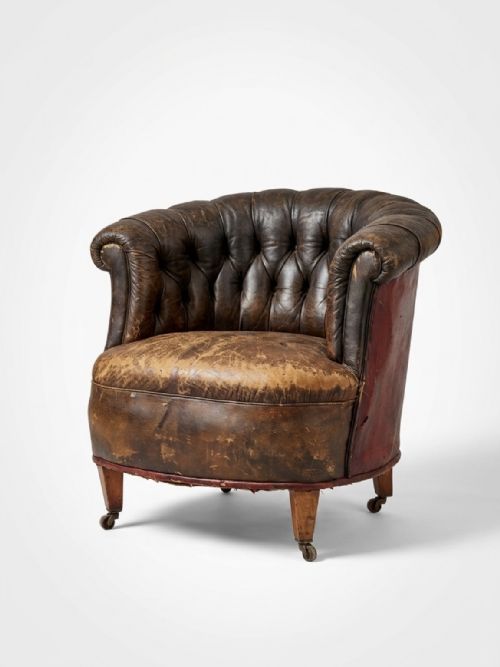
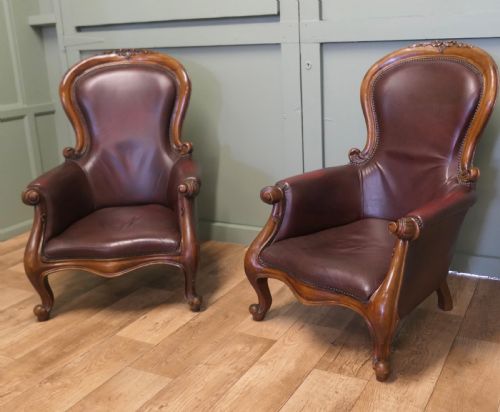
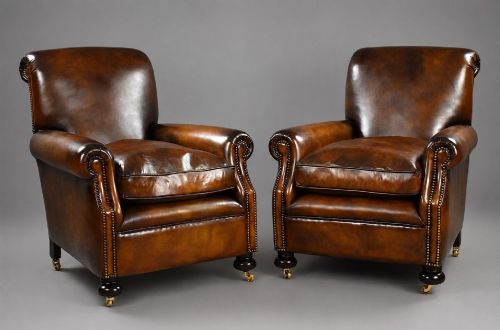
Mahogany and walnut form the structural backbone of these pieces, frequently paired with buttoned or plain leather upholstery. Makers employed robust timbers to withstand daily use in private libraries and studies.
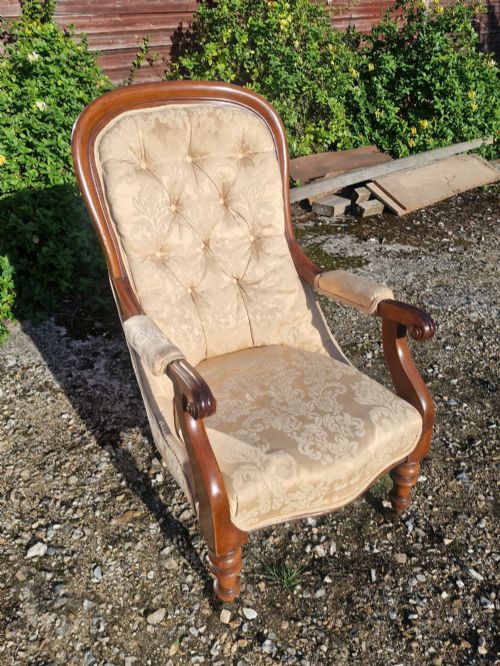
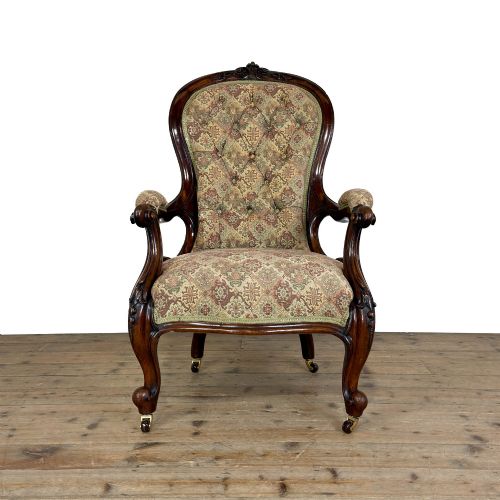
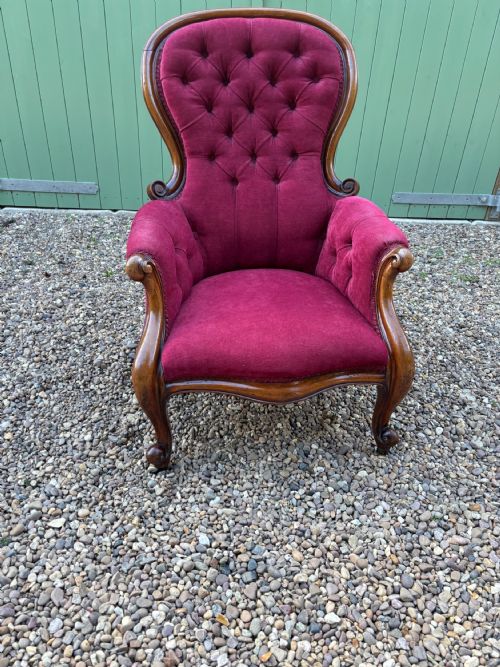
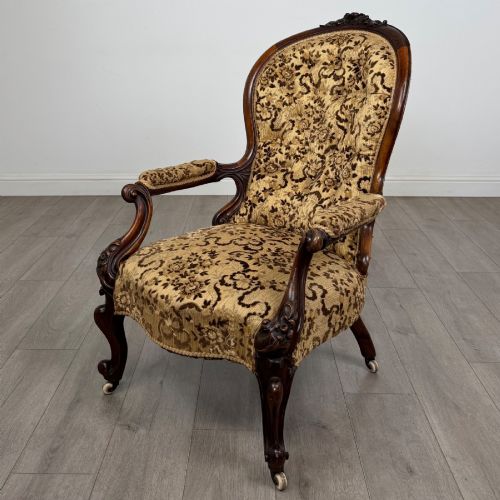
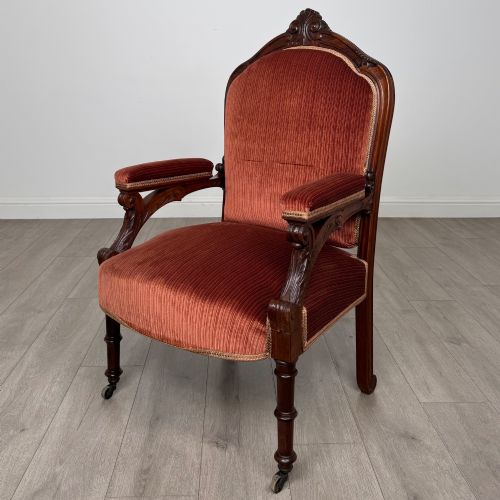
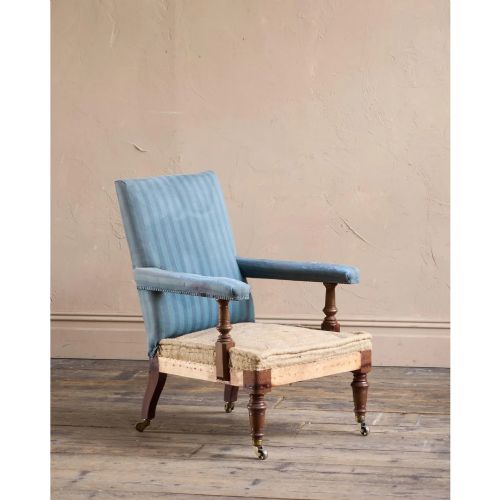
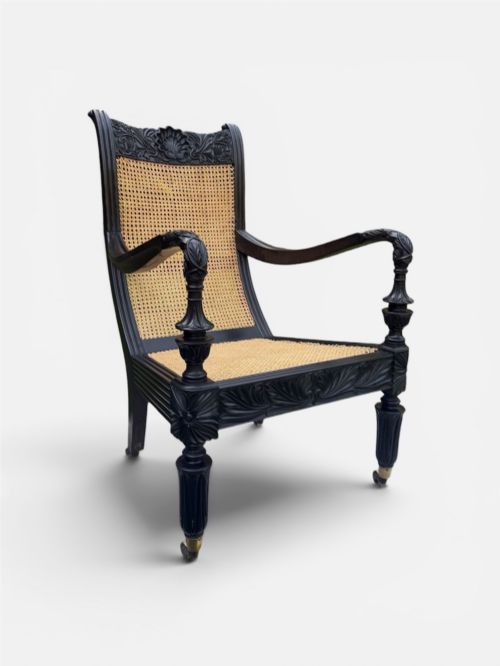
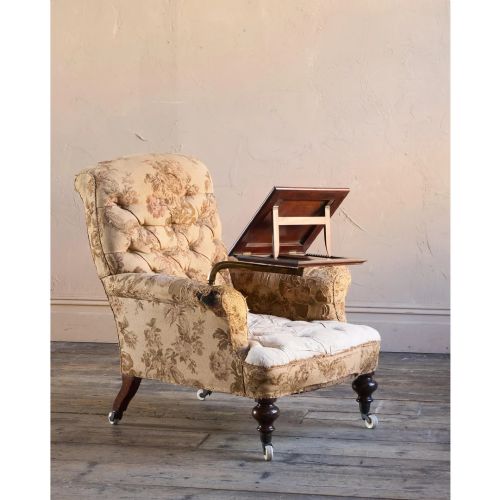
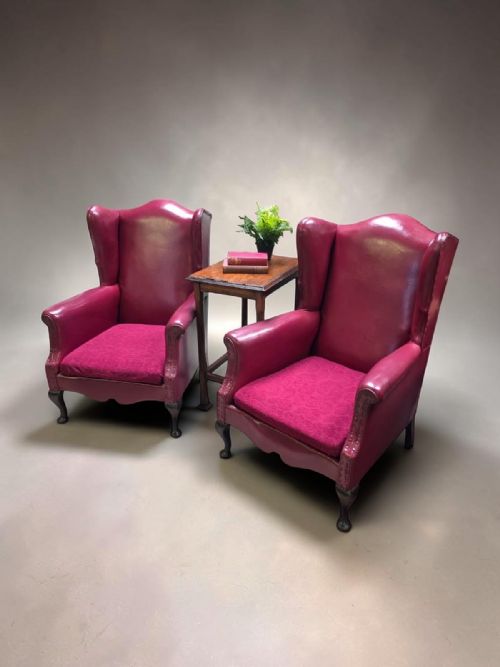
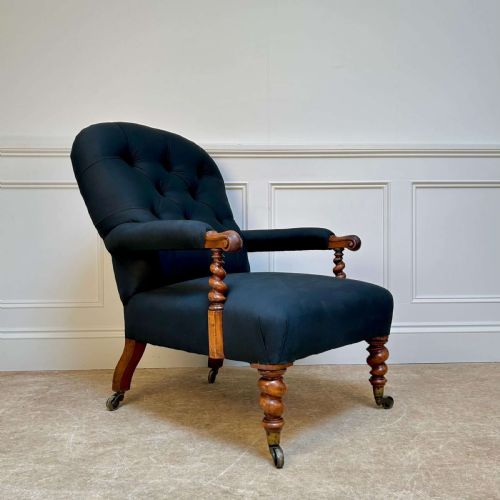
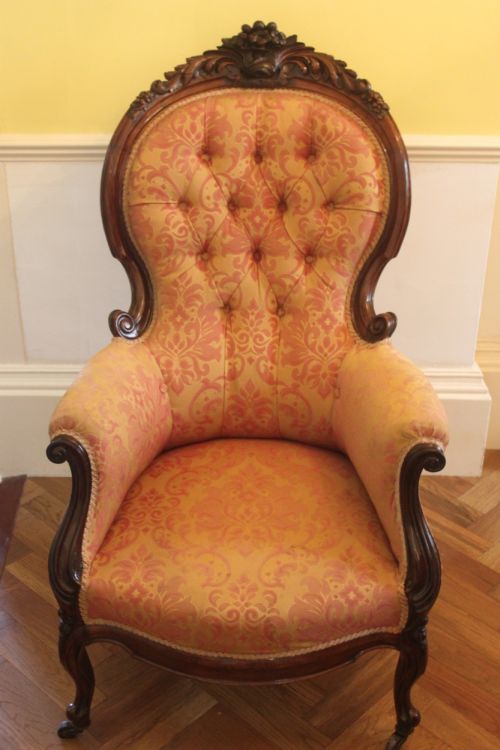
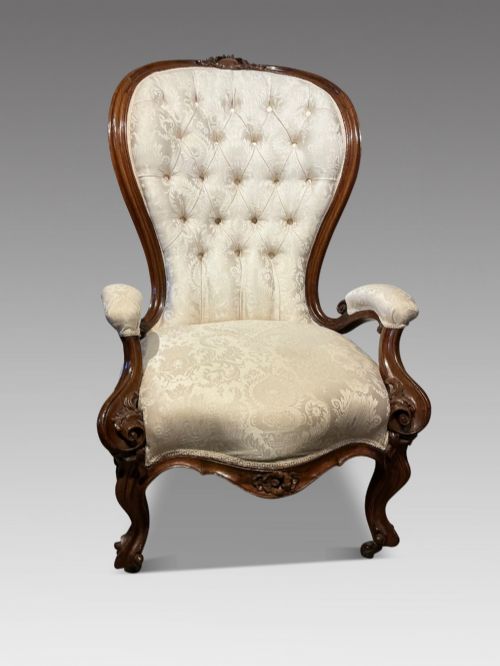
The selection here ranges from spoon back easy chairs and wingbacks to Gainsborough chairs and open armchairs. Many incorporate reading stands, scroll arms, or brass castors for functional utility.
Distinctions in quality
The grade of a piece rests upon the crispness of timber carving and the selection of primary wood. Solid mahogany or rosewood frames demonstrate superior workshop investment compared to softer secondary timbers.
Upholstery finish and leather selection dictate the tactile and visual standard of the seating. Hand-stitched leather work and substantial buttoning separate standard commercial output from pieces destined for substantial country houses.
Several armchairs incorporate functional additions recorded in the titles, including integrated reading stands and brass castors for mobility.
Morison and Co·Hindley and Sons
The Gentlemans Library Armchairs Glossary
- Gainsborough chair
- A type of upholstered open armchair with a wide seat and padded arms, popular during the Georgian period and later revived. It typically stands on straight legs connected by stretchers.
- Bergère
- An enclosed upholstered armchair with wooden framing and cane or upholstered sides. This form appears frequently in nineteenth-century library seating.
- Spoon back
- A chair back shaped in the contour of a spoon to fit the human spine. Victorian makers utilised this profile extensively in easy chairs.
- Wingback
- An armchair with side panels or wings attached to the back frame. These panels originally served to shield the occupant from drafts.
- Castors
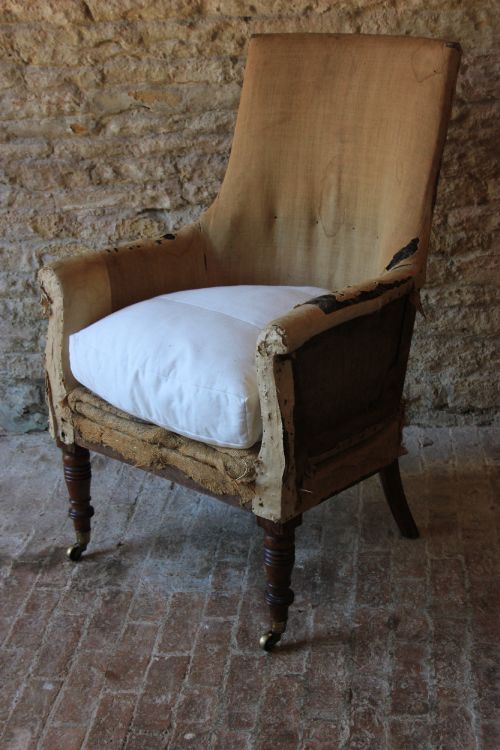
- Small wheel attachments fixed to the base of chair legs. Brass examples are common on nineteenth-century library armchairs to ease movement across heavy carpets.
Gentlemans Library Armchairs: Frequently Asked Questions
What defines a gentlemans library armchair?
These pieces are heavy, timber-framed seats built for study spaces, usually combining exposed mahogany or walnut with leather upholstery. They prioritise sturdy proportions and ergonomic support for long periods of reading.
Most surviving examples date from the nineteenth century, reflecting Victorian and Regency design priorities. Their physical presence makes them focal points in studies and private libraries.
How do I distinguish Victorian from Regency examples?
Regency library chairs typically display leaner, neoclassical proportions with simpler lines and darker timbers. Victorian versions often introduce heavier carving, buttoned leather, and more elaborate upholstery treatments.
Examining the turning of the legs and the style of the arm supports clarifies the chronological shift. Regency pieces lean toward restraint, whereas Victorian designs embrace decorative upholstery and substantial frames.
Where were these chairs used historically?
Owners placed these seats in private libraries, studies, and drawing rooms of large townhouses and country estates. They provided comfortable seating for reading newspapers, writing correspondence, or managing estate accounts.
Some iterations included specialised additions like attached reading stands to hold folios. Their construction suited prolonged use in domestic intellectual pursuits.
How do I care for leather upholstery?
Leather surfaces benefit from regular dusting with a dry cloth and occasional treatment with appropriate conditioning balms. Keeping the hide moisturised prevents cracking and maintains the supple texture.
Positioning the chair away from direct sunlight and heat sources preserves the natural dyes and prevents the timber frame from drying out. Gentle maintenance ensures the leather retains its finish over decades of domestic use.