


Antique Wine Stem
An antique wine stem is a piece of drinking glass or a small table designed for holding glasses, most often seen here in Georgian and Victorian forms.
Antique Wine Stem
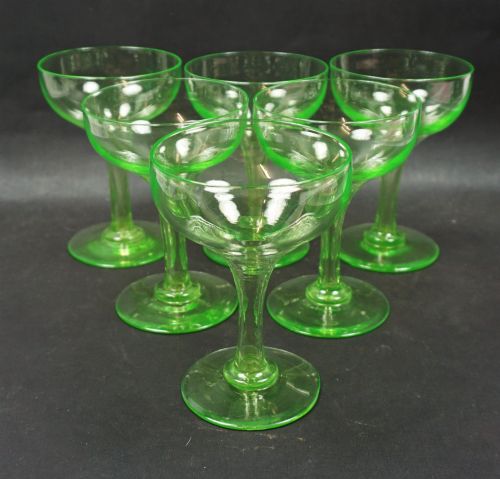
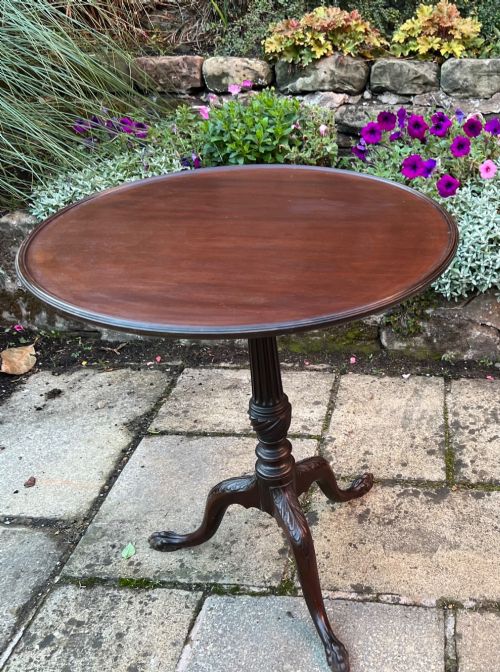
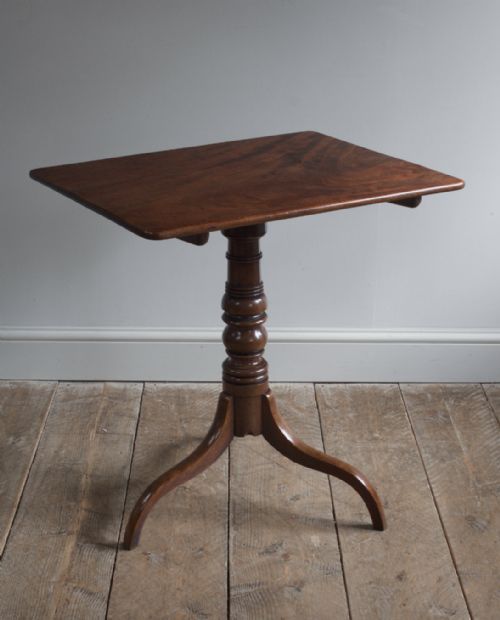
When you search for an antique wine stem, you encounter two distinct forms sharing the same name in the trade: small timber tables designed to hold drinks and glassware with shaped glass stems. The glassware side of this category is dominated by eighteenth-century examples featuring detailed bowl shapes and specialised stem formations. These pieces serve as tangible links to historical dining and hospitality customs.
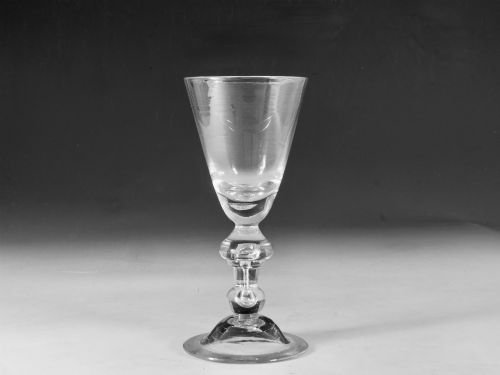
The glassware version appears most frequently in eighteenth-century formats such as baluster, balustroid, and twist stems. Alongside these drinking vessels, the category includes timber stands like mahogany tripod tables and wine tables from the Georgian, Regency, and Victorian periods. Both forms reflect the craftsmanship of their respective eras, whether shaped from lead glass or turned from solid mahogany and walnut.
How they were made
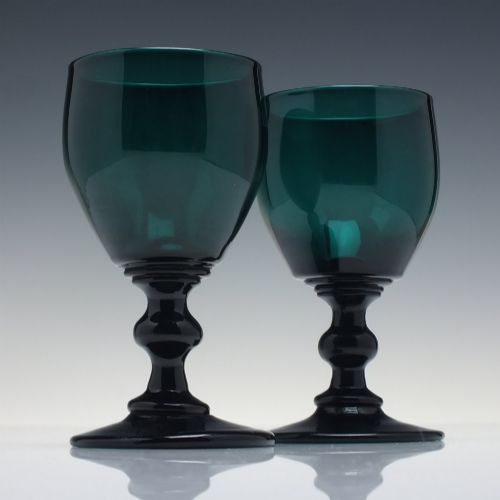
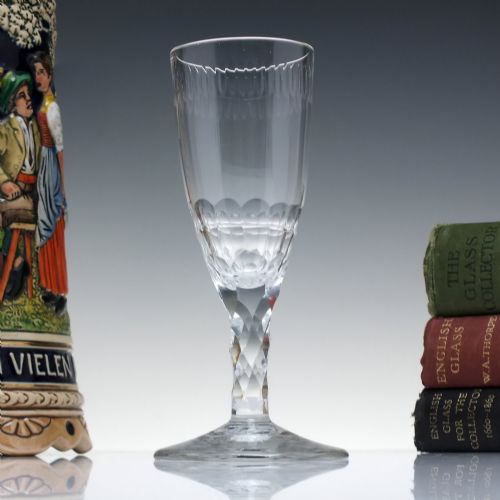
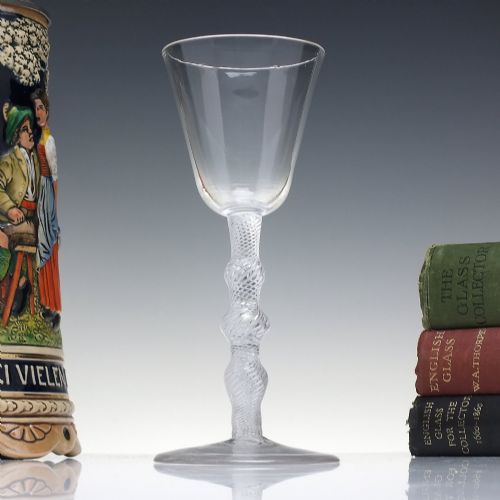
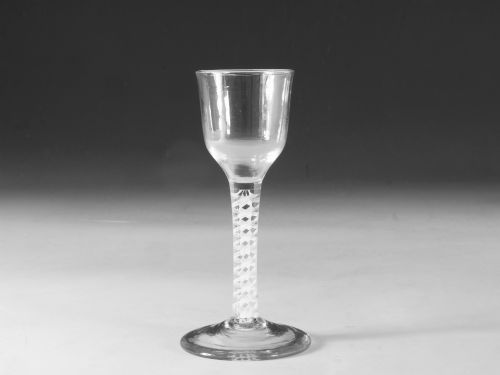
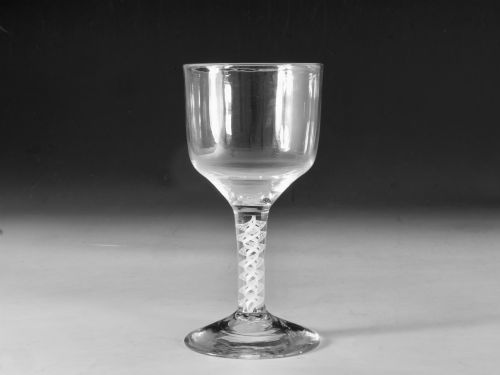
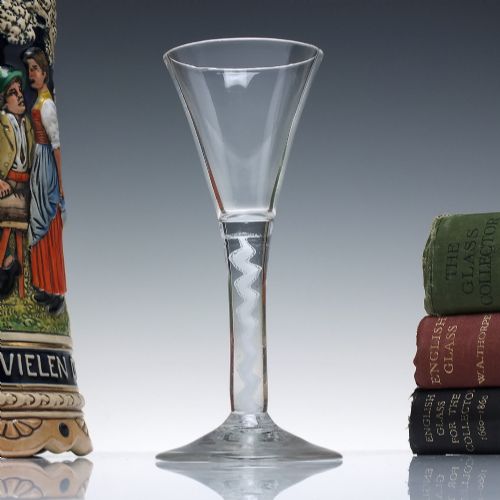
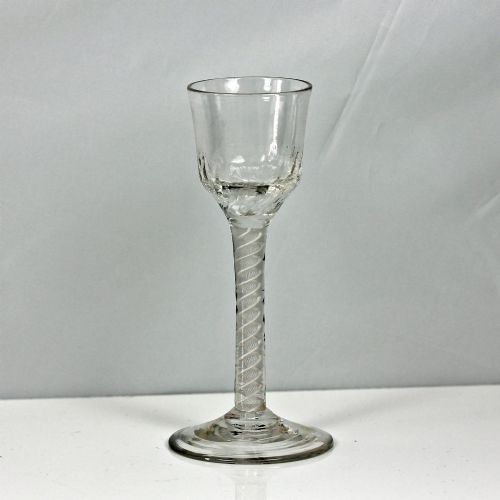
Glass vessels in this category rely primarily on lead glass and lead crystal, shaped by hand into forms like bell, trumpet, and ogee bowls. Makers incorporated air tears, balusters, and single or double series opaque twists into the stems during the blowing process. Many examples also feature engraved or gilded decoration upon the bowl surface and folded feet for added stability.
Wooden forms associated with this search phrase utilise timber such as mahogany, rosewood, oak, and walnut. Artisans constructed tilt-top mechanisms, tripod bases, and occasional tables using traditional joinery and brass casters. Some tables incorporate specific tops, such as slate or star-shaped designs, supported by pedestals and cabriole legs.
Antique Wine Stem Retail Price Guide 2026
Typical asking prices for wine stem among the pieces listed under this phrase on Sellingantiques today, from the lower quarter to the upper quarter. They describe what is for sale here now, not the wider market.
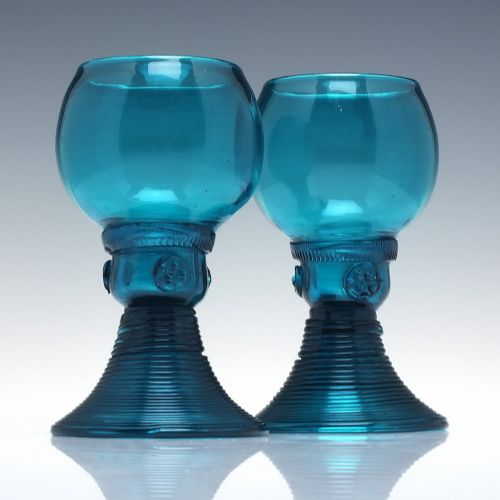
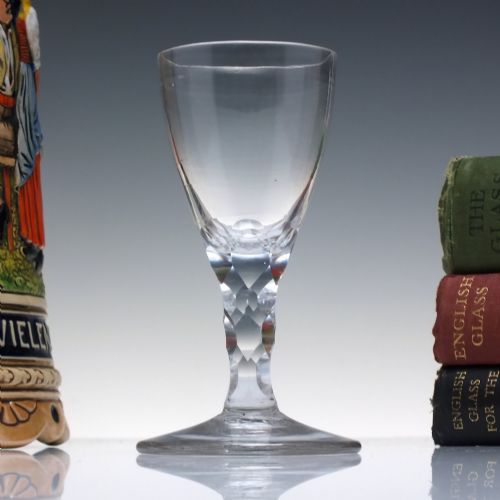
The glassware selection spans plain, baluster, and opaque twist stems, alongside specialised vessels like ratafia and gin glasses.
What varies in quality
Quality in the glassware pieces rests on the complexity of the stem formation and the clarity of the metal. Single and double series opaque twists require high technical skill from the glassblower, separating them from plain stem varieties. Engraved or gilded decoration executed with precision adds further distinction to individual glasses.
Among the timber furniture pieces, quality is evident in the choice of timber, the crispness of the turning on the pedestal, and the stability of the tripod base. Finer examples display well-figured mahogany or walnut, smooth revolving or tilt-top actions, and well-fitted brass casters. The proportion between the top and the pedestal ultimately defines the success of the piece.
The Antique Wine Stem Glossary
- Baluster stem
- A heavy, swelling stem form inspired by architectural balustrades, often seen on eighteenth-century drinking glasses. This shape provides a solid weight to the vessel.
- Opaque twist
- A glassmaking technique where white enamel threads are drawn through the clear stem in spiral patterns. Single and double series refer to the complexity of these internal threads.
- Ogee bowl
- A bell-shaped bowl curving out at the rim with an S-shape profile. This form is common on eighteenth-century wine and rummer glasses.
- Tripod table
- A small freestanding table supported by three legs radiating from a central pedestal. These pieces frequently feature tilt-top mechanisms for storage.
- Folded foot
- A glass foot where the outer rim is turned underneath during formation to create a thickened edge. This technique adds durability to the base of the glass.
- Wrythen
- A decorative spiral pattern moulded into the glass bowl or body. This texture catches the light and adds visual movement to the piece.
Antique Wine Stem: Frequently Asked Questions
What is an antique wine glass stem?
An antique wine stem refers to the vertical support section of a drinking glass, or by extension, small occasional furniture pieces used to serve wine. These objects date primarily from the eighteenth and nineteenth centuries.
Glass stems often incorporate air bubbles, twists of opaque enamel, or baluster formations. Timber wine tables provide a stable surface for holding glasses during social gatherings.
How do I date an old glass stem?
Dating relies on observing the manufacturing techniques, bowl shapes, and stem formations. Eighteenth-century examples frequently feature folded feet, heavy lead metal, and air tears.
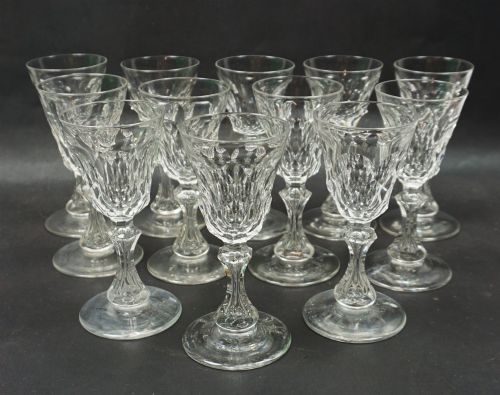
Later Victorian pieces introduce different etching styles and hollow stems. Comparing the silhouette and weight to documented examples helps narrow down the period of production.
How were wooden wine tables used?
Wooden wine tables served as portable surfaces placed beside seating areas to hold drinks, candles, or small items. Many featured tilt-top mechanisms allowing the table top to be stored vertically against a wall when not in use.
Tripod bases and brass casters made these stands easy to move around a drawing room or dining space as needed.
What are opaque twist stems?
Opaque twists are decorative glass stems containing fine white enamel threads spun within the clear metal. Makers produced single series and double series variations to create intricate spiral patterns.
These stems became popular during the eighteenth century and represent a high level of glassblowing skill.