


Antique Wine Label
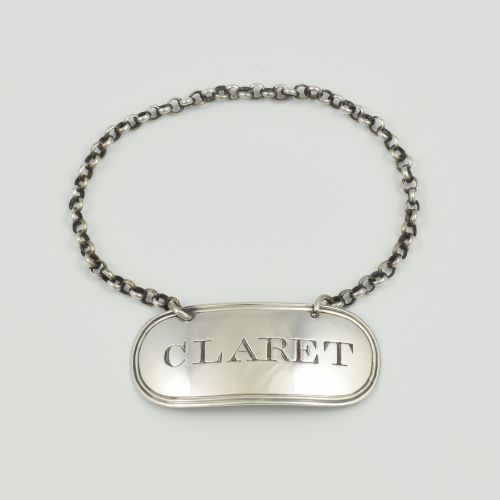
When you handle an antique wine label, you hold a small piece of silver that tells you precisely what was poured on the dining table.
Antique Wine Label
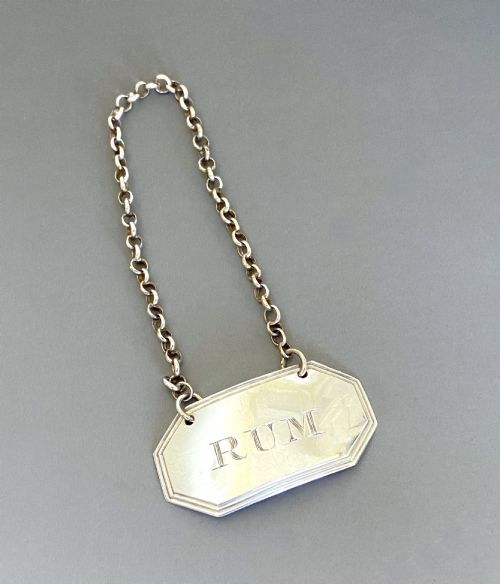
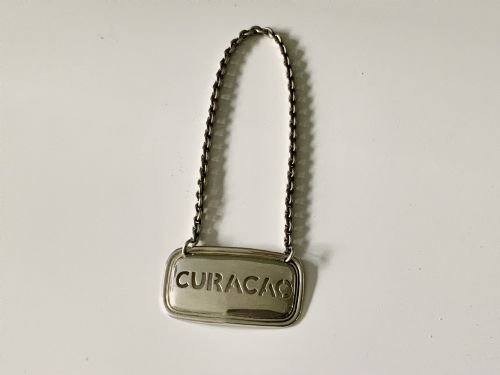
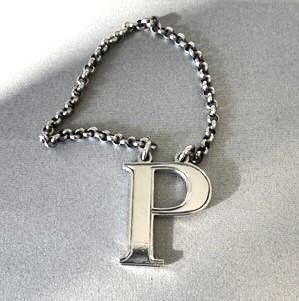
The term antique wine label covers small tags, escutcheons, bottle collars and bin markers used to identify spirits and vintages in the cellar or on the sideboard. These pieces span the Georgian, Regency, Victorian and Edwardian periods, stretching from the eighteenth century into the twentieth.
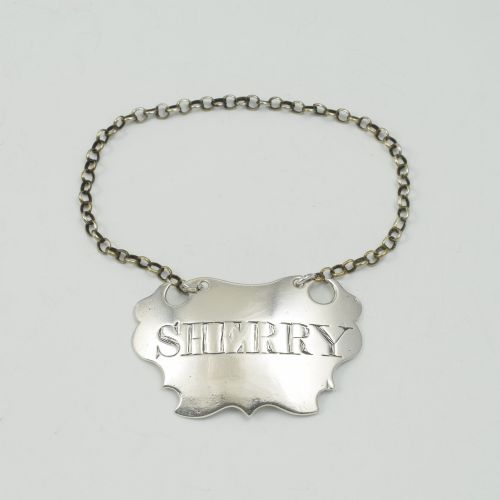
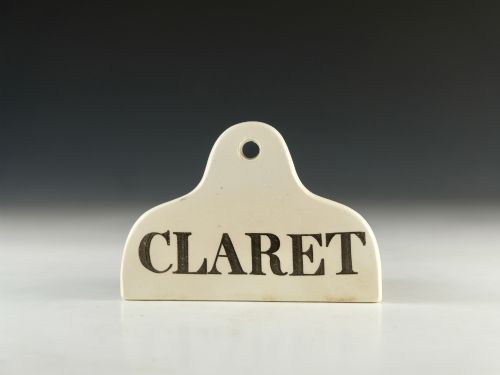
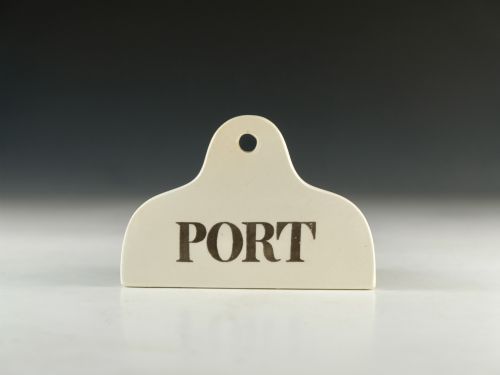
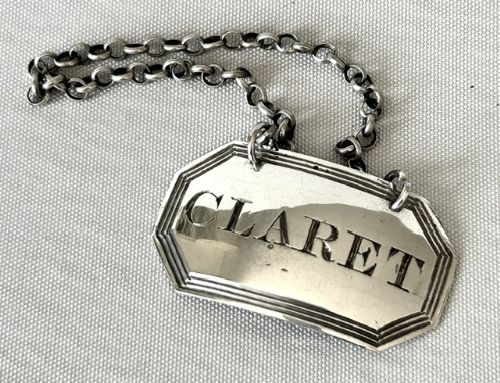
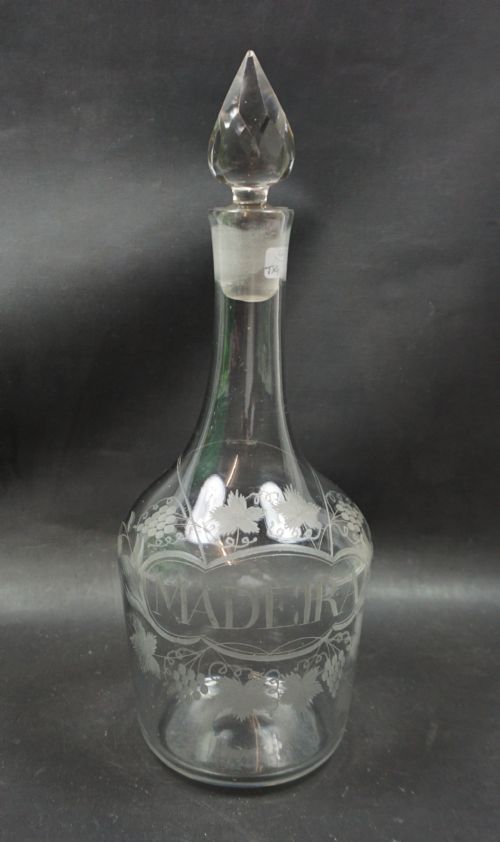
On this page, sterling silver and solid silver hanging tags dominate, often shaped as escutcheons, vine leaves or plain rectangles. Buyers frequently encounter labels stamped with specific beverage titles such as Sherry, Madeira, Port, Claret and Rum, alongside ceramic cellar bin labels used in wine racks.
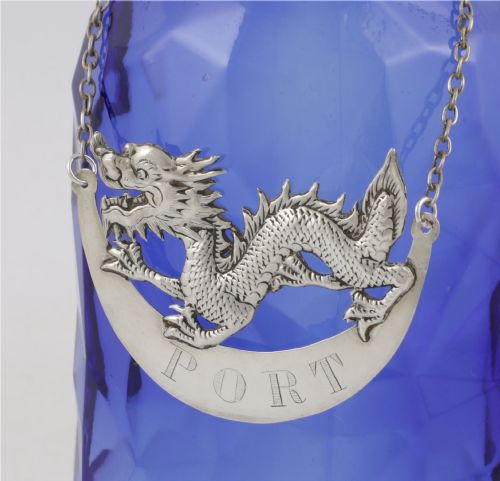
The selection also includes Chinese silver dragon bottle tags, enamel pieces, glazed earthenware markers and complete sets of decanter labels. Originating from English, Scottish and provincial makers, these objects served both practical cellar management and decorative dining display.
Materials and construction
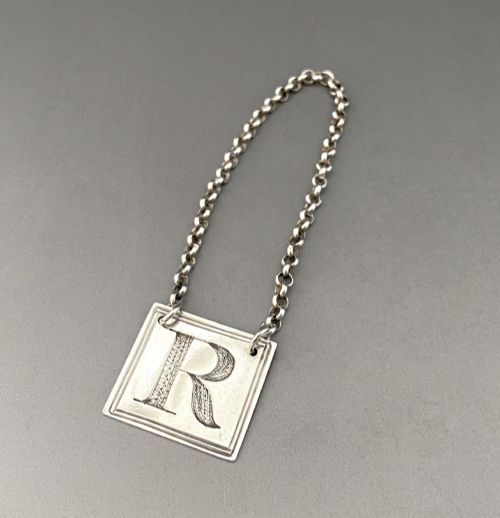
Silversmiths constructed most examples from sterling silver or solid silver, occasionally employing silver gilt or enamel additions for decorative contrast. Techniques included piercing, engraving, stamping and casting, with makers fashioning motifs like Bacchus, vines and crests directly onto the metal surface.
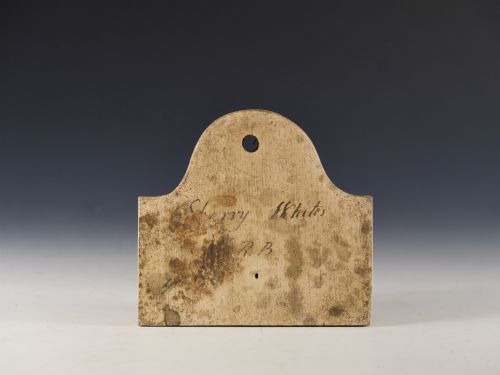
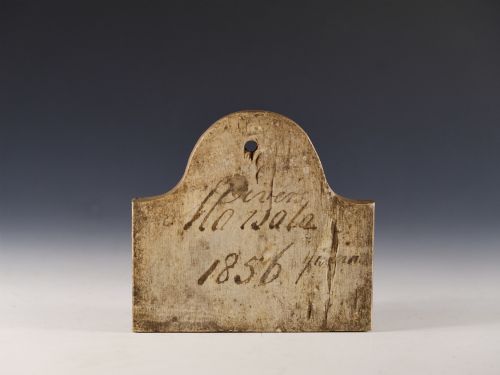
Ceramic pieces rely on glazed earthenware or creamware, featuring hand-painted or transferred titles for bin use. Early items often display crisp punch marks, makers' initials and detailed hand-engraved lettering to designate the decanted contents.
Antique Wine Label Retail Price Guide 2026
Typical asking prices for wine label among the pieces listed under this phrase on Sellingantiques today, from the lower quarter to the upper quarter. They describe what is for sale here now, not the wider market.
Listings feature sterling silver, glazed earthenware, creamware and enamel pieces spanning the Georgian, Victorian and Edwardian periods.
Judging workmanship and design
Quality rests in the crispness of the chasing, the depth of the engraving and the authority of the maker's mark. Superior examples show careful attention to edge profiling, whether formed as a naturalistic vine leaf or a solid cast escutcheon.
Lighter, mass-produced or later items lack the substantial gauge of metal and the sharp definition found in early nineteenth-century work. Maker attribution and unusual titles or shapes elevate a piece above standard production.
Elizabeth Morley·Digby Scott Benjamin Smith·John Reily·Thomas Wallis II·William Sharp·Taylor and Perry
The Antique Wine Label Glossary
- Escutcheon
- A shield-shaped plate used for armorial bearings, frequently adopted as the primary outline for early silver labels. This form provides a broad surface for engraved beverage titles and decorative borders.
- Bottle collar
- A rigid ring of silver that fits around the neck of a decanter or bottle, suspended by a small chain. These items often feature pierced decoration and substantial weight.
- Bin label
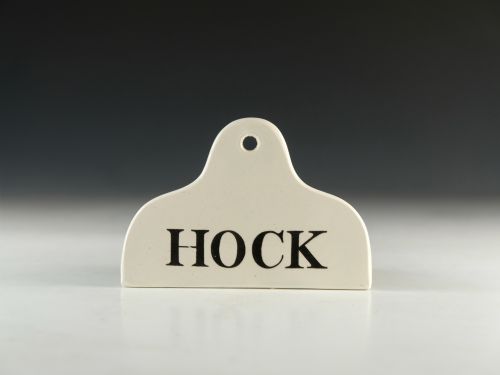
- A tile or marker made from glazed earthenware or ceramic, designed to slot into brick wine bins in a cellar. They identify specific regions and vintages such as Hock or Marsala.
- Silver gilt
- Silver covered with a thin layer of gold, providing a rich yellow sheen to the metalwork. This finish appears on select vine leaf and figural pieces.
- Punch mark
- A stamp applied by a silversmith or assay office to indicate metal purity and origin. These small impressions help date the piece through recorded town and maker marks.
Antique Wine Label: Frequently Asked Questions
How do you use them today?
Collectors hang these silver tags around the necks of modern or period decanters using their original chains or rings. They serve the same practical and decorative purpose today as they did centuries ago.
Earthenware bin labels find a place slotted into traditional wine racks or displayed as cabinet pieces. They add historical character to a home bar or dining room setting.
How do I date a silver label?
Dating relies heavily on the assay office hallmarks, maker's marks and style of engraving stamped into the silver. Georgian pieces often display distinct punch marks and bright-cut engraving, whereas Victorian examples tend toward heavier cast motifs.
Letter punches and town marks recorded in silversmithing directories provide the exact year of manufacture for hallmarked pieces. Unmarked items require stylistic comparison with dated counterparts.
Why do some have chains?
Chains allowed the label to be suspended securely from the neck of a decanter or bottle without slipping off during pouring. The length and gauge of the chain often match the period and weight of the tag itself.
Many surviving pieces retain their original linked chains, though replacement chains appear frequently in older collections.