

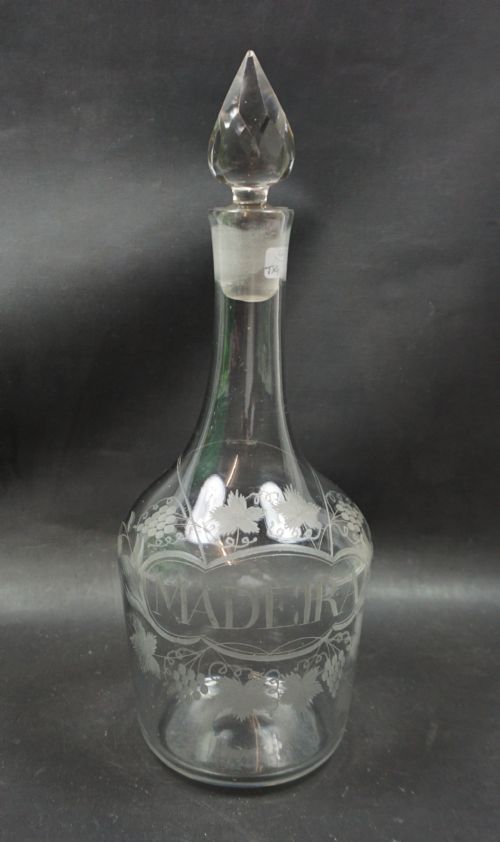

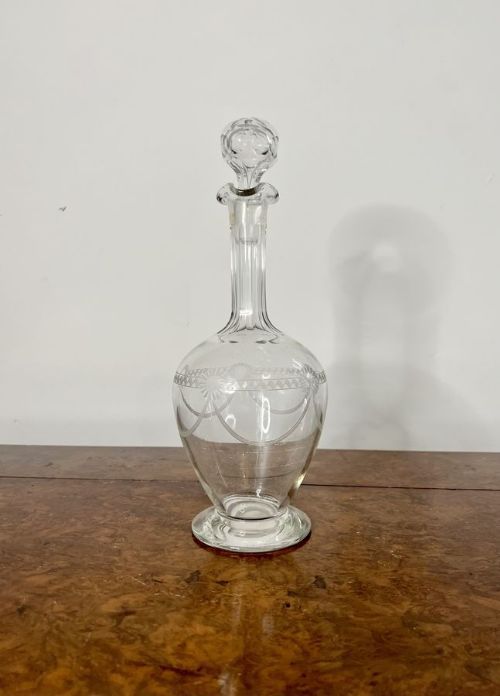
Antique Wine Decanter Stopper
An antique wine decanter stopper completes a period vessel, offering practical preservation for fine drink alongside traditional craftsmanship.
Antique Wine Decanter Stopper
An antique wine decanter stopper secures the neck of glass vessels designed for holding spirits and wine during dining. These small glass or crystal closures appear alongside decanters originating from the Georgian, Victorian, and Edwardian eras.
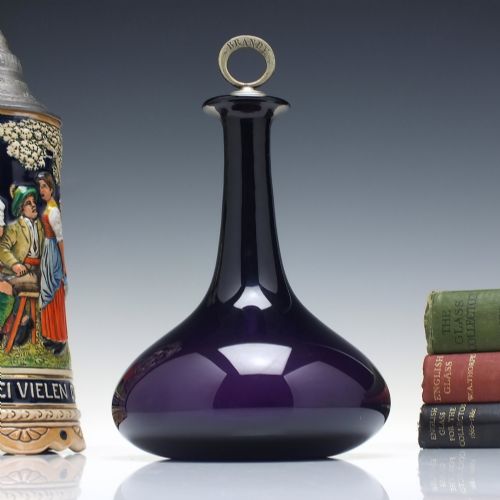
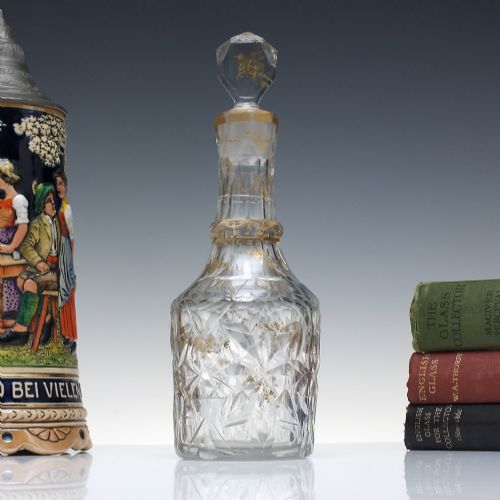
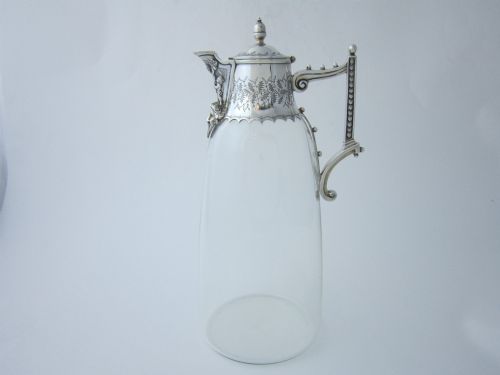
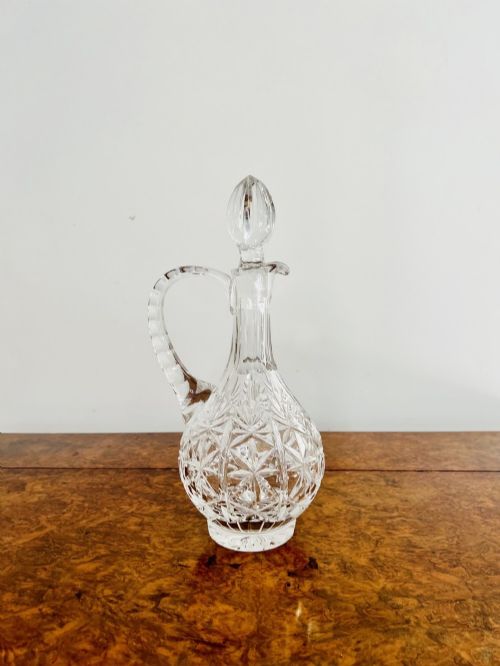
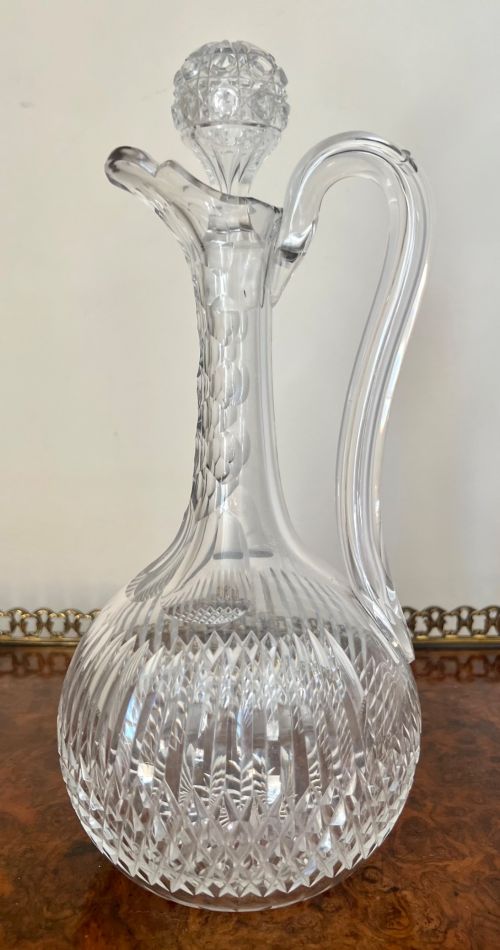
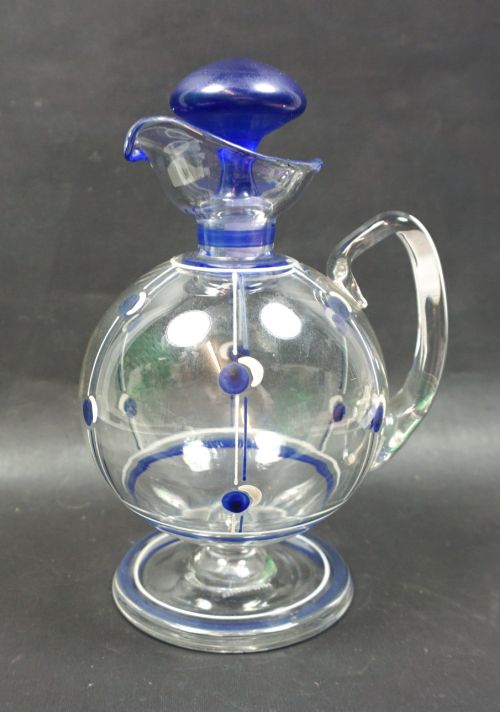
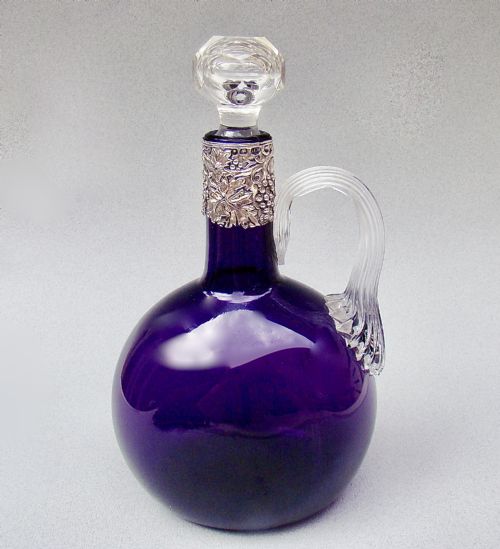
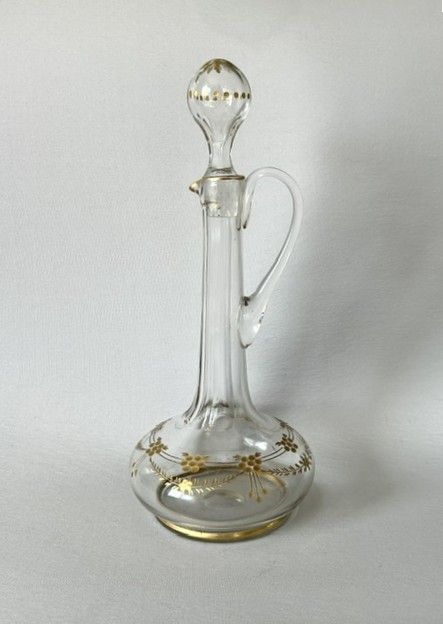
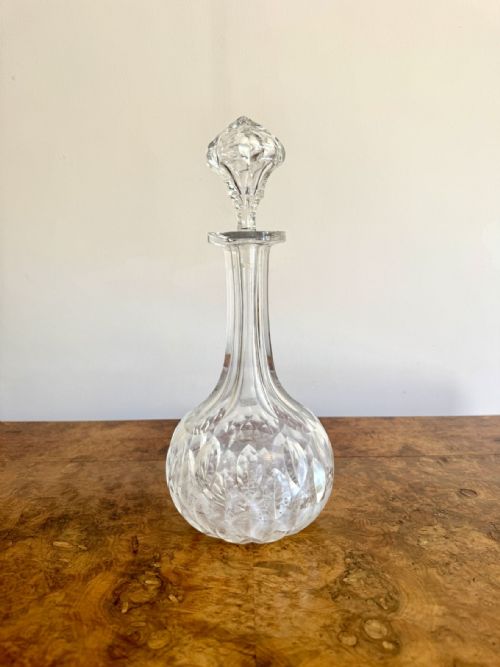
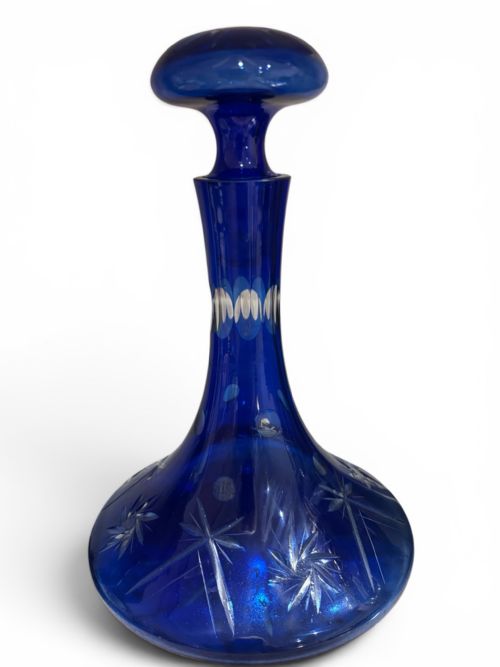
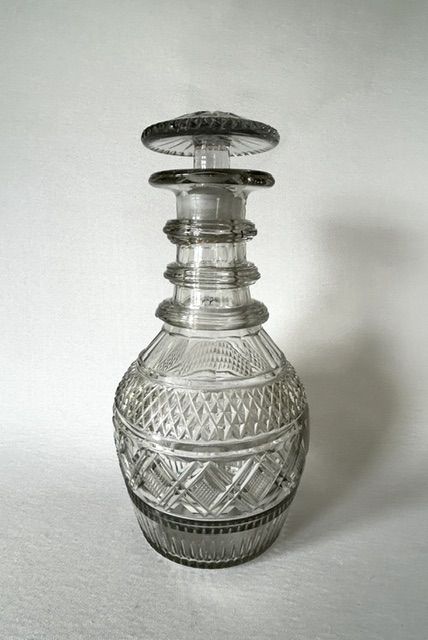
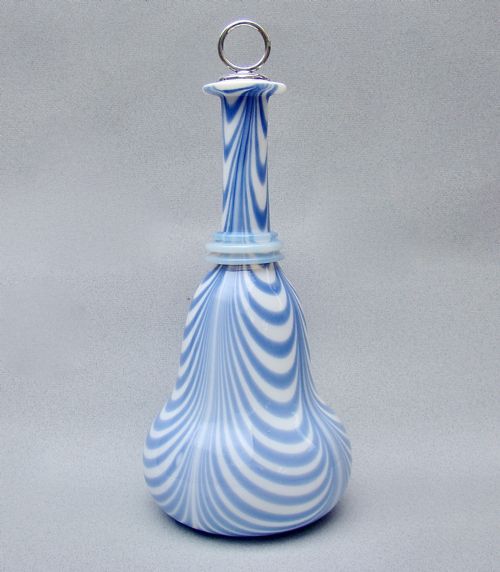
The pieces on this page include clear cut glass, amethyst glass, and cranberry glass stoppers paired with decanters, carafes, and claret jugs. Buyers frequently encounter Victorian and Edwardian examples shaped to fit bell, shaft, and globe bottle forms.
Originating from English, Irish, and Bohemian workshops, these fittings reflect the evolving domestic habits of the eighteenth, nineteenth, and early twentieth centuries.
Judgement of quality
Superior examples display precise glass-cutting geometry and consistent weight, ensuring the closure sits flush and true within the decanter neck.
Clarity of the material, absence of cloudiness, and the harmony between the stopper's decorative facets and the body of the decanter dictate the level of craftsmanship.
Listings feature lead crystal, clear glass, amethyst glass, and enamel alongside silver plate and cut glass variations spanning the Georgian to Edwardian eras.
Atelier of James Giles·Henry Matthews·Stevens and Williams·James Powell
The Antique Wine Decanter Stopper Glossary
- Lead crystal
- Glass containing metal oxides that increase weight, brilliance, and the refraction of light. This material allows for deeper and sharper facet cutting.
- Cut glass
- Glass decorated by holding it against rotating abrasive wheels to grind away surface areas in geometric patterns. It creates a textured, sparkling finish on the body and stopper.
- Amethyst glass
- Purple-tinted glassware produced by adding manganese or other minerals to the molten batch. It gained popularity during the nineteenth century for decorative serving vessels.
- Silver plate
- A base metal layer coated with a thin layer of silver through electroplating or older fusion methods. It frequently appears on collars and mounts surrounding the neck of nineteenth-century jugs.
- Optical blowing
- A technique where hot glass is inflated inside a ribbed mould before being expanded. This creates subtle vertical or swirling patterns within the walls of the vessel.
Antique Wine Decanter Stopper: Frequently Asked Questions
How do I match a stopper to a decanter?
Examine the ground glass collar inside the neck of the decanter and measure the diameter of the opening carefully. The matching stopper must possess a matching ground glass peg that seats securely without excessive wobble.
Colour and cut style also provide guidance, as Victorian and Georgian pieces often use specific facet patterns that align with the shoulders of the vessel.
What periods do these pieces date from?
The inventory spans the Georgian era through the Victorian and Edwardian periods, extending into early twentieth-century Art Deco and Arts and Crafts designs. Most pieces originate between the late eighteenth century and the outbreak of the First World War.
Stylistic cues such as heavy thumb-cutting indicate Georgian origins, whereas slender floral engraving often points toward Edwardian production.
How were these glass vessels used historically?
Decanters and their stoppers served to transport wine and spirits from dark storage casks to the dining table for formal meals. The tight-fitting closure helped protect the contents from dust and oxidation during the evening.
Wealthy households kept matching sets on sideboards, displaying coloured glass varieties like amethyst and cranberry alongside crystal carafes.
Can I use antique decanters for daily dining?
These historical vessels function well for serving wine at modern tables provided they receive gentle hand washing rather than immersion in hot automatic dishwashers. Glass stoppers should be lifted carefully to avoid chipping the rim of the antique neck.
Regular use keeps the glass bright, though acidic contents should not be stored inside lead crystal for extended periods.