


Antique Wine Decanter Label
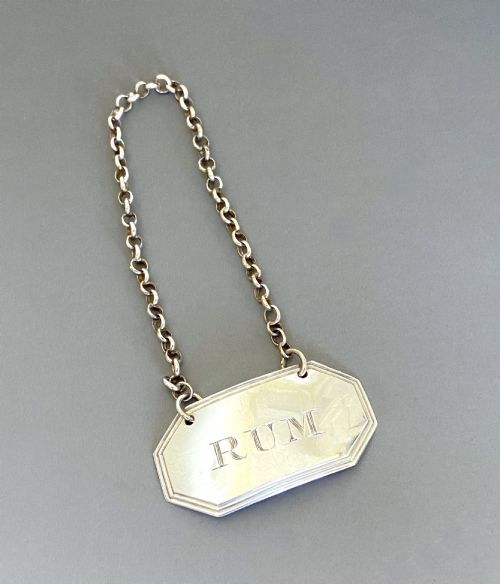
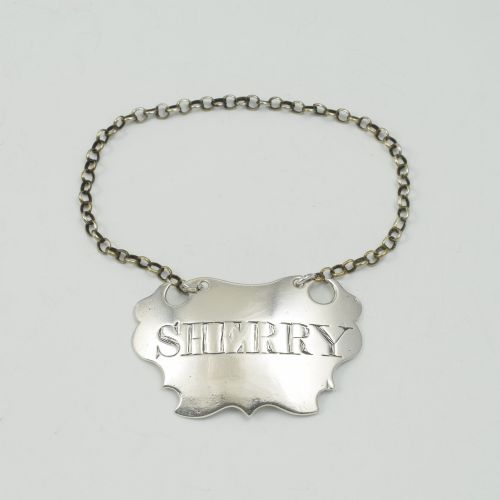
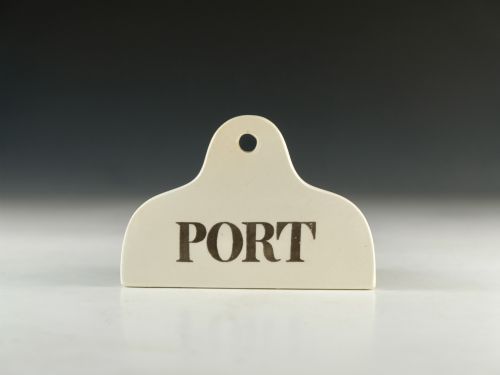
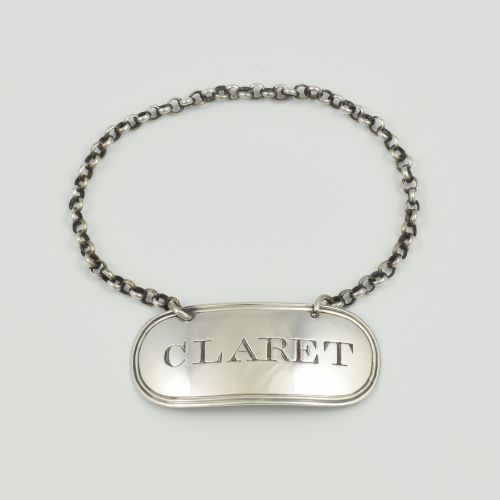
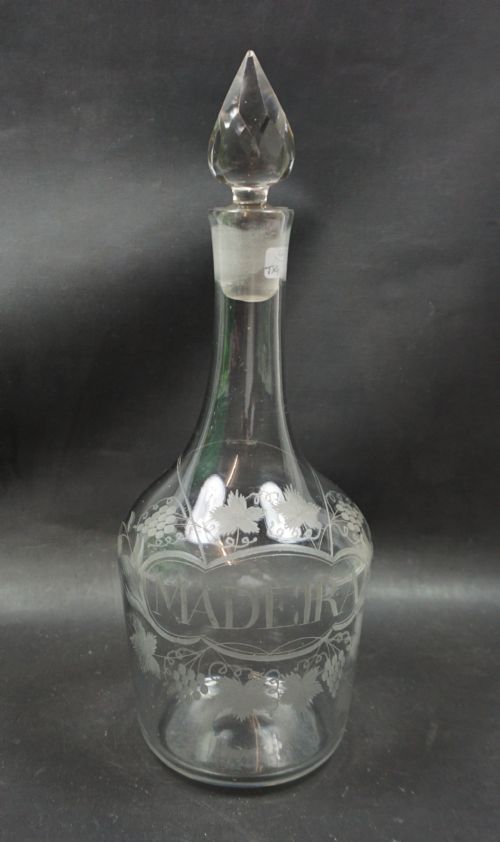
An antique wine decanter label sits across the neck of a decanter, naming the contents in silver or ceramic so the bottle is known at the table.

Antique Wine Decanter Label
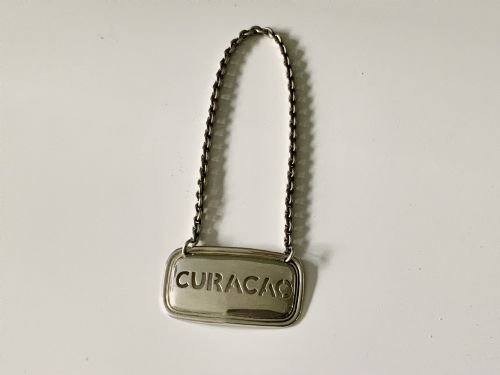
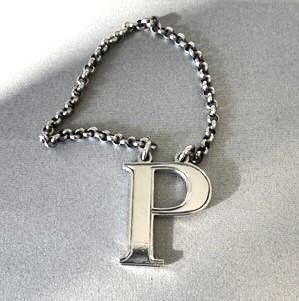
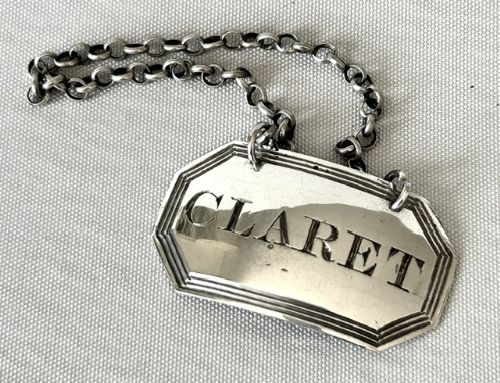
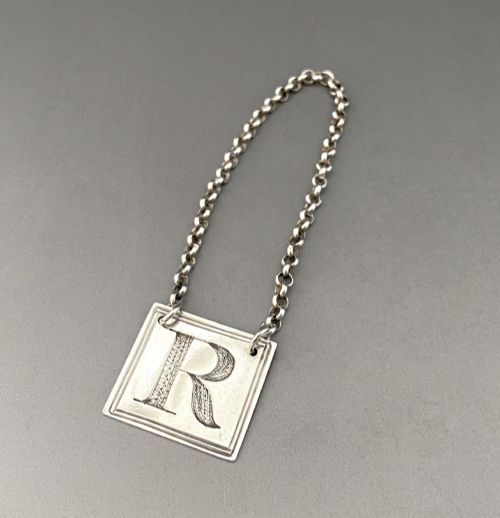
The search for an antique wine decanter label reveals small, pierced or engraved name tags designed to hang from bottle necks by chains or collars. These pieces function as barware and wine cellar accessories, serving both a practical and decorative purpose.
Most examples encountered here originate from the Georgian and Victorian eras, rendered in sterling silver or solid silver. Collectors also find occasional ceramic pieces, such as creamware and glazed earthenware, alongside glass body variants.
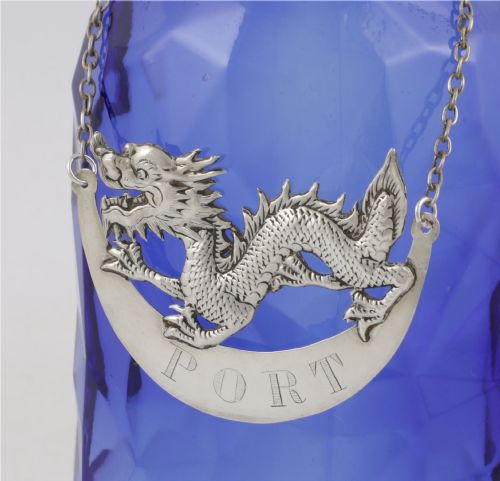
Forms span escutcheon shapes, rectangular tags, vine leaf motifs, and specialised bin labels. Specific drink titles like Sherry, Madeira, Port, Claret, and Rum dominate the selection.
How They Were Made
Silversmiths primarily employed sterling silver and solid silver, shaping the metal through piercing, engraving, and casting. Some pieces incorporate silver gilt and enamel work for added colour.
Ceramic variants like creamware and glazed earthenware rely on moulded clay bodies with painted or impressed titles. Glass decanters and bottles appear alongside lead glass elements and applied silver necks.
Tiny miniature labels designated single portions as one go servings for individual drinkers.
What Varies in Quality
The distinction between standard items and superior examples lies in the crispness of the piercing and the depth of the engraving. Hand-chased vine leaves and detailed motifs by named makers command greater attention than plain stamped metal.
Elizabeth Morley·Tiffany·Digby Scott Benjamin Smith·John Reily·Thomas Wallis II·William Sharp·Peter and Anne Bateman·Taylor and Perry
The Antique Wine Decanter Label Glossary
- Escutcheon
- A shield-shaped piece of silver often used as the primary plate for engraving a wine title. This form remains a favourite among Georgian silversmiths.
- Bin label
- A hanging tag designed to identify specific bottles stored in wine cellars rather than on the serving decanter itself. These often appear in ceramic or plain metal.
- Silver gilt
- Silver covered with a thin layer of gold, providing a rich yellow lustre. This technique protects the underlying metal and adds decorative warmth.
- Creamware
- A type of fine earthenware developed in Yorkshire with a pale yellowish-white glaze. It serves as a lighter alternative to heavier pottery forms.
- Lead glass
- Glass containing lead oxide, known for its heavy weight and high refractive index. It forms the clear bodies of many traditional decanters.
Antique Wine Decanter Label: Frequently Asked Questions
What are antique wine decanter labels?
These small tags hang around the necks of decanters to identify the specific wine inside. They are typically made of silver and feature engraved or pierced lettering.
Craftsmen shaped them into various styles like shields, vine leaves, and rectangles, attaching them with fine chains.
How were they used historically?
Hosts placed them on decanters during formal dinners so guests could easily identify ports, sherries, and Madeiras without lifting the stopper.
They served as both practical table indicators and decorative accessories that displayed the host's taste and wealth.
How do I date a silver label?
Dating relies heavily on hallmarks stamped into the silver, which indicate the assay office, date letter, and maker's mark. Stylistic clues like Georgian shield shapes or Victorian vine leaves also help determine the era.
Comparing the engraving style against known maker timelines narrows down the exact decade.
How should I display them?
Many collectors hang them around the necks of period decanters or mount them on velvet backing boards inside shallow shadow boxes. This keeps the chains safe and allows the engraved details to be viewed closely.
Ensuring stable humidity prevents tarnish buildup and protects any delicate enamel work.