


Victorian Sterling Bottle Label
These Victorian sterling bottle label examples identify decanted spirits across the dining table, combining solid silver craftsmanship with crisp pierced or engraved lettering.

Victorian Sterling Bottle Label
When you search for a victorian sterling bottle label, you are looking at small silver tags designed to hang around the necks of decanters to name the wine or spirit within. The selections here span the Victorian era alongside pieces attributed to the Georgian, Edwardian, and Chinese Export traditions.
You will most frequently meet standard decanter labels stamped or engraved with traditional titles such as Port, Sherry, Madeira, Claret, Brandy, and Champagne. These take the form of decanter labels or bottle tags fashioned in solid silver.
How they were made
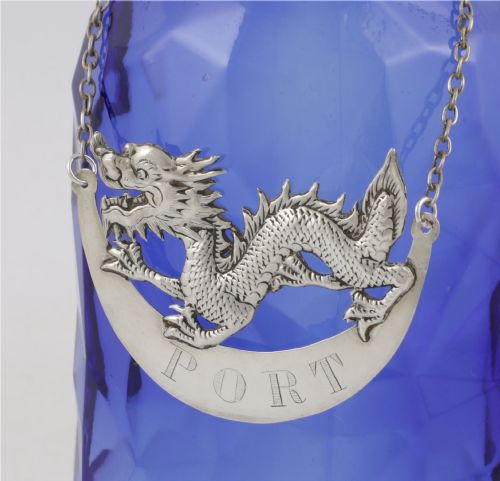
The pieces listed here are formed from sterling silver and solid silver, utilising traditional metalworking techniques appropriate to the period. Makers employed piercing, embossing, and engraving to render botanical motifs, rococo revival scrolls, and oriental dragons alongside the essential spirit titles.
London hallmarks appear on English items to verify the standard of the metal, whilst other examples exhibit regional British or Chinese export hallmarks.
Some nineteenth-century silver dragons guard your port rather than gold.
What varies in quality
Quality in a victorian sterling bottle label rests on the crispness of the lettering, the depth of the metalwork, and the clarity of the hallmarks. Pieces displaying fine Rococo Revival chasing or detailed Chinese export dragon work command greater visual interest than plain stamped variations.
The presence of crisp maker marks and legible beverage titles elevates an ordinary tag into a collectable silver accessory with distinct character.
The Victorian Sterling Bottle Label Glossary
- Sterling silver
- A silver alloy containing 92.5 percent pure silver and 7.5 percent other metals, usually copper. This standard composition provides the durability required for small hanging tags.
- Decanter label
- A small silver tag suspended by a chain around the neck of a glass decanter. It serves to identify the contents without lifting the vessel.
- Hallmark
- A series of official marks stamped onto precious metals in Britain to certify the purity of the silver, the assay office, and the date of manufacture.
- Rococo Revival
- A decorative style popular in the nineteenth century characterised by asymmetrical scrolls, foliage, and shell motifs. It frequently frames the titles on mid-century silver tags.
- Chinese Export
- Silver items manufactured in China specifically for Western markets, often incorporating traditional regional iconography such as dragons onto standard European forms.
Victorian Sterling Bottle Label: Frequently Asked Questions
What is a victorian sterling bottle label used for?
These silver tags hang from fine crystal decanters using short chains to indicate whether the vessel holds port, sherry, claret, madeira, or brandy.
They prevented confusion at the dining table when servants poured wine from matching decanters after dinner.
How do I read silver hallmarks on labels?
British hallmarks usually include a standard mark for sterling silver, a leopard head or other symbol for the assay office, and a date letter.
These tiny stamped symbols allow collectors to trace the exact year and city of manufacture for each piece.
Are all bottle labels made in Britain?
Whilst the majority of items follow English Victorian, Georgian, or Edwardian styles, the selections also include Chinese export silver pieces.
Asian silversmiths produced these tags for Western buyers using local decorative motifs while retaining familiar English wine titles.
How should I clean antique silver labels?
Gentle dusting with a soft cloth preserves the original patina and protects delicate engraved lettering from unnecessary wear.
Avoid harsh chemical dips that strip away the dark oxidation highlighting the chased details of the metal.
Why do some labels feature monograms?
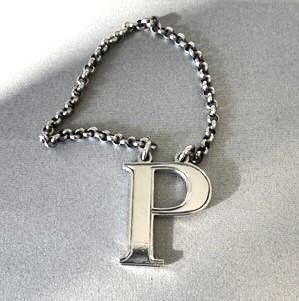
Initial monograms and crests were added to personalize silver tableware for specific households or dining sets.
These personal ciphers sit alongside or opposite the primary wine title such as port or champagne.